Radiation affects the environment and human health through a chain of physical, biological, and social processes that begin with unstable atoms releasing energy and end with contamination, disease risk, and long recovery periods. In the context of nuclear disasters, radiation refers mainly to ionizing radiation, including alpha particles, beta particles, gamma rays, neutron radiation, and radioactive isotopes dispersed into air, water, soil, food, and buildings. I have worked on environmental risk content around contamination events, and the same pattern appears repeatedly: the science is measurable, but the public impact depends on exposure pathway, dose, duration, and how quickly authorities contain the release. This makes nuclear disasters different from many other environmental disasters. A chemical spill may degrade or dilute. Radioactive materials can persist for years, decades, or longer, depending on half-life, mobility, and cleanup quality. Understanding how radiation moves through ecosystems and into the human body is essential for emergency planning, public health decisions, and long-term land management.
Nuclear disasters matter because they combine acute crisis with chronic uncertainty. A reactor accident, fuel handling failure, weapons test legacy, or waste storage breach can contaminate farmland, rivers, forests, fisheries, and urban infrastructure at the same time. The most cited examples are Chernobyl in 1986 and Fukushima Daiichi in 2011, but the broader topic includes Windscale, Kyshtym, Goiânia, Three Mile Island, and contamination linked to uranium mining and poorly controlled radioactive sources. In each case, the key questions are similar: what was released, where did it travel, who was exposed, and what health or ecological effects followed? This hub article answers those questions and frames the full nuclear disaster topic, from radiation types and exposure routes to environmental damage, cancer risk, food safety, cleanup methods, policy lessons, and the limits of what science can state with confidence.
What Radiation Is and Why Nuclear Disasters Spread It So Widely
Radiation is energy traveling as particles or waves, but the environmental and medical concern in nuclear disasters is ionizing radiation because it can remove electrons from atoms and damage cells and DNA. Not all radioactive materials behave the same way. Iodine-131 has a short half-life of about eight days and concentrates in the thyroid. Cesium-137 has a half-life of about 30 years, behaves chemically like potassium, and spreads through soils, forests, and food webs. Strontium-90, with a similar half-life, can accumulate in bone because it resembles calcium. Plutonium isotopes are less mobile in many settings but remain hazardous for very long periods if inhaled or ingested. These differences explain why one accident can create immediate thyroid concerns, while another produces decades of land-use restrictions and waste management problems.
Nuclear disasters spread radiation widely because releases do not stay at the source. Heat, fire, steam explosions, damaged containment, and venting can loft radionuclides into the atmosphere. Wind carries contamination across borders. Rain and snow wash particles onto crops, lakes, rooftops, and forests. Rivers and groundwater can transport soluble isotopes away from a damaged site. Emergency workers may track contamination on vehicles and equipment. In urban areas, radioactive dust settles into gutters, drains, and porous building surfaces. In rural areas, contamination often becomes a soil and food problem rather than a visible one. This is why response teams rely on monitoring networks, dosimeters, aerial surveys, gamma spectroscopy, and laboratory testing rather than appearance or odor. Radiation cannot be sensed directly by humans, which is one reason nuclear disasters generate lasting fear and misinformation.
How Radiation Moves Through Air, Water, Soil, and Food Systems
Environmental contamination follows identifiable pathways. Airborne fallout is usually the first major route after a large release. Fine particles can travel far, while heavier particles deposit closer to the source. Weather matters enormously. After Chernobyl, patchy rainfall created hotspots hundreds of kilometers apart, leaving some areas heavily contaminated while nearby communities received much lower deposition. At Fukushima, ocean releases and atmospheric deposition created a different pattern, with major concern focused on coastal waters, fisheries, mountain forests, and accumulated contamination in certain inland areas. Once radioactive material reaches the ground, its mobility depends on chemistry, soil type, vegetation cover, erosion, and water flow.
Soil acts as both sink and source. Cesium binds strongly to some clay minerals, which can limit deep movement but prolong contamination in surface layers where roots, fungi, and grazing animals interact with it. Forest ecosystems are particularly persistent reservoirs. Leaf litter, moss, fungi, insects, and wild game can recycle radionuclides for years, even after nearby farmland is remediated. Water systems introduce another complexity. Soluble radionuclides can move through rivers, reservoirs, and groundwater, while sediments can store contamination and later remobilize it during floods or dredging. Food systems then become the bridge to human exposure. Milk contaminated with iodine-131 after pasture deposition was a major pathway after Chernobyl, especially for children. Fish, mushrooms, berries, reindeer, boar, and rice have all required monitoring in affected regions after different incidents.
| Pathway | Main radionuclides | Environmental effect | Human health implication |
|---|---|---|---|
| Airborne fallout | Iodine-131, cesium-137, plutonium particles | Deposits on land, roofs, water, vegetation | External exposure, inhalation, food contamination |
| Surface water transport | Cesium-137, tritium, strontium-90 | Moves contamination through rivers and coastal zones | Drinking water concern, fishery impacts |
| Soil uptake | Cesium-137, strontium-90 | Enters crops, pasture, forest products | Long-term ingestion exposure |
| Dust resuspension | Mixed deposited radionuclides | Reintroduces particles into air during wind or cleanup | Inhalation risk for workers and residents |
How Radiation Harms the Human Body
Radiation damages human health by breaking chemical bonds, generating free radicals, and injuring DNA, cell membranes, and tissues. The effect depends on dose, dose rate, radiation type, age, organ sensitivity, and route of exposure. External exposure comes from radioactive material outside the body or from a radiation source such as a damaged reactor area. Internal exposure happens when radionuclides are inhaled, swallowed, or enter the body through wounds. Internal contamination is often more specific to certain organs because isotopes follow chemical pathways. Iodine concentrates in the thyroid. Strontium targets bone. Cesium distributes more broadly in soft tissue. Alpha emitters are especially dangerous when internalized because they deposit high energy over a short distance.
High doses delivered quickly can cause acute radiation syndrome, with nausea, vomiting, skin injury, marrow suppression, infection risk, and, at very high doses, neurological failure and death. This pattern was seen among some first responders and plant workers at Chernobyl. Lower or moderate doses do not cause immediate symptoms but can increase the long-term probability of cancer. The best-documented effect from Chernobyl is the increase in thyroid cancer among those exposed as children to iodine-131 in contaminated milk and food. Evidence for other cancers is harder to detect because risk rises are often small relative to baseline rates and confounded by smoking, screening differences, and migration. Radiation can also contribute to cataracts, cardiovascular effects at higher cumulative doses, and prenatal harm when exposure occurs during sensitive stages of pregnancy. Clear communication about risk is critical: not every exposure causes illness, but measurable exposure warrants tracking and protection.
Environmental Damage After Nuclear Disasters
Radiation does not destroy ecosystems in a single uniform way. Instead, it changes survival, reproduction, habitat use, and land access. Immediately after a severe release, highly contaminated zones can show direct damage to plants and animals, especially near the source. The best-known example is the Red Forest near Chernobyl, where pine trees died after intense exposure. Over time, the picture becomes more complex. In some exclusion zones, wildlife appears abundant because human activity declined sharply. That does not mean radiation is harmless. It means reduced hunting, farming, logging, and road traffic can offset some biological stress at the population level. Researchers still debate the magnitude of chronic ecological effects on birds, insects, mammals, and soil organisms because exposure varies greatly by microhabitat and species behavior.
For managed landscapes, the environmental damage is often economic as much as biological. Agricultural soils may need topsoil removal, deep plowing, potassium fertilization to reduce cesium uptake, liming, or crop restrictions. Forest management becomes difficult because timber, ash from biomass burning, and wildfire smoke can redistribute contamination. Aquatic ecosystems may show rapid dilution in water but prolonged retention in sediments and biota. Coastal contamination after Fukushima demonstrated that fisheries require sustained testing, not one-time reassurance. Waste generated during cleanup creates another environmental burden. Bagged soils, vegetation, sludge, protective gear, and demolished materials need secure interim and long-term storage. That secondary waste stream can last for decades and shape public acceptance of recovery plans long after the initial emergency has passed.
Major Nuclear Disasters and What They Teach
Chernobyl remains the benchmark for catastrophic reactor accidents because of the scale of release, the lack of robust containment, delayed public warning, and international spread of fallout. It showed that emergency iodine prophylaxis, food controls, worker protection, and transparent monitoring must happen immediately, not after political hesitation. Fukushima Daiichi delivered different lessons. Its triggering event was a massive earthquake and tsunami, reminding planners that nuclear risk is inseparable from compound disasters. Fukushima also showed the importance of backup power, flood protection, filtered venting, hydrogen management, and long-term community support for evacuees. Three Mile Island, while far less severe in public exposure, became a landmark in operator training, control room design, and crisis communication. Goiânia, caused by an abandoned medical radiotherapy source, proved that nuclear disasters are not limited to reactors; orphan sources can contaminate homes, scrap yards, and entire neighborhoods.
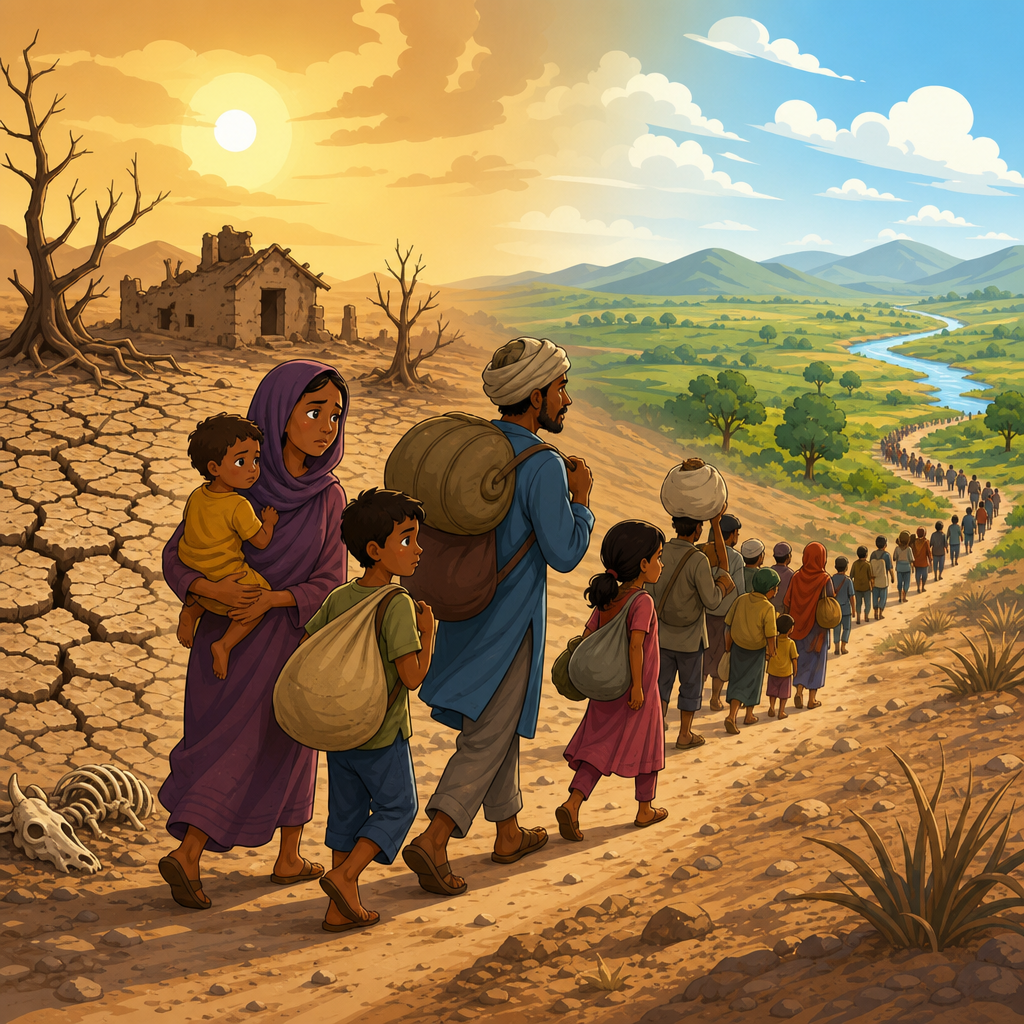
Across these events, several patterns are consistent. First, early measurements shape everything: evacuation zones, shelter orders, food bans, and worker safety depend on reliable radiation data. Second, the largest public health burden may include mental health stress, displacement, livelihood loss, and distrust, not only radiation-induced disease. Third, contamination maps are never static. Rainfall, decontamination, erosion, fires, and rebuilding alter risk over time. Finally, recovery is not just technical. It requires compensation systems, healthcare follow-up, local participation, and credible institutions. Communities return more readily when monitoring is visible, standards are explained clearly, and decisions are not imposed without consultation.
Protection, Cleanup, and Long-Term Recovery
The core principle in radiation protection is to reduce time near the source, increase distance, and use shielding, but disaster management expands far beyond that rule. Effective response includes sheltering, evacuation where justified, stable iodine distribution for radioactive iodine exposure, contamination surveys, controlled access zones, food and water monitoring, and dose tracking for workers and residents. International guidance from the International Atomic Energy Agency, the World Health Organization, and the International Commission on Radiological Protection provides frameworks for emergency reference levels and recovery decisions. In practice, implementation depends on local capacity, infrastructure, and public trust. A technically sound plan can still fail if instructions are delayed, inconsistent, or impossible for vulnerable populations to follow.
Cleanup options are highly site specific. Urban decontamination may involve washing hard surfaces, removing gutters and sludge, stripping topsoil from schoolyards, and managing construction debris. Agricultural areas may use soil treatment, crop substitution, livestock feed controls, and ongoing testing of produce and milk. Forests are the hardest to remediate comprehensively, so management often focuses on access controls, fire prevention, and product monitoring rather than total cleanup. Long-term recovery also means rebuilding health surveillance. Cancer registries, thyroid screening programs where appropriate, mental health services, and clear dose records help communities move from rumor to evidence. The central lesson is practical: radiation risk can be reduced substantially with fast action, honest communication, and persistent monitoring. If you are building knowledge around environmental disasters, use this hub to explore reactor accidents, fallout pathways, food contamination, exclusion zones, and recovery policy in greater detail, because informed preparation is the best protection before the next nuclear crisis.
Frequently Asked Questions
What kinds of radiation are most important in environmental contamination and human exposure?
In environmental and public health discussions, the most important forms are usually ionizing radiation and the radioactive materials that emit it. Ionizing radiation has enough energy to remove electrons from atoms and molecules, which is why it can damage living tissue. The main types include alpha particles, beta particles, gamma rays, and, in some situations, neutron radiation. Alpha particles do not travel far and can often be stopped by skin or paper, but they become especially dangerous if alpha-emitting materials are inhaled or swallowed. Beta particles can penetrate more deeply into tissue and may cause skin burns or internal damage depending on the source. Gamma rays are highly penetrating and can pass through the body and many building materials, making them a major concern after nuclear accidents. Neutron radiation is less common outside reactors or weapons events, but when present it can be extremely damaging.
Just as important as the radiation type is the radioactive isotope involved. Isotopes such as iodine-131, cesium-137, strontium-90, plutonium isotopes, and others behave differently in the environment and in the body. Iodine-131 can concentrate in the thyroid, especially in children. Cesium-137 can spread widely, bind to soils, and enter food systems. Strontium-90 can mimic calcium and accumulate in bones. This is why environmental risk is not simply about “how much radiation” exists in the abstract. It is about what isotope is present, where it goes, how long it remains hazardous, how people come into contact with it, and whether exposure is external, inhaled, ingested, or absorbed through wounds. Understanding those differences is essential for assessing contamination, health risk, cleanup priorities, and long-term monitoring.
How does radiation from a nuclear disaster spread through the environment?
Radiation from a nuclear disaster spreads through a linked chain of atmospheric, hydrological, ecological, and human processes. First, radioactive particles and gases may be released into the air from damaged reactors, spent fuel, fires, explosions, or venting operations. Once airborne, they can travel short or very long distances depending on wind speed, weather systems, particle size, and release height. Rain and snow can pull radioactive material out of the atmosphere and deposit it onto land, forests, rivers, lakes, crops, rooftops, and urban surfaces. This process, called deposition, often creates highly uneven contamination patterns, with some areas becoming hotspots while others nearby remain far less affected.
After deposition, contamination continues to move. In soil, some isotopes bind tightly while others migrate downward or are carried by erosion and runoff into streams and reservoirs. In water, radioactive materials may dissolve, settle into sediments, or enter aquatic organisms. In forests, contamination can cycle for years between leaf litter, fungi, insects, wildlife, and soil layers. In agriculture, radioactive isotopes can transfer into grass, milk, meat, grains, vegetables, and fruit. Buildings and roads can also hold contamination on surfaces, creating prolonged exposure risks in inhabited areas. The result is that a radiation emergency does not end when the initial release stops. Environmental transport can continue redistributing contamination over time, making long-term monitoring, food testing, land-use controls, and remediation essential parts of recovery.
How does radiation affect human health in the short term and long term?
The health effects depend on dose, dose rate, radiation type, exposure pathway, and the age and health status of the exposed person. At very high doses delivered over a short period, radiation can cause acute radiation syndrome, a serious condition involving nausea, vomiting, weakness, skin injury, bone marrow suppression, infection risk, bleeding, and in extreme cases death. These severe effects are most likely in workers, emergency responders, or people very close to a major uncontrolled release. High local exposures can also cause radiation burns or tissue damage. However, in many environmental incidents the larger public health concern is not immediate illness but increased long-term disease risk from lower or moderate exposures.
Over the long term, ionizing radiation can damage DNA directly or indirectly through reactive chemical changes in cells. Most damaged cells are repaired or eliminated, but some injuries may persist and raise the likelihood of cancer years or decades later. The strongest evidence links radiation exposure to cancers such as leukemia, thyroid cancer, and several solid tumors, though risk varies with tissue type, age at exposure, and cumulative dose. Children are generally more vulnerable because their tissues are growing more rapidly and they have more years ahead in which cancer can develop. Internal contamination is especially important because radioactive materials that enter the body can continue irradiating specific organs from within. Beyond cancer, radiation emergencies can also produce major mental health and social effects, including stress, anxiety, depression, stigma, displacement, disrupted medical care, and loss of livelihoods. In real-world disasters, those social and psychological harms often become a large part of the overall human toll.
Why can some places remain contaminated for years or even decades after a radiation release?
Long-lasting contamination happens because radioactive decay, environmental persistence, and ecological recycling do not all move at the same speed. Some isotopes decay quickly, but others have half-lives long enough to remain relevant for many years. Cesium-137, for example, has a half-life of about 30 years, which means it can stay in the environment long enough to affect land use, food production, and cleanup planning for decades. Even when radioactivity decreases over time, contamination may still remain high enough in certain soils, sediments, forest floors, drainage channels, or building materials to require restrictions or remediation.
Persistence is also shaped by landscape and land use. Forested areas are especially difficult because radioactive materials can become trapped in organic layers and then recirculate through leaves, wood, mushrooms, and wildlife. In urban settings, contamination can lodge in cracks, roofs, gutters, ventilation systems, and porous materials. In rivers and coastal areas, sediments can store contamination and later redistribute it during storms, dredging, or flooding. Agricultural areas may improve more quickly if topsoil is removed, plowed, treated, or managed carefully, but these interventions are costly and disruptive. This is why post-disaster recovery is rarely a simple matter of waiting for radiation to disappear. It involves technical decisions about decontamination, waste storage, exposure reduction, land access, food safety, and how to balance measured risk with the social reality of people wanting to return home or rebuild their communities.
What can be done to reduce environmental damage and protect human health after radiation exposure?
Protection starts with rapid, science-based emergency response. Authorities work first to control the source if possible, measure radiation levels, identify affected areas, and limit exposure through sheltering, evacuation, access restrictions, and clear public communication. Health protection often follows the basic principle of reducing time near a source, increasing distance from it, and using shielding when appropriate. If radioactive iodine is involved, potassium iodide may be recommended in specific circumstances to reduce thyroid uptake, but it is not a general antidote for all radiation exposure. Food and water controls are also critical, because ingestion can become a major pathway after contamination settles into the environment.
Longer-term protection depends on careful environmental management and sustained public health follow-up. That can include mapping contamination, testing soil and crops, restricting hunting or fishing, decontaminating homes and infrastructure, removing contaminated topsoil, managing radioactive waste, and monitoring workers and residents over time. Medical follow-up may involve dose assessment, thyroid screening in affected populations, cancer surveillance, and mental health support. Equally important is trust: people need transparent risk communication that explains what is known, what is uncertain, and what actions are being taken. The most effective recovery plans recognize that radiation disasters are not only technical events but social ones. Protecting health means addressing contamination, preventing avoidable exposure, supporting displaced communities, and maintaining long-term environmental and epidemiological monitoring so that decisions remain grounded in evidence rather than fear or complacency.