
Climate change is an undeniable reality, impacting ecosystems, weather patterns, and overall quality of life globally. Understanding its causes is crucial for addressing these challenges effectively. This includes distinguishing between human activities and natural processes that contribute to climate change. While the Earth’s climate has always undergone changes due to natural phenomena, the extent and intensity of modern climate alterations seem unprecedented. This discrepancy has led scientists to explore both the natural and anthropogenic factors involved. In this article, we delve into these influences, examining how human actions compare to natural forces in driving climate changes. As we unpack these causes, we aim to clarify the complexities behind climate change, providing a clearer perspective on how each factor contributes to the challenges we face today.
Human-induced causes often dominate contemporary discussions about climate change due to their prominent impact and potential for mitigation. Activities such as fossil fuel combustion, industrial manufacturing, deforestation, and extensive agriculture increase greenhouse gas concentrations in the atmosphere, amplifying the greenhouse effect and resulting in global warming. Conversely, Earth’s climate is also shaped by natural forces like volcanic eruptions, solar radiation fluctuations, and oceanic circulations, which have been operating for eons. These processes can cause significant climatic shifts, albeit typically at a slower pace than current human-induced changes. By distinguishing between these different contributors, we gain insights to help guide policy, innovation, and personal behavior toward solutions. As you read this comprehensive analysis, consider how each factor plays its part and what this means for our global future.
Human-Induced Causes of Climate Change
Human activities over the last century have significantly altered the Earth’s atmosphere. The primary driver of these changes is the emission of greenhouse gases (GHGs) from burning fossil fuels. This includes carbon dioxide (CO2), methane (CH4), and nitrous oxide (N2O), which account for the majority of anthropogenic global warming. The burning of coal, oil, and natural gas for energy and transportation releases millions of tons of CO2, creating a thermal blanket around the planet that traps heat and leads to temperature rises. Other industrial processes further exacerbate this effect, producing additional GHGs and pollutants that contribute to climate warming and air pollution.
Deforestation is another critical human-induced cause. Forests act as carbon sinks, absorbing large amounts of CO2 from the atmosphere. However, widespread logging and land-use changes, often for agriculture or urban development, reduce this capacity. When forests are cleared, not only is this carbon absorption lost, but the carbon stored in trees is released back into the atmosphere, further increasing CO2 levels. This ongoing cycle greatly contributes to the accumulation of GHGs in the atmosphere.
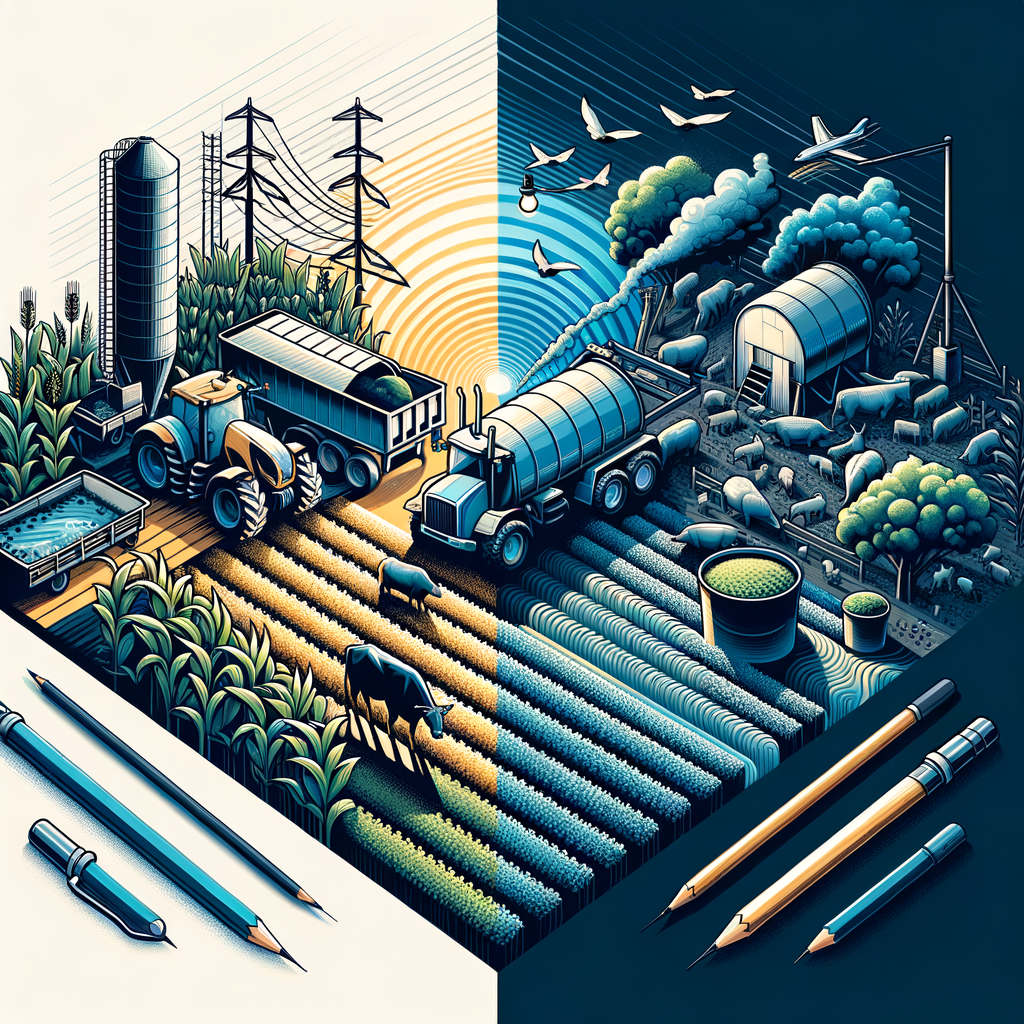
Agriculture is also a significant source of GHG emissions, primarily through methane released by livestock during digestion and from manure management. Paddy rice fields emit methane as well, while the use of nitrogen-based fertilizers contributes to nitrous oxide emissions. These practices have intensified with industrial agriculture’s expansion, amplifying their impact on the climate.
Moreover, industrial processes are a key contributor to climate change. Cement production, which involves calcination, releases CO2 when limestone (calcium carbonate) is heated to produce lime. This industry alone contributes a substantial share of human-caused CO2 emissions. The chemical industry and waste management also add to this through the release of various other gases, including chlorofluorocarbons (CFCs) and hydrofluorocarbons (HFCs), which, although less prevalent, have a much greater global warming potential than CO2.
Transportation, another major emission source, relies heavily on fossil fuels. Cars, airplanes, ships, and trucks contribute significantly to air pollution through the combustion of gasoline and diesel. Although strides are being made towards electric and hybrid vehicles, internal combustion engines remain predominant, especially in developing regions, thus perpetuating CO2 emissions on a large scale.
Natural Causes of Climate Change
Naturally occurring processes also play a vital role in influencing the Earth’s climate. These processes operate over various timescales, affecting climate patterns significantly, albeit differently from human influences. Volcanic eruptions are one of the most immediate and noticeable natural causes of climate change. When a volcano erupts, it releases large amounts of aerosols, dust, and gases such as sulfur dioxide into the atmosphere. These particles can reflect sunlight away from the Earth, causing short-term cooling effects. However, the released CO2 also contributes further to greenhouse warming in the long term, although significantly less than from human activities.
Solar radiation variations are another natural factor. The Sun undergoes cycles of varying intensity, affecting the Earth’s climate by increasing or decreasing the energy it receives. These solar cycles, which include the well-known 11-year sunspot cycle, can lead to periods of warming or cooling. Although these changes are typically subtle and slow-moving, their cumulative effects over centuries have historically influenced planetary ice ages and warm periods.
Another significant factor is the role of ocean currents and their complex systems, such as the El Niño and La Niña phenomena. The El Niño-Southern Oscillation (ENSO) is a refined example where changes in oceanic temperatures and atmospheric patterns cause fluctuations in global weather. This naturally occurring climate pattern influences precipitation, storm activities, and even temperatures worldwide on a relatively short timescale.
Additionally, natural variability in the Earth’s orbit and axial tilt, collectively known as Milankovitch cycles, lead to longer-term climatic shifts such as glacial and interglacial periods. These slow changes in the Earth’s orbit and axial tilt affect the distribution and intensity of sunlight received, impacting long-term climate patterns over tens of thousands of years.
Lastly, biological processes, such as photosynthesis and respiration, play roles in circulating carbon within ecosystems. While human activity significantly disrupts these natural processes, they remain a crucial part of the Earth’s climate system. Oceanic phytoplankton, through photosynthesis, consumes CO2 and releases oxygen, acting as a biological moderator of global carbon levels. However, changes in sea temperature and acidity impact their role, reflecting subtle yet significant natural shifts in climate dynamics.
Comparing Human and Natural Influences
The interplay between human and natural influences on the climate is complex and intertwined. Human activities have been the dominant force in climate change, especially since the industrial revolution, amplifying natural processes and outpacing their effects in recent decades. Anthropogenic emissions of GHGs outweigh the natural emissions from sources like volcanoes and biological processes by a substantial margin. This overwhelming influence of human activity has led to accelerated warming trends unprecedented in Earth’s recent history.
Unlike natural processes, which typically affect the climate gradually over extended periods, human-induced changes are noticeable much quicker, generating rapid shifts requiring immediate global attention. While natural factors do cause climate variability, the relatively stable climate of the recent geological past became progressively destabilized due to heightened anthropogenic contributions. These contributions pushed past natural thresholds, driving significant environmental changes, such as polar ice melt and sea-level rise.
In tackling climate change, recognizing the relative impact of human versus natural causes is crucial for policymakers and scientists. While natural factors primarily contribute to variability and long-term climate cycles, human influences have caused unprecedented trends necessitating urgent interventions. Deciphering the extent and interaction of these influences underscores the need for robust strategies to mitigate human impact while accommodating natural variability.
Conclusion
Understanding the causes of climate change involves recognizing the roles played by both human and natural factors. Human activities, driven by industrialization and modern lifestyle demands, have significantly increased the concentration of greenhouse gases, contributing to most of the recent climate changes observed. The realization of this influence emphasizes the global need for strategies aiming to reduce emissions and transition towards sustainable practices.
On the other hand, natural causes also contribute to climate changes. Though less impactful in recent times than human-induced factors, natural processes still play essential roles in the Earth’s long-term climate cycles. Identifying these processes aids in understanding the Earth’s intrinsic climate dynamics and helps differentiate climate patterns stemming from natural variability versus those driven by human actions.
Ultimately, our understanding of both human and natural causes informs our approach to mitigating climate change. Balancing this understanding with practical measures offers the best hope for managing future climate scenarios. This requires an interdisciplinary approach involving science, policy, and community action, recognizing the need for immediate changes in human behaviors and policies while also preparing for those natural changes that are beyond our control.
Efforts must prioritize reducing anthropogenic emissions, enhancing reforestation, and investing in renewable technologies to slow down or reverse climate alterations. Greater focus on these areas, supported by an informed public and decisive governmental action, can significantly alter the trajectory of global warming, ensuring the health and sustainability of the planet for future generations.
Frequently Asked Questions
1. What are the primary human activities contributing to climate change?
Human activities significantly contributing to climate change stem mainly from industrial processes, deforestation, and agriculture. Since the industrial revolution, an unprecedented amount of carbon dioxide and other greenhouse gases have been released into the atmosphere through the burning of fossil fuels like coal, oil, and natural gas. This extensive use of fossil fuels occurs in numerous sectors, including transportation, power generation, and manufacturing. Deforestation further exacerbates the problem as it reduces the Earth’s capacity to absorb CO2, due to the loss of trees that play a crucial role in maintaining carbon balance. Additionally, agriculture contributes significantly through methane emissions produced by livestock digestion and rice cultivation, and nitrous oxide emissions from fertilized soils. These human-induced activities disrupt the natural greenhouse effect, leading to an undesirable rise in Earth’s average temperatures.
2. How do natural processes influence climate change?
Natural processes have always played a role in the Earth’s climate dynamics. Volcanic eruptions, for instance, can inject large quantities of aerosols and ash into the atmosphere, temporarily affecting climate patterns by reflecting sunlight away and cooling the planet. Solar output variations also have potential impacts on climate, where increased solar energy might lead to slight warming and reduced output might cause cooling. Furthermore, natural carbon cycles, such as the exchange of CO2 between the oceans, atmosphere, and biosphere, regulate heat retention. Climate variability due to natural phenomena such as El Niño and La Niña events also causes short-term climatic shifts by altering oceanic and atmospheric conditions, affecting weather patterns worldwide. Nonetheless, these natural factors generally operate on such varied timescales and magnitudes that they alone do not account for the rapid warming observed since the late 20th century.
3. How can we discern between human-induced and natural climate change?
Scientists distinguish between human-induced and natural climate change through intricate climate models, observational data, and paleo-climatic records. Climate models serve as powerful tools that simulate both human and natural influences on the climate system. By examining variations in historical temperature data and applying knowledge of past climate conditions gleaned from ice cores, tree rings, and sediment, researchers can separate natural climate variability patterns from anthropogenic influences. For instance, while patterns and cycles of natural climate variation have historically oscillated within certain limits, recent unprecedented changes closely coincide with industrial growth and increased greenhouse gas emissions, clearly pointing towards human causation. Additionally, the rate of current climate change significantly surpasses natural past warming and cooling events observed over millions of years, underscoring the dominant role of human activity in recent climate transformations.
4. Are there any climate changes that are entirely natural and unaffected by human activities?
Indeed, certain climate changes occur naturally, independent of human interference. These include large-scale cycles like Milankovitch cycles, which involve changes in Earth’s orbit and axial tilt affecting long-term climate trends over tens of thousands of years. Another example is natural volcanic activity that leads to short-term climate consequences through cooling, unrelated to human actions. Furthermore, solar cycle fluctuations and events like El Niño occur primarily due to complex natural oceanic and atmospheric interactions without direct human influence. However, it’s crucial to recognize that while such phenomena contribute naturally to climate variability, the anthropogenic factors related to industrial activities have amplified and accelerated current climate change impacts far beyond these natural causes alone.
5. How urgent is the need to address human causes of climate change?
The urgency to address human causes of climate change is critical. The continuous increase in greenhouse gas concentrations due to human activities can lead to severe and potentially irreversible impacts on global ecosystems, weather patterns, sea levels, and biodiversity. The risks include heightened frequency and severity of extreme weather events, such as hurricanes, droughts, and floods, which threaten human livelihoods and food security. Additionally, ongoing climate warming poses threats to polar and marine ecosystems, leading to phenomena such as ice cap melting and ocean acidification. Without swift and comprehensive action to mitigate these impacts by transitioning to sustainable and renewable energy sources, enhancing conservation efforts, and adopting low-carbon practices, the widening effects of climate change are likely to trigger profound socio-economic and environmental disruptions, highlighting the immediacy and importance of addressing our carbon footprint.