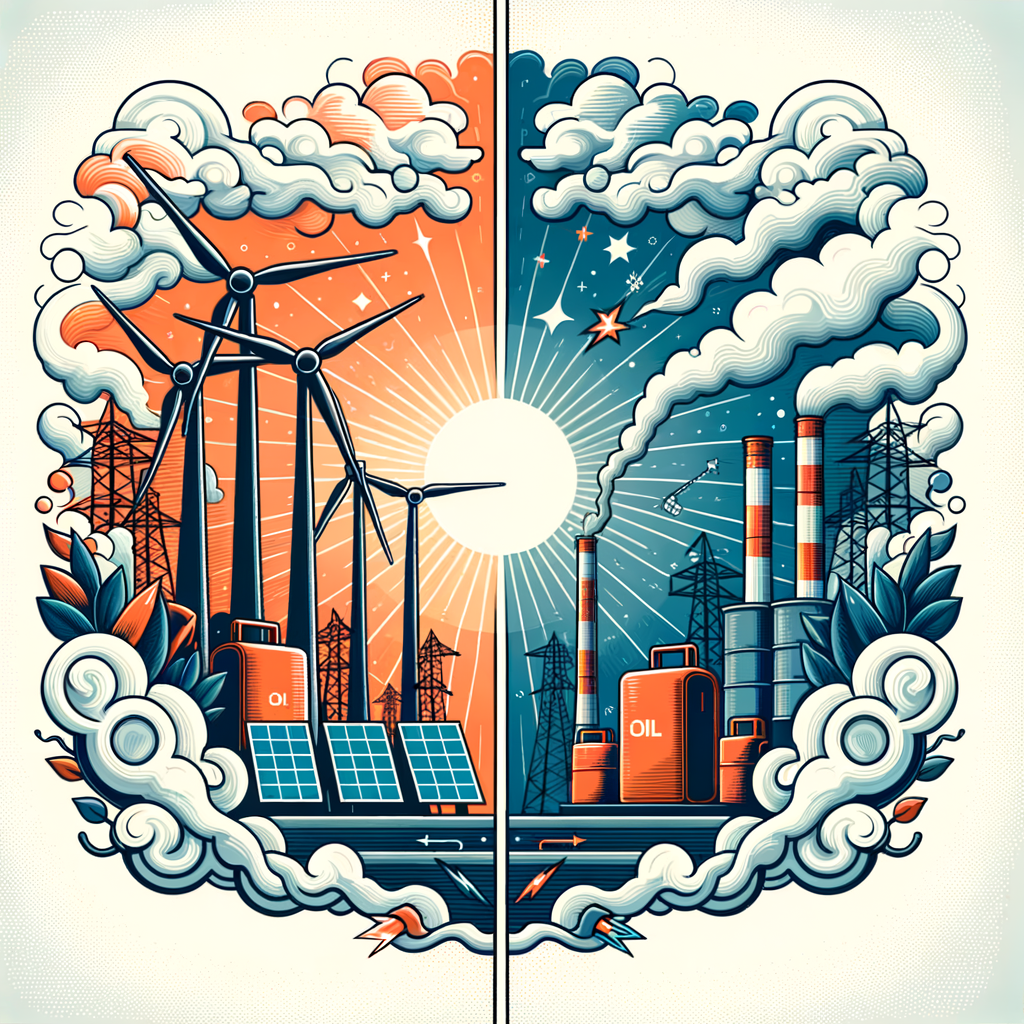
The debate between renewable energy and fossil fuels is one of the most pertinent discussions of our time, impacting economies, climates, and the planet’s future. As the globe faces ever-increasing environmental challenges, the demand for more sustainable and cleaner energy sources has become urgent. The burning of fossil fuels, such as coal, oil, and natural gas, has been a cornerstone of industrialization and development over the past century. However, it also accounts for a significant portion of global greenhouse gas emissions, contributing to climate change, air pollution, and ecosystem destruction.
Renewable energy, comprising solar, wind, hydroelectric, and geothermal power, among others, offers a sustainable alternative to the traditional reliance on fossil fuels. Unlike fossil fuels, renewables are replenished naturally on a human timescale and generally produce less environmental harm. With technological advancements continuing at an extraordinary pace, the feasibility and efficiency of integrating these energy sources into existing infrastructures are improving.
This article explores the distinctions between renewable energy and fossil fuels, evaluating their respective advantages and disadvantages. It delves into the environmental, economic, and social implications of transitioning from fossil fuels to renewables. Moreover, it examines potential challenges and necessary actions for a successful shift towards a greener future, highlighting why renewable energy holds the key to overcoming the environmental crises exacerbated by fossil fuel dependence.
The choice between renewable energy and fossil fuels is not merely a matter of technological preference; it is a crucial decision that will shape the global landscape for generations to come. As we navigate this crossroads, understanding the depths of both energy sources provides insight into the most promising pathways for ensuring a sustainable and flourishing earth.
Environmental Impact and Sustainability
The environmental impact of fossil fuels is profound, with repercussions felt across the globe. The combustion of these fuels releases a significant amount of carbon dioxide, a potent greenhouse gas, into the atmosphere. This contributes to the greenhouse effect, which is a major driver of climate change. In addition to carbon emissions, fossil fuel extraction and use also result in the release of other harmful pollutants, such as sulfur dioxide, nitrogen oxides, and particulate matter. These pollutants can cause severe air quality issues, leading to health problems such as respiratory diseases and heart conditions.
Furthermore, fossil fuel extraction processes, including mining and drilling, are invasive to ecosystems, causing habitat destruction, biodiversity loss, and soil and water contamination. Oil spills and coal mine accidents pose additional environmental threats, often leading to long-term ecological damage.
In contrast, renewable energy sources have a significantly lower environmental footprint. Solar and wind energy, for example, generate electricity without emitting hazardous pollutants or greenhouse gases. The production of equipment necessary for renewable energy, such as solar panels and wind turbines, still involves some environmental costs, such as resource extraction and manufacturing processes. However, these impacts are relatively smaller and diminishing with technological advances and sustainable practices.
Renewables also offer a sustainable solution due to their inexhaustible nature. Sunlight, wind, and water are abundantly available, harnessed efficiently with advances in technology. The shift to renewable energy is essential to mitigate climate change effects, reduce air pollution, and safeguard biodiversity.
Economic Considerations
Economically, fossil fuels have historically been viewed as cost-effective due to their established infrastructure and subsidies supporting their industry. The initial investment in fossil fuel extraction, transportation, and refinement has been substantial, embedding these energy sources deeply into the global economy. However, the costs associated with fossil fuels are not limited to production. Environmental degradation, healthcare expenses from pollution-related diseases, and climate change mitigation represent hidden costs that heavily burden economies worldwide.
Renewable energy, while traditionally seen as expensive due to upfront costs, presents a rapidly improving economic picture. Over recent years, technological advancements and increased production scales have significantly reduced the cost of solar panels and wind turbines. Moreover, renewable energy projects can benefit from lower operational costs and minimal fuel expenses since wind and sunlight are free resources. The International Renewable Energy Agency (IRENA) has reported continual declines in renewables’ costs, making solar and wind energy price-competitive with, and often cheaper than, installing new fossil fuel-based power systems.
Renewable energy also presents opportunities for job creation across multiple sectors. Installing and maintaining renewable energy systems require skilled labor, providing a potential boost to local economies. Transitioning to renewables fosters energy independence by reducing reliance on fossil fuel imports, which can stabilize economies and afford greater energy security.
Social and Health Implications
Fossil fuels have critical social and health implications that cannot be ignored. Air pollution from burning fossil fuels can lead to severe health problems, affecting quality of life and burdening healthcare systems. The World Health Organization (WHO) attributes millions of premature deaths each year to pollution caused by fossil fuels. Besides health issues, fossil fuel extraction often leads to community disruptions, particularly in regions with rich resources. Local communities may face displacement, social tensions, and economic instability as land and resources are commandeered for fossil fuel development.
Renewable energy, on the other hand, offers solutions to many social and health challenges. The adoption of cleaner energy reduces air and water pollution, improving overall public health. By investing in local renewable projects, communities can gain autonomy over their energy resources, creating stable, local job opportunities. This empowerment fosters sustainable development, reducing poverty levels and promoting equality.
Furthermore, renewable energies align with broader international commitments to sustainable development goals (SDGs). By promoting sustainable energy access, countries can advance towards meeting various SDGs, including those focused on health, clean water, and economic growth.
Challenges and Technological Advances
Transitioning to renewable energy is not without its challenges. One of the primary obstacles is the variability of resources like wind and solar. The sun may not shine, or the wind may not blow, leading to concerns about energy reliability and grid stability. However, advancements in battery storage technology and smart grid systems offer promising solutions to these challenges. Modern energy storage options, including lithium-ion batteries and pumped hydro storage, can reserve excess energy produced during peak periods for use when resources are scarce, enhancing grid stability.
Another challenge is the existing reliance on fossil fuel infrastructure. The transition to renewable energy requires considerable investment in new infrastructure and retrofitting existing systems to accommodate renewable inputs. Governments and corporations must commit to financial and policy support, incentivizing research and development and supporting initiatives that guide the transition process.
Technological advancements are continuously improving the efficiency and capabilities of renewable energy systems. Innovations like floating solar farms, offshore wind turbines, and enhanced geothermal systems are expanding the potential for renewable energy adoption in diverse environments. Research into new materials, improved efficiency rates for solar cells, and advanced forecasting techniques for wind patterns demonstrate the ongoing progress in making renewable energy more accessible and reliable.
Policy and International Cooperation
Government policy and international cooperation are crucial components in the global energy transition. Policies that support renewable energy development, such as subsidies, tax incentives, and carbon pricing, can accelerate deployment. Phasing out fossil fuel subsidies and implementing regulations that restrict emissions can also steer energy markets toward cleaner options.
International collaboration is essential to address climate change, transcending national borders. Organizations like the United Nations Framework Convention on Climate Change (UNFCCC) facilitate negotiations and commitments, aiming to limit global temperature increases and mitigate environmental impacts. The Paris Agreement exemplifies such efforts, where countries have committed to reducing greenhouse gas emissions and enhancing adaptive capacities.
Further efforts in fostering technological transfers between countries can support global renewable energy uptake, especially aiding developing nations. Access to clean energy technologies and financial mechanisms will be instrumental in bridging the energy gap and fostering sustainable development.
Conclusion
The urgent need to transition from fossil fuels to renewable energy is clear. Environmental, economic, and social imperatives make this shift not just beneficial, but essential for a sustainable future. Understanding the nuances and complexities of this energy transition equips us to make informed decisions and tackle challenges head-on.
Fossil fuels, despite their historical contributions to development, pose undeniable risks to the environment and public health. Their hidden costs threaten both current and future generations, extending the consequences of their use across time and place.
Renewable energy offers a sustainable path forward, heralding a future where energy needs are met without compromising the health of our planet and its inhabitants. With decreasing costs and expanding technological advancements, renewable energies provide viable and efficient alternatives to fossil fuels.
For a successful transition, concerted efforts across governments, industries, and communities are vital. Policies must prioritize sustainability, drive innovation, and support infrastructural adaptations. International cooperation plays a crucial role in ensuring these measures lead to more equitable and comprehensive global energy systems.
The challenges are significant, but the rewards of embracing renewable energy are transformative. The path to a greener future necessitates bold action, guided by a commitment to environmental stewardship and economic resilience. As we stand at this crossroads, choosing renewable energy over fossil fuels is not merely a choice for a cleaner future—it’s the key to ensuring the health, prosperity, and sustainability of our planet for generations to come.
Frequently Asked Questions
1. What are the main differences between renewable energy and fossil fuels?
The core difference between renewable energy and fossil fuels lies in their sources and impact on the environment. Renewable energy is derived from naturally replenished sources, such as sunlight, wind, rain, tides, waves, and geothermal heat. These sources are practically inexhaustible over a human timescale, making them a sustainable choice for energy production. On the other hand, fossil fuels, which include coal, oil, and natural gas, are finite resources formed over millions of years from the remains of ancient plants and animals. The combustion of fossil fuels releases carbon dioxide and other greenhouse gases into the atmosphere, contributing significantly to global warming and climate change. In contrast, renewable energy systems generally produce little to no greenhouse gas emissions during operation, making them much cleaner and more beneficial to the environment.
2. Why is there a growing push towards renewable energy?
The increasing push towards renewable energy is driven by multiple factors, primarily environmental, economic, and technological. Environmentally, the urgent need to mitigate climate change and reduce pollution levels has been a key catalyst. Burning fossil fuels is one of the largest contributors to greenhouse gas emissions, which are warming the planet and leading to more extreme weather conditions, sea-level rise, and other climate-related impacts. Economically, advancements in technology have lowered the cost of renewable energy, making it more competitive with traditional energy sources. Furthermore, renewable energy can help reduce dependence on imported fuels, thereby enhancing energy security. Socially, there’s growing awareness and demand for cleaner, more sustainable energy solutions from the public and organizations committed to sustainability. This shift reflects a broader movement towards building a greener future for coming generations.
3. Can renewable energy completely replace fossil fuels?
While renewable energy holds tremendous potential, completely replacing fossil fuels remains a complex challenge. Transitioning to a renewable energy-dominated global power system requires significant technological, economic, and policy shifts. One of the key hurdles is the intermittent or variable nature of certain renewable energy sources, like solar and wind, which depend on weather conditions. However, advancements in energy storage technologies, such as batteries, help buffer these fluctuations, enabling more consistent energy supply. Additionally, large-scale integration into existing grids requires upgrades and smarter grid solutions to handle the variability and ensure reliable power. Scaling up renewable energy capacities also requires investment and supportive policy frameworks. While achieving 100% renewable energy is ambitious, a gradual transition through energy mix diversification, enhanced energy efficiency, and a phased reduction of fossil fuels is not only plausible but essential for sustainable development.
4. What economic impacts stem from shifting from fossil fuels to renewable energy?
The economic impacts of shifting from fossil fuels to renewable energy are multifaceted. Initially, transitioning can involve substantial capital investments in infrastructure, research, and development related to renewable technologies. This transition can disrupt established industries and potentially lead to job losses in fossil fuel sectors. However, the growth of the renewable energy sector presents substantial economic opportunities. It can generate millions of new jobs in areas like manufacturing, installation, maintenance, and research, creating a new green job market. The decentralized nature of many renewable systems can promote local energy independence and stimulate economic activity in rural or underdeveloped regions. Moreover, reducing dependency on imported fossil fuels can enhance energy security and stabilize economies against volatile fuel prices. In the long term, the cost savings from avoiding the detrimental impacts of air pollution and climate change can significantly outweigh transition costs, proving economically advantageous overall.
5. How do policy and individual actions contribute to the adoption of renewable energy?
Policy plays a critical role in accelerating the adoption of renewable energy by creating a conducive environment for its development and integration. Government incentives, such as tax credits, rebates, and subsidies, can lower financial barriers, making renewables more attractive to investors and consumers. Mandates for renewable energy adoption in utilities, feed-in tariffs, and renewable energy credits are additional policy tools that encourage growth. Policies aimed at reducing greenhouse gas emissions, like carbon pricing or emissions trading systems, further create an economic incentive to transition away from fossil fuels. On an individual level, consumer choices can drive demand for greener energy through the adoption of solar panels, electric vehicles, and energy-efficient appliances. Public awareness campaigns and educational initiatives are vital for informing and empowering individuals and communities to make sustainable energy decisions. Together, policy measures and individual commitments reinforce the transition towards a greener, cleaner energy future.