
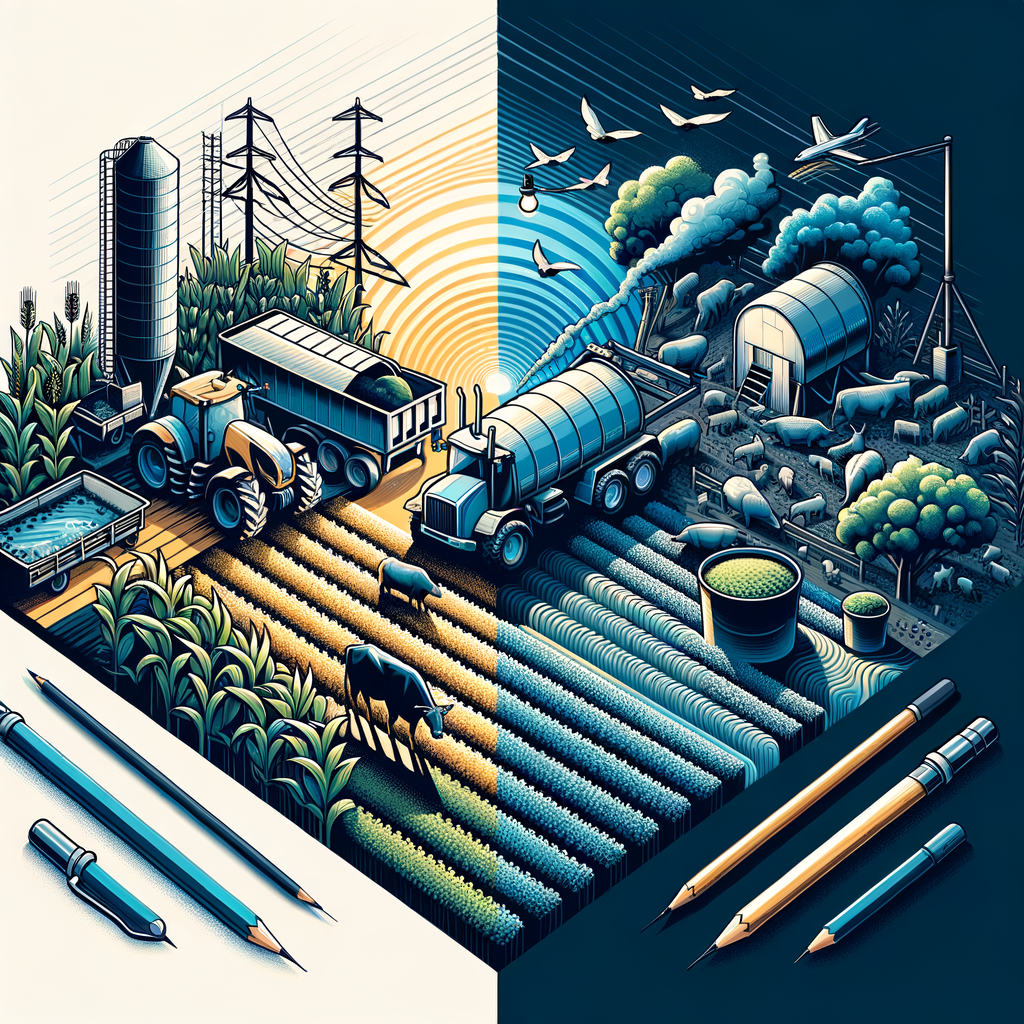
The world is facing a climate crisis, and agriculture plays a substantial role in this environmental challenge. As the demand for food grows with an increasing population, agricultural practices have intensified, leading to significant contributions to climate change. While agriculture is essential for human survival, it is crucial to examine how certain agricultural practices exacerbate the climate crisis. Understanding these contributions can drive innovations and changes necessary to mitigate environmental impact while maintaining productive farming systems. In this article, we delve into the various agricultural practices contributing to climate change, emphasizing the need for sustainable alternatives.
Agriculture is intimately connected to the environment through extensive interactions with natural resources. However, certain conventional practices in agriculture have massive implications for climate change, primarily through greenhouse gas emissions. Carbon dioxide, methane, and nitrous oxide are the main greenhouse gases linked to farming. These gases trap heat in the earth’s atmosphere, leading to global temperature increases. The importance of examining agricultural practices can not be overstated in the context of climate change, given that agriculture contributes to a significant percentage of global greenhouse gas emissions.
The primary culprits in agriculture contributing to climate change include deforestation for land clearing, livestock rearing, rice cultivation, and excessive use of chemical fertilizers. Furthermore, the link between agriculture and climate change is cyclic; the impacts of climate change also have detrimental effects on agricultural productivity and can exacerbate food insecurity worldwide. As farmers adapt to changing climates, shifts in crop types and farming locations might further strain resources.
In addressing agricultural contributions to climate change, it is imperative to strike a balance between meeting human dietary needs and maintaining environmental sustainability. Policymakers, researchers, and farmers must collaborate to reduce agriculture’s carbon footprint through innovation and responsible practices. Recognizing and transforming harmful agricultural practices could play a pivotal role in global climate mitigation efforts and ensure the sustainability of food production systems for future generations.
Deforestation and Land Use Changes
Deforestation is a significant agricultural practice that escalates climate change. Large areas of forests are cleared to create farmland, contributing to the loss of biodiversity and the release of stored carbon dioxide. Forests act as carbon sinks, absorbing carbon dioxide from the atmosphere. When trees are cut down, not only is this valuable carbon storage mechanism inhibited, but the carbon previously stored in trees is released back into the atmosphere. This release of carbon dioxide adds to the greenhouse effect, accelerating global warming.
Shifting agriculture, also known as slash-and-burn agriculture, is prevalent in certain regions, leading to deforestation. In areas where forests are rapidly cleared for short-term agricultural gain, the impact on the environment is profound. The cleared land, often used for crops or pasture, loses the ability to capture carbon effectively. The removal of permanent forests in favor of temporary agricultural use fails to compensate for the increased carbon emissions. As a result, deforestation for agriculture is a significant contributor to greenhouse gas emissions.
The conversion of land for agricultural use has cascading effects, from soil erosion to a loss of habitat for various wildlife species. Soil erosion reduces the fertility of the land, which can lead to a requirement for even more intense agricultural input, such as fertilizers, further intensifying its climate impact. Moreover, the destruction of habitats poses a threat to biodiversity. Forest ecosystems harbor a wide variety of plants, animals, and microorganisms, all essential for ecological balance. Their decline leads to the loss of ecosystem services that forests provide, including carbon sequestration and climate regulation.
Livestock Production and Methane Emissions
Livestock farming is another major agricultural practice that contributes to climate change, primarily through methane emissions. Methane is a potent greenhouse gas, with a much greater ability to trap heat compared to carbon dioxide, albeit over a shorter time frame. The digestive processes of ruminant animals, such as cattle and sheep, produce substantial amounts of methane. Enteric fermentation, a natural part of digestion in these animals, results in the release of methane gas as a by-product.
The global demand for meat and dairy products has led to the expansion of livestock farming, thus escalating methane emissions. With millions of cattle across the globe, the collective emission of methane from enteric fermentation is considerable. Furthermore, livestock manure management contributes additional methane emissions. When stored or treated under anaerobic conditions, such as in lagoons and holding tanks, manure produces methane emissions.
The feed used in livestock production also plays a role in methane emissions. Grain-based feed for cattle, rather than natural grazing on pasture, can increase methane production due to digestion inefficiencies. Furthermore, the production and transportation of animal feed are energy-intensive processes that further add to greenhouse gas emissions. The conversion of natural ecosystems into monoculture pastures for intensive livestock farming contributes to biodiversity loss and carbon emissions, making livestock production a multifaceted contributor to climate change.
Rice Cultivation and Methane Release
Rice cultivation, critical for feeding a large portion of the global population, is notable for its methane emissions. Paddy fields, where rice is grown under flooded conditions, create anaerobic environments in which organic matter decomposes and produces methane. The release of methane from flooded rice fields is a significant portion of agriculture’s contribution to greenhouse gases.
The traditional practice of flooding rice paddies is utilized for weed control and to ensure adequate water supply. However, these conditions favor anaerobic decomposition of organic materials, leading to methane emissions. As rice is a staple food for millions, particularly in Asia, this poses a considerable challenge because of the trade-off between emitting methane and maintaining rice production.
Improving irrigation management practices can help mitigate methane emissions from rice cultivation. Alternate wetting and drying, intermittent flooding, and other water management techniques can reduce the time rice paddies remain flooded, thereby decreasing methane emission potential. Additionally, the adoption of different rice strains and altered planting schedules can contribute to reducing methane emissions while maintaining rice yields. However, the adoption of such practices requires training for farmers, infrastructure development, and policy support.
Synthetic Fertilizers and Nitrous Oxide Emissions
The application of synthetic fertilizers is another agriculture-related practice that contributes significantly to climate change through nitrous oxide emissions. Nitrates in synthetic fertilizers can transform into nitrous oxide, a greenhouse gas with a significant warming potential. Nitrous oxide remains in the atmosphere for an extended period and has a greater impact on global warming compared to carbon dioxide.
Farmers apply fertilizers to enhance crop yields; however, excessive usage leads to runoff into water systems and promotes nitrous oxide emissions. The excessive application of nitrogen-based fertilizers results in the accumulation of nitrogen in the soil, which undergoes chemical processes, such as nitrification and denitrification, that generate nitrous oxide as a by-product.
Adopting precision agriculture techniques can help minimize the use of synthetic fertilizers while maintaining crop productivity. Precision agriculture involves using technology to optimize field-level management regarding crop farming. Implementing real-time data collection and strategic fertilizer application reduces nitrous oxide emissions. Organic fertilizers like compost and green manure present alternatives to synthetic fertilizers while improving soil health.
Conclusion
The undeniable need for agricultural productivity is at times at odds with global efforts to mitigate climate change. The described agricultural practices contribute significantly to the global burden of greenhouse gas emissions, exacerbating the climate crisis. However, it is essential to address these practices with sustainable alternatives, policy interventions, and technological innovations that focus on reducing the agricultural sector’s carbon footprint.
The transformation of agriculture to incorporate sustainable practices requires action on multiple fronts. Governments can support the transition by providing incentives for sustainable farming practices and ensuring minimal economic losses for farmers. International cooperation, research for sustainable technologies, and grassroots movements advocating for change are critical components of this global transformation. Moreover, repurposing agricultural waste, enhancing soil health, and restoring ecosystems are vital steps in ensuring that farming remains productive without worsening climate change.
A concerted effort towards sustainable agriculture, driven by farmers, scientists, and policymakers, will be pivotal in fighting climate change. The journey requires the balancing act of meeting human consumption demands while prioritizing environmental health. Only through such initiatives can agriculture contribute to climate mitigation efforts and guide humanity towards a more sustainable and resilient future.
Frequently Asked Questions
1. What agricultural practices are most responsible for contributing to climate change?
Agriculture contributes to climate change through several practices that release greenhouse gases into the atmosphere. Among the most responsible practices are:
Land Use Change: The conversion of forests into agricultural land, often for livestock grazing or crop cultivation, is a significant source of carbon emissions. When forests are cleared, stored carbon is released as carbon dioxide, adding to atmospheric concentrations.
Tillage: Traditional tilling of the soil for planting crops disturbs the soil structure, releasing carbon dioxide that was previously stored. No-till or reduced-till practices can help mitigate this issue.
Enteric Fermentation: This is the digestive process in ruminant animals, like cattle and sheep, that produces methane, a potent greenhouse gas. Altering livestock feed and improving pasture management can reduce emissions from this source.
Fertilizer Use: Synthetic fertilizers release nitrous oxide, another potent greenhouse gas, when applied to soils. Efficient use and alternative sources of fertilizers can decrease these emissions.
Paddy Rice Production: Flooded rice paddies create anaerobic conditions ideal for methane-producing bacteria. Adjusting water management and using alternate wetting and drying techniques can help lower these emissions.
2. How does livestock farming specifically contribute to climate change?
Livestock farming is a significant contributor to climate change, accounting for about 14.5% of all human-induced greenhouse gas emissions:
Methane Emissions from Enteric Fermentation: As previously mentioned, the digestive processes in ruminant animals like cows produce large amounts of methane, a greenhouse gas many times more effective at trapping heat than carbon dioxide.
Manure Management: The decomposition of animal waste generates methane and nitrous oxide emissions. Using biogas systems to capture these emissions for energy or compost can mitigate their environmental impacts.
Feed Production: Growing and processing animal feed consumes energy and often involves the use of fertilizers, contributing to emissions of carbon dioxide and nitrous oxide.
Deforestation for Grazing: To accommodate livestock farming, forests may be cleared, which diminishes the earth’s ability to absorb CO2 and releases significant amounts of carbon stored in trees and soil.
3. Why is the use of synthetic fertilizers seen as problematic in terms of climate change?
The use of synthetic fertilizers is problematic because it leads to the emission of nitrous oxide (N2O), a greenhouse gas roughly 300 times more potent than carbon dioxide:
Production Process: Manufacturing synthetic fertilizers is energy-intensive and relies heavily on fossil fuels, contributing to CO₂ emissions.
Application and Soil Emissions: Fertilizer application can lead to excess nitrogen in the soil, which microbes convert into nitrous oxide. The introduction of too much fertilizer can accelerate this process, increasing emissions.
Water Pollution: Excessive use of chemical fertilizers can lead to runoff, causing nutrient pollution in water bodies and resulting in algal blooms and dead zones, indirectly affecting climate systems through diminished aquatic ecosystems.
Adopting practices such as precision agriculture, using organic fertilizers, and promoting soil health can mitigate these negative impacts.
4. How does rice cultivation contribute to greenhouse gas emissions?
Rice cultivation contributes to greenhouse gas emissions, particularly methane, due to the specific conditions required for growing rice:
Flooded Fields: Rice paddies are typically flooded to suppress weeds and pests. This waterlogged state creates anaerobic (low-oxygen) conditions, ideal for methanogenic bacteria that produce methane as they decompose organic material.
Organic Material Decomposition: Straw and chaff from rice crops, when left to decompose in the soil under flooded conditions, further augment methane production.
To reduce emissions, farmers can implement water management practices like alternate wetting and drying (AWD), direct seeding of rice, and residue management techniques to decrease the direct emission of methane during cultivation.
5. Are any sustainable agricultural practices being used to mitigate climate change?
Yes, there are several sustainable agricultural practices already implemented across various farming systems to help mitigate climate change:
Agroforestry: Integrating trees and shrubs into crop and livestock farming systems helps sequester carbon, reduce soil erosion, and maintain biodiversity.
Conservation Tillage: Minimizing tillage helps improve soil structure, increase water retention, and sequester carbon, thereby reducing emissions from soil disturbance.
Organic Farming: This approach avoids synthetic fertilizers and pesticides, using crop rotations, composting, and green manures to maintain soil health and reduce greenhouse gas emissions.
Integrated Crop-Livestock Systems: By utilizing manure as fertilizer and optimizing animal diets, these systems can enhance productivity while simultaneously reducing emissions.
Sustainable Pasture Management: Rotational grazing and improved forage species can increase carbon sequestration and improve soil health, reducing the overall impact of livestock farming.
Adopting and promoting these practices globally through policy support and farmer education are crucial to making agriculture a part of the solution to climate change.