
Melting ice caps and rising sea levels are significant environmental challenges facing our planet today. As global temperatures continue to increase, the Arctic and Antarctic regions are experiencing unprecedented levels of ice melting. This phenomenon not only contributes to the increase in sea levels but also has numerous implications for global ecosystems, weather patterns, and human populations. Analyzing the causes and consequences of these changes is crucial for understanding how we can adapt and mitigate their impact. In this article, we will explore the profound relationship between melting ice caps and rising sea levels, diving into the scientific processes behind these trends and discussing the far-reaching consequences they pose to our environment.
To truly grasp the magnitude of these changes, we must first comprehend the mechanics of ice caps and glaciers. These massive ice formations are remnants of the last Ice Age, storing around 68% of the world’s freshwater. When they melt, the water released contributes directly to sea level rise. This situation becomes even more complicated when factoring in ice sheets in Greenland and the Antarctic, whose melting processes are accelerated by both natural and anthropogenic factors. The complexity of these processes underscores the urgent need for comprehensive scientific research and targeted policy responses. In the following sections, we will delve deeper into the mechanisms driving ice melt and subsequent sea level rise, explore their effects, and discuss potential strategies for mitigation and adaptation.
The Science of Ice Melting
One of the primary reasons ice caps and glaciers are melting is the increase in global temperatures, a result of anthropogenic climate change. As greenhouse gases, such as carbon dioxide and methane, are emitted into the atmosphere, they form a blanket that traps heat, leading to a warming effect known as global warming. This rise in temperature impacts polar regions disproportionately, causing the ice masses there to thin and melt at unprecedented rates. Additionally, polar amplification increases the Arctic’s sensitivity to temperature changes, which accelerates ice melt even further. Moreover, feedback mechanisms such as the albedo effect, where white ice surfaces that reflect sunlight give way to darker ocean surfaces that absorb more heat, further exacerbate the process.
Glacial melting is not merely a surface phenomenon; it occurs both above and below the ice. Surface melting can create pools of meltwater that enlarge crevices, facilitating faster ice fracturing and flow. Subglacial melting, however, occurs when ocean water warms and melts glaciers from below. As glaciers retreat, they contribute discharge directly to sea levels. This dual mechanism highlights the complex interactions between atmospheric conditions and the physical structures of glaciers themselves. Scientists have employed advanced technologies, such as satellite imagery and ground-based sensors, to monitor these phenomena closely, gathering data that is essential for predictive climate models.
Understanding Rising Sea Levels
Rising sea levels pose a significant threat to coastal ecosystems and human settlements. With projections indicating an increase potentially exceeding one meter by the end of the century, the consequences of rising sea levels are far-reaching. The primary contributors to sea level rise include thermal expansion, as warmer water expands and occupies greater volume, and the influx of meltwater from ice caps and glaciers. Furthermore, melting ice leads to lesser gravitational pull towards the poles, causing ocean water to be redistributed more evenly across the planet, thereby affecting low-lying and coastal areas disproportionately. This rise not only threatens ecosystems and biodiversity but also presents significant socio-economic challenges.
Coastal erosion, flooding, and saltwater intrusion are some of the immediate effects of rising sea levels, with severe repercussions for habitats and human communities. Low-lying islands and populated coastal cities are particularly vulnerable, facing potential loss of land, increased flood frequency, and storm surges. Infrastructure, agriculture, and water resources are under pressure as saltwater contaminates freshwater supplies, posing challenges for future planning. Additionally, the economic implications are staggering, as repair costs for damage and the implementation of protective measures, such as sea walls and levees, escalate.
Impact on Ecosystems and Biodiversity
The ramifications of melting ice caps and rising sea levels extend beyond human impacts; they also pertain to significant ecosystem disruption and loss of biodiversity. As ice habitats diminish, species that depend on them, such as polar bears, seals, and penguins, are at risk. These animals are losing crucial breeding and hunting grounds, leading to decreased population sizes and potential extinction threats. In marine ecosystems, changing temperature and salinity levels affect fish populations, disrupt food chains, and alter reproductive cycles. Corals, which are sensitive to temperature changes, experience bleaching events, threatening reef ecosystems that richly support marine biodiversity.
Moreover, migration patterns of many species are shifting as they seek out more favorable climates, resulting in further ecological imbalances. Such shifts may lead to invasive species outcompeting native flora and fauna, altering habitats. Additionally, wetlands and mangroves, which serve as natural buffers and breeding grounds, are affected by rising sea levels, their loss reducing natural coastal defenses and biodiversity. The cumulative loss in biodiversity destabilizes ecosystems, reducing their resilience to environmental changes and impacting human communities that rely on them for resources and livelihoods.
Socio-Economic Consequences
Melting ice caps and rising sea levels are not problems confined to isolated regions; they have widespread socio-economic consequences. Coastal communities face the direct risk of displacement due to flooding and loss of land. This situation translates to climate-induced migration, leading to an increase in environmental refugees, and potentially sparking geopolitical conflicts. Property damage, exacerbated insurance costs, and loss of land devaluation further strain economies. In low-income areas, these issues exacerbating poverty, making populations more vulnerable to future climate uncertainty.
Moreover, industries such as fisheries and tourism, which rely heavily on stable ecosystems, are severely impacted. The destruction of coastal habitats and loss of biodiversity pose direct threats to fish stocks and tourism revenue. Agriculturally, saltwater intrusion renders fertile lands saline, undermining crop yields and food security. As these industries falter, regional economies suffer, leading to increased unemployment and social inequality. Governments face the challenge of providing adaptation support, investing in infrastructure, and creating sustainable policies to combat these issues economically. Furthermore, the global economy faces repercussions as supply chains are disrupted and markets adapt to new climate realities.
Mitigation and Adaptation Strategies
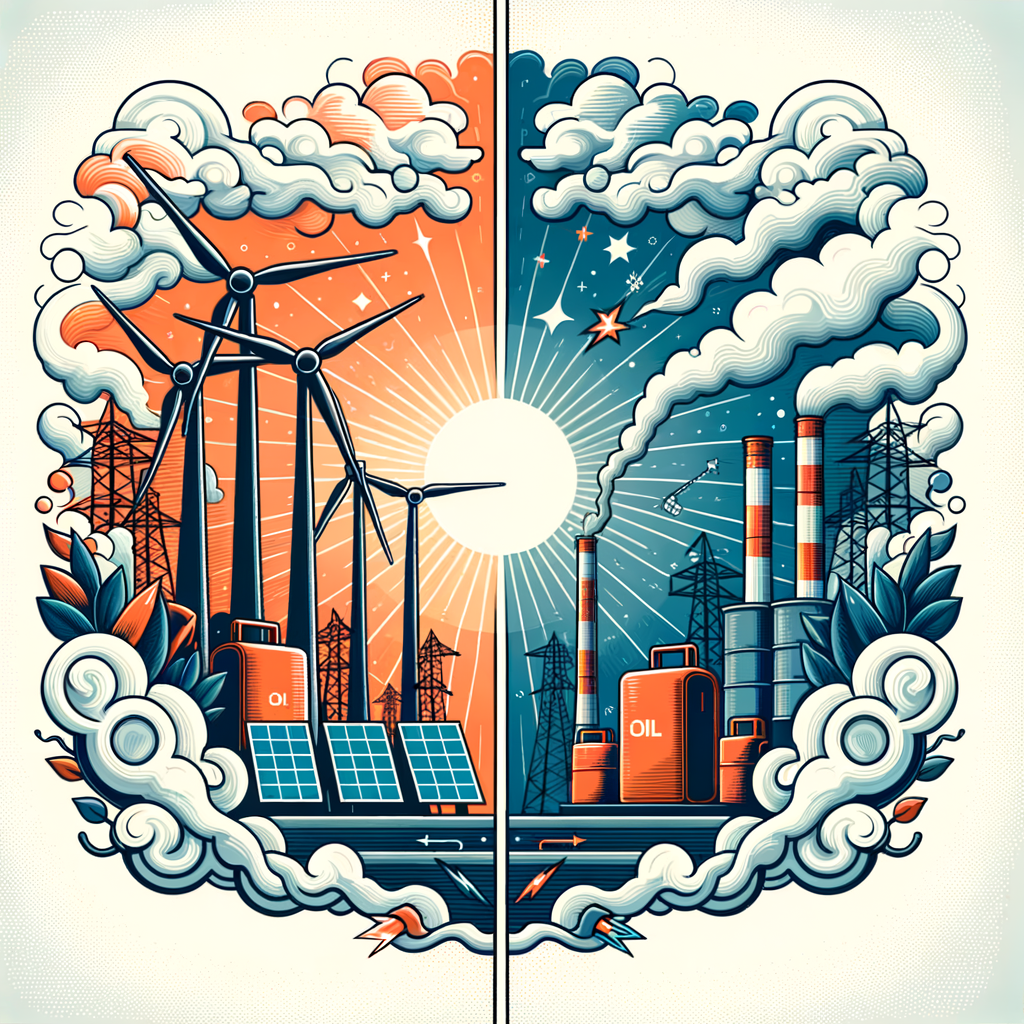
Addressing the challenges posed by melting ice caps and rising sea levels requires both mitigation strategies to reduce emissions and adaptation measures to manage impacts. A transition towards a low-carbon economy is essential for mitigating further climate change. This involves increasing energy efficiency, investing in renewable energy sources such as wind, solar, and geothermal power, and promoting sustainable practices across sectors. Policies such as carbon pricing and international agreements, like the Paris Agreement, aim to limit global warming and reduce greenhouse gas emissions. Additionally, reforestation and conservation efforts help sequester carbon, playing a crucial role in mitigation.
Simultaneously, adaptation strategies are necessary to manage unavoidable impacts. Governments must invest in resilient infrastructure to protect coastal areas, including building sea walls, restoring natural barriers like mangroves and coral reefs, and redesigning urban planning to incorporate climate resilience. Implementing early warning systems and disaster response plans can mitigate the humanitarian impact of flooding and storms. On an agricultural front, developing salt-tolerant crops and investing in efficient water management strategies can bolster food security in affected areas. International cooperation and financial support for vulnerable regions is key in supporting adaptation efforts, ensuring that all countries, regardless of economic status, can cope with climate-related changes.
Conclusion
Melting ice caps and rising sea levels are profound global challenges that demand immediate attention and action. Scientific evidence highlights the direct link between human activity and the accelerating pace of polar ice melt, contributing to sea level rise with extensive environmental and socio-economic repercussions. The complexity of these phenomena necessitates a multi-faceted approach, combining mitigation efforts to curb emissions with adaptation strategies to safeguard vulnerable regions and ecosystems. While individual actions can play a role, the collective effort of governments, organizations, and communities on an international scale is imperative to adequately address these issues.
The urgency lies not only in averting future crises but in managing the current and evolving impacts that are already being felt worldwide. Preparing for a sustainable future involves innovating new technologies, redirecting economic pathways, and fostering resilient communities that can withstand changing environmental dynamics. A commitment to both understanding and confronting the consequences of melting ice caps and rising sea levels ensures the preservation of our planet’s ecosystems, the protection of coastal populations, and the stability of global economies. With concerted action, we can navigate a pathway towards climate resilience, safeguarding the planet for future generations.
Frequently Asked Questions
What are the primary causes of melting ice caps?
The melting of ice caps is primarily driven by the increase in global temperatures, which is largely due to human-induced climate change. The combustion of fossil fuels, deforestation, and various industrial activities release significant amounts of greenhouse gases like carbon dioxide and methane into the atmosphere. These gases trap heat, akin to how a greenhouse works, leading to a gradual increase in global temperatures. The Earth’s polar regions, being highly sensitive to temperature changes, experience accelerated melting as a result. One must also consider the natural variations in climate, such as ocean currents and solar radiation influence, that can contribute to this melting. However, the speed and scale at which we are seeing ice melt today is unprecedented and overwhelmingly attributed to human activity.
How do melting ice caps contribute to rising sea levels?
Melting ice caps and glaciers contribute to rising sea levels through two primary mechanisms. First, when glaciers and ice caps on land melt, they discharge fresh water into the oceans, thereby increasing sea levels. It’s crucial to distinguish this from sea ice, which is already floating in the ocean; its melting does not significantly raise sea levels, similar to how an ice cube melting in a glass of water doesn’t change the water level. Second, as ocean temperatures rise, water expands—a process known as thermal expansion. This expansion further contributes to rising sea levels. The combined effect of these processes results in the observable global phenomenon of sea-level rise, which has alarmingly increased in pace over the past century.
What are the consequences of rising sea levels for humans and the environment?
Rising sea levels have profound effects on human populations and ecosystems. For coastal communities, the increasing sea level means a greater risk of flooding, erosion, and saltwater intrusion into freshwater supplies, which can cause substantial economic and social disruptions. Low-lying island nations and densely populated delta regions are particularly vulnerable and face potential displacement or loss of habitable land. From an environmental standpoint, rising waters can inundate critical habitats, threatening biodiversity. Marine life is impacted not just by habitat changes but also by alterations in salinity and temperature, affecting breeding and migration patterns. Additionally, these changes contribute to more extreme weather events, such as stronger hurricanes and typhoons, which exacerbate the vulnerabilities of ecosystems and human infrastructure.
How can we mitigate the impacts of melting ice caps and rising sea levels?
Addressing the impacts of melting ice caps and rising sea levels requires a comprehensive approach that includes both mitigation and adaptation strategies. Mitigation efforts focus on reducing greenhouse gas emissions by transitioning to renewable energy sources, improving energy efficiency, and enhancing carbon sinks through reforestation and improved land management practices. Policymakers are also encouraged to implement stronger environmental regulations and incentivize sustainable practices across industries. On the adaptation front, communities can invest in coastal defenses, such as sea walls and levees, and develop strategic plans to handle displacement and economic impacts. Furthermore, international cooperation is essential, as climate change is a global issue that transcends national borders. Through collaborative efforts and adherence to international agreements like the Paris Agreement, we can collectively work towards reducing our carbon footprint and building resilience against the inevitable changes.
What role do scientists and policymakers play in addressing the issue of melting ice caps and rising sea levels?
Scientists and policymakers play pivotal roles in addressing the challenge of melting ice caps and rising sea levels. Scientists are responsible for conducting critical research that enhances our understanding of climate systems, sea-level dynamics, and related environmental changes. Through comprehensive data collection and modeling, they help predict future scenarios and identify the most effective mitigation strategies. Policymakers, on the other hand, are tasked with translating scientific insights into actionable policies. They have the authority to enact legislation that limits emissions, promotes sustainable land use, and encourages technological innovation. Furthermore, policymakers must engage with international entities to advance global climate agreements, ensuring that nations cooperatively work towards common environmental goals. It is the synergy between scientific research and policy implementation that is essential for creating effective solutions to combat and adapt to the changes brought about by melting ice caps and rising sea levels.