Climate change is one of the most pressing issues facing the world today. It refers to significant, long-term changes in the temperature, precipitation, or wind patterns of the planet’s atmosphere. These shifts have far-reaching impacts on global weather patterns, influencing how and where we live, our economies, and even our food supplies. Understanding how climate change alters weather systems is crucial for preparing and mitigating its effects.
Scientists have put forward extensive evidence linking human activities, especially the burning of fossil fuels, deforestation, and industrial processes, to increased concentrations of greenhouse gases, such as carbon dioxide (CO2) and methane (CH4) in the atmosphere. This has led to global warming, which, in turn, triggers profound changes in meteorological dynamics. In this article, we’ll delve into the numerous ways climate change is reshaping global weather phenomena, with a focus on extreme weather events, altering precipitation patterns, and shifting seasons. We’ll also explore the potential socioeconomic implications and what can be done to adapt to and mitigate these changes.
Rising Temperatures and Heatwaves
One of the most immediate and noticeable effects of climate change is the increase in global temperatures. The Earth’s average temperature has risen by approximately 1.2 degrees Celsius since the late 19th century. This warming is not distributed evenly, with some regions experiencing higher temperature increases than others. The result is more frequent and severe heatwaves, affecting human health, agriculture, and ecosystems.
Heatwaves, defined as prolonged periods of excessively high temperatures, can lead to heat-related illnesses and even fatalities, especially among vulnerable populations such as the elderly and children. Moreover, they exacerbate drought conditions, dry out vegetation, and increase the risk of wildfires, thereby intensifying the impact on both the environment and human settlements. The urban heat island effect, where urban areas experience higher temperatures than their rural counterparts, is another consequence aggravated by climate change, further stressing infrastructure and public health systems in cities.
Changes in Precipitation Patterns
Climate change is also altering the patterns and intensity of precipitation around the world. According to the Intergovernmental Panel on Climate Change (IPCC), as the atmosphere warms, it can hold more moisture. This leads to an increase in the likelihood of heavy rainfall events, which can result in flooding. Conversely, some regions are experiencing reduced rainfall, contributing to prolonged drought conditions.
Floods and droughts both have devastating effects on societies. Flooding can destroy homes, infrastructure, and crops, leading to significant economic losses and displaced populations. Droughts, on the other hand, diminish water resources, impacting agriculture, drinking water supply, and power generation from hydroelectric plants. These shifts also affect biodiversity, as species unable to adapt to changing water conditions face increased risk of extinction. Additionally, altered precipitation cycles can disrupt traditional agricultural calendars, influencing global food security.
Intensifying Storms and Hurricanes
There is substantial evidence indicating that climate change is leading to more intense and possibly more frequent storms and hurricanes. Warmer ocean temperatures provide more energy for storm systems, making them stronger and more destructive. While the overall number of such storms may not significantly increase, their intensity and the damage they cause are greater.
Hurricanes and typhoons fueled by climate change bring heavier rainfall, higher storm surges, and stronger winds. These supercharged storms can destroy infrastructure, disrupt communities, and take human lives. Coastal regions and island nations are particularly vulnerable, facing the combined threats of storm surge and rising sea levels. Economic impacts are profound, as recovery from such disasters requires substantial financial resources and time. Furthermore, disruptions to marine ecosystems, fisheries, and coastal livelihoods are additional concerns resulting from these powerful storms.
Shifting Seasons and Wildlife Impacts
Seasonal shifts are another significant impact of climate change on global weather patterns. As temperatures rise, spring arrives earlier, and winters are becoming shorter and milder. These changes affect ecosystems and species that rely on specific seasonal cues for breeding, migration, and flowering.
Wildlife that depends on precise timing of seasonal events for survival is at risk. For instance, migratory birds may arrive at their destinations before the food sources they depend on are available, leading to population declines. Additionally, plant species might bloom earlier than usual, affecting pollination processes and leading to mismatches between flora and insects that have evolved to rely on these processes. Such disruptions in delicate ecological balances can have cascading effects throughout ecosystems, leading to losses in biodiversity and altering food webs.
Melting Ice and Rising Sea Levels
The warming climate is also causing ice sheets and glaciers to melt, contributing to rising sea levels. This phenomenon poses a serious threat to coastal communities worldwide. As sea levels rise, they lead to coastal erosion, increased flooding during high tides and storms, and loss of habitable land.
The melting of polar ice caps not only contributes directly to rising sea levels but also influences ocean currents and global climate systems. As ice in the Arctic and Antarctic melts, it releases freshwater into the ocean, which can disrupt established patterns of ocean circulation. This can, in turn, affect regional climates and weather patterns, sometimes leading to more extreme weather events.
Socioeconomic impacts of rising sea levels are significant. Coastal cities home to millions of people face increased risks and costs associated with building and maintaining sea defenses, elevating infrastructure, and potentially relocating populations. Additionally, as saltwater intrudes into freshwater aquifers, it jeopardizes drinking water supplies and agricultural productivity in affected regions.
Ocean Acidification and Marine Life
Climate change affects weather patterns not only through atmospheric changes but also via ocean processes. Increased CO2 concentrations lead to higher levels of carbon dioxide being absorbed by the oceans, causing ocean acidification. This change in ocean chemistry can have various impacts on marine life and weather systems.
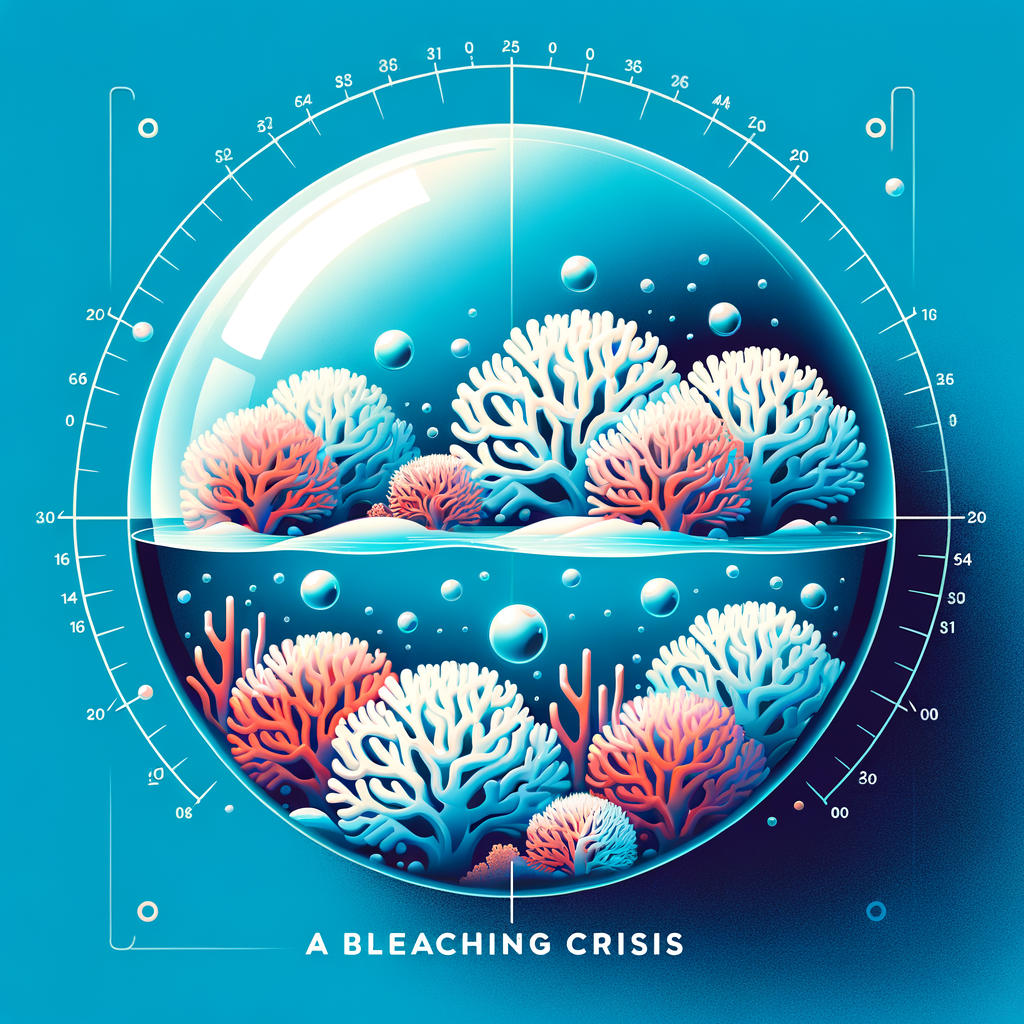
Acidic oceans weaken coral reefs, which are vital to marine ecosystems and act as natural storm barriers, thus altering weather defense systems in coastlines. The reduction in coral reefs further disrupts fish populations and threatens marine biodiversity. Furthermore, changes in ocean temperatures and acidification affect the marine food chain, impacting commercial fisheries and subsistence fishing communities globally.
These alterations in marine ecosystems ripple outward to affect weather patterns; for instance, changes in sea surface temperatures can influence weather systems, including the development and intensity of storms and hurricanes. As a result, the consequences of ocean acidification are multifaceted, demonstrating how closely interconnected climate change effects are between land, ocean, and atmosphere.
Socioeconomic Implications and Adaptations
Beyond the physical changes in weather patterns, climate change brings with it profound socioeconomic implications. The increasing frequency and severity of extreme weather events strain public resources, requiring greater investment in disaster preparedness, response, and recovery. Insurance industries face increased risks, potentially raising premiums or even limiting coverage in high-risk areas.
Food security is another critical concern, as altered weather patterns affect agricultural yields. Shifts in growing seasons, unreliable precipitation, and more frequent droughts and floods can lead to crop failures, reduced harvests, and increased prices. These changes disproportionately affect countries and communities that rely heavily on agriculture and do not have the resources to adapt quickly.
To address these challenges, a multi-faceted approach is necessary. Societal adaptations include investing in resilient infrastructure, developing weather-resistant crops, implementing efficient water management strategies, and building community preparedness plans. International cooperation and climate policies aimed at reducing greenhouse gas emissions are crucial to mitigating further climate impacts.
Public awareness and education play pivotal roles in driving policy change and encouraging sustainable practices. Governments, businesses, and individuals must engage in efforts that promote renewable energy, conservation, and sustainable development. By understanding and acting upon these interconnected facets of climate change, society can work towards minimizing impacts and securing a more stable environmental future.
Conclusion
The impact of climate change on global weather patterns is unmistakable and far-reaching, touching on nearly every aspect of human life and natural ecosystems. From rising temperatures to shifting seasonal patterns and intensifying storms, the ramifications are broad and significant.
Adaptation and mitigation are key strategies for managing these changes. They involve not only immediate responses to the risks but also long-term planning to build resilience into systems and infrastructure. Reducing carbon emissions is paramount to limiting future changes, requiring global cooperation and commitment. This includes transitioning to sustainable energy sources, conserving natural habitats, and embracing innovative technologies that reduce carbon footprints.
Public engagement and international policy must continue to evolve to address climate change effectively. By recognizing the urgent need for action and taking steps to understand and address the challenges, we can work towards sustaining a planet that remains hospitable to future generations. The journey toward resilience in a warming world may be challenging, but it is essential if we are to preserve our environment and way of life.
Frequently Asked Questions
1. What exactly is climate change?
Climate change refers to the long-term alterations in temperature, precipitation, and wind patterns on Earth. These changes can be traced to the increasing levels of greenhouse gases, resulting primarily from human activities such as burning fossil fuels and deforestation. The subsequent rise in Earth’s average temperatures and other climate shifts contributes to more extreme and varied weather events worldwide. Scientists have been meticulously studying these changes, relying on extensive data to establish clear links between human actions and climate shifts. This knowledge is vital in grasping the broader implications of climate change, which affect ecosystems, biodiversity, and human societies.
2. How does climate change influence global weather patterns?
Climate change significantly alters global weather patterns by affecting atmospheric conditions. As the planet warms, we see a host of changes, including more intense and frequent heatwaves, severe storms, prolonged droughts, and erratic precipitation patterns. Warmer air holds more moisture, leading to heavier rainfall and flooding in some regions. Conversely, in other areas, evaporation increases, leading to prolonged dry spells and drought conditions. This variability can disrupt seasonal cycles, making weather less predictable and impacting agriculture and water supply. The interaction between warming temperatures and altered precipitation patterns reshapes weather systems profoundly, compelling us to adapt and rethink our strategies for handling such extremes.
3. Are certain regions more affected by climate change than others?
Yes, climate change does not affect every region in the same way. Some areas are more susceptible due to their geographic and climatic conditions. For example, polar regions are warming at a rate about twice the global average, leading to ice melt and rising sea levels. Similarly, small island nations and coastal regions face higher risks due to rising seas and increased storm surges. In tropical zones, changes in rainfall patterns can lead to more intense wet and dry seasons, impacting agriculture and ecosystems. Meanwhile, parts of Africa, Asia, and Latin America are experiencing heightened vulnerability due to water scarcity and food insecurity triggered by altered weather systems. Understanding regional differences is crucial for implementing tailored adaptation and mitigation strategies.
4. How does climate change impact our daily lives?
The impacts of climate change permeate numerous aspects of daily life. Rising temperatures and shifting weather patterns influence agriculture, affecting food supply and prices. Extreme weather events—like hurricanes, floods, and wildfires—threaten infrastructure, homes, and livelihoods. Changes in precipitation and increased evaporation can lead to water shortages, affecting drinking water supply, sanitation, and industrial processes. Additionally, climate change can exacerbate health issues; for example, heatwaves can lead to heat-related illnesses, while increased air pollution can worsen respiratory conditions. Finally, the economic ramifications are significant, as recovery from weather-related disasters diverts resources and affects productivity. Recognizing these impacts helps us build resilient communities and economies.
5. What can we do to mitigate the effects of climate change on global weather patterns?
Mitigating the effects of climate change on weather patterns involves a multi-faceted approach, blending policy, technology, and individual action. Governments play a critical role by enforcing strict regulations to reduce greenhouse gas emissions and investing in renewable energy sources such as solar and wind power. On an individual level, adopting sustainable practices—like reducing energy consumption, utilizing public transport, and supporting eco-friendly companies—contributes significantly to mitigation efforts. Reforestation and conservation work are vital in enhancing carbon sinks, while technological innovations in carbon capture and storage offer promising solutions. Engaging in climate education and advocacy further empowers communities globally to demand action and drive positive change. Together, these efforts can slow the progress of climate change and buffer us against its most drastic weather-related impacts.