Industrialization, a transformative phase in human history, has been a driving force in shaping modern society. Stemming from the late 18th century, this process facilitated the transition from agrarian economies to industrial powerhouses. Industries sprouted in regions where resources like coal and iron were abundant, catalyzing growth and urbanization. However, with these advancements came profound environmental ramifications that unfolded over time. While industrialization marked an era of economic prosperity and technological progress, it also precipitated environmental challenges that persist today. Carbon emissions, deforestation, and pollution have marked the industrial landscape, contributing to climate change and biodiversity loss. Thus, understanding the inception of industrialization, its evolution, and its ecological impacts are paramount. Here, we delve into how industrialization has shifted global economic structures while altering ecosystems, seeking to comprehend the balance between industrial growth and environmental stewardship.
The Birth of Industrialization
Industrialization began in Britain around the mid-1700s, marking the First Industrial Revolution. This period was defined by the advent of machinery, most notably the steam engine, which revolutionized transportation and manufacturing. The textile industry was among the first to adapt to mechanized production, spurring economic growth and increased output. Factories started replacing small workshops, facilitating mass production and efficiency. This era also observed significant developments in iron and coal mining, essential to fueling machinery and transportation. As industries expanded, cities grew, drawing people from rural areas for employment opportunities. Urbanization became an apparent trend as factory jobs proliferated, creating dense populations in burgeoning industrial cities.
However, early industrialization lacked environmental awareness. Factories emitted smoke and soot, causing air pollution that wreaked havoc on urban health. The burning of coal, essential for energy, released large quantities of carbon dioxide, a greenhouse gas, into the atmosphere. Alongside air pollution, water bodies became recipients of industrial waste, profoundly polluting rivers and streams. Initially, these environmental consequences were overlooked, with economic growth taking precedence over ecological well-being. The industrial boom offered job creation, enhanced living standards, and technological innovation, emblematic of progress during the period.
Transition to the Second Industrial Revolution
The Second Industrial Revolution, from the late 19th to early 20th century, saw the dawn of electricity, petroleum, and steel. Unlike the first phase, this revolution significantly diversified industrial production, extending its reach globally. Electricity offered cleaner and more efficient energy alternatives, garnished with innovations like the electric light bulb and telegraph. The steel industry matured, facilitating advances in construction and transportation, integral to burgeoning industrial hubs worldwide. Simultaneously, automobile industries burgeoned, transforming transportation significantly.
Despite technological advances, environmental degradation continued. The reliance on fossil fuels like petroleum exacerbated air quality issues. Automobiles and industrial processes amplified greenhouse gas emissions, intensifying global warming concerns. Deforestation became rampant as industries required more raw materials, leading to habitat destruction and biodiversity loss. Toxic substances, a byproduct of industrial processes, filtered into ecosystems, affecting wildlife and human health. Awareness around these impacts grew, leading to burgeoning environmental movements in response to unchecked industrial expansion.
Environmental Consciousness and Regulatory Measures
Post World War II, the globe waded through rapid industrial expansion, advancing economies drastically. However, the environmental impacts had manifested glaringly, prompting legislative and regulatory measures aimed at mitigating these effects. The mid-20th century heralded a wave of environmental consciousness. Notable was the publication of Rachel Carson’s “Silent Spring” in 1962, spotlighting the adverse effects of pesticides on ecosystems. This sparked a broader environmental movement, catalyzing the establishment of environmental agencies and conservation efforts.
Governments worldwide began enacting laws to protect air and water quality, regulate waste disposal, and conserve natural resources. The establishment of agencies, such as the US Environmental Protection Agency (EPA) in 1970, underscored a commitment to addressing environmental challenges. Policies on emissions standards, waste management, and sustainable practices became prevalent, reflecting a shift towards more conscientious industrial activities. Environmental advocacy gained momentum, urging businesses to adopt eco-friendly practices, supported by the rise of corporate social responsibility (CSR).
Globalization and Industrial Impact
The late 20th century saw globalization permeating industrial landscapes, leading to a global interconnection of economies and industries. Advances in technology, communication, and transportation facilitated this unprecedented integration, allowing industries to operate cross-border, optimizing resources and market reach. Globalization propelled industries further into developing nations, with companies outsourcing to capitalize on lower labor costs and abundant resources. This led to increased industrial activities globally, altering local economies, social structures, and environments.
While globalization propelled economic growth, it exacerbated environmental pressures. Countries experienced increased natural resource extraction, deforestation, and biodiversity loss. Carbon emissions rose as industries expanded their operational scale, contributing to global climate change. The industrial shift to developing regions often outpaced local environmental regulations, leading to environmental exploitation. This evoked international discussions and collaborations, emphasizing sustainable development and innovative solutions to balance industrial growth with environmental preservation.
Initiatives like the Kyoto Protocol and the Paris Agreement reflect a global consensus on tackling industrial emissions and climate change collaboratively. With industries expanding beyond borders, shared responsibility and global strategies became pivotal. Technology transfer and international investment in green technologies aimed to promote more sustainable industrial practices, reinforcing the need to protect environmental health whilst embracing economic progress.
The Role of Technology in Mitigating Environmental Impact
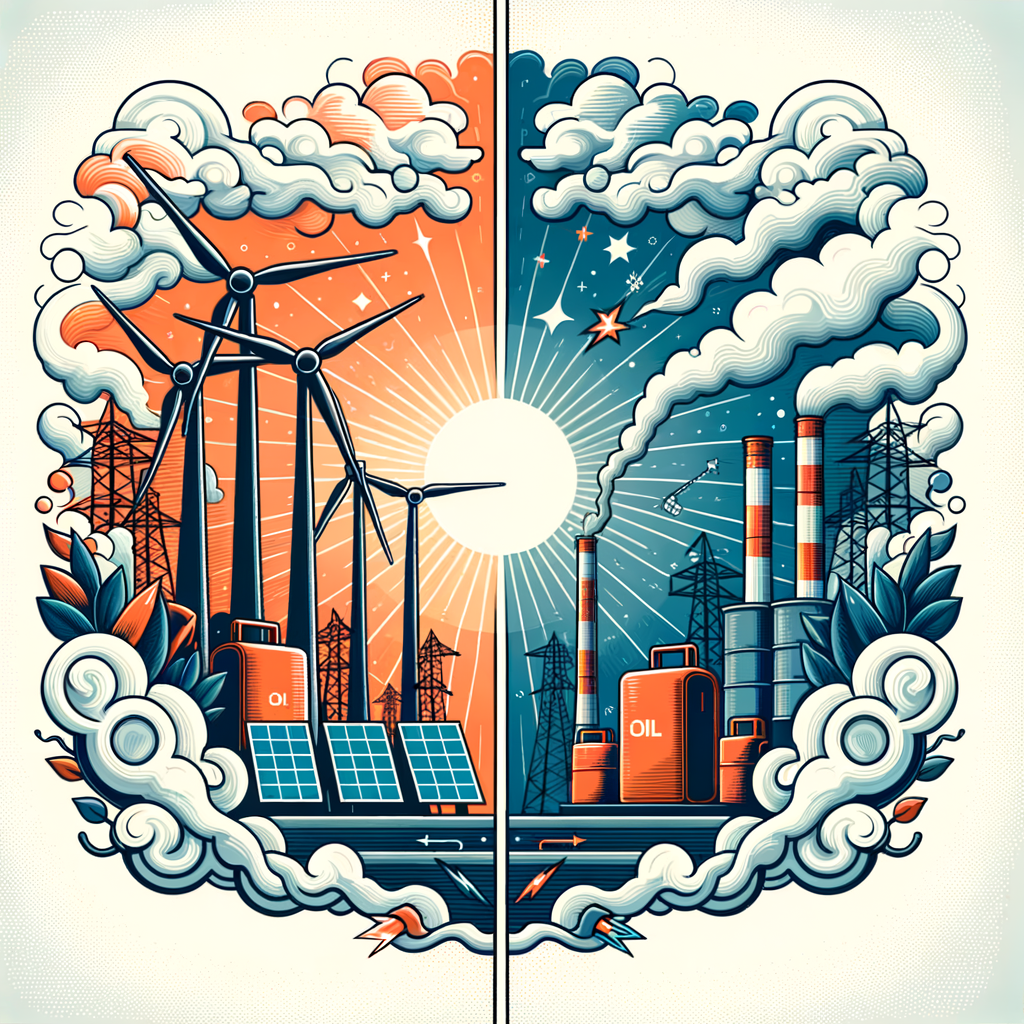
Technology innovation plays a crucial role in mitigating the environmental impact of industrialization. From pollution control technologies to sustainable manufacturing practices, technological advancements offer promising avenues for reducing industrial footprints. Renewable energy sources, such as wind, solar, and hydroelectric power, present viable alternatives to fossil fuels, reducing carbon emissions and enhancing energy sustainability. Advancements in carbon capture and storage (CCS) technologies offer prospects in limiting greenhouse gas emissions from industrial sources.
The rise of Industry 4.0, characterized by the integration of IoT (Internet of Things) and AI (Artificial Intelligence) in manufacturing, contributes to more efficient resource management and predictive maintenance, potentially reducing waste and energy consumption. Smart grids, electric vehicles, and sustainable supply chain practices, fueled by technological innovation, underscore a transformation towards greener industrial landscapes. These innovations align with global sustainability goals, urging industries to embrace technologies that conjoin progress and environmental health.
Encouragingly, cleaner technology investments and green innovations have gained traction, bolstered by governmental incentives and consumer pressure. The adoption of circular economy principles in industries—emphasizing recycling, reuse, and minimized waste—fosters holistic sustainable development. It underscores a pivotal transition toward industry practices that consider environmental responsibilities as integral to economic viability.
Conclusion
Industrialization has indisputably molded modern civilization, underpinning economic growth and technological progress. However, its journey has imparted significant environmental challenges, from pollution to climate change. As industries burgeoned worldwide, the ecological cost has persisted. An evolutionary trajectory toward understanding and mitigating the environmental impacts of industrialization has marked recent history, fostering regulatory measures and environmental consciousness globally.
The intertwining of industrial advancement and ecological stewardship underscores a complex but crucial balance. Addressing the environmental challenges borne from industrialization demands collective efforts from governments, industries, and civil societies. Promoting sustainable industrial practices, endorsing technological innovation, and adhering to environmental regulations remain seminal aspirations.
Ultimately, learning from the history of industrialization, society stands at a transformative junction. Embracing sustainability as a core tenet of industrial strategy can potentially lead to a harmonized future wherein economic and ecological values coexist. As we strive to rectify past environmental exigencies, our collective endeavor remains steadfast in fostering an industrial realm respectful of the natural world it inhabits.
Frequently Asked Questions
1. What is industrialization, and why did it become a crucial phase in human history?
Industrialization refers to the period when societies transitioned from primarily agrarian economies to ones characterized by the large-scale production of goods and services, primarily through the use of machines powered by energy sources such as coal. This phase began in the late 18th century and is vital because it marked a significant turning point that redefined how humans work and live. It enabled mass production, which made goods more accessible and affordable, and drastically improved transportation systems, communication, and overall productivity. Regions with ample resources like coal and iron became industrial hubs that catalyzed urban population growth, as more people moved from rural areas to cities, seeking better economic opportunities. However, this massive shift, which laid the groundwork for the modern economic landscape, did not come without environmental costs. Over time, the industrial processes led to pollution, deforestation, and a significant increase in greenhouse gases that continue to impact our planet today.
2. What were the main environmental impacts of industrialization, and how have they evolved over time?
Industrialization has left a profound environmental footprint. Initially, the demand for energy led to large-scale extraction of coal, causing deforestation and the displacement of natural habitats. The combustion of coal for steam and power released massive amounts of carbon dioxide and other pollutants, contributing to air pollution and climate change. Over time, as industries grew, so did the emission of toxic runoffs into rivers and the disposal of waste into the environment. These practices exacerbated water and soil pollution, threatening countless ecosystems. The depletion of resources like forests and water became more pronounced as industrial activity persisted into the 20th and 21st centuries. Notably, the rise of the automobile and expanded transportation networks resulted in more fossil fuel consumption, further intensifying environmental burdens. Despite increased awareness and technological advances in cleaner energy, the environmental challenges sparked by industrialization remain significant and require continuous global cooperation and innovative solutions to mitigate them effectively.
3. How did industrialization contribute to urbanization, and what are the environmental implications of this trend?
Industrialization directly fueled urbanization by creating economic centers around factories and industries that attracted workers from rural areas. Cities expanded rapidly to accommodate the influx of people, resulting in the rise of building construction and infrastructure development to support the growing urban populations. This shift reduced the land available for agriculture and natural ecosystems as cities sprawled into surrounding areas. The concentration of population and industries in urban spaces led to increased resource consumption and waste production. One of the stark environmental implications of this urban expansion is pollution—air, water, and noise pollution became rampant as cityscapes burgeoned without adequate policy or technological solutions in place. Urban areas have also faced issues such as the heat island effect, where concentrated human activities and infrastructure result in higher temperatures compared to surrounding rural areas. As humanity seeks to balance development with environmental sustainability, focusing on green urban planning and eco-friendly public transportation projects are crucial actions to offset these impacts.
4. What role has industrialization played in climate change, and how can its effects be mitigated?
Industrialization has significantly accelerated climate change by drastically increasing the levels of greenhouse gases in the atmosphere. Initially, industrial activities relied heavily on fossil fuels like coal and later, oil and gas, both of which when burned, release substantial amounts of carbon dioxide—a primary contributor to global warming. Manufacturing processes, construction, and deforestation for industrial expansion further compounded the problem by releasing other potent gases like methane and nitrogen oxides, all contributing to the greenhouse effect. Mitigating the effects of industrialization on climate change requires a multi-faceted strategy. Transitioning to renewable energy sources such as wind, solar, and hydropower at both national and industrial scales is crucial. Implementing energy efficiency practices across industries, promoting sustainable agricultural practices, reforestation projects, and innovating carbon capture and storage technologies can also aid in addressing these issues. Global cooperation, through agreements like the Paris Agreement, plays a vital role, urging nations to commit to reducing emissions and setting policies that incentivize sustainable industrial progress.
5. How have societies adapted to the negative environmental impacts of industrialization, and what more can be done?
Over time, as the environmental consequences of industrialization became apparent, societies began devising practices and policies to mitigate these impacts. Regulations were introduced to limit emissions from factories and industrial plants, while efforts to improve waste management and water treatment infrastructure helped reduce ecological damage. Adoption of cleaner technologies, like renewable energy systems and pollution control devices, represents a significant stride towards sustainability. International agreements such as the Kyoto Protocol and the Paris Agreement have emphasized the global nature of environmental challenges, prompting collective action. However, further efforts are essential to address the lingering and emerging environmental issues stemming from industrialization. Advancing research into sustainable materials, enhancing public transportation networks to cut down on individual car use, and incorporating environmental education to raise awareness and encourage responsible behavior can lead to long-lasting benefits. Involvement in community-based conservation projects and fostering innovation in green technology also remain essential avenues to achieve a more balanced relationship between industrial progress and environmental stewardship.