In recent years, the consequences of climate change have become increasingly apparent worldwide. As global temperatures continue to rise, so does the urgency to address the issue. One effective strategy gaining momentum is carbon offsetting. Carbon offsetting programs are designed to compensate for greenhouse gas emissions by funding initiatives that reduce carbon dioxide and other greenhouse gases in the atmosphere. These programs offer a practical approach to mitigating climate change effects and have several benefits for individuals, businesses, and the environment. Understanding the advantages of carbon offsetting is crucial for those who wish to contribute to the fight against climate change. This article delves into the benefits of carbon offsetting programs, exploring how they work, the positive impacts they have on the environment, the economy, and society at large.
At its core, carbon offsetting is relatively straightforward. The basic principle involves calculating one’s carbon footprint and then investing in projects that reduce greenhouse gas emissions to counterbalance that impact. These projects range from renewable energy initiatives to reforestation efforts, each playing a crucial role in combating climate change. Despite the simplicity of the concept, the ripple effects of carbon offsetting are far-reaching and profound. With the increasing number of organizations and individuals participating in these programs, the cumulative impact can be significant. From reducing emissions and promoting sustainable development to encouraging conscious consumption, the benefits of carbon offsetting cannot be overstated. In this comprehensive exploration of carbon offsetting advantages, we will examine the economic, environmental, and social impacts of these programs and consider their potential to drive meaningful change on a global scale.
Carbon offsetting’s popularity is a testament to its effectiveness and potential. However, to appreciate its full impact, one must understand the details of how these programs work. By unraveling the various facets of carbon offsetting, we can better appreciate its significance and encourage more widespread adoption. With that in mind, let’s delve deeper into the multitude of benefits carbon offsetting programs bring to our planet, economy, and communities.
Environmental Benefits
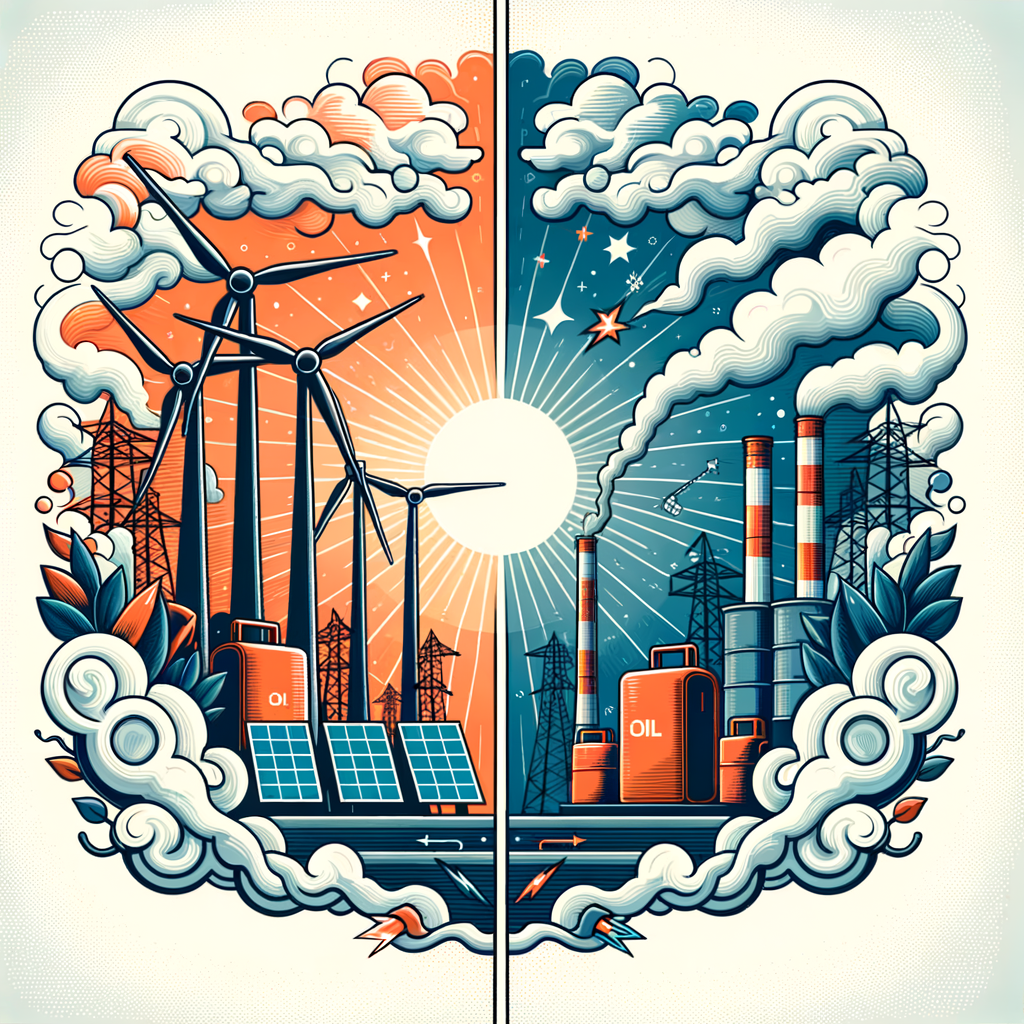
Carbon offsetting programs have a direct and measurable impact on the environment. By funding projects that actively remove or prevent carbon dioxide emissions, these programs contribute to a reduction in global greenhouse gas levels. Renewable energy projects, such as solar, wind, and hydroelectric power, are some of the most common initiatives funded through carbon offsets. These projects replace fossil fuel-based energy sources, significantly reducing carbon emissions. By supporting renewable energy, carbon offsetting programs help transition the world towards cleaner, more sustainable energy solutions.
Reforestation and afforestation projects are another category of carbon offset initiatives that offer substantial environmental benefits. Trees naturally absorb carbon dioxide from the atmosphere, making forests one of the most effective carbon sinks on the planet. By restoring degraded lands and creating new forests, these projects enhance biodiversity, improve soil and water quality, and contribute to climate resilience. Limiting deforestation in critical areas further ensures the preservation of natural habitats and wildlife. The cumulative effects of these efforts help stabilize the global climate by balancing carbon levels in the atmosphere.
Carbon offsetting also plays a role in the conservation of natural ecosystems. Many offset projects prioritize the protection of crucial habitats, preserving biodiversity in endangered areas. Ocean conservation initiatives focus on ecosystems like mangroves, seagrasses, and coral reefs, which are essential for carbon sequestration. By funding projects that protect and restore these ecosystems, carbon offsetting helps mitigate climate change while safeguarding the natural resources that support human life and biodiversity.
Economic Benefits
In addition to their environmental impact, carbon offsetting programs offer several economic advantages. By creating and supporting sustainable industry sectors, these initiatives drive economic growth and job creation. Renewable energy projects, for example, require a substantial workforce for the design, installation, and maintenance of infrastructure. As demand for renewable energy increases, so does the need for skilled labor, leading to job opportunities in sectors like manufacturing, construction, and engineering. Economies that prioritize renewable energy through carbon offset programs can reduce reliance on foreign oil and adapt to fluctuating fossil fuel markets.
Carbon offsetting also provides economic benefits to local communities, particularly in developing regions. Reforestation and sustainable agriculture projects funded by these programs often target rural communities that rely heavily on local ecosystems for their livelihoods. By supporting these initiatives, carbon offsetting programs can enhance food security, improve land productivity, and provide alternative sources of income. Financial investment from carbon offsets can empower communities to develop sustainably, lifting them out of poverty while preserving their natural environment.
Furthermore, carbon offsetting programs can enhance corporate reputation, leading to increased customer loyalty and brand value. As climate change concerns grow among consumers, businesses that proactively address their carbon footprint can distinguish themselves from competitors. By offsetting their emissions, companies demonstrate a commitment to sustainability, which can attract environmentally-conscious customers and investors. This positive brand perception can result in increased market share, improved financial performance, and long-term business success.
Social Benefits
The social impact of carbon offsetting programs is significant, particularly in fostering sustainable development and enhancing quality of life. By funding projects that promote renewable energy, clean water access, and sustainable agriculture, carbon offsets contribute to the well-being of communities worldwide. Access to clean energy can revolutionize rural areas, where energy access may be limited or non-existent. Renewable energy projects can power homes, schools, and hospitals, improving health outcomes and educational opportunities while reducing reliance on harmful fossil fuels.
Improved access to clean water is another social benefit of many carbon offsetting initiatives. Projects that protect watersheds, restore wetlands, or promote water-saving technologies can ensure reliable water supplies for communities, reducing the risk of waterborne diseases and improving overall health conditions. These projects not only mitigate climate change but also empower communities to manage their water resources sustainably, leading to long-term social welfare improvements.
Education and capacity-building are vital components of many carbon offset projects. By providing training and resources, these programs help communities develop the skills needed to maintain and benefit from sustainable initiatives. Education programs on renewable energy, conservation techniques, and sustainable farming practices enable local communities to adapt to environmental changes and improve their livelihoods. Empowering individuals with knowledge and skills promotes self-sufficiency and fosters resilience in the face of climate challenges.
Encouraging Sustainable Practices
Carbon offsetting programs play a crucial role in promoting sustainable consumption and production practices. By encouraging individuals and organizations to take responsibility for their carbon footprint, these initiatives foster a culture of environmental consciousness. As more people become aware of their impact on the planet, they are likely to make more sustainable choices in their everyday lives. Carbon offsetting programs often provide educational resources and tools to help participants understand and reduce their emissions. This increased awareness can lead to more environmentally friendly behaviors, such as reduced energy consumption, waste minimization, and sustainable product choices.
The ripple effect of carbon offsetting extends beyond individual participants. By setting a standard for carbon responsibility, these programs inspire broader societal change. Businesses that adopt carbon offsetting practices often influence their supply chains to follow suit, leading to more sustainable practices throughout entire industries. As organizations and individuals embrace carbon offsetting, they contribute to a more sustainable economy, which prioritizes the efficient use of resources and minimizes environmental impact.
Conclusion
In conclusion, carbon offsetting programs offer a multitude of benefits that extend across environmental, economic, and social dimensions. By investing in projects that reduce or remove greenhouse gas emissions, these initiatives play a vital role in combating climate change and fostering sustainable development. From promoting renewable energy and conserving ecosystems to supporting local economies and enhancing quality of life, carbon offsetting programs have the potential to drive significant global change.
As climate concerns continue to grow, the importance of carbon offsetting becomes increasingly evident. By participating in these programs, individuals and organizations can take an active role in mitigating their carbon footprint and addressing the environmental challenges facing our planet. The positive impact of carbon offsetting extends beyond immediate emission reductions, contributing to a larger movement towards sustainability and environmental stewardship.
The future success of carbon offsetting programs depends on widespread participation and continued innovation. As more people recognize the benefits of these initiatives, they can drive further advancements in sustainable technologies and practices. By embracing carbon offsetting, we can work towards a healthier planet and a more sustainable future for generations to come.
Frequently Asked Questions
1. What is carbon offsetting, and how does it work?
Carbon offsetting refers to the process of compensating for carbon dioxide and other greenhouse gas emissions made by individuals, companies, or governments by investing in projects that reduce or absorb those emissions elsewhere. Essentially, carbon offsetting helps to balance out the emissions we produce by supporting activities that reduce an equivalent amount of carbon dioxide from the atmosphere. These activities range from tree-planting projects to renewable energy installations like wind and solar power. When you participate in offsetting, you purchase carbon credits equivalent to your emissions, which fund these environmental projects aimed at lowering the overall carbon footprint. The concept is relatively simple and serves as a bridge while we slowly transition to cleaner, more sustainable practices.
2. Why should individuals and businesses consider participating in carbon offsetting programs?
Considering carbon offsetting is an excellent step for both individuals and businesses wanting to take proactive measures in combating climate change. Firstly, it offers a direct way to make a positive environmental impact. By funding these programs, you contribute to reducing the global carbon footprint. Businesses particularly benefit because reducing their environmental impact can enhance their brand image and customer relations, satisfying growing consumer demand for sustainable practices. Moreover, participating in offsetting often stimulates innovation and efficiency within a company as it encourages optimization of energy use, reduced waste, and a look into more sustainable operations. For individuals, offsetting is a way to counterbalance their personal impact from activities like air travel or everyday energy use. It brings a sense of personal accountability and satisfaction knowing they’re contributing to a healthier planet.
3. How credible and reliable are carbon offset programs?
The credibility and reliability of carbon offset programs depend significantly on the standards they adhere to and the transparency of their operations. Reputable programs are generally verified by third-party organizations and adhere to international standards like the Verified Carbon Standard (VCS) or the Gold Standard which ensure that the emission reductions are genuine, measurable, and permanent. Investigating a program’s credentials and understanding its methods of tracking and accountability can assure their trustworthiness. The transparency in reporting and the demonstrable impact of a project are key indicators of its reliability. Additionally, some programs’ effectiveness are regularly monitored to ensure that their results are making the intended environmental benefits.
4. What types of projects do carbon offset programs typically fund?
Carbon offset programs fund a diverse array of projects all aimed at reducing greenhouse gas emissions. Common projects include reforestation and afforestation, which involve planting trees to absorb carbon dioxide; renewable energy projects, such as solar or wind farms, which replace fossil fuel energy sources with cleaner alternatives; and methane capture initiatives that prevent this potent greenhouse gas from entering the atmosphere. Additionally, programs may support energy efficiency improvements in industry and homes, transitioning to cleaner cookstoves, or protecting and restoring vital ecosystems like wetlands and grasslands. Each project type addresses emissions at different points in the cycle, focusing on immediate reductions alongside longer-term ecological health improvement, ensuring a comprehensive approach to carbon reduction.
5. Are carbon offsets enough to combat climate change, or should they be part of a broader strategy?
While carbon offsets are a valuable tool in the fight against climate change, they are not a standalone solution. Offsetting should be part of a broader climate action strategy that includes reducing direct emissions whenever possible. This means prioritizing energy efficiency, supporting renewable energy, and integrating sustainable practices in every possible area. Offsets do provide critical immediate benefits, allowing for emission reductions when other measures are not yet feasible. However, the larger goal should be a holistic approach where offsetting complements direct reduction efforts. Governments, corporations, and individuals need to act with a multipronged strategy that combines technological advancements, policy changes, lifestyle adjustments, and broader educational initiatives focused on sustainability to effectively curb the global rise in temperatures caused by climate change.