Climate change is one of the most pressing challenges facing our world today. Understanding its causes and impacts is crucial for developing effective solutions. Central to climate change discussions is the role of fossil fuels, which form the largest source of human-made greenhouse gases. Fossil fuels, including coal, oil, and natural gas, have powered the global industrial revolution and continue to drive economic development. However, their extensive use comes with a dire environmental cost. Burning fossil fuels releases a significant amount of carbon dioxide (CO2), a primary greenhouse gas that contributes to global warming. This introduction sets the stage for exploring the intricate relationship between fossil fuels and climate change, their environmental impacts, as well as potential pathways toward a more sustainable future. As we delve deeper into this topic, we will unravel how dependency on these energy sources leads to climate challenges and the broad ramifications for our planet. Through understanding this core issue, we can begin to shape responsive, impactful policies and innovations aimed at mitigating climate change. This exploration encompasses not only the mechanics of fossil fuels’ contributions to climate alteration but also a look at how society might transition to more sustainable energy paradigms.
The enormity of the challenge is matched only by the urgency with which it must be addressed. Economic incentives, political willpower, and technological advancements must converge in addressing this global issue. The complexity of the fossil fuel industry and its wide-reaching influence across various facets of life—from economic stability to geopolitical dynamics—makes it a formidable yet necessary topic for discussion. By examining fossil fuels’ role within the broader narrative of climate change, this article aims to enrich understanding and advocate for a future where clean, sustainable energy predominates.
The Environmental Impact of Fossil Fuels
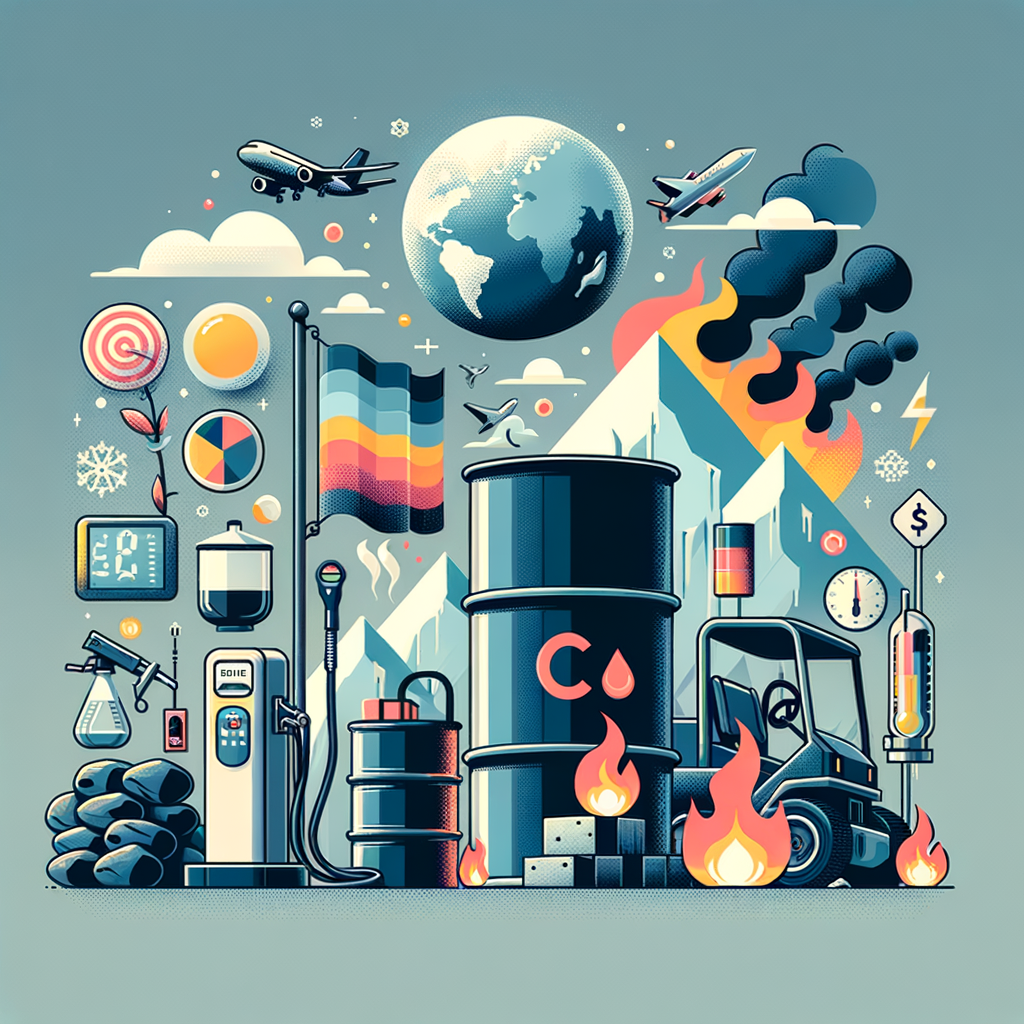
Fossil fuels, when burned, release a variety of pollutants. Chief among these is carbon dioxide (CO2), but the impact does not stop there. Other harmful emissions include methane (CH4), nitrous oxide (N2O), and various particulates that contribute to air pollution. These gases trap heat in the Earth’s atmosphere, leading to the greenhouse effect, which is at the core of global warming. The Intergovernmental Panel on Climate Change (IPCC) has unequivocally linked these emissions to rising global temperatures, melting polar ice, and sea level rise. Correctly assessing this impact requires understanding the extensive nature of fossil fuel usage. Globally, about 80% of energy consumption stems from these sources. The electricity generation, transportation, and industrial sectors are heavily reliant on them, making them the dominant CO2 emitter. On an industrial scale, extensive coal burning for electricity and oil combustion in vehicles contribute heavily to airborne particulates, which degrade air quality and cause respiratory issues for millions worldwide.
Apart from CO2 emissions, the extraction and processing of fossil fuels also pose serious environmental risks. Oil spills devastate marine ecosystems, and coal mining leads to habitat destruction as well as soil and water contamination. These processes alone show that the impact of fossil fuels on the environment is far-reaching, affecting both the atmosphere and terrestrial ecosystems. Additionally, methane, which is primarily released during natural gas extraction and transport, is over 25 times more effective than carbon dioxide at trapping heat over a 100-year period. Limiting emissions from these activities is crucial for climate mitigation efforts.
Fossil Fuels and Global Warming
Global warming is intrinsically linked to the levels of greenhouse gases in the atmosphere, of which CO2 is the most abundant compared to pre-industrial levels. Human activity has substantially increased these levels since the Industrial Revolution. As temperatures rise, we witness more frequent and severe weather events, such as hurricanes, droughts, and heatwaves. These occurrences not only have immediate catastrophic consequences but also long-term implications for biodiversity, agriculture, and human survival. The increase in average global temperatures is generally attributed to the enhanced greenhouse effect, predominantly driven by fossil fuel emissions.
The increased concentration of greenhouse gases in the atmosphere also leads to ocean warming and acidification, causing coral reef bleaching and jeopardizing marine life. The ice caps and glaciers are melting at alarming rates, leading to higher sea levels that threaten coastal communities. These climate phenomena highlight the daunting challenges we face with continued reliance on fossil-fuel based energy sources. Understanding the connection between fossil fuels and global warming is vital for developing strategies aimed at reducing emissions. As international agreements like the Paris Agreement target substantial reductions in greenhouse gas emissions, governments and industries must grapple with transitioning from fossil fuels to cleaner energy sources to meet these ambitious goals.
The Economic and Political Dimensions
The fossil fuel industry is a substantial part of the global economy, providing not only energy but also significant employment opportunities and fiscal revenues for many countries. This economic importance complicates efforts to reduce dependence on these energy sources. Countries like Saudi Arabia, Russia, and Venezuela are heavily reliant on oil exports, while the United States, China, and India depend significantly on coal for electricity production. The geopolitical dynamics of fossil fuels are complex. Energy supply security, trade tensions, and economic stability are intertwined with fossil fuel distribution and consumption. This reality has historically led to conflicts over resource control and continues to influence international relations.
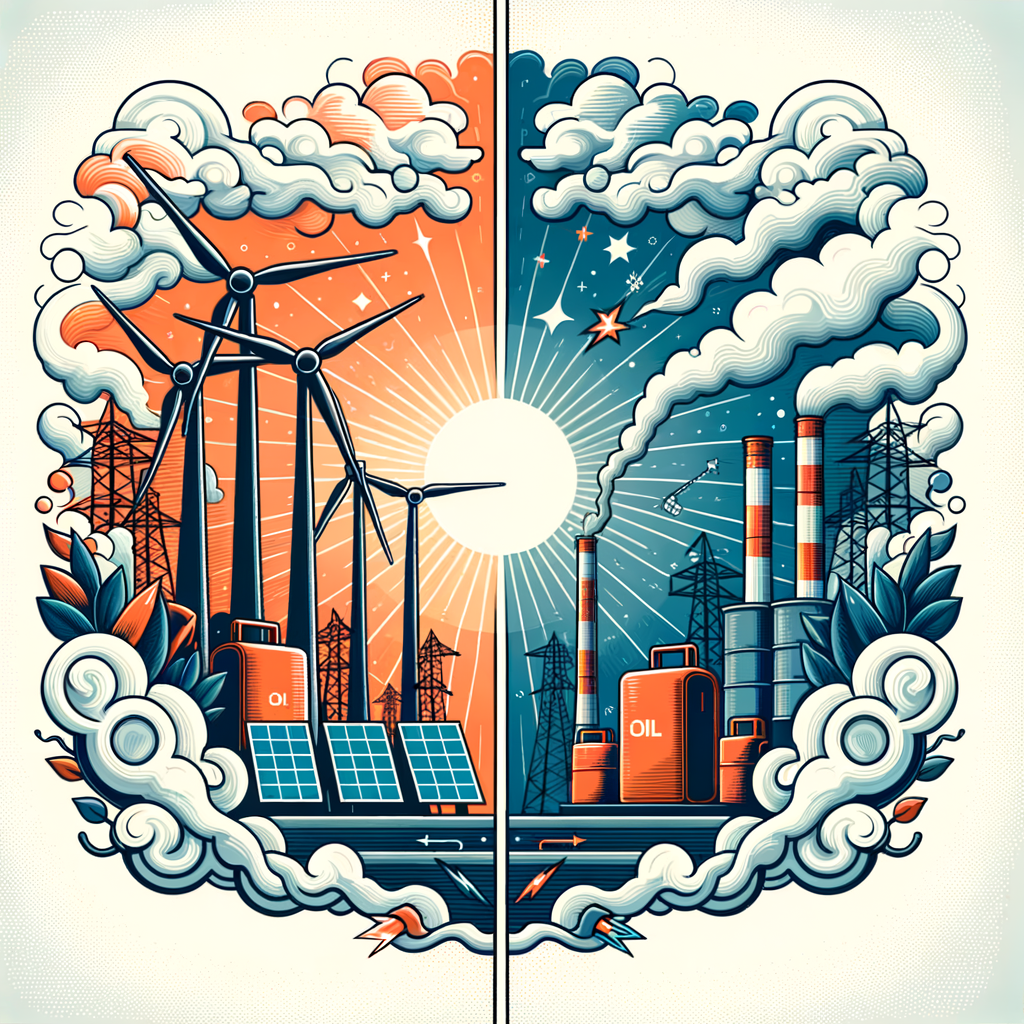
The transition away from fossil fuels therefore presents not only technical and environmental challenges but also economic and political hurdles. Policymakers must balance these concerns when crafting legislation to reduce carbon emissions. Renewable energy, such as solar and wind power, offers a path forward, but the transition requires heavy investment and structural changes in the energy sector. Financial incentives, such as subsidies for renewable energy and carbon taxes for fossil fuel emissions, are tools that can shift economic dynamics toward cleaner energy solutions. However, without addressing the political dimensions that sustain fossil fuel dependency, achieving global climate targets remains difficult.
Efforts and Challenges in Fossil Fuel Reduction
Various international and national efforts are underway to reduce fossil fuel dependence and to mitigate their impact on climate change. Policies intended to decrease emissions include adopting cleaner technologies, improving energy efficiency, and expanding renewable energy sources. Carbon pricing, including taxes and cap-and-trade systems, is one approach to incentivize reductions. Moreover, there are ambitious investment strategies in place for renewable energy infrastructure. Yet, transitioning from fossil fuels to zero-carbon alternatives is fraught with technical and economic challenges. The energy infrastructure currently in place worldwide is predominantly designed for fossil fuels, necessitating widespread reconfiguration and innovation to accommodate alternative sources. Gradual phasing out, significant capital investments, and technological breakthroughs are essential parts of this energy transition.
Resistance from industries that have flourished under the fossil fuel regime further complicates efforts. These industries leverage their economic clout to influence policies and delay transitions. Additionally, shifts in employment patterns, as industries transition from fossil fuels to renewables, require carefully managed workforce retraining programs to mitigate economic disruptions. Globally coordinated efforts, renewed commitments to climate accords, and engagement with private sector innovators are necessary to surmount these hurdles. As the world increasingly acknowledges the necessity of reducing fossil fuel dependency, a combination of technological, economic, and legislative solutions must be employed to address current obstacles, magnifying the need for cooperation and action across international borders.
Renewable Energy as an Alternative
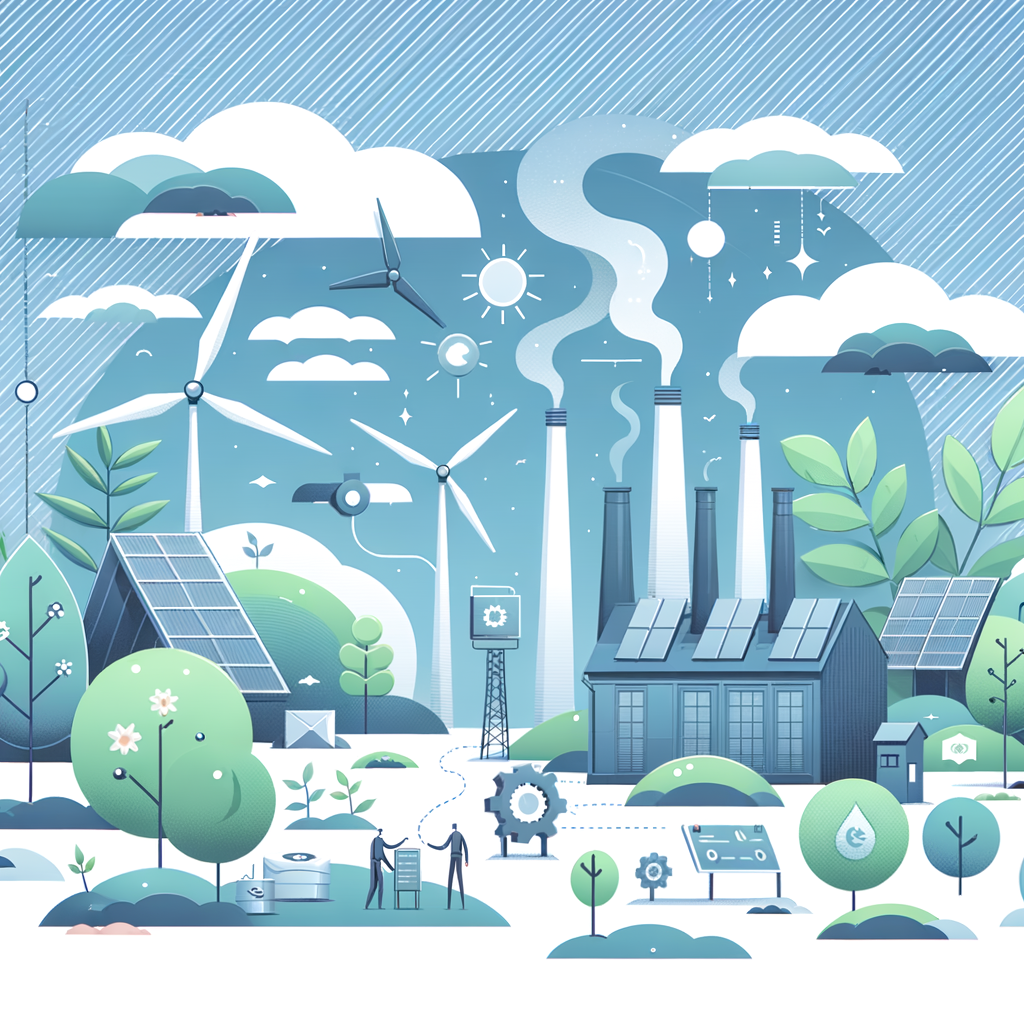
Renewable energy is widely seen as the cornerstone of climate change mitigation. Technologies harnessing solar, wind, hydroelectric, and geothermal power present clean, sustainable alternatives to fossil fuels. Unlike fossil fuels, renewable energy sources do not emit large amounts of greenhouse gases and are inherently more sustainable because they draw upon resources that are naturally replenished. As technology advances and production scales up, the cost of renewable energy continues to fall. In many regions, renewables are now the most cost-effective energy options available, offering competitive pricing against traditional fossil fuels. Economies of scale and technological advancements have facilitated a rapid adoption rate globally, enabling countries to diversify their energy portfolios.
The transition to renewable energy also offers additional benefits, such as improved energy security and potential economic growth through the creation of new industries and jobs. However, implementing renewable energy systems on a massive scale to replace fossil fuels involves overcoming significant obstacles. Energy storage technology, grid infrastructure overhaul, and initial investment costs are areas needing advancement. Scaling renewable energy solutions necessitates sustained investment in technological innovations such as advanced battery storage systems and smart grid technology to ensure stable energy supply lines. Governments play an essential role through supportive policies, research funding, and international collaboration to overcome these challenges. As society moves increasingly toward renewable options, the once dominant role of fossil fuels is poised to decline significantly over the coming decades.
Conclusion
The pivotal role fossil fuels play in climate change underlines the urgency of transitioning toward sustainable energy alternatives. Amidst growing environmental concerns and international climate objectives, the path forward hinges on substantial transformations in global energy systems. Fossil fuels have undeniably propelled human development and economic growth. However, the environmental cost necessitates an urgent pivot to combat climate change. Transitioning to a renewable-driven society involves managing economic shifts, overcoming geopolitical tensions, and investing significantly in technological and regulatory advancements. Policymakers, industries, and communities are tasked with balancing these complex factors while safeguarding livelihoods and ensuring energy accessibility.
Progress has been made through international agreements like the Paris Accord, yet accelerating change is imperative. Renewable energy emerges as the most promising solution, with advancements making way for widespread adoption. Skilful management of economic transitions and political landscapes will ensure a seamless shift toward renewable energy. Moreover, individual and collective actions at all societal levels will be crucial in driving the momentum toward a greener future. Comprehensive climate policies facilitating fossil fuel reduction and renewable adoption can help reconcile energy needs with environmental preservation. Proactive measures can achieve an equilibrium between advancing industrial progress and ensuring environmental sustainability. Acknowledging and mitigating fossil fuels’ role in climate change will enable societies to undertake decisive actions, fostering a more resilient and sustainable planet for future generations.
Frequently Asked Questions
1. What are fossil fuels and how do they contribute to climate change?
Fossil fuels are natural substances made from decomposed plants and animals buried beneath the earth’s surface for millions of years. They include coal, oil, and natural gas and are used extensively to produce energy for industrial, commercial, and personal purposes. The burning of fossil fuels releases large quantities of greenhouse gases (GHGs) like carbon dioxide (CO2), methane (CH4), and nitrous oxide (N2O) into the atmosphere. When these gases accumulate, they create a ‘greenhouse effect,’ trapping heat from the sun and leading to a rise in global temperatures. This increase in temperature is a major driver of climate change, leading to extreme weather patterns, rising sea levels, and a multitude of other environmental impacts.
2. Why do we continue using fossil fuels despite their impact on climate change?
Fossil fuels continue to play a significant role in the global economy because they are currently the most established and accessible source of energy. Over centuries, infrastructure, technology, and economies have been developed around fossil fuel use, making it a challenging transition to shift to alternative energy sources. Fossil fuels have powered the industrial revolution and continue to be pivotal for economic development, especially in developing nations. They provide a steady and often cheaper energy supply compared to some renewable options. However, this reliance comes at a high environmental cost, and many believe the long-term benefits of transitioning to cleaner energy outweigh the convenience of continuing with fossil fuels.
3. What are the specific greenhouse gases produced by fossil fuels and their effects?
The most prominent greenhouse gas produced by fossil fuels is carbon dioxide (CO2), accounting for a significant portion of total emissions. CO2 has a long lifespan in the atmosphere, ranging from decades to thousands of years, meaning its effects are long-lasting. Methane (CH4), primarily emitted during the production and transport of coal, oil, and natural gas, is far more effective at trapping heat than CO2, albeit with a shorter atmospheric presence. Nitrous oxide (N2O), though emitted in smaller quantities, is a potent gas with a significant warming effect per molecule. These gases contribute to global warming, leading to changes in weather patterns, ice melts in polar regions, ocean acidification, and various ecological disruptions.
4. How are fossil fuel emissions measured and regulated?
Fossil fuel emissions are measured in terms of the amount of CO2 and other greenhouse gases released into the atmosphere. Scientists and environmental agencies use complex modeling, satellite observations, and ground-based data collection to estimate emissions. Regulation of fossil fuels and their emissions occurs at multiple levels, including international agreements like the Paris Agreement, which sets binding commitments for countries to reduce GHG emissions. National and local governments implement regulations such as carbon pricing, taxes, and emissions trading systems to incentivize reductions. Despite these efforts, progress depends heavily on political will, technological advancements, and international collaboration in transitioning to renewable energy sources.
5. What can be done to reduce the impact of fossil fuels on climate change?
Transitioning away from fossil fuel dependence and toward renewable energy sources is widely seen as a crucial strategy in addressing climate change. This can be accomplished by investing in and developing solar, wind, hydroelectric, and other renewable energy technologies. Additionally, improving energy efficiency in buildings, transportation, and industries can significantly reduce fossil fuel consumption. Supporting policies that promote carbon pricing, subsidies for renewable energy, and the phasing out of existing fossil fuel subsidies also drive the transition. On a smaller scale, individuals can contribute by reducing energy use, advocating for policies supporting renewable energy, and investing in sustainable practices. The concerted efforts of governments, businesses, and individuals are necessary to mitigate the adverse effects of fossil fuels on our climate.