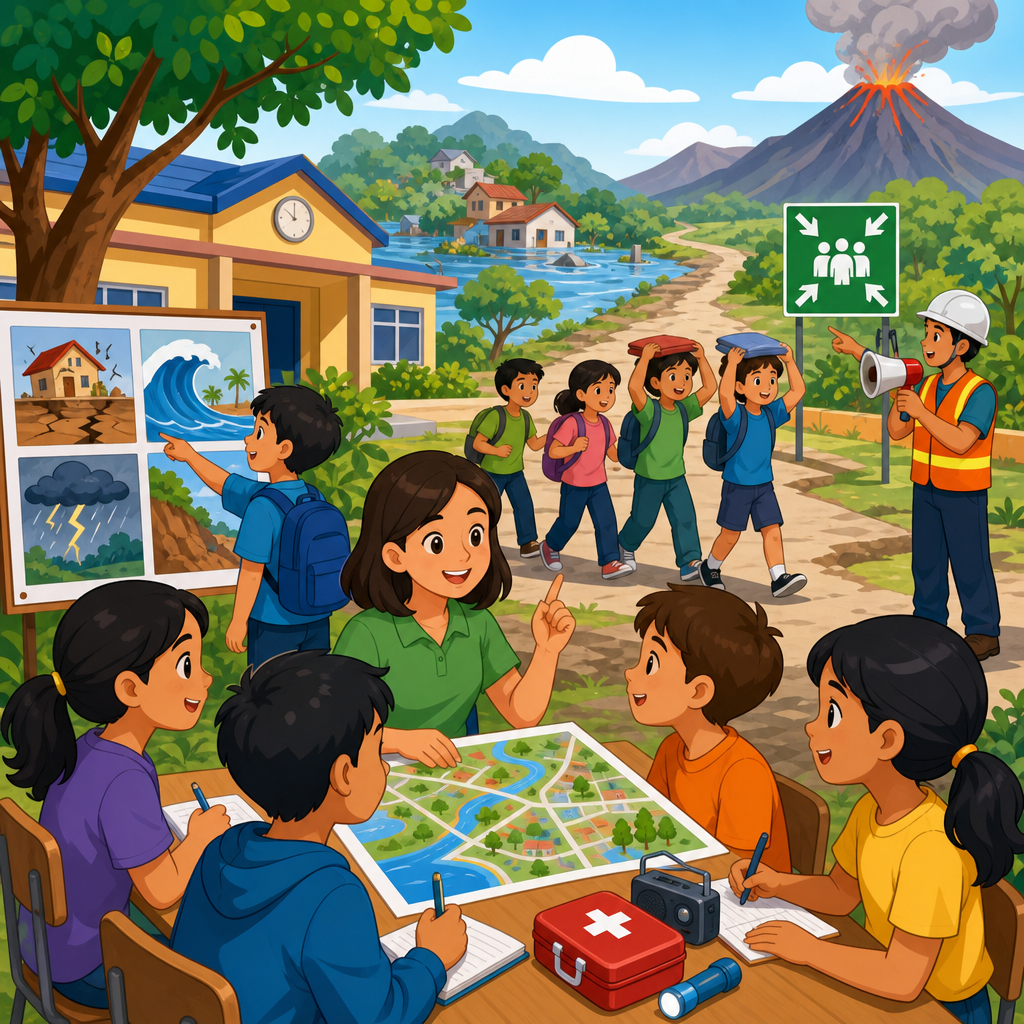

Nature-based solutions for climate resilience are actions that protect, restore, or manage ecosystems so communities can reduce disaster risk while improving water, food, biodiversity, and public health outcomes. In recovery and resilience planning, the term covers measures such as restoring wetlands to absorb floodwater, planting urban tree canopies to lower extreme heat, rebuilding dunes after storms, and using mangroves, reefs, floodplains, and healthy soils as living infrastructure. I have worked on disaster recovery content and resilience planning briefs long enough to see the same pattern repeatedly: places that treat ecosystems as critical assets recover faster, spend more efficiently over time, and avoid locking themselves into fragile gray infrastructure alone.
This matters because climate hazards are intensifying. Heat waves are lasting longer, rainfall is arriving in harder bursts, coastal flooding is becoming more destructive, and drought is stressing farms and drinking water systems. Traditional defenses remain important, but seawalls, culverts, levees, and air-conditioning systems can fail, degrade, or simply shift risk downstream. Nature-based solutions add flexibility. They store water, slow wind, cool neighborhoods, stabilize slopes, and create habitat at the same time. For a recovery and resilience efforts hub, this topic sits at the center because it connects flood recovery, wildfire mitigation, coastal defense, drought adaptation, and equitable rebuilding after disasters.
To understand the concept clearly, separate three ideas. First, recovery means restoring essential services, homes, ecosystems, and livelihoods after an event. Second, resilience means the capacity to anticipate, withstand, adapt to, and recover from shocks. Third, nature-based solutions are not decorative landscaping. They are planned interventions designed to deliver measurable risk reduction. The International Union for Conservation of Nature popularized the term, while agencies such as FEMA, NOAA, the U.S. Army Corps of Engineers, and the European Environment Agency increasingly reference ecosystem restoration within hazard mitigation and adaptation guidance. The strongest projects set explicit targets, such as avoided flood depth, reduced surface temperature, lower erosion rates, or improved groundwater recharge.
Why nature-based solutions belong at the center of recovery and resilience efforts
Nature-based solutions belong in disaster recovery because they address root vulnerability instead of only repairing damage. When a river is disconnected from its floodplain, flood peaks rise, channels scour, and downstream neighborhoods face repeated losses. Reconnecting side channels, restoring wetlands, and buying out frequently flooded properties can lower exposure permanently. After Hurricane Sandy, the conversation around living shorelines and marsh restoration accelerated because hard edges alone were not enough to manage surge, erosion, and habitat decline across the U.S. Northeast. In the Netherlands, the Room for the River program showed that giving rivers controlled space can improve safety while enhancing landscapes and recreation.
They also produce multiple benefits that matter during long recovery periods. A restored urban creek can reduce flooding, improve water quality, create cooler public space, and raise nearby physical activity. Street trees and parks can reduce heat stress and improve mental health after traumatic events. On farms, cover crops, compost, windbreaks, and riparian buffers can reduce erosion after wildfire or intense rain while protecting yields. These co-benefits are not secondary. They improve the cost-effectiveness of public spending when budgets must serve housing, health, infrastructure, and local economies at once. That is why resilient recovery plans increasingly bundle ecosystem projects with transportation, drainage, housing, and public health investments.
Core types of nature-based solutions and where they work best
The most effective approach depends on hazard, geography, and community needs. Coastal areas often benefit from mangrove restoration, oyster reefs, coral reef protection, dune nourishment, beach vegetation, and marsh migration corridors. These systems can attenuate wave energy, trap sediment, and reduce erosion, although they are not substitutes for all engineered defenses in high-energy coastlines. Riverine regions use floodplain reconnection, wetland restoration, levee setbacks, riparian buffers, and upstream reforestation to slow runoff and create storage. Cities focus on green roofs, bioswales, permeable pavements, rain gardens, urban forests, and park expansions that absorb stormwater and reduce urban heat island intensity.
In fire-prone landscapes, resilience depends on ecological thinning, prescribed fire where appropriate, meadow restoration, post-fire mulching, and replanting native species suited to future climate conditions. In drought-affected watersheds, soil moisture retention and groundwater recharge are central. Techniques include regenerative grazing, contour bunds, check dams in suitable contexts, and managed aquifer recharge connected to flood flows. Hillside communities vulnerable to landslides can benefit from slope revegetation, drainage improvements paired with root reinforcement, and restoring natural drainage paths. The common principle is function. A project should be chosen because it changes hydrology, heat balance, sediment transport, or ecological stability in a way that reduces risk.
| Hazard | Nature-based solution | Primary resilience benefit | Example |
|---|---|---|---|
| Coastal surge and erosion | Mangroves, dunes, marshes, oyster reefs | Wave attenuation and shoreline stabilization | Louisiana marsh restoration |
| River flooding | Floodplain reconnection, wetlands, levee setbacks | Temporary water storage and lower peak flows | Room for the River, Netherlands |
| Urban flash flooding | Bioswales, rain gardens, permeable surfaces | Stormwater infiltration and drainage relief | Cloudburst streets in Copenhagen |
| Extreme heat | Urban tree canopy, parks, green roofs | Shade, evapotranspiration, cooler surfaces | Phoenix heat mitigation programs |
| Wildfire and erosion | Forest thinning, prescribed fire, riparian restoration | Lower fuel loads and soil protection | California forest resilience projects |
How these solutions perform in real disasters
Performance should be described realistically. Healthy wetlands can reduce flood heights locally, but they have finite storage and need space. Mangroves can reduce wave height and trap sediment, but severe storms can still cause major damage. Urban trees cool streets, yet poorly selected species may fail during drought or damage utilities. The value of nature-based solutions is not that they eliminate hazard. It is that they lower exposure, reduce damage frequency, and improve system recovery when combined with sound land-use policy and engineered protection. In practice, the best outcomes come from hybrid systems, such as seawalls fronted by reefs, detention basins integrated with parks, or culvert upgrades paired with upstream restoration.
Real-world cases prove the point. After repeated flooding, China’s sponge city programs promoted absorbent urban landscapes that retain and slowly release stormwater through wetlands, permeable materials, and green corridors. New York’s Staten Island Bluebelt uses streams, ponds, and wetlands to manage stormwater across developed neighborhoods, often at lower long-term cost than relying solely on underground pipes. In Vietnam and the Philippines, mangrove restoration has been used to buffer coastal communities while supporting fisheries. In Medellín, Colombia, green corridors reduced local temperatures and improved air quality. These examples differ in scale, but each shows how ecosystem function can be engineered into recovery and resilience planning.
Planning, design, and financing: what makes projects succeed
Successful projects begin with risk assessment, not planting lists. Teams should map hazard frequency, exposure, social vulnerability, land ownership, and ecological condition together. Tools such as FEMA hazard mitigation plans, NOAA Sea Level Rise Viewer, USGS flood and wildfire datasets, and municipal heat vulnerability indexes help identify where investments will matter most. Then practitioners define performance metrics: cubic meters of storage, acres reconnected to floodplain, canopy cover increase, avoided stormwater runoff, or reduced days above critical heat thresholds. Without metrics, projects become symbolic. With metrics, they can compete for hazard mitigation grants, climate adaptation funds, infrastructure finance, and insurance-supported resilience programs.
Design quality determines durability. Native species selection should match projected future climate, not just historic conditions. Maintenance plans must cover invasive species control, sediment management, irrigation during establishment, and monitoring after extreme events. Community engagement is equally important. Residents often know where drains back up, where slopes fail, and which parks become unsafe during heat waves. In my experience, projects move faster when planners explain the tradeoffs plainly: a floodplain buyout may reduce repetitive losses but also change tax base and neighborhood identity; a new urban wetland can improve drainage but may require mosquito management and public access rules. Honest communication builds long-term support.
Financing usually requires blending sources. Public grants can fund capital work, while utilities, park departments, watershed districts, and private landowners support operations. Green bonds, resilience bonds, stormwater fees, and environmental impact funds are increasingly used. Insurers and lenders are also paying more attention to protective ecosystems because disaster losses affect premiums, credit risk, and property values. Cost-benefit analysis should include avoided damages, lower heat-related illness, water treatment savings, habitat gains, and recreational value where methods allow. However, not every benefit monetizes neatly. Decision-makers should use both economic appraisal and distributional analysis so lower-income communities are not excluded simply because some benefits are harder to price.
Equity, governance, and the limits of nature-based solutions
Recovery and resilience efforts fail when they ignore who benefits, who pays, and who gets displaced. Green improvements can raise property values and trigger climate gentrification if affordable housing protections are absent. Buyouts can reduce flood risk while fracturing communities if relocation support is weak. Tribal nations, fishing communities, farmers, and informal settlements often have place-based knowledge essential to design, yet are consulted late. Strong governance means cross-agency coordination, transparent metrics, and community decision-making power from the start. It also means protecting restored areas through zoning, conservation easements, building codes, and maintenance budgets so benefits persist after ribbon cuttings.
There are limits, and good planning acknowledges them. A restored marsh cannot protect dense critical infrastructure against every storm surge scenario. A young urban forest will not cool a neighborhood immediately at the same level as mature canopy. Post-fire seeding can fail under prolonged drought. In heavily channelized or contaminated sites, ecological restoration may require costly remediation before resilience gains appear. That is why hybrid strategies are the standard. Use nature-based solutions where they perform well, pair them with engineered systems where needed, and avoid development in places that remain unacceptably hazardous. The goal is not romanticizing nature. The goal is reducing risk with the most adaptive mix of tools available.
Nature-based solutions for climate resilience give recovery and resilience efforts a practical framework for rebuilding safer, healthier, and more adaptable communities after environmental disasters. They work by restoring ecosystem functions that absorb water, reduce heat, stabilize coasts, protect soils, and support livelihoods. The strongest projects are measurable, place-specific, and integrated with land-use planning, public health, housing, and infrastructure. They rely on wetlands, forests, reefs, parks, soils, and floodplains not as amenities alone, but as protective systems that can lower losses over decades while delivering daily benefits residents can feel.
For this hub topic, the key takeaway is straightforward. If you want disaster recovery to last, rebuild natural defenses alongside physical infrastructure and social systems. Start with hazard data, identify the ecosystem functions missing in your landscape, and choose interventions that match local risks and community priorities. Then fund maintenance, monitor outcomes, and adjust as conditions change. Whether the challenge is coastal flooding, urban heat, wildfire, drought, or erosion, nature-based solutions expand the resilience toolbox in ways hard infrastructure cannot achieve alone. Use this hub as the starting point for deeper planning, case studies, and implementation guidance across recovery and resilience efforts.
Frequently Asked Questions
What are nature-based solutions for climate resilience?
Nature-based solutions for climate resilience are strategies that work with natural systems to help communities prepare for, withstand, and recover from climate-related hazards. Instead of relying only on conventional built infrastructure such as concrete walls, drainage tunnels, or engineered barriers, these approaches protect, restore, or actively manage ecosystems so they can deliver real risk-reduction benefits. Examples include restoring wetlands to store floodwater, rebuilding dunes to buffer storm surge, planting urban trees to reduce dangerous heat, reconnecting rivers to floodplains, improving soil health to hold more water during drought, and conserving mangroves or coral reefs that reduce wave energy along coastlines.
What makes these solutions especially valuable is that they often address multiple challenges at once. A healthy wetland can lower flood risk, improve water quality, create wildlife habitat, and support recreation. An urban tree canopy can reduce heat stress, improve air quality, lower energy demand, and make neighborhoods more livable. In this way, nature-based solutions are often described as “living infrastructure” because they perform practical resilience functions while also strengthening biodiversity, public health, food systems, and local economies.
They are not a one-size-fits-all replacement for engineered systems, but they are increasingly used alongside traditional infrastructure as part of a broader resilience strategy. When designed well, they can be cost-effective over time, adaptable to changing climate conditions, and deeply beneficial to both people and ecosystems.
How do nature-based solutions reduce disaster risk from floods, storms, heat, and drought?
Nature-based solutions reduce disaster risk by using the natural abilities of ecosystems to absorb, slow, buffer, cool, or store environmental forces that would otherwise harm people and property. For flooding, wetlands, floodplains, and healthy soils act like sponges. They capture and temporarily store excess water, slow runoff, and reduce pressure on stormwater systems. This can lower flood peaks, reduce erosion, and help prevent damage to homes, roads, and public facilities.
Along coasts, dunes, mangroves, salt marshes, oyster reefs, and coral reefs help weaken wave energy and reduce the impact of storm surge and erosion. These natural features can serve as first lines of defense during hurricanes and severe storms. When they are degraded or removed, coastlines often become more exposed. Restoring them can improve shoreline stability while also supporting fisheries and habitat.
In cities, trees, parks, green roofs, and other vegetated spaces help counter extreme heat by providing shade and cooling the air through evapotranspiration. This is especially important in neighborhoods with lots of pavement and limited green space, where the urban heat island effect can make heat waves more dangerous. Cooler streets and buildings can reduce heat-related illness and energy use at the same time.
For drought resilience, practices such as restoring watersheds, increasing soil organic matter, and protecting forests can improve water retention, groundwater recharge, and long-term water availability. Healthy landscapes are generally better able to handle climate extremes, whether the challenge is too much water, too little water, or too much heat. That is why nature-based solutions are increasingly seen as practical tools for risk reduction, not just environmental enhancements.
What are some examples of nature-based solutions communities can use in resilience and recovery planning?
Communities can use a wide range of nature-based solutions depending on their geography, climate risks, land use patterns, and local priorities. In flood-prone areas, common measures include wetland restoration, floodplain reconnection, riparian buffer planting, stormwater parks, rain gardens, bioswales, and permeable surfaces that allow water to soak into the ground rather than overwhelm drainage systems. These approaches can be especially useful in areas where repeated flooding has strained aging infrastructure.
In coastal communities, resilience and recovery plans may include restoring dunes, protecting or replanting mangroves, rebuilding oyster reefs, conserving salt marshes, or allowing shorelines to migrate naturally where possible. These strategies can reduce storm damage while supporting fisheries, tourism, and habitat restoration after major events. In some places, they are paired with engineered measures in hybrid systems that provide both immediate protection and long-term ecological benefits.
In urban areas, examples include expanding tree canopy cover, creating pocket parks, restoring streams, building green corridors, and adding green roofs or living walls to reduce heat and manage stormwater. After disasters, communities may choose to rebuild in ways that increase green space rather than simply replacing vulnerable infrastructure with the same design. This can improve long-term resilience instead of recreating the conditions that made damage worse in the first place.
In agricultural and watershed settings, practices such as cover cropping, agroforestry, reduced tillage, grassed waterways, and forest conservation can help manage runoff, protect water supplies, and improve drought resilience. The best projects are usually those that are tailored to local conditions, informed by science, shaped by community input, and integrated into broader land-use, housing, water, and public health planning.
What are the main benefits of nature-based solutions beyond climate resilience?
One of the strongest arguments for nature-based solutions is that they deliver multiple co-benefits beyond disaster risk reduction. While their resilience value may be the reason a project begins, the long-term gains often extend into water quality, biodiversity, recreation, economic vitality, and public health. For example, restored wetlands and riparian areas can filter pollutants, improve downstream water conditions, and support fish and bird populations. Urban greening can reduce air pollution exposure, encourage outdoor activity, and improve mental well-being.
These approaches can also strengthen food and water security. Healthy soils improve agricultural productivity and reduce erosion. Protected watersheds help safeguard drinking water sources. Coastal ecosystems can support fisheries and the livelihoods tied to them. In neighborhoods lacking parks or shade, adding green infrastructure can make daily life safer and more comfortable, particularly for children, older adults, and people with health conditions that make them more vulnerable to heat and poor air quality.
There are economic benefits as well. Nature-based projects can reduce infrastructure repair costs, lower energy bills, support tourism, increase property attractiveness in some areas, and create jobs in restoration, maintenance, landscape management, and environmental monitoring. Importantly, these benefits can accumulate over time if the ecosystem is properly maintained and protected. When planned equitably, nature-based solutions can also help address longstanding disparities by directing resilience investments to communities that face the greatest climate risks and the fewest resources to recover.
What should decision-makers consider before investing in nature-based solutions?
Decision-makers should begin by treating nature-based solutions as serious infrastructure investments that require careful planning, clear goals, and long-term stewardship. The first step is to identify the climate risks a community faces, such as flooding, erosion, heat, wildfire, or drought, and then evaluate which ecosystems or landscape features can realistically reduce those risks. A wetland restoration project may be highly effective in one area, while tree canopy expansion or watershed management may be more appropriate elsewhere.
It is also essential to consider site conditions, time horizons, land ownership, maintenance needs, and performance under future climate scenarios. Nature-based solutions are not instant fixes in every case. Some ecosystems take time to recover or mature before they deliver full protective benefits. Others may need supportive policies, zoning changes, easements, or complementary engineered systems to function effectively. Monitoring is important as well, because communities need to understand whether a project is reducing risk as intended and how it may need to be adapted over time.
Equity and community engagement should be central to the planning process. Projects are more successful when residents, local leaders, Indigenous knowledge holders, land managers, and technical experts are involved early and meaningfully. Decision-makers should ask who benefits, who bears the costs, whether vulnerable communities are being prioritized, and how access, maintenance, and long-term governance will be handled. Financing also matters, including identifying public grants, resilience funds, hazard mitigation programs, or partnerships that can support both installation and upkeep.
Finally, the most effective investments usually come from integrating nature-based solutions into broader resilience, recovery, and infrastructure strategies rather than treating them as standalone beautification projects. When communities align ecological restoration with housing, transportation, water management, and public health goals, they are far more likely to create durable, climate-ready systems that protect people while restoring the natural foundations they depend on.