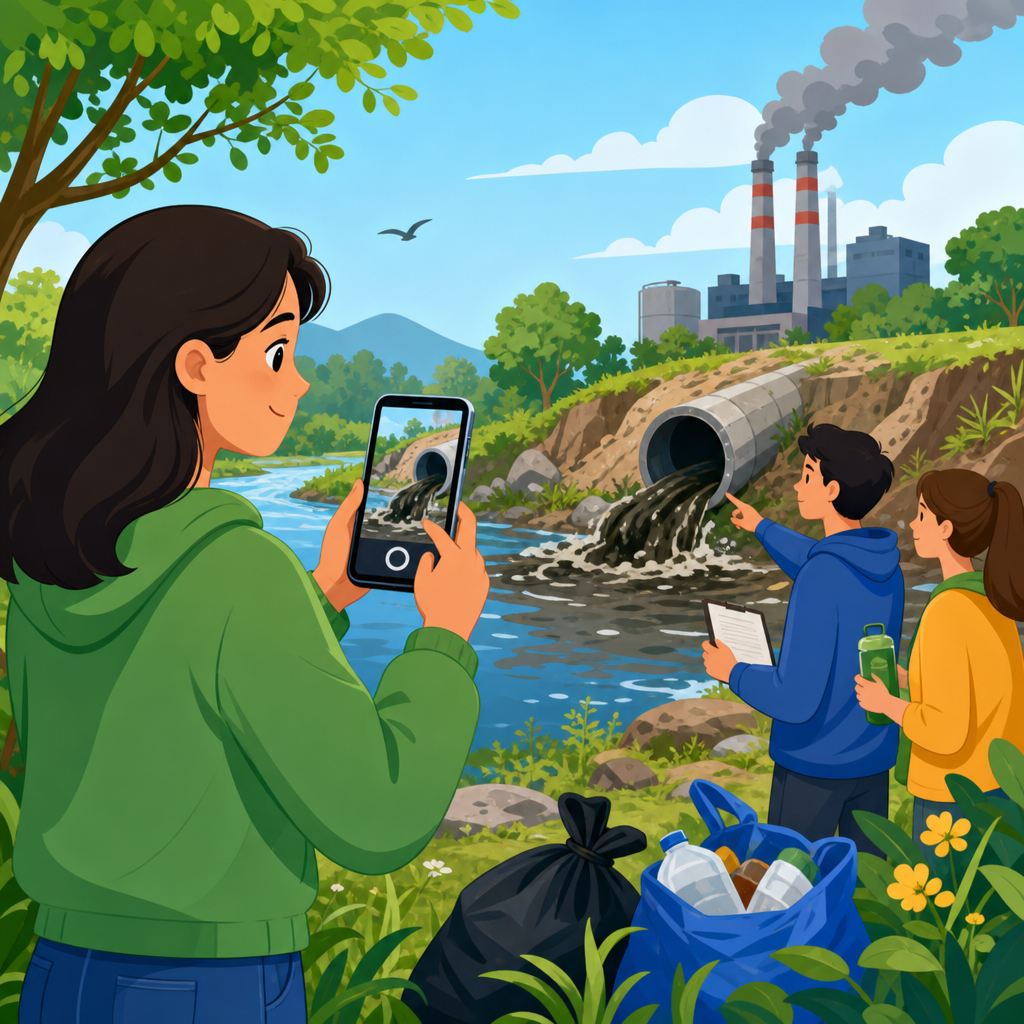
Peaceful protest has shaped environmental change by turning public concern into visible, organized pressure that lawmakers, regulators, courts, and corporations cannot easily ignore. In environmental policy and law, peaceful protest means nonviolent collective action such as marches, sit-ins, public comment campaigns, vigils, boycotts, teach-ins, and symbolic demonstrations aimed at influencing decisions about land, air, water, climate, wildlife, and public health. Activism and legal rights are closely linked because protest is both a civic practice and a rights-based activity protected, though not without limits, by constitutional law, local permitting rules, labor law, trespass standards, and public safety regulations. I have worked with advocacy teams preparing demonstrations around permitting hearings and municipal ordinances, and the pattern is consistent: when protest is disciplined, legally informed, and strategically tied to policy demands, it expands the range of outcomes that institutions consider politically possible.
This matters because environmental harms are often diffuse, technical, and slow-moving, while the decisions that create them are concentrated in agencies, legislative committees, boardrooms, and courts. A refinery expansion, pipeline route, wetland fill permit, or weakened emissions standard may appear to be just another administrative file until community members gather, testify, and demonstrate in a way that translates specialized risk into a public mandate. Peaceful protest does not replace science, litigation, or lobbying. It amplifies them. It creates media attention, recruits allies, raises the political cost of inaction, and provides a record that communities objected before damage became irreversible. As the hub for activism and legal rights within environmental policy and law, this article explains how peaceful protest drives change, what legal protections and constraints apply, which tactics work best in practice, and how movements connect street action to enforceable environmental outcomes.
Why peaceful protest changes environmental policy
Peaceful protest supports environmental change by altering incentives. Elected officials respond to organized constituencies, agencies respond to scrutiny in rulemaking and permitting, and companies respond to reputational risk, investor concern, and market pressure. Nonviolent action makes environmental conflict legible to decision-makers who might otherwise treat it as technical routine. In my experience, a permit hearing with sparse attendance usually proceeds quickly. A hearing preceded by a rally, expert briefings, neighborhood canvassing, and coordinated testimony becomes a political event. Staff produce fuller records, elected officials ask sharper questions, and proponents must defend assumptions they expected to pass unchallenged.
History shows this clearly. The first Earth Day in 1970 mobilized millions and helped create momentum for the National Environmental Policy Act, the Environmental Protection Agency, and the Clean Air Act era. Anti-toxic campaigns in places like Love Canal translated local exposure concerns into national hazardous waste reform, contributing to the Comprehensive Environmental Response, Compensation, and Liability Act. More recently, Indigenous-led protests against pipeline projects have influenced permitting timelines, insurance relationships, investor assessments, and public understanding of treaty rights and environmental justice. Not every protest wins immediately, but peaceful mobilization consistently changes the information environment in which legal and policy decisions are made.
Environmental protest is especially effective when it names a concrete decision point. General awareness has value, but campaigns tied to a zoning vote, a public utilities commission docket, a federal environmental impact statement, a state wetlands permit, or a corporate financing deadline are more likely to produce measurable outcomes. The clearest advocacy plans answer four questions directly: what decision is pending, who controls it, what legal standard applies, and what public action will shift the result. That is how protest moves from expression to governance.
Understanding legal rights in environmental activism
Most peaceful environmental protest in the United States rests on core protections for speech, assembly, petition, and association. Those protections are strongest in traditional public forums such as streets, sidewalks, and parks, where government restrictions must usually be content neutral, narrowly tailored, and leave open ample alternative channels for communication. Yet protest rights are not absolute. Cities can impose permit requirements for large marches, restrict amplified sound, set parade routes, and enforce reasonable time, place, and manner rules. Activists also encounter private property law, trespass rules, school or campus regulations, critical infrastructure statutes, disorderly conduct laws, and rules governing arrests and dispersal orders.
For environmental groups, legal literacy is not optional. Before any demonstration, organizers should know who owns the site, whether permits are required, how police typically manage events there, what items are restricted, and how to document interactions. I have seen campaigns avoid unnecessary arrests simply by shifting a rally twenty feet from a private plaza to a public sidewalk and by designating trained marshals to coordinate with officers. That is not a minor logistical detail; it preserves turnout, keeps the message focused, and reduces the chance that legal friction overshadows environmental demands.
Rights also extend beyond the street. Peaceful activism includes filing public records requests, speaking at agency hearings, commenting on draft rules, observing public meetings under open meetings laws, and supporting strategic litigation. Environmental justice campaigns often combine all of these. Residents may protest outside a state agency in the morning and submit expert comments on cumulative air impacts that afternoon. The strongest movements understand that legal rights are a toolkit, not a single tactic.
How protest connects to environmental law and enforcement
Peaceful protest rarely changes environmental conditions on symbolism alone. It matters because it feeds legal processes that have binding consequences. Under NEPA and many state equivalents, agencies must consider environmental impacts and alternatives before approving major actions. Under the Clean Water Act, Clean Air Act, Endangered Species Act, and analogous state laws, permits and enforcement decisions turn on records, standards, and procedural compliance. Protest can improve those records by drawing experts, residents, journalists, and public officials into the process.
Consider a proposed warehouse development near homes already burdened by diesel pollution. A neighborhood march may seem separate from law, but if it drives attendance at a planning commission hearing, generates declarations from affected residents, and prompts elected officials to request a health impact review, it can materially affect the administrative record. That record matters in appeals and litigation. Courts usually defer to agencies on technical matters when procedures were followed and evidence was weighed. Protest helps ensure that contrary evidence is entered and that procedural shortcuts become visible.
Enforcement is another major link. Regulators often face limited staffing and competing priorities. Sustained public pressure can move an illegal dump, stormwater violation, or air emissions problem from a neglected complaint file to an inspected and penalized case. Citizen suit provisions under several federal environmental laws create additional leverage, especially when advocacy groups pair demonstrations with notice letters and data collection. Peaceful protest therefore functions as a force multiplier for monitoring and enforcement, particularly in communities that have historically been excluded from decision-making.
Effective tactics for nonviolent environmental campaigns
Not all peaceful protest tactics produce the same results. Effective environmental campaigns usually combine public visibility, legal precision, narrative discipline, and organizational stamina. A march can build solidarity, but standing alone it may not influence a technical permit. A campaign anchored in a clear demand, backed by science, and timed to a formal decision process can. The practical question is not whether protest matters. It is which form of protest best fits the target and the moment.
| Tactic | Best use | Environmental example | Primary legal consideration |
|---|---|---|---|
| March or rally | Public visibility and media attention | Opposing a refinery expansion before a city council vote | Permits, route restrictions, sound rules |
| Teach-in or town hall | Explaining technical impacts | Clarifying groundwater risks from a mining proposal | Venue access, speaker policies |
| Vigil or symbolic action | Moral framing and coalition building | Honoring residents lost to heat or pollution exposure | Public space rules, candles or fire limits |
| Boycott or divestment push | Corporate and investor pressure | Targeting lenders backing a pipeline project | Defamation avoidance, campaign finance issues |
| Hearing mobilization | Direct impact on administrative records | Flooding a utilities commission docket with testimony | Filing deadlines, procedural requirements |
Training is decisive. Skilled marshals reduce escalation, legal observers preserve facts, media leads keep the message consistent, and subject-matter experts translate technical findings into plain language. I advise groups to prepare one sentence that states the harm, one sentence that states the legal or policy failure, and one sentence that states the demanded remedy. For example: “This permit would increase fine particle pollution near two schools. The agency has not adequately analyzed cumulative impacts. Deny the permit until a full health review is completed.” That clarity helps reporters, supporters, and decision-makers understand the ask immediately.
Coalition structure matters too. Environmental campaigns are strongest when frontline residents lead, scientists support with evidence, lawyers define risk, labor voices address jobs and transition, and faith or civic groups widen legitimacy. This prevents a common weakness: a protest that is emotionally powerful but too thinly connected to the procedural and economic questions officials will use to justify a decision.
Environmental justice, Indigenous leadership, and community power
Peaceful protest has been essential in environmental justice struggles because harm is often concentrated in communities with the least formal power. Residents near highways, ports, petrochemical corridors, landfills, and industrial agriculture sites have long used marches, church meetings, school walkouts, and courthouse gatherings to show that pollution burdens are not distributed by accident. These actions changed the language of environmental governance from conservation alone to health, race, income, and cumulative impact.
Indigenous leadership is central to this story. Many environmental conflicts involve treaty rights, sacred sites, water protection, subsistence, and sovereignty. Peaceful encampments, prayer walks, and coordinated demonstrations have brought national attention to projects that might otherwise have proceeded under narrow permitting logic. These protests do more than slow construction. They reframe legal questions by forcing agencies and courts to confront consultation duties, cultural resource protection, and the inadequacy of viewing land as merely a commodity. Anyone working in activism and legal rights should understand that environmental law is not only about emissions limits and permits. It is also about whose relationships to land and water are recognized by governing institutions.
Community power grows when protest is paired with local capacity. Air monitors, water sampling, participatory mapping, health surveys, and story collection make campaigns harder to dismiss. Agencies may ignore generalized fear; they struggle to ignore a resident-led dossier showing odor events, asthma clusters, truck counts, and permit noncompliance. Peaceful protest opens the door, but organized evidence often carries the campaign through it.
Limits, risks, and how to protest strategically
Peaceful protest is powerful, but it has limits. It can be ignored when demands are vague, fragmented, or untethered to a decision-maker. It can provoke backlash if opponents successfully frame disruption as lawlessness rather than civic participation. It can also expose participants to surveillance, arrest, job consequences, immigration risks, and physical danger, especially for marginalized groups. Responsible organizers address these risks upfront rather than romanticizing protest.
Strategic planning reduces those risks and improves outcomes. Start with a written campaign theory: the target, the legal hook, the timeline, the audience, and the measure of success. Build a compliance plan covering permits, accessibility, de-escalation, weather, transportation, and emergency contacts. Prepare know-your-rights materials specific to the jurisdiction. If civil disobedience is under consideration, separate it clearly from broader attendance, ensure informed consent, and align it with a realistic objective rather than using arrest as theater.
Digital advocacy extends street protest but does not replace it. Petition platforms, livestreams, geotargeted organizing, and rapid response text systems can scale participation, yet online attention is volatile. The campaigns that endure are the ones that convert clicks into comments, attendance, testimony, donations, and follow-up meetings. For environmental policy, the ultimate test is concrete movement: a permit delayed, a rule strengthened, an enforcement action opened, a habitat protected, or a transition investment secured.
Peaceful protest supports environmental change because it gives communities a lawful, visible way to contest harmful decisions before those decisions become entrenched. It turns technical policy into public accountability, strengthens administrative records, supports enforcement, and helps environmental justice communities claim a seat in systems that too often exclude them. The most effective activism and legal rights strategies do not treat protest as separate from law. They integrate marches, hearings, public records, expert evidence, media work, and coalition building into one campaign designed to influence a specific outcome.
For readers using this page as a hub within environmental policy and law, the central lesson is simple. Nonviolent environmental activism works best when it is informed, disciplined, and tied to legal process. Know the forum, know the rights at stake, know the decision timeline, and know the remedy being sought. Whether the issue is a pipeline, zoning change, toxic release, habitat loss, or climate adaptation plan, peaceful protest can shift the political and legal landscape when it is backed by preparation and persistence.
If you are organizing, advising, or participating in an environmental campaign, begin with a rights review and a decision map. Identify the governing agency, the applicable law, the public participation window, and the safest effective tactic. Then build a campaign that speaks clearly for the community most affected. That is how peaceful protest stops being a moment and starts becoming environmental change.
Frequently Asked Questions
How does peaceful protest actually lead to environmental change?
Peaceful protest helps create environmental change by turning concern into coordinated public pressure that decision-makers can see, measure, and respond to. Environmental problems often persist not because there is no evidence of harm, but because the issue lacks enough visibility or urgency to move institutions to act. Nonviolent actions such as marches, rallies, sit-ins, vigils, boycotts, teach-ins, and organized public comment campaigns make environmental concerns harder to dismiss. They show that the issue affects real communities, not just policy experts or advocacy groups.
When peaceful protest gains attention, it can influence several systems at once. Lawmakers may feel pressure to introduce or support stronger protections for air, water, wildlife, climate, or public health. Regulators may receive thousands of comments, prompting more scrutiny of permits, environmental reviews, and enforcement decisions. Courts may not rule based on protest itself, but public mobilization often helps gather facts, support plaintiffs, fund legal challenges, and sustain momentum around cases involving pollution, land use, or resource extraction. Corporations also respond when protest affects reputation, consumer trust, investor confidence, or project timelines.
Just as important, peaceful protest can shift public understanding. It educates people, builds coalitions, elevates frontline voices, and reframes environmental harm as a shared civic issue rather than a private inconvenience. Over time, that shift in public opinion can lead to policy reform, stronger enforcement, corporate changes, and broader cultural support for sustainability and environmental justice.
What types of peaceful protest are most effective in environmental advocacy?
The most effective forms of peaceful protest are usually the ones that match the goal, the audience, and the stage of the environmental issue. Large public marches can be powerful when the aim is to demonstrate widespread concern and attract media coverage. Sit-ins, vigils, and symbolic demonstrations can focus attention on a specific project, agency action, or environmental loss. Boycotts can pressure companies to change sourcing, emissions, packaging, or labor and land-use practices. Teach-ins and public forums are especially useful when the challenge is low public awareness or misinformation.
In environmental policy, one of the most practical and impactful forms of peaceful action is organized participation in official processes. Public comment campaigns, hearings, town halls, community meetings, and petition drives can directly affect how agencies evaluate permits, environmental impact statements, zoning proposals, and infrastructure projects. These actions are often less visible than marches, but they can create a strong administrative record that matters in future regulatory and legal review.
Effectiveness also depends on discipline and strategy. Peaceful environmental advocacy tends to work best when it combines visible public action with research, community organizing, media outreach, and legal or policy engagement. A march may open the public conversation, but follow-up meetings with officials, expert testimony, and sustained public comments often turn attention into concrete results. In other words, the strongest environmental movements do not rely on one tactic alone; they build campaigns that connect awareness, accountability, and action.
Why is nonviolence so important in environmental protest?
Nonviolence is important because it strengthens legitimacy, broadens public support, and keeps the focus on the environmental issue rather than on confrontation. When a movement remains peaceful, it is easier for communities, faith groups, students, scientists, health professionals, and local residents to join. That wider participation matters in environmental campaigns, because decision-makers are more likely to respond when they see broad, cross-community concern rather than a narrow or isolated protest.
Peaceful methods also help communicate a core message: protecting land, water, air, climate, and public health is fundamentally about care, responsibility, and the common good. Nonviolent action aligns the method with the goal. It allows advocates to challenge harmful policies or projects firmly while maintaining moral credibility. That credibility can influence press coverage, public opinion, and the willingness of officials to meet with organizers or reconsider a decision.
From a practical standpoint, nonviolence can reduce the risk that an environmental campaign will be marginalized or portrayed as a public safety problem instead of a policy issue. It encourages clearer messaging, better coalition-building, and more durable participation over time. In many successful environmental efforts, peaceful discipline has helped communities maintain momentum through long campaigns involving hearings, litigation, elections, regulatory review, and negotiations. Nonviolence is not passivity; it is a deliberate strategy for making environmental demands visible, persuasive, and difficult to ignore.
Can peaceful protest influence environmental law and policy even if it does not change things immediately?
Yes. Peaceful protest often works gradually, and its influence on environmental law and policy is frequently cumulative rather than instant. A single rally or campaign may not stop a project, reverse a permit, or produce a new law overnight. However, it can lay the groundwork for change by documenting community opposition, attracting expert support, generating press attention, and putting officials on notice that the public is watching. Those effects can shape what happens later in administrative reviews, legislative debates, agency rulemaking, and court challenges.
Environmental decisions typically move through long timelines. Agencies review technical reports, accept comments, revise proposals, and issue findings. Legislatures hold hearings, negotiate language, and respond to constituent pressure over months or years. Litigation can take even longer. Peaceful protest helps sustain attention across that timeline. It keeps environmental issues from disappearing after the first announcement or headline and reminds decision-makers that communities expect accountability throughout the process.
Even when immediate outcomes are limited, peaceful protest can produce meaningful secondary effects. It may build local leadership, create new advocacy organizations, strengthen ties between residents and experts, reveal weaknesses in a company’s public claims, or inspire future policy campaigns. Many environmental victories are the result of years of patient organizing in which peaceful protest served as the public-facing force that kept the issue alive. In that sense, nonviolent activism is often not a one-time event but part of the long-term infrastructure of environmental democracy.
How can communities use peaceful protest responsibly and effectively for environmental causes?
Communities can use peaceful protest responsibly by combining strong organization with clear goals, factual messaging, and respect for legal rights and public safety. The first step is defining what change is being sought. That could mean opposing a permit, demanding stronger pollution enforcement, protecting a wetland, improving public transit, reducing industrial emissions, or calling for climate adaptation measures. A focused objective makes it easier to choose tactics, communicate with the public, and measure progress.
Effective environmental protest also depends on preparation. Organizers should understand the relevant policy process, identify who has authority to act, gather credible evidence, and elevate the experiences of people most directly affected. Frontline communities often carry the greatest environmental burdens, so responsible advocacy should make space for those voices rather than speaking over them. Peaceful actions are strongest when they are paired with practical steps such as submitting comments, meeting officials, coordinating with lawyers or policy experts, and educating participants about rules, risks, and de-escalation.
Finally, responsible protest is sustained, not purely symbolic. Communities are more likely to influence environmental outcomes when they build coalitions, communicate consistently, document harms carefully, and stay engaged after the demonstration ends. That may include monitoring agency responses, attending hearings, following court developments, contacting elected representatives, and continuing public education. Peaceful protest is most effective when it serves as part of a larger civic strategy that connects visibility with informed participation and long-term accountability.