
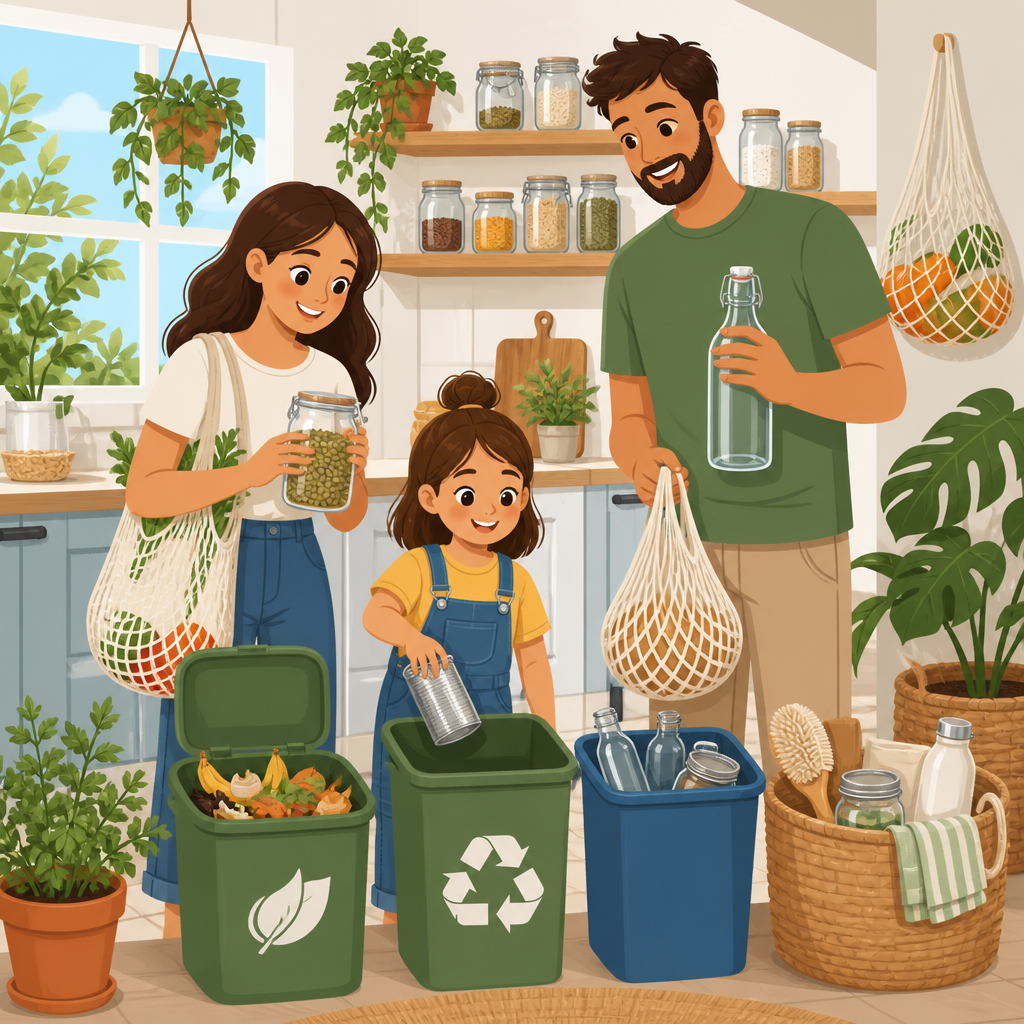
Creating a zero-waste household means redesigning daily life so materials stay in use, resources are conserved, and trash becomes the rare exception instead of the routine outcome. In practice, zero waste does not mean producing absolutely nothing for the bin. It means following a hierarchy: refuse what you do not need, reduce what you use, reuse what you can, repair what breaks, recycle correctly, and compost organic matter so it returns to soil rather than filling landfills.
This approach matters because household consumption drives a large share of municipal solid waste, packaging demand, food loss, water use, and energy-related emissions. In the United States, the Environmental Protection Agency has consistently reported that food, paper, plastics, and yard waste make up major portions of residential trash. I have helped families audit their homes room by room, and the pattern is always the same: most waste is predictable, preventable, and tied to purchasing habits rather than bad intentions. A zero-waste household cuts disposal costs, reduces clutter, improves purchasing discipline, and often saves money over time.
For a sustainability hub focused on sustainable living at home, zero waste is the practical operating system. It connects food choices, cleaning routines, energy use, laundry, storage, home maintenance, and community participation. It also works best when treated as a systems change, not a collection of isolated swaps. Buying a steel straw while still bringing home heavily packaged groceries will not transform household waste. Changing shopping patterns, meal planning, refill habits, composting, and repair behaviors will.
The most effective zero-waste plans are realistic. They consider budget, time, housing type, local recycling rules, and access to bulk stores or compost services. A family in an apartment can still divert food scraps through municipal collection or freezer storage for drop-off. A rural household may have room for backyard composting but fewer refill options. The goal is progress with measurable results: fewer trash bags, lower contamination in recycling, less food waste, longer product life, and smarter consumption at home.
Start with a home waste audit and clear priorities
A home waste audit is the fastest way to identify where change will matter most. Over one or two weeks, collect normal household discards and sort them into categories: food scraps, paper, cardboard, plastics by type, glass, metals, textiles, hygiene products, and miscellaneous items. Weighing each category with a simple luggage scale adds useful data. In most homes I have audited, food waste and packaging account for the majority of volume, while single-use convenience items create disproportionate clutter and cost. This makes kitchens, bathrooms, and laundry rooms the highest-impact starting points.
After the audit, set priorities based on frequency and impact. If the bin is full of takeout containers, work on meal planning, food storage, and reusable lunch systems. If bathroom waste dominates, switch from disposable cotton rounds, paper towels, and frequent toiletry purchases to washable cloths, refillable soap, concentrated products, and durable grooming tools. Use one visible metric, such as number of trash bags per month, to track progress. Specific baselines turn zero waste from a vague ideal into a manageable household project.
Build a low-waste kitchen because most household waste starts there
The kitchen is the center of sustainable living at home because it drives packaging, food waste, water use, and cleaning consumption. Begin with purchasing. Buy loose produce when practical, choose larger sizes with lower packaging-to-product ratios, and use refill or bulk stations for staples such as rice, oats, beans, nuts, and spices if local hygiene rules allow customer containers. Carry produce bags, jars, or cloth sacks, but focus first on the biggest categories you buy repeatedly. Replacing weekly packaged snacks with homemade portions often prevents more waste than a basket of niche reusable gadgets.
Food waste prevention is even more important than packaging reduction because wasted food also wastes land, water, fertilizer, transport, and labor. Plan meals around perishables, store food correctly, freeze surplus portions, and label leftovers with dates. The USDA and WRAP have both shown that misunderstanding date labels contributes to edible food being discarded. “Best if used by” usually indicates quality, not safety. A clear-use fridge bin for foods that should be eaten first can dramatically cut spoilage. I recommend a weekly “use-it-up” meal such as soup, fried rice, pasta, or grain bowls to absorb vegetables, herbs, and cooked leftovers.
Kitchen tools should support reuse. Glass containers, durable lunch boxes, cloth napkins, beeswax wraps or silicone lids, and washable dishcloths replace a steady stream of plastic wrap, zip bags, and paper towels. For cleaning, concentrated dish soap, powdered dishwasher detergent in cardboard, and refillable hand soap often lower packaging waste. Avoid assuming every eco-labeled product is better; lifecycle impact depends on durability, transport, ingredients, and whether the item displaces many disposables over years of use.
Use a practical framework for shopping, storage, and daily routines
Households that sustain zero-waste habits rely on routines more than willpower. Create a standard grocery list based on meals, maintain a pantry inventory, and keep a compact kit for errands: shopping bags, produce bags, a container for deli items where permitted, and a water bottle or travel mug. At home, assign space for reusable food storage, repair supplies, donation staging, and recycling guidance. Visual order reduces reversion to disposable convenience, especially in busy families.
| Household area | Common waste source | Higher-impact zero-waste action | Useful tool or method |
|---|---|---|---|
| Kitchen | Food scraps and packaging | Meal plan, buy loose or bulk, compost | Inventory list, date labels, countertop compost bin |
| Bathroom | Disposable paper and plastic toiletry containers | Refill soaps, washable cloths, concentrated products | Refill station, safety razor, laundry bag for cloths |
| Laundry | Detergent bottles and microfiber shedding | Use concentrated detergent and wash less often | Cardboard detergent, microfiber filter bag |
| Cleaning | Single-use wipes and spray bottles | Use reusable cloths and refill concentrates | Marked spray bottles, washable rags |
| Closets | Fast-fashion turnover | Buy fewer, repair, resell, donate strategically | Mending kit, donation box, resale apps |
This framework works because it reduces decision fatigue. A household that already has containers cleaned, shopping bags stored by the door, and leftovers dated in the fridge is far more likely to maintain low-waste behavior. Sustainable living at home depends on these tiny systems. They are more reliable than motivation alone and easier to improve over time.
Reduce bathroom and cleaning waste without sacrificing hygiene
Bathrooms generate constant streams of small-format plastic packaging and disposable paper products. The best alternatives are simple, durable, and easy to sanitize. Refillable liquid soap, bar soap with minimal packaging, concentrated shampoo or solid shampoo bars, washable facial rounds, and a metal safety razor can eliminate dozens of containers annually in one household. For oral care, options such as toothpaste tablets or recyclable tubes may help, but local recycling acceptance should guide the choice. Hygiene is nonnegotiable, so select products that people in the home will actually use consistently.
Cleaning routines are another strong opportunity. Replace disposable wipes with washable cloths, use bulk or concentrated cleaners, and avoid overbuying specialized products. In many homes, one fragrance-free all-purpose cleaner, dish soap, baking soda, and an oxygen bleach cover most regular cleaning tasks. The key is understanding chemistry and surfaces. Vinegar is useful for mineral buildup but should not be used on natural stone. Bleach is an effective disinfectant when properly diluted, yet routine overuse is unnecessary outside specific sanitation needs. Sustainable cleaning is about precision, not weakness.
Make laundry, clothing, and home maintenance part of zero waste
Laundry affects waste through detergent packaging, garment wear, water use, energy demand, and microfiber pollution. Wash full loads when possible, use cold water for most fabrics, and avoid over-drying, which shortens textile life. High-efficiency machines require the correct detergent amount; excess soap causes residue and unnecessary wastewater burden. Synthetic fabrics can shed microplastics, so using a microfiber-catching bag or filter helps reduce pollution. Line drying, even part time, lowers energy use and extends clothing life by reducing heat stress on fibers and elastic.
Clothing management is central to sustainable living at home because fashion waste accumulates quietly. Buy fewer garments, choose durable fabrics and timeless cuts, repair small issues early, and learn basic mending such as sewing buttons, patching seams, and darning socks. Donation is not a cure-all; many donated items are unsellable or exported into weak waste systems. Better decisions happen earlier: buy intentionally, maintain what you own, and use resale or swapping before disposal. The same principle applies to home goods, furniture, and small appliances. Repair first, then donate, recycle, or discard based on condition and local options.
Compost correctly and recycle with less contamination
Composting is one of the most powerful zero-waste household practices because food scraps are heavy, wet, and methane-generating when landfilled. Backyard composting works well for homes with outdoor space, using a balanced mix of nitrogen-rich greens like fruit peels and coffee grounds with carbon-rich browns like dry leaves and shredded cardboard. Moisture should feel like a wrung-out sponge, and the pile needs airflow. Apartment households can use municipal organics programs, community drop-off sites, worm bins, or sealed countertop systems that store scraps until collection day. The right method depends on space, tolerance for management, and local infrastructure.
Recycling matters, but it should come after reduction and reuse. Effective recycling depends on clean materials, correct sorting, and local market acceptance. Wish-cycling, placing doubtful items in the bin in hope they will be recycled, increases contamination and can cause entire loads to be downgraded or rejected. Learn your municipality’s accepted list and follow it exactly. Cardboard and metal are widely recyclable, while films, mixed materials, black plastic, and small flexible packaging are often problematic. Keep lids, food residue, and plastic bags out of systems that do not accept them. Accurate recycling is a discipline, not a guess.
Create a zero-waste mindset that lasts for the whole household
The households that succeed long term do not chase perfection. They build shared standards, review results, and improve gradually. Start with a monthly check: how many trash bags left the house, what items still dominate, and which habits felt easy or difficult. Involve children with simple roles such as sorting compost, labeling leftovers, or packing reusable lunch kits. For adults, align purchases with a waiting period for nonessential items, maintain a repair list, and schedule donation or refill trips. These routines turn zero waste into normal home management rather than a special project.
There are tradeoffs. Some reusable products require upfront cost. Bulk buying can lead to food waste if quantities are unrealistic. Refill access varies by region. Medical, disability, caregiving, or sanitation needs may require disposables in certain situations. That does not invalidate the goal. A zero-waste household is built by cutting avoidable waste where practical and making informed decisions where alternatives are limited. The benefit is cumulative: less trash, lower consumption, more intentional living, and a home that supports broader sustainability goals every day.
To create a zero-waste household, begin with what your trash already reveals. Audit one week of waste, target the kitchen first, prevent food loss, switch to durable reusables, compost organics, and recycle only what your local system can process. Then extend those habits to bathrooms, laundry, clothing, and maintenance. Sustainable living at home becomes easier when routines, storage, and shopping systems support the behavior you want.
The main advantage is not aesthetic minimalism or moral purity. It is control. You buy less of what does not serve you, keep useful materials circulating longer, and reduce the hidden environmental costs attached to everyday convenience. Over time, that control produces measurable results in household spending, clutter, waste volume, and resource use. It also makes other sustainability efforts, from energy efficiency to mindful consumption, more effective because the same decision habits apply.
If you want to build a truly sustainable home, make zero waste your operating principle. Choose one high-impact change this week: start a waste audit, set up a compost system, replace disposable kitchen staples, or create a shopping kit by the door. Small systems repeated consistently create lasting household change.
Frequently Asked Questions
What does a zero-waste household actually mean?
A zero-waste household is not about perfection or producing literally no trash at all. It is a practical, long-term approach to running a home so fewer materials are wasted and more resources stay in circulation. The goal is to prevent unnecessary waste before it starts by making better choices about what comes into the home, how items are used, and what happens to them at the end of their useful life. Instead of relying on disposable products and constant replacement, a zero-waste home emphasizes durable goods, thoughtful consumption, proper maintenance, repair, reuse, recycling, and composting.
At the center of this idea is a clear hierarchy: refuse what you do not need, reduce what you use, reuse as much as possible, repair what breaks, recycle correctly, and compost organic material. That order matters. Recycling is helpful, but it is less effective than avoiding waste in the first place. In a truly low-waste system, trash becomes the last resort rather than the normal outcome of daily life. For most households, success looks like steady progress, not an all-or-nothing transformation. Even small changes such as switching to refillable products, bringing reusable bags and containers, or composting food scraps can significantly reduce the amount of waste sent to landfill over time.
How can beginners start creating a zero-waste household without feeling overwhelmed?
The best way to begin is to start small and focus on the highest-impact habits first. A zero-waste household does not need to be created overnight. In fact, trying to replace everything at once usually leads to frustration, unnecessary spending, and even more waste. A better strategy is to observe your current habits and identify what fills your trash can most often. For many homes, that includes food packaging, single-use paper products, plastic bottles, takeout containers, and food scraps. Once you know your biggest sources of waste, you can target them one category at a time.
A simple beginner plan often starts in the kitchen, because that is where a large share of household waste is generated. You might switch from disposable paper towels to washable cloths, replace plastic wrap with reusable containers, buy dry goods in bulk when possible, and begin composting fruit peels, vegetable scraps, coffee grounds, and other compostable materials. After that, you can move on to personal care and cleaning routines by choosing refillable soap, reusable razors, bar shampoo, or homemade cleaning solutions stored in durable bottles.
It also helps to follow a “use what you have” rule. Do not throw away perfectly usable items just to buy trendy eco-friendly replacements. Finish the products already in your home, then replace them with lower-waste alternatives when they wear out or run empty. This approach is both practical and true to zero-waste principles. The goal is not to create an Instagram-ready home in a weekend. It is to build everyday systems that make waste reduction easier, cheaper, and more sustainable over time.
What are the most effective changes to make in the kitchen for a zero-waste lifestyle?
The kitchen is often the most powerful place to reduce waste because it combines food storage, meal preparation, cleaning, and disposal habits in one area. One of the most effective changes is improving food planning. When households shop without a plan, food is more likely to spoil before it is used. Creating simple meal plans, checking what you already have before shopping, and storing ingredients properly can dramatically reduce food waste. Labeling leftovers, freezing extra portions, and using older ingredients first are also highly effective strategies.
Another major improvement is reducing packaging waste. Whenever possible, choose loose produce, buy staples in bulk, bring your own reusable bags and containers where permitted, and prefer products packaged in glass, metal, paper, or other widely recyclable materials over hard-to-recycle plastics. Replacing disposable items with reusable versions also has a strong impact. Common swaps include cloth napkins instead of paper towels, reusable food containers instead of zip bags, beeswax wraps or lids instead of plastic wrap, and washable dishcloths instead of single-use sponges or wipes.
Composting is equally important in a zero-waste kitchen. Fruit and vegetable scraps, eggshells, coffee grounds, tea leaves, and other organic materials can often be composted rather than thrown away. This keeps heavy organic waste out of landfills, where it can generate methane, and instead returns nutrients to the soil. Finally, choose durable tools and cookware that can be repaired or used for many years. A kitchen built around long-lasting materials, smart food management, and reusable systems can cut household waste more than almost any other room in the house.
How do recycling and composting fit into a zero-waste household?
Recycling and composting are essential parts of a zero-waste household, but they work best when they support a broader waste-prevention strategy. Many people assume recycling is the main answer to waste, but zero-waste living treats it as one step near the end of the hierarchy. Before something is recycled, households should first ask whether that item was truly needed, whether a reusable option exists, and whether it can be repaired or repurposed. Recycling is valuable, but it still requires energy, infrastructure, and correct sorting to be effective.
To recycle well, it is important to learn the actual rules in your local area. Recycling systems vary, and wish-cycling—placing non-recyclable items in the bin in the hope that they can be processed—can contaminate entire loads. A zero-waste household should know which materials are accepted, whether containers need to be rinsed, how to handle cardboard, and where to take special items such as batteries, electronics, textiles, and light bulbs. Correct recycling is more effective than simply recycling more.
Composting handles another major portion of household waste: organic matter. Food scraps and yard waste make up a large share of what many homes throw away. In a landfill, those materials break down without enough oxygen and can produce methane, a potent greenhouse gas. Composting instead turns those scraps into a useful soil-building material. Households can compost in a backyard bin, use a tumbler, participate in municipal pickup programs, or explore indoor systems suited to apartments and small spaces. In a zero-waste home, recycling and composting are not afterthoughts. They are well-understood systems that help ensure materials are managed responsibly after reduction and reuse have already done most of the work.
Is creating a zero-waste household expensive or difficult to maintain long term?
It does not have to be expensive, and in many cases it saves money over time. The biggest misconception is that zero-waste living requires buying a whole new set of premium sustainable products. In reality, the most cost-effective version of zero waste is built on buying less, using what you already own, maintaining items well, and avoiding disposable purchases that have to be replaced constantly. Reusable containers, cloth towels, durable water bottles, refill systems, and repairable household goods often cost more upfront but reduce repeated spending in the long run.
Long-term success depends less on buying the right products and more on creating convenient routines. A household is much more likely to stick with zero-waste habits if they are easy to repeat. That might mean keeping reusable shopping bags by the door, storing jars and containers where they are easy to grab, setting up a clearly labeled compost bin, keeping a repair kit on hand, and maintaining a shopping list that helps avoid impulse purchases and overbuying. Systems matter more than motivation. When low-waste choices are built into the flow of everyday life, they become normal rather than burdensome.
It is also important to recognize that zero waste looks different for every household. Families with children, apartment renters, busy professionals, and people in areas without bulk stores or compost pickup will all have different options. The most sustainable approach is the one you can maintain consistently. If you reduce waste significantly, buy more intentionally, compost what you can, and recycle correctly, you are already moving in the right direction. A zero-waste household is not defined by perfection. It is defined by deliberate habits that steadily reduce environmental impact and make better use of the resources you bring into your home.
