Climate change is the long-term shift in Earth’s average temperatures, weather patterns, and climate systems, and today it is driven mainly by human activity rather than natural cycles alone. When people ask, “What are the main causes of climate change?” they usually mean the forces increasing greenhouse gases in the atmosphere and heating the planet. The core answer is straightforward: burning fossil fuels, changing land use, industrial agriculture, and certain industrial processes are trapping more heat than Earth’s systems can safely absorb. This matters because rising temperatures intensify heat waves, drought, heavy rainfall, wildfires, coastal flooding, and ecosystem disruption, with direct effects on health, food security, infrastructure, and economic stability.
The science behind this is established. Greenhouse gases such as carbon dioxide, methane, nitrous oxide, and fluorinated gases absorb outgoing infrared radiation and re-emit it, warming the lower atmosphere. This greenhouse effect is natural and necessary for life, but human activity has strengthened it rapidly since the Industrial Revolution. In practical terms, I have seen that many climate discussions become confusing because they mix “weather,” which is short-term, with “climate,” which is measured over decades. A cold week does not disprove global warming; the long-term trend does. Records from thermometers, ice cores, satellites, ocean measurements, and atmospheric sampling all point in the same direction: human influence is the dominant cause of recent warming.
Several terms are essential for understanding the causes of climate change. “Emissions” are gases released into the atmosphere. “Carbon dioxide equivalent” compares warming impacts across gases. “Radiative forcing” describes the change in Earth’s energy balance caused by a factor such as higher greenhouse gas concentrations. “Anthropogenic” means human-caused. These concepts are not academic jargon; they explain why some sources, like coal-fired power plants, matter over centuries, while others, like methane leaks, can create stronger warming over shorter periods. Good climate policy and smart business strategy depend on identifying which causes are largest, which are growing fastest, and which can be reduced most effectively.
This article serves as a hub for the causes of climate change by explaining the main drivers, how they differ, and why they interact. It covers fossil fuel use, deforestation, agriculture, industrial activity, waste, and feedback loops that can amplify warming. It also addresses a common question: are natural causes such as volcanoes or solar changes responsible for the current trend? The evidence says no. Natural factors still affect climate, but they do not explain the scale and speed of modern warming. To understand causes of climate change clearly, start with the sectors that add greenhouse gases fastest and the systems that remove nature’s capacity to absorb them.
Burning Fossil Fuels Is the Largest Cause
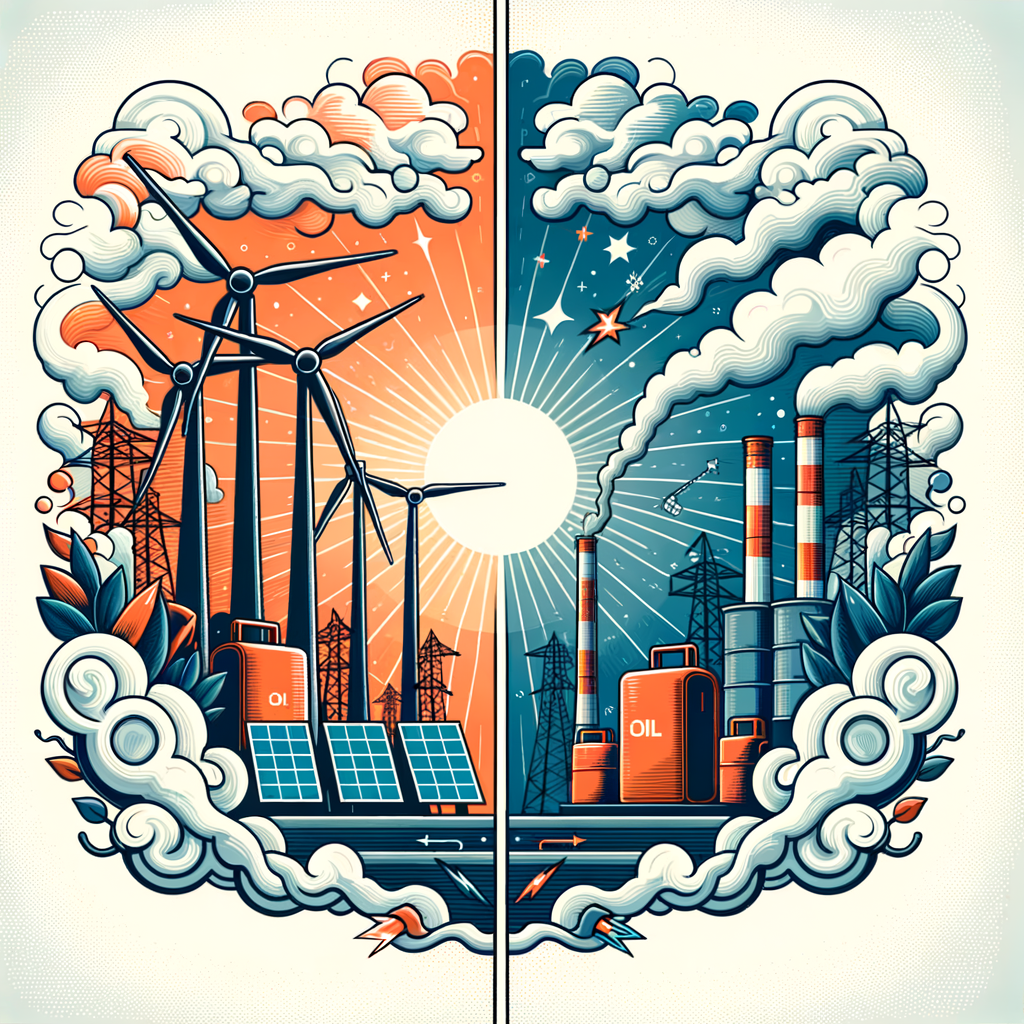
The main cause of climate change is the combustion of fossil fuels: coal, oil, and natural gas. These fuels contain carbon stored over millions of years. When burned for electricity, heat, transportation, and industry, that carbon becomes carbon dioxide in the atmosphere. According to the Intergovernmental Panel on Climate Change and the International Energy Agency, fossil fuel use accounts for the largest share of global greenhouse gas emissions. Coal is the most carbon-intensive major fuel, followed by oil, then natural gas. Even gas, often marketed as cleaner, still produces substantial carbon dioxide and can leak methane during extraction and transport.
Electric power generation is a major source because many grids still rely on coal and gas plants. A single coal plant can emit millions of tons of carbon dioxide each year. Transportation is another large contributor. Cars, trucks, ships, and planes mostly run on petroleum products, and emissions rise with vehicle size, mileage, congestion, and fuel quality. Buildings also play a role through gas heating, inefficient insulation, and high electricity demand. From working with emissions inventories, I can say the pattern is consistent across countries: where fossil energy dominates, climate pollution stays high, even if efficiency improves.
The reason fossil fuels are so central is not just volume but lock-in. Power plants, refineries, pipelines, highways, airports, and gas distribution networks are long-lived assets. Once built, they encourage continued fuel use for decades. That is why decarbonization requires more than consumer choice; it requires replacing infrastructure with clean electricity, efficient buildings, public transit, storage, and modern grids. Fossil fuels are the backbone cause of climate change because they affect nearly every economic sector and because their emissions accumulate, increasing atmospheric concentrations year after year.
Deforestation and Land Use Change Remove Natural Carbon Sinks
Forests, wetlands, grasslands, and healthy soils act as carbon sinks by absorbing and storing carbon dioxide. When these ecosystems are cleared, burned, or degraded, two things happen at once: stored carbon is released, and future carbon absorption is reduced. That is why deforestation and land use change are major causes of climate change. The problem is especially severe in tropical regions, where forest clearing for cattle ranching, soy production, logging, mining, and infrastructure can release large amounts of carbon quickly while also reducing biodiversity and rainfall stability.
The Amazon is a well-known example. Parts of the forest have shifted from acting primarily as a carbon sink to becoming a net source in some areas due to deforestation, fires, and warming. Indonesia’s peatlands provide another example. When peat forests are drained and burned for plantation expansion, they release enormous quantities of carbon dioxide because peat stores dense organic carbon underground. Mangroves, though smaller in area, are also critical. Destroying them releases “blue carbon” and weakens coastal protection. Land use change therefore affects both climate mitigation and climate resilience.
Not all land-based emissions come from clear-cutting. Degradation matters too. Repeated logging, fragmentation, overgrazing, and soil erosion reduce ecosystems’ ability to store carbon. Urban sprawl can convert productive land into heat-absorbing surfaces while increasing transport emissions. Better land management includes reforestation, avoided deforestation, agroforestry, peatland restoration, and stronger land rights for Indigenous communities, who often manage forests with lower deforestation rates. The core point is simple: climate change is caused not only by adding pollution, but also by dismantling the natural systems that would otherwise help balance the carbon cycle.
Agriculture and Food Systems Drive Methane and Nitrous Oxide
Agriculture is a major cause of climate change because it emits large amounts of methane and nitrous oxide, both potent greenhouse gases. Methane comes mainly from livestock digestion, manure management, rice cultivation, fossil fuel leakage, and waste. Nitrous oxide is released largely from soils treated with synthetic fertilizers and manure. While carbon dioxide gets most public attention, methane and nitrous oxide are critical because they trap far more heat per molecule than carbon dioxide over specific time horizons. In agricultural systems, emissions depend on feed, fertilizer rates, drainage, tillage, herd size, and waste handling practices.
Cattle are especially important because ruminants produce methane through enteric fermentation. Large dairy and beef industries therefore carry a significant climate footprint. Rice paddies also emit methane because flooded soils create low-oxygen conditions that favor methane-producing microbes. Fertilizer use contributes nitrous oxide when excess nitrogen is transformed by soil bacteria. I have seen farm emissions analyses where small changes in nitrogen management, feed additives, or manure storage meaningfully lowered emissions intensity, but total emissions still remained high when production volumes kept rising. Efficiency helps, but scale matters.
| Cause | Main Greenhouse Gas | How It Drives Warming | Common Real-World Example |
|---|---|---|---|
| Coal, oil, and gas use | Carbon dioxide | Releases long-stored carbon during combustion | Power plants, vehicles, industrial boilers |
| Deforestation | Carbon dioxide | Releases stored carbon and removes future absorption | Forest clearing for cattle or soy |
| Livestock and rice | Methane | Produces high-impact short-term warming | Cattle digestion and flooded paddies |
| Fertilizer use | Nitrous oxide | Emitted from nitrogen transformations in soils | Intensive corn and wheat production |
| Industrial chemicals | Fluorinated gases | Very high warming potential, often long-lived | Refrigeration and semiconductor manufacturing |
Food systems extend beyond farms. Emissions also come from feed production, refrigeration, transport, land clearing, packaging, and food waste. Diet patterns influence demand, especially where high meat consumption drives intensive livestock production. At the same time, agriculture is not a uniform villain; well-managed grazing, precision fertilization, cover crops, improved rice irrigation, and methane capture from manure can reduce emissions. The key takeaway is that climate change causes are embedded in the full food chain, from land conversion to retail loss, not only at the moment food is grown.
Industrial Processes, Cement, and Refrigerants Add Hard-to-Cut Emissions
Industry causes climate change both through energy use and through process emissions that occur even when fuel combustion is separated out. Cement is the clearest example. Making clinker, the binding component in cement, requires heating limestone and chemically converts calcium carbonate into lime, releasing carbon dioxide. This means cement emissions come partly from kilns and partly from the chemistry itself. Steel, aluminum, chemicals, and plastics also generate substantial emissions because they require high temperatures, carbon-intensive feedstocks, or both. Heavy industry is therefore one of the hardest sectors to decarbonize.
Fluorinated gases are another important industrial cause. These include hydrofluorocarbons used in refrigeration and air conditioning, as well as gases used in electronics and manufacturing. They are emitted in far smaller quantities than carbon dioxide, but many have extremely high global warming potential. Leaky cooling systems in buildings, supermarkets, and cold chains can therefore have outsized climate impact. The Kigali Amendment to the Montreal Protocol was designed to phase down hydrofluorocarbons for this reason. In practice, better refrigerant management, equipment maintenance, and low-impact alternatives can avoid significant warming.
Industrial emissions are often less visible than tailpipes or smokestacks because they are embedded in materials people use every day: concrete, fertilizer, packaging, appliances, and consumer goods. Supply chains spread these emissions across borders, which can hide responsibility in trade statistics. For businesses, this is where Scope 3 accounting often becomes essential. For policymakers, solutions include electrification, green hydrogen for selected uses, carbon capture in limited applications, clinker substitution, circular design, and stricter leak detection. Climate change cannot be addressed seriously without tackling these process-heavy sectors.
Waste, Urbanization, and Feedback Loops Intensify the Problem
Waste contributes to climate change mainly through methane from landfills and wastewater. When food scraps, paper, and other organic material decompose without oxygen in landfills, methane is produced. Many cities capture some landfill gas, but systems vary widely in effectiveness, and large volumes still escape. Open dumping is worse. Wastewater treatment can also emit methane and nitrous oxide when systems are poorly managed. These sources are smaller than fossil fuel combustion globally, but they are highly actionable because methane reductions can deliver relatively fast climate benefits.
Urbanization itself is not a direct greenhouse gas, but current patterns of urban development can increase emissions sharply. Low-density sprawl increases driving distances, road building, energy demand, and infrastructure costs. Buildings with weak energy codes lock in heating and cooling demand for decades. Air conditioning use rises as temperatures climb, and if the electricity comes from fossil fuels, that creates a reinforcing cycle. Dark pavements and limited tree cover intensify urban heat islands, which raises cooling needs further. Better urban design can cut emissions and improve health at the same time.
Climate feedback loops then amplify warming beyond the original causes. Melting ice reduces Earth’s reflectivity, so darker land and ocean absorb more heat. Warming can thaw permafrost, releasing additional carbon dioxide and methane. Drought and heat can increase wildfire frequency and severity, turning forests from carbon sinks into carbon sources. Warmer oceans absorb less carbon dioxide and can stress ecosystems that help regulate climate. These feedbacks are not the initial cause of current climate change, but they can accelerate it. That is why early emissions cuts matter more than delayed action; every increment of warming increases the risk of self-reinforcing change.
Natural Factors Exist, but They Do Not Explain Modern Warming
Natural climate drivers include volcanic eruptions, solar variability, orbital cycles, and internal patterns such as El Niño and La Niña. These influences have always affected Earth’s climate, and they still do. However, they do not explain the rapid warming observed since the late nineteenth century, especially the acceleration since the mid-twentieth century. Large volcanic eruptions usually cool the planet temporarily because sulfate aerosols reflect sunlight. Solar output has not increased in a way that matches the observed warming trend. Orbital cycles operate over thousands of years, not on the modern timeline.
The clearest evidence comes from attribution science. Climate models reproduce recent warming only when human greenhouse gas emissions are included. Observations also show a distinct fingerprint: the lower atmosphere is warming while the upper atmosphere cools, which is what greenhouse gas trapping predicts. Nights are warming faster than days in many places, oceans are accumulating immense heat, and carbon isotopes indicate that much of the extra atmospheric carbon comes from fossil sources. In short, natural causes still modulate year-to-year conditions, but human activity is the main cause of climate change today.
The practical takeaway is clear: if you want to understand the causes of climate change, focus first on fossil fuels, land use, agriculture, industry, and waste. Those are the systems people control, measure, and can change. Natural variability matters for forecasting and adaptation, but it does not remove responsibility or alter the evidence on what is driving long-term warming. Use this page as your starting point, then explore each cause in more detail and identify where emissions can be cut fastest in your community, organization, or sector.
Frequently Asked Questions
What are the main human causes of climate change today?
The main human causes of climate change are activities that increase the concentration of greenhouse gases in the atmosphere. The biggest driver is the burning of fossil fuels such as coal, oil, and natural gas for electricity, transportation, heating, and industry. When these fuels are burned, they release large amounts of carbon dioxide, which is the most important long-lived greenhouse gas produced by human activity. Carbon dioxide builds up in the atmosphere and traps heat, gradually raising global temperatures and disrupting weather patterns over time.
Other major causes include deforestation and land-use change, which reduce the planet’s ability to absorb carbon dioxide while also releasing stored carbon from trees and soils. Industrial agriculture is another significant source, especially through methane from livestock and rice production, as well as nitrous oxide from fertilizers and manure management. Certain industrial processes, including cement production and chemical manufacturing, also contribute substantial emissions. Together, these sources intensify the greenhouse effect, making Earth’s climate system warmer and less stable.
Why is burning fossil fuels considered the leading cause of climate change?
Burning fossil fuels is considered the leading cause of climate change because it accounts for the largest share of human-generated greenhouse gas emissions worldwide. Fossil fuels formed over millions of years from ancient organic matter, storing vast amounts of carbon underground. When humans extract and burn these fuels for power plants, vehicles, factories, airplanes, and buildings, that long-stored carbon is rapidly released into the atmosphere as carbon dioxide. This process adds more heat-trapping gases than natural systems can absorb at the same pace.
The scale of fossil fuel use is what makes it so powerful as a climate driver. Modern economies depend heavily on energy, and much of that energy still comes from coal, oil, and gas. Coal is especially carbon-intensive, while oil dominates transportation and natural gas is widely used for electricity and heating. In addition to carbon dioxide, fossil fuel production and distribution can release methane through leaks, especially from natural gas systems. Because these emissions are widespread, continuous, and large in volume, fossil fuel combustion remains the central force behind current global warming.
How do deforestation and land-use changes contribute to climate change?
Deforestation and land-use change contribute to climate change in two major ways. First, when forests are cleared, burned, or degraded, the carbon stored in trees and vegetation is released into the atmosphere, often as carbon dioxide. Second, removing forests weakens one of Earth’s most effective natural systems for absorbing carbon from the air. Healthy forests act as carbon sinks, pulling carbon dioxide out of the atmosphere through photosynthesis and storing it in trunks, roots, leaves, and soil. When those forests are lost, both storage and future carbon absorption are reduced.
Land-use change also includes converting forests, wetlands, and grasslands into farmland, roads, mines, or urban areas. These changes can disturb soils, release additional greenhouse gases, and alter local rainfall, temperature, and water cycles. Wetland destruction is especially important because wetlands store large amounts of carbon and can release emissions when drained or degraded. In short, changing how land is used does not just affect ecosystems and biodiversity; it directly changes how much heat-trapping pollution enters the atmosphere and how well the planet can regulate its climate.
What role does agriculture play in causing climate change?
Agriculture plays a major role in climate change because it produces several powerful greenhouse gases beyond carbon dioxide. One of the most important is methane, which is released by livestock such as cattle and sheep during digestion and from manure storage. Methane is also emitted from rice paddies, where waterlogged conditions create an environment that produces this gas. Although methane does not stay in the atmosphere as long as carbon dioxide, it is far more effective at trapping heat over shorter periods, making it a major contributor to near-term warming.
Agriculture also generates nitrous oxide, a greenhouse gas with a very strong warming effect, largely through the use of synthetic fertilizers and manure applied to soils. When excess nitrogen is added to farmland, soil microbes can convert part of it into nitrous oxide, which then escapes into the atmosphere. Beyond these direct emissions, agriculture can drive deforestation when land is cleared for grazing or crop production, adding even more climate impact. This means the agricultural sector affects climate change not only through food production itself, but also through land clearing, fertilizer use, livestock systems, and supply-chain energy use.
Are natural causes still affecting climate change, or is modern warming mostly caused by humans?
Natural factors still influence Earth’s climate, but modern global warming is overwhelmingly driven by human activity. Over long periods in Earth’s history, climate has changed because of volcanic eruptions, variations in solar energy, changes in Earth’s orbit, and natural ocean-atmosphere cycles. These factors can still affect year-to-year or decade-to-decade conditions, and they are important for understanding the full climate system. However, they do not explain the rapid and sustained warming observed since the Industrial Revolution, especially over the last several decades.
Scientists know modern warming is mostly caused by humans because multiple lines of evidence point to the buildup of greenhouse gases from fossil fuels, deforestation, agriculture, and industry. Atmospheric measurements show sharp increases in carbon dioxide, methane, and nitrous oxide that match human sources. The chemical signature of the carbon in the atmosphere also indicates fossil fuel origins. At the same time, climate models that include only natural factors cannot reproduce the warming trend that has been observed, while models that include human emissions can. In other words, natural causes still exist in the background, but they are not the main reason the planet is heating up today.