
Climate change is an indisputable reality that demands immediate and collective action from individuals, communities, governments, and industries globally. With each passing day, the consequences of inaction become more severe, manifesting in unprecedented natural disasters, rising global temperatures, and the loss of biodiversity. Addressing climate change requires comprehensive strategies that encompass various solutions, both innovative and traditional, to mitigate and adapt to its impacts. These solutions are crucial in steering the planet toward a sustainable future and ensuring that future generations can thrive in a healthy and balanced ecosystem. To effectively tackle climate change, a combination of technological advancements, policy reforms, grassroots movements, and individual responsibilities must converge. Understanding the most effective climate change solutions is key to accelerating action and broadening the global commitment to a greener planet.
This comprehensive overview explores diverse and impactful solutions to climate change: reducing greenhouse gas emissions, transitioning to renewable energy, enhancing energy efficiency, and promoting sustainable land use practices. Additionally, it highlights the importance of climate education and the implementation of stringent global policies. Each solution plays an integral role in the broader scheme of climate action, addressing various aspects of the environmental, economic, and social challenges posed by climate change. By delving into these solutions, this article aims to provide valuable insights into practical measures for battling climate change, emphasizing the urgent need for a unified global response.
Reducing Greenhouse Gas Emissions
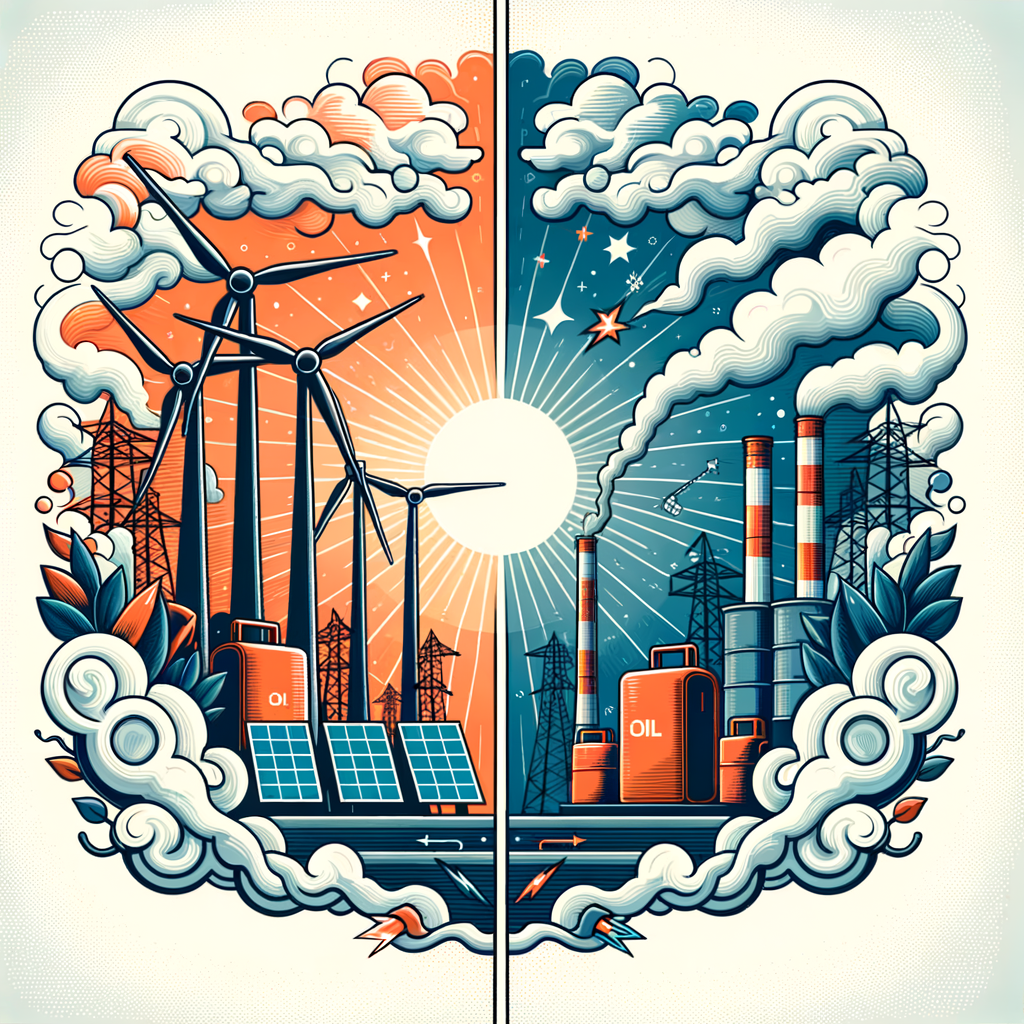
Reducing greenhouse gas emissions is perhaps the most critical step in combating climate change. These emissions, primarily from burning fossil fuels for electricity, transportation, industry, and residential use, are the leading cause of global warming. To effectively reduce emissions, countries must prioritize decarbonization efforts across economic sectors. This involves shifting away from fossil fuels like coal, oil, and natural gas toward cleaner alternatives such as wind, solar, and nuclear power. Moreover, governments should implement policies that incentivize emissions reductions, such as carbon pricing, through taxes or cap-and-trade systems, which place a financial burden on emitting carbon, encouraging industries and individuals to innovate and adopt lower-emission technologies.
Transitioning to electric vehicles (EVs) is another pivotal measure in reducing carbon emissions, particularly in the transportation sector, which is a significant contributor to greenhouse gases. The adoption of EVs is greatly facilitated by advancements in battery technology and expanding charging infrastructure. Governments can further encourage the use of electric vehicles by offering tax incentives, rebates, and investing in public transport electrification. By reducing dependency on petrol and diesel, air quality can be improved, and urban areas can be made more livable. The transition to more sustainable transportation options represents a significant step toward a low-carbon future.
Transitioning to Renewable Energy
One of the most effective climate solutions is transitioning to renewable energy sources. Unlike fossil fuels, renewable energies like solar, wind, hydroelectric, and geothermal power do not emit carbon dioxide during operation. Investment in renewables has been steadily increasing as costs have fallen and technology has advanced, making them increasingly competitive compared to traditional energy sources. Significant growth in renewable energy generation has been observed globally, with some regions already achieving notable percentages of their energy needs through renewable sources. Governments and private industries must continue investing in research and development to enhance the efficiency and integration methods of renewable energy into the existing grid.
Another critical component of transitioning to renewable energy is developing battery storage solutions. As renewable energy sources such as wind and solar are intermittent, effective storage solutions are required to balance supply and demand. Batteries and other energy storage systems can store excess energy generated during peak production times and release it when needed, ensuring a continuous power supply. Encouraging the installation of small-scale renewable energy systems, such as rooftop solar panels, can empower consumers to contribute to energy resilience and the broader energy transition, decentralizing and democratizing energy production.
Enhancing Energy Efficiency
Enhancing energy efficiency is a highly cost-effective way to reduce carbon emissions and combat climate change. Energy efficiency refers to using less energy to perform the same tasks, minimizing energy waste. Implementing energy-efficient technologies and practices across industries, buildings, and transportation can significantly reduce energy consumption and carbon emissions. For instance, utilizing energy-efficient appliances, lighting, and HVAC systems in residential and commercial buildings plays a crucial role in reducing energy use. Industries can minimize energy usage by optimizing processes, adopting energy-efficient machinery, and improving infrastructure.
Government policies and building codes promoting energy efficiency, such as the Leadership in Energy and Environmental Design (LEED) certification and the Energy Star program, can drive widespread adoption of energy-efficient practices. Public awareness campaigns can also play a significant role in educating consumers about energy conservation and the benefits of energy-efficient products and technologies. By integrating energy efficiency into every economic sector, societies can reduce their carbon footprint, lower energy costs, and contribute to the broader climate change mitigation efforts.
Promoting Sustainable Land Use Practices
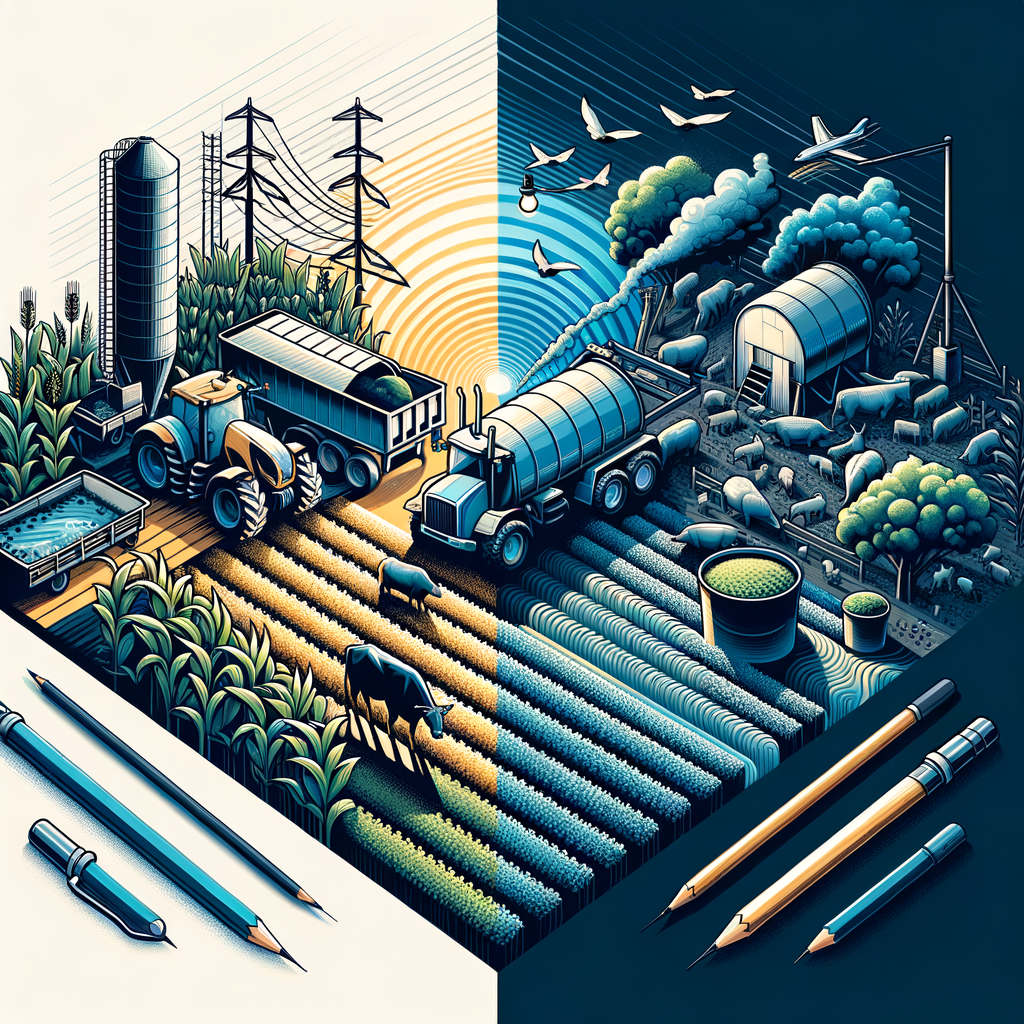
Sustainable land use practices are vital for reducing emissions and enhancing climate resilience. Deforestation and land degradation are significant sources of greenhouse gases, particularly carbon dioxide. Protecting and restoring forests, wetlands, grasslands, and other natural ecosystems enhance biodiversity, capture carbon, and provide valuable ecological benefits. Sustainable agriculture practices, such as agroforestry, permaculture, and organic farming, contribute to climate adaptation and mitigation by improving soil health, enhancing water retention, and reducing reliance on chemical fertilizers and pesticides. Implementing carbon sequestration techniques, such as biochar and reforestation, can also capture and store significant amounts of carbon in soils and vegetation.
Another aspect of sustainable land use involves protecting ocean ecosystems. Marine environments serve as vital carbon sinks. Practices like reducing overfishing, regulating coastal development, and preserving mangroves and sea grasses contribute to maintaining the natural carbon cycle while supporting livelihoods in local communities. Supporting community-led conservation initiatives and establishing protected areas can further ensure sustainable land and ocean management, balancing environmental protection and local economic development needs.
Importance of Climate Education
Climate education is a foundational element in fostering an informed society capable of addressing climate change effectively. By developing a deeper understanding of the causes, impacts, and solutions to climate change, individuals are better equipped to make informed decisions in their personal and professional lives. Educational institutions, non-governmental organizations, and community groups play a crucial role in disseminating accurate information and cultivating environmental stewardship. Integrating climate science into curriculums and promoting hands-on learning experiences can get younger generations engaged in environmental issues, inspiring them to become advocates for climate action.
Overall, accessible and comprehensive climate education empowers communities to demand effective policies and hold decision-makers accountable. Through climate education, individuals and communities can develop and adopt sustainable practices, supporting broader global climate initiatives and fostering a culture of environmental responsibility and resilience to climate impacts.
Implementing Global Policies and Cooperation
Effective climate change action requires strong international cooperation and policy implementation. Global agreements, such as the Paris Agreement, establish frameworks for countries to pledge emissions reductions and support vulnerable nations in adapting to climate impacts. These agreements promote transparency, accountability, and joint efforts to achieve global climate goals. Advocating for more ambitious national commitments and policies aligning with international goals is crucial, alongside facilitating technology transfer and financial assistance to developing countries.
Additionally, nations should consider forming regional alliances and engaging in technology-sharing partnerships to enhance mutual capabilities in combating climate change. Cross-border cooperative platforms addressing climate-related challenges can strengthen the collective resolve required to tackle climate change effectively. Global cooperation is essential in ensuring an equitable transition that leaves no community behind and paves the way for a sustainable and just solutions-driven future.
Conclusion
Climate change presents formidable challenges, but it also offers opportunities for innovation, cooperation, and transformative change. The most effective climate change solutions encompass reducing greenhouse gas emissions, transitioning to renewable energy, enhancing energy efficiency, promoting sustainable land use practices, and prioritizing climate education and global cooperation. Every solution is interconnected, requiring a multifaceted approach that emphasizes collaboration between governments, industries, and individuals. Engaging diverse stakeholders and adopting integrated strategies pave the path toward achieving significant and lasting impacts in combating climate change.
The path to a sustainable future necessitates unprecedented economic, political, and social shifts. By embracing the outlined solutions promptly and decisively, societies worldwide can transition toward more sustainable growth patterns, safeguarding the planet’s ecosystems for future generations. Continued commitment, innovation, and vision will define success in this endeavor, ensuring that humanity addresses climate change with urgency, responsibility, and dedication, thereby securing a stable and resilient world.
Frequently Asked Questions
What are the most impactful solutions to combat climate change?
Addressing climate change effectively requires a multifaceted approach, incorporating a blend of innovative and traditional strategies. Renewable energy sources like solar, wind, and hydro are at the forefront, offering clean alternatives to fossil fuels, which are major contributors to greenhouse gas emissions. Energy efficiency in housing, transportation, and industry also plays a critical role, significantly reducing carbon footprints. Furthermore, reforestation and protecting existing forests are crucial, as trees absorb vast amounts of CO2, acting as natural carbon sinks.
In addition, advancements in technology, such as carbon capture and storage, can help remove CO2 directly from the atmosphere. Policy changes at governmental levels, including carbon pricing and subsidies for green technologies, further enhance efforts. Crucially, engaging communities and encouraging sustainable practices at an individual level amplify the impact of these systemic changes. A combination of these strategies provides a holistic solution to the climate crisis.
How can individuals contribute to climate change solutions?
Individuals wield significant power in combating climate change through everyday actions and lifestyle changes. Embracing energy efficiency by reducing electricity usage, using energy-efficient appliances, and opting for public transportation or carpooling can dramatically lessen personal carbon footprints. Moreover, adopting a plant-based diet or reducing meat consumption can considerably cut emissions since the livestock industry is a significant greenhouse gas emitter.
Reducing waste through recycling, composting, and mindful consumption not only minimizes landfill contributions but also conserves natural resources. Advocacy and education are equally important—individuals can raise awareness within their communities and influence policy by voting for leaders committed to environmental causes. Financial support for sustainable businesses and products, as well as investments in green funds, also drive economic shifts needed for larger change.
How important is the role of governments in climate change solutions?
Governments are pivotal in spearheading climate change initiatives. They have the authority and resources to implement systemic changes at a scale that individuals or private organizations cannot match. By setting ambitious emission reduction targets and enforcing regulations that limit pollution, governments can significantly curb the release of greenhouse gases. Policymaking that supports renewable energy, such as providing incentives for its development or investing directly in infrastructure, accelerates the transition to cleaner technologies.
On an international level, governments are crucial in forging cooperative agreements that address climate change across borders. Participation in global accords such as the Paris Agreement is vital for unified climate action. Additionally, governments play a critical role in funding research and development for innovative climate solutions and adapting existing infrastructures to withstand the impacts of climate change. This leadership sets a framework that involves businesses and communities in a concerted effort to safeguard the planet.
What role does technology play in mitigating climate change?
Technology is a cornerstone in the fight against climate change, offering groundbreaking solutions for both mitigation and adaptation. Renewable energy technologies, like advancements in photovoltaic cells for solar energy, have made clean power more accessible and efficient. Innovations in battery storage address the intermittent nature of renewables, ensuring consistent energy supply. Furthermore, smart grid technologies enhance electricity distribution, improving efficiency and reducing energy waste.
Additionally, carbon capture and storage technologies are being developed to trap emissions at their source or remove CO2 from the atmosphere directly. In agriculture, technology aids in precision farming that optimizes resource use and reduces waste. Beyond these, technology-driven data analytics support climate modeling, enabling more accurate predictions and better preparedness for climate-related events. Through these technological advancements, we can create adaptable and resilient systems to combat the diverse challenges posed by climate change.
How does reforestation contribute to climate change solutions?
Reforestation is one of the most natural and effective methods of combating climate change. Trees play a crucial role in absorbing carbon dioxide from the atmosphere through the process of photosynthesis, acting as significant carbon sinks that help offset emissions from human activities. Deforestation, conversely, not only reduces the number of trees available to absorb CO2 but also releases stored carbon back into the atmosphere, exacerbating climate change.
By restoring deforested areas and expanding forest cover, reforestation projects can significantly reduce greenhouse gas concentrations in the atmosphere. Moreover, forests provide critical ecosystem services, such as maintaining biodiversity, protecting watersheds, and preventing soil erosion, which are vital for the overall health of the environment. Community-led reforestation initiatives often provide additional socioeconomic benefits by creating jobs and enhancing environmental consciousness. As part of a larger climate strategy, reforestation complements technological and policy efforts, presenting a holistic approach to tackling climate change.