Global warming is a pressing challenge that significantly impacts our environment, contributing to an alarming rise in climate disasters. Due to the increase in greenhouse gases, specifically carbon dioxide, resulting from human activities such as burning fossil fuels, deforestation, and industrial processes, our planet’s temperature is rising at an unprecedented rate. Understanding how global warming fuels climate disasters is imperative to devising effective strategies to combat these changes and reduce their devastating effects. This article aims to provide a comprehensive overview of the mechanisms through which global warming leads to destructive climate events, including heatwaves, hurricanes, floods, wildfires, and droughts. By delving into these connections in detail, we can appreciate the gravity of the situation, informing policy decisions and encouraging individual actions to mitigate such threats. While the topic is complex, examining the links between global warming and climate disasters is critical to address a challenge that affects millions worldwide.
Recent data and scientific reports highlight that the Earth’s average temperature has risen by about 1.2 degrees Celsius since the late 19th century. Although this may appear minor, this increase has far-reaching effects. These effects are visible in the intense and frequent weather events we’re experiencing globally. When left unchecked, this temperature rise exacerbates natural weather patterns, leading to climate disasters that affect both ecosystems and human societies. These events not only threaten lives and property but also disrupt economies and have severe implications for food security, health, and water resources. The interconnectivity of these impacts underlines the urgency of addressing the root causes of global warming.
The science behind global warming and climate change provides clarity on how these changes manifest physically in the form of extreme weather events. This foundational knowledge is crucial for understanding the subsequent sections, which detail how specific climate disasters are connected to the increase in global temperatures. With clear, scientific, and anecdotal evidence, this comprehensive discussion will reveal how intertwined the global warming crisis and the surge in climate disasters are, preparing us for a proactive stance in combating these challenges.
Now, let us explore the various ways through which global warming contributes to these catastrophic phenomena, emphasizing different disaster types and highlighting their unique connections and effects. As we delve deeper into specific climate disasters, understanding these links becomes critical not only for future policymaking but also for community awareness and adaptation strategies worldwide.
Global Warming and Heatwaves
Heatwaves are one of the most direct and obvious consequences of global warming. As the planet’s average temperature rises, so too does the likelihood of extreme heat events. Increased temperatures enhance the frequency and severity of heatwaves. Over the last century, the number of heatwaves has increased, and their duration has extended considerably. Evidence suggests that human-induced global warming is responsible for amplifying these events, with dire consequences for both human health and natural ecosystems. Rising global temperatures destabilize atmospheric pressure layers, resulting in high-pressure systems that trap heat, creating prolonged periods of extreme temperatures.
The exacerbation of heatwaves poses a host of challenges. It places immense pressure on healthcare systems due to heat-related illnesses, such as heat strokes and dehydration, especially affecting vulnerable populations, including the elderly and those with pre-existing health conditions. Additionally, extreme temperatures can lead to crop failures, reduce water supply, and strain energy grids as demand for cooling escalates. Prolonged heat can also cause road surfaces to soften and railway tracks to distort, impacting transportation infrastructures and insurance sectors due to increased claims related to heat damage.
Hurricanes and Tropical Storms
Global warming undoubtedly influences the intensity and frequency of hurricanes and tropical storms. These meteorological phenomena thrive on warm ocean water, which serves as fuel for their development. As the Earth’s surface temperature rises, so does the temperature of our oceans. Warmer sea surface temperatures intensify hurricanes, causing them to grow stronger and potentially more destructive. Higher temperatures contribute to greater evaporation rates and increased humidity, feeding storms and resulting in heightened rainfall intensity. The increased moisture and heat provide the energy needed for storms to grow more rapidly and maintain their intensity.
The connection between global warming and intensified hurricanes has been observed through the rising frequency of Category 4 and 5 hurricanes. These massive storms wreak havoc on coastal communities, causing widespread destruction, economic losses, and fatalities. Storm surges, exacerbated by rising sea levels, inundate coastal areas, destroying infrastructure, displacing populations, and leading to long-term economic recovery challenges. Additionally, the economic burden of damages can set back years of development in affected regions, emphasizing the need for resilience-building strategies.
Floods
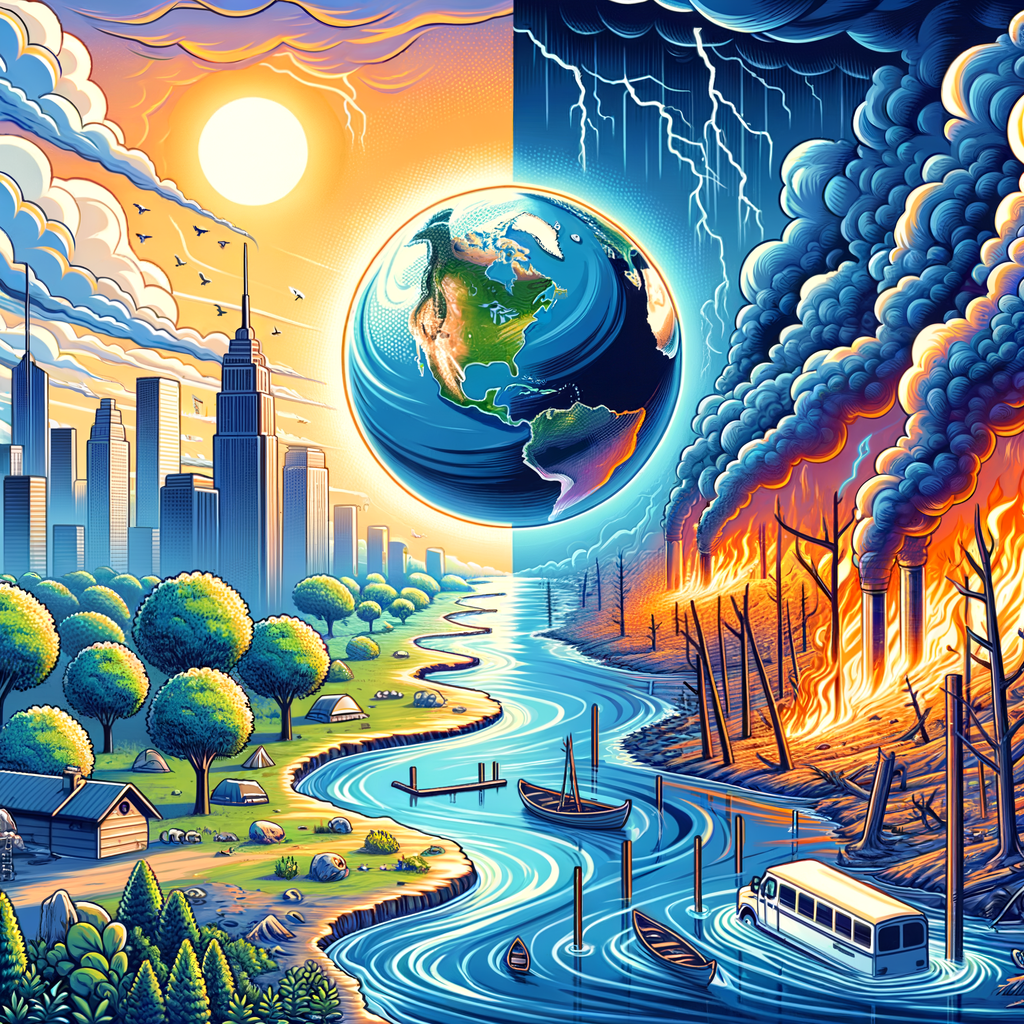
Another significant consequence of global warming is the increase in the frequency and intensity of flooding events. This is intricately linked to the rise in atmospheric temperatures. Warmer air holds more moisture, leading to heavier and more prolonged rainfall events. As the climate warms, the likelihood of precipitation extremes dramatically increases. Areas once considered safe from flooding may now face frequent inundation, forcing communities to rethink their urban planning and infrastructure designs.
Floods have a dual impact, affecting both human populations and ecosystems. They can contaminate water supplies, lead to the spread of waterborne diseases, and decimate crops and livestock. Infrastructure damage can be severe, with roads, bridges, and homes facing substantial destruction. Economically, floods lead to high recovery costs and insurance claims, burdening economies and governments. Moreover, the psychological impact on individuals and communities from recurrent flood damages is profound. Since water and food supplies are often severely impacted, floods can escalate into broader humanitarian concerns, especially in regions with limited resources.
Wildfires
The interplay between global warming and the increase in wildfires is particularly significant. Rising temperatures contribute to prolonged dry seasons and decreased soil moisture, creating ideal conditions for wildfires to ignite and spread rapidly. These conditions are exacerbated by changing precipitation patterns, which can leave forests and grasslands drier than usual. With less moisture to restrain them, natural ignition sources like lightning or human activities can spark devastating fires that consume vast tracts of land.
Wildfires have far-reaching impacts on air quality, public health, and biodiversity. Smoke and pollutants released during fires pose health risks, particularly for individuals with respiratory illnesses. Moreover, the destruction of homes and habitats leads to economic uncertainty and psychological distress for affected communities. Biodiversity loss is another crucial consequence. The destruction of forests and ecosystems can lead to the extinction of species unable to relocate or adapt to rapidly changing environments.
Droughts
Global warming is a significant driver behind the increasing severity and frequency of droughts. Rising global temperatures cause shifts in precipitation patterns, resulting in longer, more frequent droughts. The changing weather patterns disrupt the balance of freshwater ecosystems, reducing water levels in rivers and lakes and depleting groundwater reserves. This situation is exacerbated by increased evaporation, attributable to higher temperatures, reducing the availability of water critical for agriculture, industry, and human consumption.
Droughts present substantial challenges in terms of water scarcity, food insecurity, and economic stability. Agriculture, which relies on consistent water supply, is the hardest hit, leading to crop failures and increased food prices. This situation pressures economies, triggering inflation and impeding economic growth. In extreme cases, droughts contribute to social conflicts over resources, leading to displacement and competition for remaining water supplies. Furthermore, reduced water availability can impact energy production, particularly in regions reliant on hydroelectric power, underscoring the interconnectedness of water resources across sectors.
Polar Ice Melt and Sea Level Rise
As global temperatures soar, polar ice caps and glaciers are melting at alarming rates, contributing to rising sea levels. This melting process is among the most visible and impactful indicators of global warming. Warmer temperatures accelerate the melting of ice sheets in the Arctic and Antarctic regions and glaciers worldwide, adding more water to the oceans. Furthermore, thermal expansion caused by warming ocean waters further compounds this issue, leading to significant rises in sea levels.
Rising sea levels pose a considerable threat to low-lying coastal areas, resulting in unprecedented challenges in terms of land erosion, saltwater intrusion, and habitat loss. Many small island nations face the existential threat of being submerged, threatening the livelihood and culture of millions. Economically, the cost of defending coastlines with barriers and the potential relocation of populations poses enormous expenses that can stress national budgets.
Conclusion
Global warming is an undeniable driver of many contemporary climate disasters, presenting multifaceted challenges that require urgent and comprehensive intervention. The connection between rising temperatures and climatic events such as heatwaves, hurricanes, floods, wildfires, droughts, and polar ice melt is clear. These disasters wreak havoc on communities, economies, and ecosystems, illustrating the profound impact of human activities on natural systems. As the world grapples with the realities of global warming, understanding the scientific correlations between these warming trends and climate disasters is essential in crafting effective policies and initiatives aimed at mitigation and adaptation.
Scientific understanding, coupled with evidence from recent extreme weather events, underscores the need for immediate action to curb greenhouse gas emissions and transition towards sustainable energy sources. Efforts must also focus on building resilient communities capable of withstanding the inevitable changes brought about by existing climate alterations. This includes investing in infrastructure, advancing public health initiatives, and enhancing disaster preparedness to reduce vulnerability to climate disasters.
Moreover, global cooperation must be prioritized, as climate change and its consequent disasters know no borders. Collaborative international efforts can lead to shared technological innovations, financial assistance for developing regions, and cohesive strategies that balance economic growth with environmental sustainability. On an individual level, raising awareness and encouraging behavioural changes, such as reducing carbon footprints through lifestyle adjustments, can collectively make a significant impact.
As the urgency to address global warming intensifies, both immediate action and long-term strategies are vital to mitigate the effects of climate disasters. The evidence is compelling, and the responsibility is collective – securing a sustainable future demands a concerted effort from governments, corporations, communities, and individuals alike. By addressing global warming’s root causes and its multifaceted impacts on climate disasters, we pave the way for a more stable and resilient future for generations to come.
“`htmlFrequently Asked Questions
1. How does global warming cause an increase in climate disasters like hurricanes and storms?
Global warming significantly contributes to more intense and frequent climate disasters such as hurricanes and storms. This occurs because the increased greenhouse gases in our atmosphere, primarily due to human activities like industrial emissions and burning fossil fuels, lead to heightened global temperatures. Warmer temperatures result in the warming of ocean water, which is a crucial factor since these warm waters provide the energy necessary for storms to develop and intensify. As ocean temperatures rise, we see stronger storms, with more rain and higher winds, causing more destruction on land. Additionally, warmer air can hold more moisture, leading to heavier rainfall and the potential for catastrophic flooding. The increased intensity and frequency of these storms have significant implications for communities worldwide, resulting in more disasters, loss of life, and economic damage.
2. In what ways does global warming affect droughts and heatwaves?
Global warming plays a pivotal role in exacerbating both the intensity and frequency of droughts and heatwaves. As the planet’s temperatures rise due to the increased concentration of heat-trapping gases in the atmosphere, evaporation rates from land and bodies of water intensify. This means the soil dries out more quickly, reducing water availability and leading to longer, more severe droughts. Simultaneously, rising temperatures lead to longer heatwave durations and more intense heat, affecting human health, agriculture, and water supplies. These heatwaves can also lead to a vicious cycle where dry conditions and high heat contribute to fast-spreading wildfires, further depleting natural landscapes and endangering lives. Together, these factors showcase how global warming disrupts weather patterns and increases the likelihood of extreme, prolonged dry events paired with intense heat.
3. How does global warming lead to increased flooding events?
One of the profound impacts of global warming is the increase in severe flooding events. As global temperatures soar, the atmosphere becomes capable of holding more moisture, resulting in heavier precipitation events when it rains. Consequently, what would traditionally be moderate rainfall can now turn into torrential downpours, over a short period, often overwhelming drainage systems and natural waterways. Moreover, global warming contributes to the melting of ice caps and glaciers, causing sea levels to rise. This rising sea level increases the risk of coastal flooding, even during regular storm surges. Furthermore, changes in precipitation patterns caused by climate change can lead to increased rainfall in some regions, while others experience severe droughts. These factors culminate in rising flood risks, especially in already susceptible areas, threatening livelihoods, mobility, and infrastructure, and necessitating effective flood management and planning strategies to mitigate potential damage.
4. What role does global warming play in the frequency and intensity of wildfires?
Global warming has a substantial impact on the frequency and intensity of wildfires, making them more severe and challenging to control. Rising temperatures lead to dryer conditions because of increased evaporation rates, turning forests and grassy areas into tinderboxes, ripe for ignition. The resulting dry conditions combined with wind intensification promote more frequent, intense wildfires. Moreover, invasive plant species — which are often more flammable — thrive in these warmer conditions, adding fuel to potential fires. Once started, these fires burn hotter and spread more quickly, devastating ecosystems and communities with heightened ferocity. The indirect consequences of global warming also contribute; for example, earlier snowmelt in mountainous areas reduces water availability during hotter months, exacerbating dry conditions. Understanding these dynamics helps us to adapt fire management practices and enhance community resilience against such natural threats.
5. How do rising sea levels, linked to global warming, contribute to climate disasters?
Rising sea levels are one of the most visible consequences of global warming that directly contribute to climate disasters. As global temperatures rise, thermal expansion causes seawater to expand, while melting polar ice caps and glaciers add to overall sea volume. This phenomenon leads to higher sea levels that exacerbate flooding and erosion, particularly threatening coastal regions. Rising seas can submerge low-lying areas, leading to permanent loss of land and making infrastructure repairs a regular necessity. Additionally, the phenomenon increases the impact of storm surges, as higher water levels allow storms to penetrate further inland, causing more significant flooding and damage during extreme weather events like hurricanes. This contributes to more frequent and intense disasters, affecting millions globally, particularly in low-lying island nations and coastal cities, necessitating heightened disaster preparedness and resilience-building measures to protect at-risk communities and biodiversity.
“`