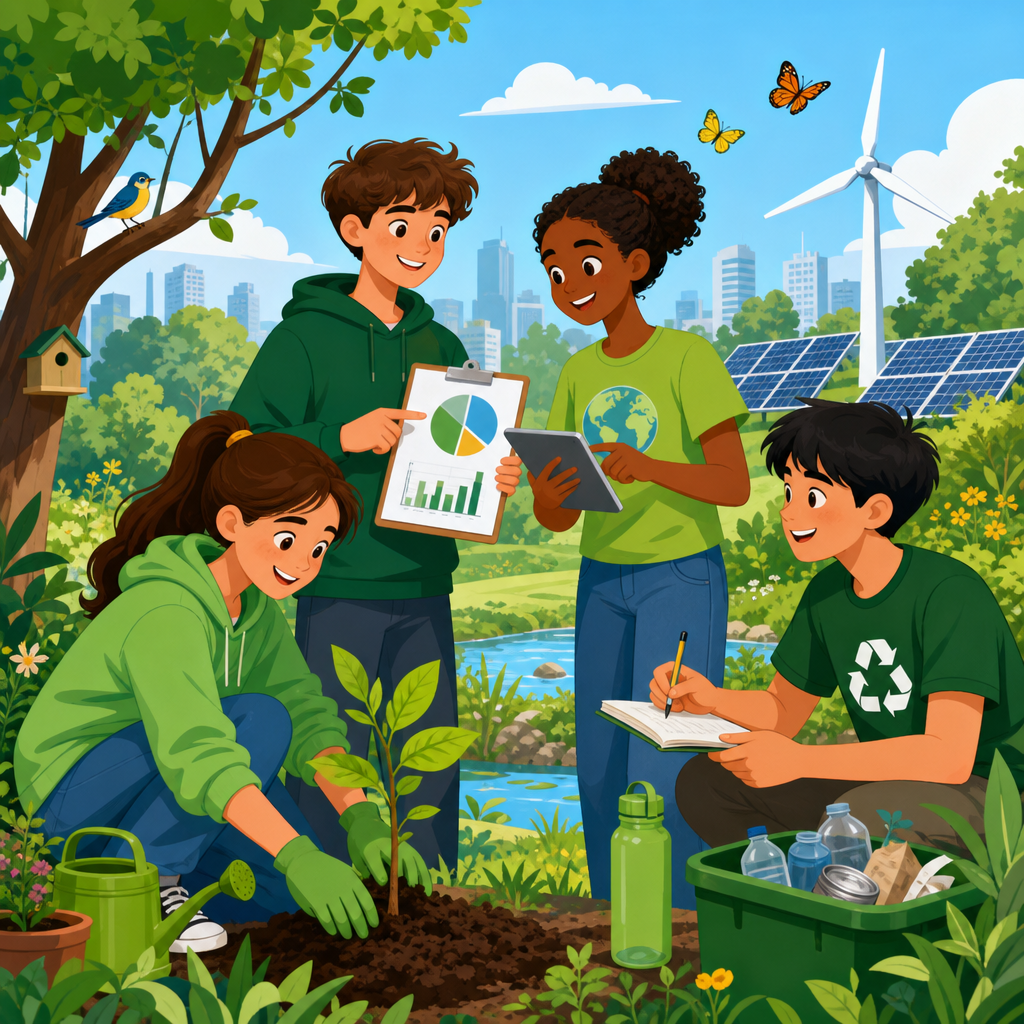
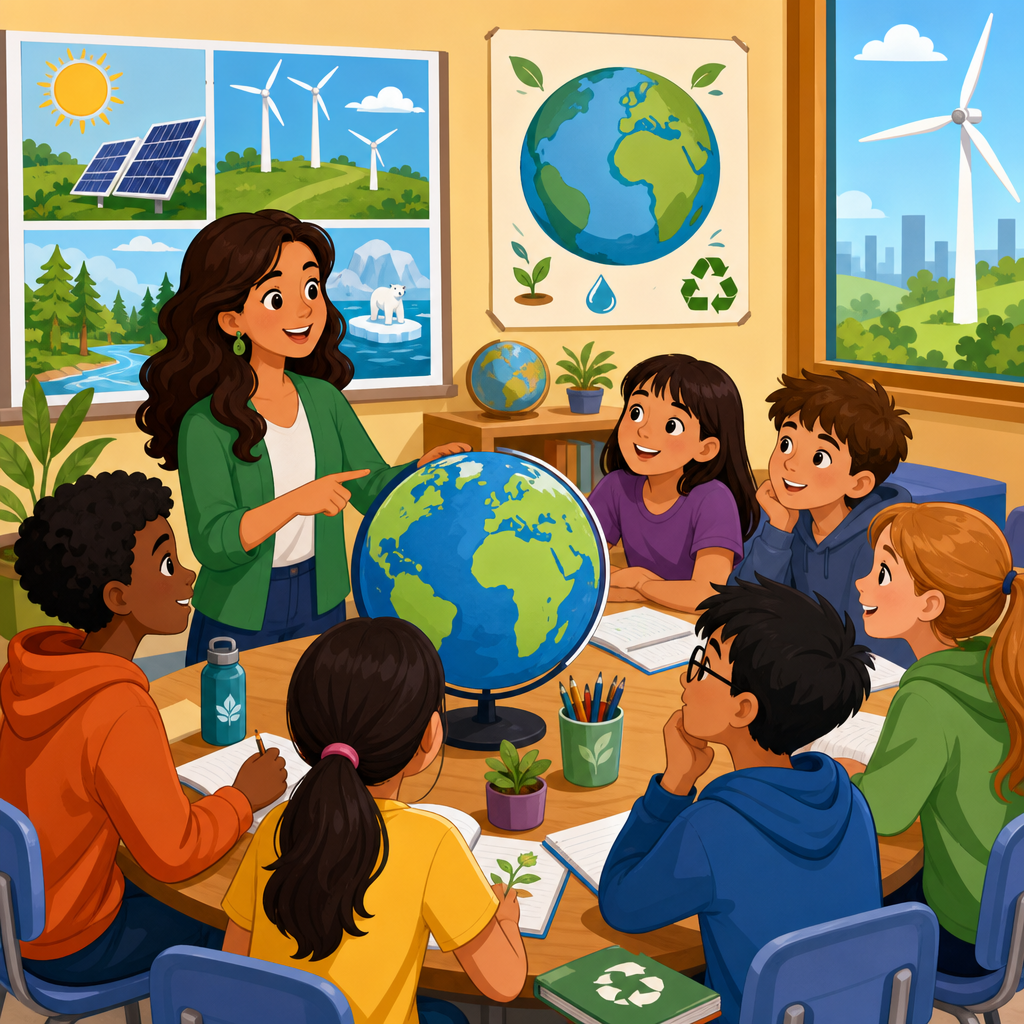
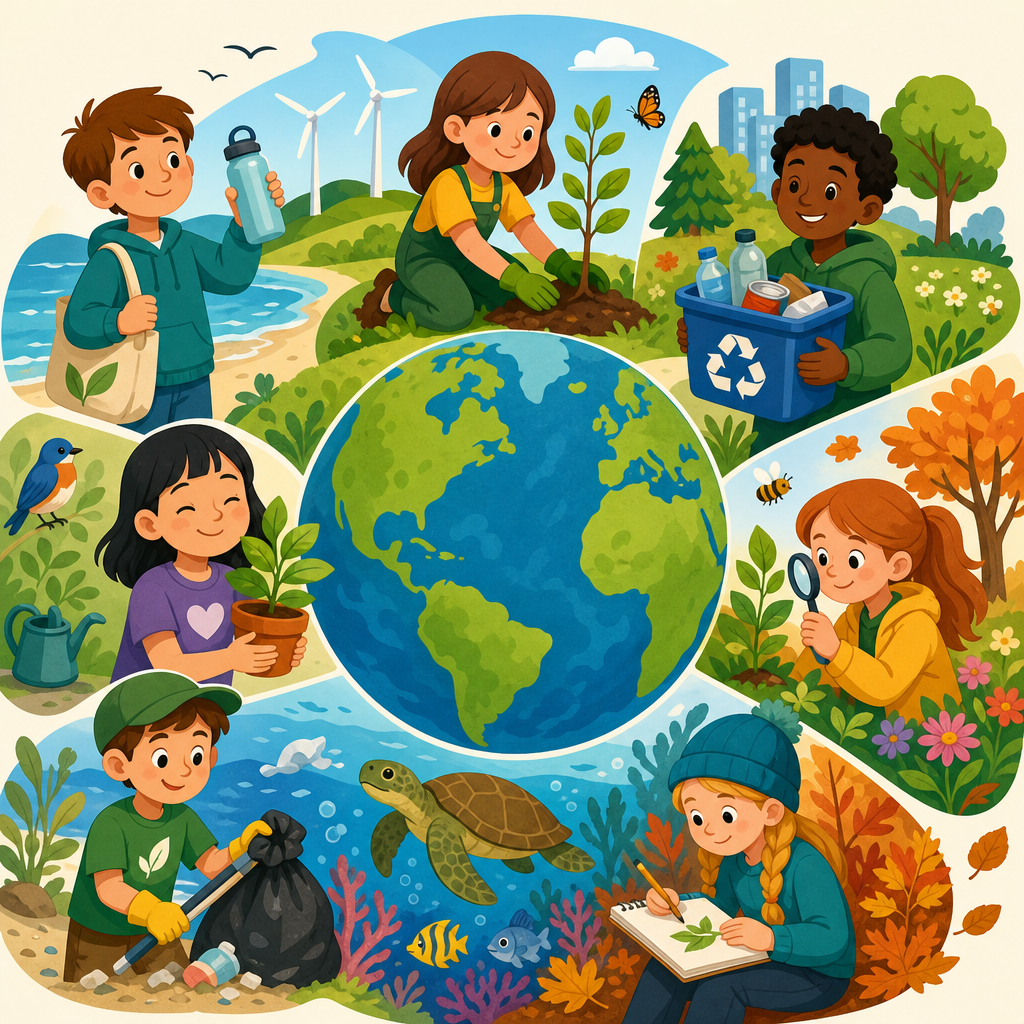
Integrating sustainability into school curriculum means embedding environmental literacy, social responsibility, and practical problem solving across subjects so students learn how natural systems, economies, and communities interact. In schools, an environmental curriculum is not a single recycling lesson or an annual Earth Day event; it is a structured approach that connects science, geography, civics, mathematics, language arts, design, and campus operations to real sustainability challenges. When I have helped schools redesign programs, the most effective plans treated sustainability as both content and practice: students studied climate science in class, measured waste in cafeterias, mapped biodiversity on campus, and presented policy recommendations to administrators. That combination turns abstract concern into usable knowledge.
This matters because today’s students will make decisions in a world shaped by climate change, biodiversity loss, water stress, energy transition, and resource constraints. UNESCO’s Education for Sustainable Development framework and the UN Sustainable Development Goals have given schools a widely recognized structure for teaching these topics, but implementation still varies widely. Some schools confine sustainability to science departments, while others build whole school models that influence procurement, food, transportation, facilities, and community partnerships. The second approach consistently produces deeper learning because students see sustainability as a set of daily choices and systems, not a chapter in a textbook.
Environmental curriculum for schools also supports core academic outcomes. Inquiry-based sustainability projects strengthen data analysis, persuasive writing, systems thinking, and collaboration. Students learn to interpret local air quality data, compare energy costs, write evidence-based proposals, and evaluate tradeoffs between environmental, social, and financial priorities. For school leaders, the goal is not to add one more initiative to an already crowded schedule. The goal is to use sustainability to organize learning around authentic questions: Where does our water come from? How much energy does our building use? What happens to our waste? How do local ecosystems support community health? When curriculum answers those questions clearly and repeatedly, sustainability becomes teachable, measurable, and relevant.
What an environmental curriculum for schools includes
An effective environmental curriculum for schools has four connected parts: knowledge, skills, values, and action. Knowledge covers ecology, climate systems, energy, materials, food systems, pollution, conservation, and environmental justice. Skills include observation, research, field sampling, statistics, life cycle thinking, stakeholder analysis, and communication. Values involve stewardship, responsibility, fairness, and respect for evidence. Action means students apply learning through projects, operational improvements, or community engagement. If one part is missing, programs weaken. I often see schools teach climate facts without student agency, or run gardens without tying them to science standards. Strong curriculum does both.
Age progression matters. In early years, students can learn through direct experiences such as planting native species, sorting waste, observing seasonal change, and talking about water and habitats. In middle grades, schools can introduce systems, cause and effect, and local environmental issues like stormwater runoff or urban heat islands. In secondary settings, curriculum should include carbon accounting, environmental policy, geographic information systems, sustainable design, environmental economics, and debates over land use or energy infrastructure. Progression prevents repetition and builds genuine competence over time.
The curriculum should also be interdisciplinary by design. Science explains ecological processes, but mathematics quantifies resource use and models trends. Language arts helps students evaluate sources and write arguments. Social studies examines regulation, equity, and public decision making. Art and design support communication, behavior change campaigns, and prototyping. Career and technical education can connect sustainability to construction, agriculture, culinary arts, engineering, and business. When departments align around shared themes, students stop seeing sustainability as a niche topic and start recognizing it as a framework for understanding the modern world.
How to map sustainability to standards and existing subjects
The fastest way to gain staff support is to show that sustainability strengthens required learning rather than competing with it. Start by auditing current standards, units, assessments, and school improvement goals. Most schools already teach ecosystems, weather, energy, citizenship, statistics, or persuasive writing. Sustainability gives those topics a coherent context. For example, a grade five science unit on decomposition can include food waste measurement from the lunchroom. A middle school math class can graph electricity use by month and calculate percentage change after a lighting retrofit. A high school civics class can analyze local transportation policy and its emissions implications.
I recommend building a curriculum map with columns for subject, standard, sustainability theme, learning outcome, assessment, and campus or community connection. This simple tool reveals duplication and gaps. It also helps department heads coordinate timing so one project supports multiple classes. A unit on water, for instance, can connect chemistry testing, watershed mapping, historical land use, and persuasive writing to the school board about bottle filling stations. Curriculum mapping is where environmental education becomes operational, because teachers can see exactly what they are responsible for and how student work will be assessed.
Schools using recognized frameworks generally move faster. UNESCO’s competencies for sustainability, Project Learning Tree, Learning for a Sustainable Future, Eco-Schools, and the Center for Green Schools all provide planning structures, lesson banks, and progression ideas. The point is not to adopt every external program. The point is to use established tools to avoid reinventing terminology, indicators, and pedagogy. Standards alignment should remain local, but schools benefit from using common reference points when writing units, evaluating resources, and training staff.
Teaching methods that make sustainability stick
Sustainability education works best when students investigate real systems and produce visible outcomes. Project-based learning is especially effective because it organizes content around a problem that matters. In one district project I supported, students audited classroom waste, calculated contamination rates in recycling bins, interviewed custodial staff, and redesigned signage. The project taught measurement, percentages, observation protocols, and communication while reducing landfill waste. Service learning can be equally powerful when tied to curriculum rather than volunteerism alone. A river cleanup becomes more rigorous when students first test water quality, research upstream land uses, and present findings to local officials.
Place-based education is another high-value method. Students learn more when examples come from the school grounds, neighborhood trees, local transit routes, nearby wetlands, or community energy systems. Local context makes concepts tangible and helps students understand environmental justice. For example, comparing tree canopy and summer temperature data across neighborhoods can reveal how planning decisions affect health and comfort. Outdoor learning also improves retention because students can directly observe soil, insects, weather patterns, and habitat interactions instead of relying only on diagrams.
Assessment should measure more than recall. Good sustainability assessments include lab reports, design briefs, reflective journals, policy memos, presentations, and data dashboards. Rubrics should evaluate evidence use, systems thinking, feasibility, and ethical reasoning. Students need to show they can define a problem, gather reliable data, analyze tradeoffs, and propose realistic actions. Those are transferable skills that support university readiness and employment, not just environmental awareness.
Whole-school implementation: operations, culture, and leadership
The strongest environmental curriculum for schools extends beyond classrooms into facilities and governance. Students should be able to see sustainability in how the school operates. Energy dashboards, waste stations, school gardens, composting systems, bike racks, native landscapes, and water monitoring equipment all turn the campus into a learning laboratory. When operations and teaching are disconnected, students notice the contradiction immediately. A school cannot credibly teach resource stewardship while leaving lights on in empty rooms, overusing disposable products, and ignoring food waste.
Leadership matters because implementation touches scheduling, budgeting, procurement, maintenance, and professional development. Successful schools usually appoint a coordinator, a cross-functional committee, or both. That group should include teachers, facilities staff, administrators, students, and ideally parents or community partners. Facilities teams are especially important. In my experience, some of the best learning opportunities come from collaboration with custodians, grounds managers, nutrition directors, and energy managers because they understand how buildings and resource systems actually work.
| Implementation area | What schools can do | Learning benefit |
|---|---|---|
| Energy | Track utility bills, install dashboard displays, run student audits | Builds data literacy and understanding of efficiency |
| Waste | Conduct waste sorts, standardize bins, measure contamination | Connects materials science and behavior change |
| Food | Create gardens, analyze menus, compost scraps | Links biology, nutrition, and systems thinking |
| Water | Monitor use, test quality, map runoff paths | Shows watershed connections and conservation methods |
| Biodiversity | Plant natives, survey species, reduce pesticide use | Strengthens ecology and habitat awareness |
Culture is the final piece. Assemblies, student clubs, family workshops, and recognition programs can reinforce curriculum, but they should support learning objectives rather than replace them. The most durable culture shift happens when students see adults modeling the same habits and vocabulary the curriculum promotes.
Teacher training, resources, and common barriers
Many educators support sustainability in principle but hesitate because they lack time, confidence, or subject-specific examples. Professional development should therefore focus on practical unit design, local case studies, assessment methods, and cross-curricular planning. One effective model is to pair teachers with operations staff and community experts for short planning cycles. A science teacher might work with a municipal water specialist; an English teacher might collaborate with a local conservation group on argumentative writing prompts. These partnerships reduce preparation burden and improve accuracy.
Resource quality matters. Schools should prioritize materials from recognized institutions such as NOAA, NASA, the EPA, National Geographic Society, Smithsonian Science Education Center, and reputable universities. These sources provide current datasets, maps, and explanatory content that teachers can trust. For younger learners, high-quality picture books and guided outdoor inquiry often work better than dense climate materials. For older students, raw datasets, policy documents, and local planning reports create more rigorous analysis.
The common barriers are predictable. Curriculum overcrowding makes staff worry that sustainability will displace tested content. Limited budgets can constrain fieldwork, garden infrastructure, or monitoring equipment. Some communities are wary of topics they perceive as political. The practical response is to frame sustainability through evidence, local relevance, and academic standards. Focus on measurable issues such as energy efficiency, water quality, public health, land use, and waste reduction. A school does not need expensive technology to begin. Waste audits, biodiversity counts, schoolyard observations, and utility bill analysis are low-cost and academically rich.
How to measure impact and keep the curriculum improving
Schools should evaluate sustainability curriculum the same way they evaluate any serious educational initiative: with clear indicators, regular review, and honest adjustment. Start with three categories of metrics. First, student learning outcomes: content knowledge, systems thinking, project quality, and communication skills. Second, behavior and culture indicators: participation rates, student leadership, and observed habits around waste, energy, or water. Third, operational outcomes: reduced landfill waste, lower energy use intensity, increased biodiversity, or less single-use plastic purchasing. These measures show whether the curriculum changes both understanding and practice.
Baseline data is essential. Before launching a new program, record current utility consumption, waste volumes, curriculum coverage, and student attitudes. Then review progress each term or semester. Share findings with students. When learners can see that their proposals cut contamination in recycling bins or helped increase native pollinator habitat, motivation rises and projects become more sophisticated. Schools should also collect teacher feedback on pacing, resource quality, and assessment load. That feedback is what keeps environmental curriculum realistic instead of idealistic.
Continuous improvement works best when schools publish a simple annual sustainability report. It can summarize curriculum highlights, operational data, partnerships, and next steps. This creates accountability, helps with grant applications, and preserves momentum when staff roles change. For schools building an Education and Resources hub, that documentation also supports future lesson pages, case studies, and parent guidance. The long-term benefit is straightforward: students leave school better prepared to understand environmental systems, make informed decisions, and improve the communities they live in. Start with one mapped unit, one measurable campus project, and one shared commitment from leadership. Then expand methodically, evaluate honestly, and make sustainability part of how your school teaches every day.
Frequently Asked Questions
1. What does it really mean to integrate sustainability into a school curriculum?
Integrating sustainability into a school curriculum means making environmental literacy, social responsibility, and systems thinking part of everyday learning rather than treating them as a one-time project or a special event. In practice, this means students explore how ecological systems, communities, economies, and human decisions are connected across multiple subjects and grade levels. A strong sustainability approach goes beyond isolated lessons about recycling or climate change. It helps students understand real-world issues such as resource use, biodiversity, energy, food systems, waste, public health, equity, and civic responsibility through age-appropriate classroom experiences.
In a well-designed curriculum, sustainability appears in science through ecosystems and energy, in geography through land use and climate patterns, in mathematics through data analysis and measurement, in language arts through research and persuasive writing, and in civics through public policy and community action. It can also extend into design and technology through problem-solving projects, such as improving water conservation on campus or evaluating the environmental impact of school purchasing choices. This kind of integration gives students a more accurate picture of how the world works and helps them build practical skills they can use beyond school.
Most importantly, curriculum integration means structure and continuity. Schools do not need to create an entirely separate sustainability subject to be effective. Instead, they need a coherent plan that identifies where sustainability concepts naturally fit, how they build from year to year, and how students will apply what they learn to meaningful problems. When done well, sustainability education strengthens academic learning while preparing students to think critically, collaborate responsibly, and make informed decisions in a rapidly changing world.
2. How can teachers incorporate sustainability across different subjects without overwhelming the curriculum?
The most effective way to incorporate sustainability without overwhelming the curriculum is to embed it into existing standards, units, and learning objectives. Teachers do not need to start from scratch or add a large number of disconnected lessons. Instead, they can identify natural entry points where sustainability already aligns with what students are expected to learn. For example, a science class studying ecosystems can examine local biodiversity and habitat loss, a math class can analyze energy consumption data, and an English class can read and evaluate texts about environmental justice, conservation, or community resilience.
This cross-curricular approach works because sustainability is inherently interdisciplinary. It connects scientific knowledge with human behavior, policy decisions, economic trade-offs, and ethical questions. In social studies, students might investigate how cities respond to pollution or how governments manage natural resources. In art and design, they might create projects using reclaimed materials or propose greener school spaces. In language arts, they can practice speaking, writing, and research skills by debating sustainability issues or presenting evidence-based solutions. These activities support core academic goals while making learning more relevant and applied.
To keep the curriculum manageable, schools should begin with small, strategic changes. Teachers can revise one unit at a time, add a local case study, use school-based data, or introduce one authentic problem-solving task each term. Collaboration is especially important. When teachers plan together, they can reinforce common themes across subjects instead of duplicating work. A sustainability framework or curriculum map can help identify where concepts such as systems, stewardship, consumption, equity, and long-term thinking appear across grade levels. This keeps implementation focused, realistic, and academically purposeful rather than adding unnecessary complexity.
3. What are the key elements of an effective sustainability curriculum in schools?
An effective sustainability curriculum has several core elements: clear learning goals, interdisciplinary connections, real-world relevance, student participation, and long-term progression across grade levels. First, the curriculum should define what students are expected to know and be able to do. This often includes understanding ecological systems, recognizing links between environmental, social, and economic issues, evaluating evidence, thinking in terms of cause and effect, and developing solutions to practical challenges. Without clear goals, sustainability education can become too broad or inconsistent.
Second, effective programs connect learning across disciplines rather than isolating sustainability in one department. Students should see how environmental issues intersect with public health, economics, culture, design, and governance. This helps them move beyond simple awareness and toward systems thinking. Third, strong sustainability education is grounded in real situations. Local water quality, school waste streams, transportation patterns, campus energy use, food sourcing, and community green spaces can all become powerful learning contexts. Real examples make abstract concepts more understandable and show students that sustainability is not just global and distant, but also local and actionable.
Another essential element is student agency. Students should not only learn about problems; they should also practice investigating issues, asking informed questions, and testing solutions. Project-based learning, audits, school improvement initiatives, citizen science, and community partnerships can all support this. Finally, the curriculum should be developmentally sequenced. Younger students may begin with observation, care for living things, and simple choices about resources, while older students can tackle data interpretation, policy analysis, ethical dilemmas, and systems-level solutions. A strong sustainability curriculum is coherent, practical, academically rigorous, and designed to help students build knowledge and responsibility over time.
4. How can schools connect classroom learning about sustainability with campus operations and everyday school life?
One of the most powerful ways to strengthen sustainability education is to connect classroom learning with the daily operations of the school itself. When students can see sustainability principles at work in their own environment, learning becomes more concrete and credible. Campus operations can serve as a living laboratory where students examine waste management, recycling systems, energy use, water consumption, transportation, food services, landscaping, purchasing practices, and building design. These areas provide real data, real challenges, and real opportunities for student inquiry.
For example, students might conduct an energy audit in math or science, analyze cafeteria waste in a data project, study school garden biodiversity in biology, or evaluate the social and environmental impact of supply chains in civics or economics. Facilities staff, administrators, food service teams, and grounds personnel can become valuable educational partners by helping students understand how operational decisions are made and what constraints schools face. This collaboration teaches students that sustainability involves practical trade-offs, budgeting, planning, and long-term thinking, not just idealistic goals.
Schools can also reinforce sustainability through habits, policies, and culture. Refillable water stations, composting systems, native planting areas, reduced paper use, repair and reuse initiatives, and student-led awareness campaigns all support what is taught in class. However, these actions are most effective when paired with intentional learning objectives and reflection. A school garden alone is not a curriculum, but it becomes part of one when students study soil, food systems, nutrition, pollinators, and community access to healthy food. By aligning instruction, operations, and school culture, schools create a consistent message: sustainability is not an occasional topic, but a way of thinking and acting that applies to everyday decisions.
5. How should schools measure the success of sustainability integration in the curriculum?
Schools should measure success by looking at both academic outcomes and practical impact. A common mistake is to judge sustainability education only by visible projects such as recycling drives or garden programs. While those activities can be valuable, they do not necessarily show whether students are building deep understanding. A stronger approach is to assess what students know, how they think, and how effectively they apply their learning. Schools can track student knowledge of environmental systems, ability to analyze evidence, understanding of social and economic dimensions of sustainability, and capacity to propose realistic, informed solutions.
Assessment should include a mix of methods. Traditional quizzes, essays, and class discussions can evaluate content knowledge, while project-based assessments, presentations, portfolios, and research tasks can reveal whether students can connect ideas across disciplines. Teachers may also look for growth in systems thinking, problem-solving, collaboration, and civic engagement. For example, can students explain how a school waste issue connects to consumption habits, municipal policy, budgeting, and environmental impact? Can they use data to support recommendations? Can they reflect on trade-offs and stakeholder perspectives? These are important indicators of meaningful learning.
At the school level, success can also be measured through implementation quality and cultural change. Schools might review how sustainability appears in curriculum maps, how many subjects include authentic sustainability learning, how often students engage with local issues, and whether partnerships with community organizations are growing. Operational metrics such as reduced energy use, lower waste, or improved biodiversity on campus can also be helpful when directly tied to student learning. Ultimately, the goal is not just to complete activities, but to create a sustained educational approach that helps students become informed, capable, and responsible participants in their communities. The most successful schools treat sustainability integration as an ongoing process of curriculum improvement, reflection, and shared responsibility.