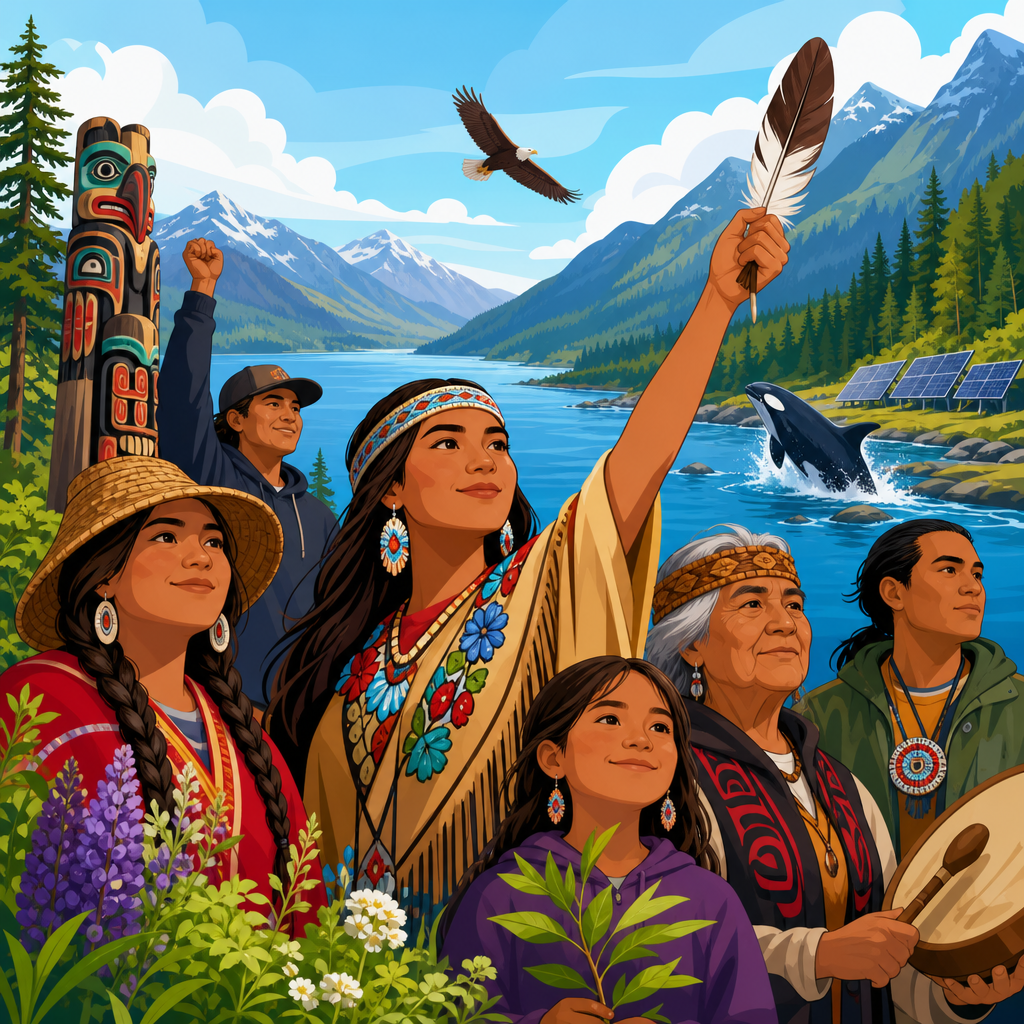
Environmental rights are increasingly treated as human rights, and that shift is changing constitutions, courtrooms, public policy, and grassroots activism around the world. At its core, the idea is straightforward: people cannot fully enjoy life, health, dignity, housing, food, water, culture, or equality if the air is toxic, rivers are polluted, forests are destroyed, or the climate becomes unstable. Environmental rights usually refer to legal protections connected to a clean, healthy, and sustainable environment, while human rights are the basic rights and freedoms recognized in domestic constitutions, regional treaties, and international law. Bringing these two fields together has become one of the most important global legal trends of the past several decades.
I have worked with environmental policy teams and legal research projects where this shift was not abstract at all; it changed which claims advocates could bring, which evidence judges considered persuasive, and which agencies had to act. A complaint framed only as a technical pollution dispute often struggled for urgency. The same complaint framed as a violation of health, life, children’s rights, Indigenous rights, or access to information carried far more legal and moral force. That framing matters because environmental harm is rarely just about land or emissions data. It is about who bears risk, who gets heard, and who has access to remedies.
This hub article covers the core themes within activism and legal rights under environmental policy and law. It explains how environmental rights developed, where they are recognized, how activists use them, what major court decisions have established, and where the limits remain. It also connects the topic to practical subthemes that readers typically explore next: constitutional environmental rights, climate litigation, Indigenous land defense, environmental justice, corporate accountability, youth-led lawsuits, the right to information, public participation, and access to justice. Understanding this landscape is essential for policymakers, advocates, journalists, educators, and community leaders because environmental rights now shape not only protest movements, but also legislation, permitting decisions, treaty interpretation, and long-term governance.
What environmental rights mean in law and practice
Environmental rights can be substantive or procedural. Substantive rights protect the actual condition of the environment people depend on, such as the right to clean air, safe water, healthy ecosystems, or a stable climate. Procedural rights protect the tools people need to defend those interests, including access to environmental information, public participation in decision-making, and access to courts or other remedies. In practice, the strongest legal systems combine both. A constitutional right to a healthy environment has more effect when citizens can obtain pollution data, challenge permits, and seek enforcement before an independent tribunal.
This distinction is central across environmental policy and law. The 1998 Aarhus Convention in Europe established a widely cited model for procedural environmental rights, linking information, participation, and justice. In Latin America and the Caribbean, the Escazú Agreement built on similar principles while adding explicit protections for environmental human rights defenders, a critical innovation in a region where activists have faced severe violence. At the global level, the UN Human Rights Council recognized the human right to a clean, healthy, and sustainable environment in 2021, and the UN General Assembly followed in 2022. Those resolutions do not function like a treaty by themselves, but they have reinforced legal interpretation, advocacy, and norm-setting worldwide.
For activists, these rights are practical instruments. Communities fighting a waste incinerator may rely on disclosure laws to obtain emissions modeling. Fishers opposing industrial contamination may use health and livelihood evidence to show rights impacts. Residents near highways may challenge air quality failures as discrimination or unequal protection. Lawyers increasingly pair environmental statutes with constitutional and human rights arguments because the combination broadens standing, sharpens government duties, and strengthens remedies.
The global rise of constitutional and treaty recognition
More than 150 countries now recognize some form of environmental right in their constitutions, legislation, or regional agreements. The wording varies, but the trend is unmistakable. Many constitutions adopted after the 1972 Stockholm Declaration and especially after the 1992 Rio Declaration include language on ecological protection, sustainable development, or a right to a healthy environment. Portugal, Spain, South Africa, Brazil, Colombia, Kenya, and Ecuador are frequently cited examples, although the scope of enforcement differs significantly from one legal system to another.
Constitutional recognition matters because it changes the legal hierarchy. When environmental protection is elevated above ordinary regulation, courts can review whether governments are meeting a basic rights obligation, not simply exercising policy discretion. In South Africa, Section 24 of the Constitution protects the right to an environment that is not harmful to health or well-being and requires the environment to be protected for present and future generations. In Colombia, the Constitutional Court has linked environmental degradation to fundamental rights and, in landmark rulings, recognized the Atrato River and parts of the Colombian Amazon as rights-bearing entities requiring state protection.
Regional human rights systems have also accelerated the trend. The Inter-American Court of Human Rights issued Advisory Opinion OC-23/17, clarifying that environmental damage can violate protected human rights even without direct cross-border contact in the traditional sense. The African Charter has been interpreted to support environmental claims, including in the well-known Ogoni case involving pollution and community rights in Nigeria. In Europe, the European Court of Human Rights historically addressed environmental harms through rights such as private and family life, home, and life itself, and climate-related judgments have expanded the practical reach of that approach.
| Legal pathway | What it protects | Common use by activists and lawyers |
|---|---|---|
| Constitutional rights | Clean, healthy, or ecologically balanced environment | Challenge state inaction, weak enforcement, or harmful approvals |
| Human rights treaties | Life, health, home, culture, property, non-discrimination | Link environmental harm to established rights obligations |
| Procedural agreements | Information, participation, access to justice | Obtain data, contest permits, require inclusive hearings |
| Statutory environmental law | Pollution limits, impact assessment, permitting rules | Enforce technical standards and compliance duties |
How activism turns legal rights into enforceable change
Legal recognition alone does not protect communities. Rights become meaningful when activists, residents, scientists, journalists, and public-interest lawyers translate them into evidence, narratives, and pressure. In my experience reviewing environmental disputes, the cases that gained traction usually combined three elements: credible technical documentation, a clear rights-based story about human impact, and sustained public organizing. A particulate matter reading means more in court when paired with medical records, school absenteeism data, and testimony from parents living beside a refinery.
Environmental activism now operates across several channels at once. Street protest remains visible, but rights-based advocacy increasingly includes citizen science, strategic litigation, freedom-of-information requests, shareholder campaigns, complaints to national human rights institutions, and submissions to UN special procedures. Fridays for Future, Indigenous land defense movements, anti-extractivist networks, and local environmental justice coalitions often use different tactics, yet they converge around a common claim: environmental harm is not an unfortunate side effect of development if authorities knew the risks and failed to prevent them.
Environmental defenders are central to this story. According to reporting by Global Witness, killings of land and environmental defenders have remained alarmingly high in recent years, especially in Latin America. That reality is one reason legal protection for defenders matters so much. The Escazú Agreement’s provisions on defender safety, access rights, and participation reflect a hard lesson from decades of conflict: people cannot exercise environmental rights if speaking out exposes them to intimidation, criminalization, or violence. Effective activism therefore depends not only on rights in theory, but on civic space, independent courts, free media, and protection from retaliation.
Climate litigation and the expansion of rights-based claims
Climate change has pushed environmental rights into a new phase. Traditional pollution cases often focused on local exposure and identifiable sources. Climate cases deal with cumulative emissions, long timelines, scientific attribution, and complex questions of causation and remedy. Even so, rights-based arguments have proved remarkably powerful. The landmark Urgenda case in the Netherlands held that the Dutch government had a duty of care, informed by human rights principles, to reduce greenhouse gas emissions more rapidly. That decision helped demonstrate that climate inaction can be judged as a failure to protect basic rights.
Other major cases followed different paths. In Germany, the Federal Constitutional Court ruled in 2021 that parts of the Climate Protection Act were insufficient because they shifted disproportionate emissions reduction burdens onto future generations. In the European Court of Human Rights, KlimaSeniorinnen v. Switzerland established that inadequate climate action can violate protected rights, giving older women affected by heat extremes a successful pathway grounded in vulnerability and state obligation. Youth-led cases, from Juliana in the United States to cases before the UN Committee on the Rights of the Child, have also reframed climate policy as an intergenerational justice issue.
Not every case succeeds. Courts may reject claims on standing, separation of powers, causation, or justiciability. Some judges are reluctant to set emissions targets or supervise complex policy implementation. Yet even unsuccessful climate litigation can shift public debate, reveal government records, improve disclosure, and pressure legislatures. The strategic value lies not only in winning final judgments, but in building an evidentiary record that clarifies foreseeable harm, available alternatives, and the consequences of delay.
Indigenous rights, environmental justice, and corporate accountability
No serious discussion of environmental rights as human rights is complete without Indigenous rights and environmental justice. Indigenous peoples protect large areas of the world’s remaining biodiversity, yet they are often targeted by mining, logging, dams, pipelines, and agribusiness expansion. Legal standards such as free, prior, and informed consent, rooted in the UN Declaration on the Rights of Indigenous Peoples and reflected in evolving domestic law, are essential because environmental harm in these contexts is inseparable from land tenure, cultural survival, spirituality, and self-determination. When a forest is destroyed, the injury is not merely ecological; it can be cultural, political, and constitutional.
Environmental justice addresses a parallel pattern: environmental burdens are distributed unequally by race, class, caste, disability, migration status, and political power. Communities living near landfills, ports, petrochemical corridors, and informal industrial zones often face cumulative harms that standard permitting systems underestimate. In the United States, the environmental justice movement showed how civil rights analysis could expose patterns invisible in facility-by-facility review. Similar frameworks now inform policy debates in South Africa, India, Brazil, and the European Union, where air pollution, toxic exposure, and energy transition decisions are increasingly assessed through equity impacts.
Corporate accountability is the third pillar. Governments have primary human rights duties, but private companies make many of the operational decisions that create environmental risk. The UN Guiding Principles on Business and Human Rights, mandatory due diligence laws in parts of Europe, supply chain legislation, lender safeguards, and investor expectations are all expanding the expectation that companies identify, prevent, mitigate, and remedy environmental harm tied to their operations. In practice, communities often pursue multiple forums at once: a domestic lawsuit, an OECD National Contact Point complaint, a shareholder resolution, and a campaign targeting buyers or financiers.
Limits, enforcement gaps, and the future of the movement
The global trend is real, but it is not linear or complete. Some constitutions contain elegant environmental rights that remain weakly enforced because agencies lack capacity, courts move slowly, corruption distorts permitting, or political leaders override protections in the name of energy security, infrastructure, or economic growth. Rights language can also be narrowed by restrictive standing rules, weak remedies, or judicial deference. Climate adaptation raises further complexity because protecting one community may shift risk to another if planning is inequitable.
Still, the direction of travel is clear. Environmental rights are becoming a common legal grammar for activism and governance. They connect local pollution, biodiversity loss, land conflict, and climate change to universal principles that courts, agencies, and international bodies already recognize. For readers using this page as a hub within environmental policy and law, the main takeaway is simple: activism and legal rights are no longer peripheral to environmental protection; they are among its most effective engines. Explore the linked subtopics next—constitutional rights, climate litigation, Indigenous consent, environmental justice, public participation, and corporate due diligence—to understand how this global trend is being turned into enforceable change.
Frequently Asked Questions
1. What does it mean to say that environmental rights are human rights?
Saying that environmental rights are human rights means recognizing that a safe, clean, healthy, and sustainable environment is not separate from human well-being, but essential to it. People cannot realistically enjoy rights such as life, health, housing, food, water, culture, education, family life, and equality if they are exposed to toxic air, contaminated water, dangerous waste, deforestation, or climate disruption. In practical terms, this approach treats environmental harm not just as a regulatory issue or a technical policy failure, but as a matter of justice, dignity, and legal protection.
This shift has major legal and political consequences. When environmental protection is framed as a human rights issue, governments are expected not only to avoid causing environmental damage directly, but also to prevent private actors from undermining people’s rights through pollution, land destruction, or unsafe resource extraction. Courts may scrutinize state inaction more closely, communities may gain stronger grounds to challenge harmful projects, and policymakers may need to consider long-term health, equity, and ecological stability rather than focusing narrowly on short-term economic gains. In short, the idea connects the condition of the natural world to the lived reality of human freedom and survival.
2. Why is this becoming a global trend now?
This is becoming a global trend because the effects of environmental degradation are now impossible to ignore. Climate change, biodiversity loss, water scarcity, industrial pollution, extreme heat, wildfires, and toxic exposure are affecting public health, livelihoods, displacement, and social stability across every region. As these harms intensify, legal systems and international institutions are increasingly acknowledging what affected communities have long argued: environmental breakdown directly threatens fundamental rights.
Another reason for the trend is the growing body of constitutional, judicial, and international recognition. Many national constitutions now include environmental guarantees, regional human rights systems are interpreting existing rights to include environmental dimensions, and the United Nations has elevated the principle that everyone is entitled to a clean, healthy, and sustainable environment. These developments reinforce one another. A court ruling in one country can inspire litigation elsewhere, while international declarations can strengthen domestic advocacy.
Grassroots activism is also driving this change. Indigenous peoples, youth climate movements, local residents facing toxic exposure, and civil society organizations have pushed environmental rights into public debate by showing how pollution and climate impacts fall unequally on vulnerable populations. The result is a broader understanding that environmental protection is not only about conserving landscapes, but also about protecting people, especially those who have historically had the least power and the greatest exposure to harm.
3. How are constitutions and courts shaping environmental rights around the world?
Constitutions and courts are central to the expansion of environmental rights because they turn broad principles into enforceable legal standards. In countries where constitutions explicitly recognize a right to a healthy environment, citizens often have a clearer basis to challenge government failures, industrial pollution, destructive land use decisions, or weak enforcement. Constitutional language can require the state to preserve natural resources, protect public health, and consider the rights of future generations. Even where constitutions do not contain explicit environmental rights, courts have sometimes interpreted rights such as life, dignity, privacy, property, health, or equality to include environmental protections.
Judicial decisions are especially important because they define what these rights mean in practice. Courts have ordered governments to clean up polluted areas, regulate emissions, consult affected communities, strengthen environmental oversight, and take climate risks more seriously. Some have recognized that environmental harm disproportionately affects children, Indigenous peoples, rural communities, low-income populations, and other groups already facing marginalization. This gives environmental rights a strong equity dimension, not just an ecological one.
At the same time, courts are not a complete solution. Litigation can be slow, costly, and difficult to enforce. Outcomes vary widely depending on political context, judicial independence, and access to legal representation. Still, constitutional guarantees and court rulings have become powerful tools because they create accountability. They allow citizens to say that environmental protection is not optional charity or good policy when convenient, but a legal obligation tied to human rights.
4. How do environmental rights affect public policy and business decisions?
Environmental rights can significantly reshape public policy by changing the standards governments must meet when approving projects, drafting regulations, or responding to environmental crises. If people have a recognized right to a healthy environment, policymakers may need to adopt stricter air and water quality standards, improve waste management, protect ecosystems, strengthen climate adaptation plans, and ensure public participation in environmental decision-making. The rights framework can also require transparency, meaning communities have access to information about pollution, health risks, and proposed industrial activity before irreversible harm occurs.
For businesses, this trend raises both responsibilities and risks. Companies in sectors such as energy, mining, agriculture, chemicals, infrastructure, and manufacturing face greater scrutiny over how their operations affect nearby communities, workers, and ecosystems. Environmental rights arguments can influence permitting, environmental impact assessments, supply chain expectations, investor pressure, and litigation exposure. A project that appears financially viable may become legally or socially unsustainable if it threatens drinking water, public health, cultural survival, or community land rights.
Importantly, this does not simply mean development must stop. It means development is increasingly expected to meet higher standards of fairness, safety, and sustainability. Governments and companies are being pushed toward approaches that reduce pollution, incorporate community consent, protect vulnerable populations, and account for long-term environmental costs. In that sense, environmental rights are influencing not only what decisions are made, but how those decisions are justified and who gets a meaningful voice in the process.
5. What role do communities and grassroots movements play in advancing environmental rights?
Communities and grassroots movements are often the driving force behind environmental rights becoming real rather than symbolic. Local residents are usually the first to experience contaminated water, unsafe air, land dispossession, flood risk, heat stress, or damage to culturally significant ecosystems. Because they live with the consequences directly, they have been crucial in documenting harm, organizing public pressure, filing legal complaints, demanding environmental monitoring, and exposing the gap between official promises and lived reality.
These movements matter not only because they raise awareness, but because they change the legal and political landscape. Community advocacy has helped secure constitutional amendments, stronger environmental review laws, recognition of Indigenous stewardship, and landmark court decisions. Youth activists have brought urgency to climate-related rights claims, while Indigenous and frontline communities have emphasized that environmental protection is inseparable from land, identity, culture, self-determination, and intergenerational responsibility. Their efforts often broaden the conversation from pollution control alone to deeper questions about power, inequality, and whose interests the law is designed to serve.
Grassroots action also helps with enforcement, which is often where rights succeed or fail. A right written into a constitution or recognized by an international body has limited impact if violations are ignored on the ground. Community groups, journalists, scientists, and civil society organizations help monitor compliance, gather evidence, support affected residents, and keep public attention focused on accountability. That is why the global rise of environmental rights is not just a top-down legal development. It is also a bottom-up movement shaped by people insisting that human dignity depends on the health of the environment in which they live.