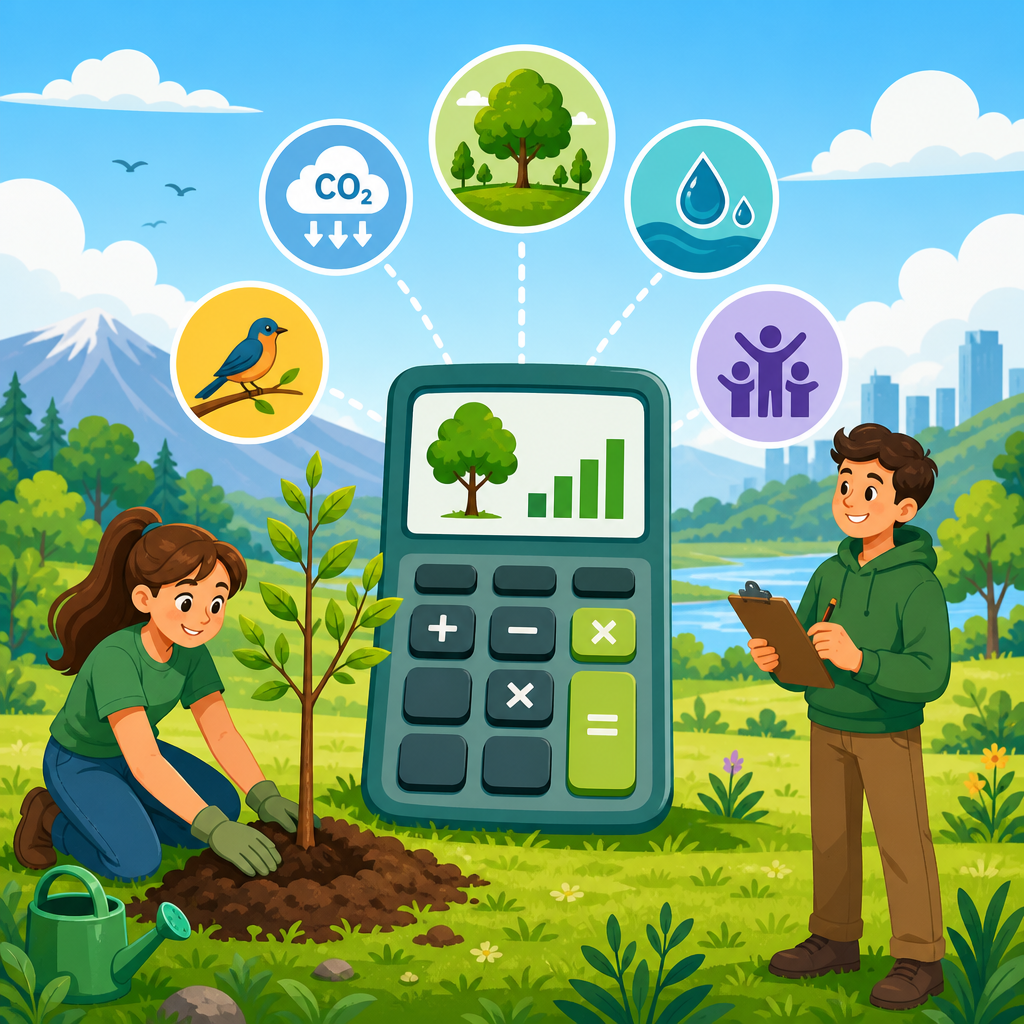

Starting a green club is easiest when you begin with clear sustainability goals, because goals turn good intentions into projects, budgets, partnerships, and measurable results. In schools, colleges, libraries, workplaces, and neighborhood groups, an eco club is a volunteer-led organization that promotes environmental action through education, behavior change, and community projects. Sustainability goals are the specific targets that guide that action, such as cutting cafeteria waste by 30 percent, planting native species on campus, or replacing single-use plastics at events. I have helped launch clubs in both school and community settings, and the difference between clubs that fade out and clubs that grow is usually the same: the successful ones define what they want to change, how they will measure it, and who will own each step. This matters because climate, waste, water, biodiversity, and energy are not abstract issues for students or residents. They affect operating costs, local health, campus culture, and civic trust. A well-run green club gives members practical leadership experience while producing visible environmental benefits that administrators, families, and sponsors can support.
As the hub for learning how to start a green club, this guide covers the full process from purpose and structure to metrics, projects, communications, and long-term continuity. The goal is not to create a club that only hosts awareness days. It is to build a durable system for environmental action with achievable milestones. Along the way, you will see how to choose priority issues, write goals that are specific and realistic, align projects with school or community operations, and track outcomes using simple tools. If your club is just forming, use this page as the roadmap. If your club already exists, use it to reset around measurable sustainability goals that make your work more credible and effective.
Define your club’s mission, scope, and first-year purpose
The first step in how to start a green club is deciding what kind of club you are building. Many groups fail because they adopt an overly broad mission such as “save the planet,” then struggle to choose practical work. A stronger approach is to define a mission, a scope, and a first-year purpose. Your mission is the long-term reason the club exists, for example, “to reduce our school’s environmental footprint and build environmental leadership among students.” Your scope is the operating boundary: school campus, one department, a neighborhood, or a citywide youth network. Your first-year purpose is narrower and should identify one or two systems you can influence, such as waste, energy use, transportation, water conservation, food, or biodiversity.
When I help new clubs set this foundation, I ask three questions. What environmental problem do members see every day? What decision-makers can the club realistically influence? What data can the club access within one semester? In a high school, overflowing lunchroom trash is visible, administrators control purchasing, and waste can be audited quickly. That makes waste reduction a strong first-year focus. In a college club with access to facilities staff, energy awareness and building performance may be more realistic. In a neighborhood eco club, stormwater runoff, tree canopy, or litter may be the clearest entry points. Starting with a bounded problem makes recruitment easier because members understand exactly what they are joining to fix.
Set sustainability goals that are specific, measurable, and tied to a baseline
Once the mission is clear, the next step is setting sustainability goals that can guide action. Good goals answer five questions directly: what will change, by how much, by when, where, and how progress will be measured. This sounds simple, but most clubs skip the measurement part and end up with vague targets. “Raise awareness about recycling” is not a strong sustainability goal. “Increase correct recycling in the cafeteria from 42 percent to 65 percent by the end of spring term, measured through monthly bin checks” is strong because it creates accountability and allows the club to evaluate whether events and signage actually work.
Every goal should begin with a baseline. A baseline is the starting measurement against which progress is compared. Without it, success is impossible to prove. For waste, a baseline might come from a one-week audit of landfill, recycling, and compost bins. For energy, it could come from utility bills or smart meter data supplied by facilities. For transportation, it might come from a student commute survey. For biodiversity, members can record current tree coverage, pollinator species observed, or the area of land planted with native species. Recognized frameworks such as the United Nations Sustainable Development Goals can help shape categories, while practical campus tools like ENERGY STAR Portfolio Manager, i-Tree, or simple spreadsheet dashboards help with tracking.
| Focus area | Weak goal | Strong goal | How to measure |
|---|---|---|---|
| Waste | Reduce trash at school | Cut cafeteria landfill waste by 25% in two semesters | Monthly waste audits by weight |
| Energy | Use less electricity | Reduce after-hours classroom electricity use by 15% by May | Meter data and device checklists |
| Water | Save water | Lower restroom water use by 10% after fixture upgrades | Utility bills and fixture counts |
| Biodiversity | Help pollinators | Create 500 square feet of native pollinator habitat this year | Site map, planting log, species list |
Strong goals also need owners. Assign one student lead, one adult advisor, and one operational partner for each target. The student lead drives engagement, the advisor handles continuity and approvals, and the operational partner supplies data or access. This structure is especially important in schools, where clubs often depend on a single motivated student who graduates. Goals attached to roles survive leadership turnover better than goals attached to personalities.
Choose starter projects that match your setting and resources
After setting goals, choose projects that fit your club’s capacity. A new eco club should avoid launching five campaigns at once. Start with one flagship project and one supporting habit-change project. In schools, the flagship project is often a waste audit followed by better sorting systems, reusable lunch initiatives, or event sustainability standards. In colleges, move-in waste reduction, residence hall energy challenges, and thrift swap events work well because they connect directly to campus operations and student behavior. In community clubs, neighborhood cleanups can be useful, but they are stronger when paired with root-cause work such as litter source mapping, public bin placement proposals, or storm drain education.
Real-world success usually comes from projects that blend visibility with operational change. For example, a student eco club I advised replaced single-use water bottles at club events with refill stations and borrowed dispensers, then used the savings and participation data to help the school justify installing a permanent bottle filling station. Another club mapped idling traffic during pickup time, presented findings to school leaders, and secured a revised traffic flow plan plus anti-idling signs. These are strong starter projects because they produce measurable outcomes, involve decision-makers, and give members evidence that their work matters. Awareness campaigns still have value, but they should support a concrete change, not substitute for one.
Build the club structure, partnerships, and decision-making process
Knowing how to start a green club also means designing its governance. At minimum, define officer roles, meeting cadence, advisor responsibilities, membership expectations, and a simple approval process for projects. Typical roles include president or chair, vice president, secretary, treasurer, communications lead, and project leads for areas such as waste, gardens, or outreach. Keep the structure light enough for volunteers but clear enough that work gets done between meetings. A reliable pattern is one general meeting per month, one officer meeting per month, and smaller project team sessions as needed.
Partnerships determine whether the club can move beyond awareness into implementation. In a school, likely partners include custodial teams, facilities, food service, science teachers, art teachers, parent groups, and administrators who oversee operations or student life. In a college, add residence life, procurement, grounds staff, and sustainability offices. In a community setting, connect with parks departments, watershed groups, local businesses, waste haulers, and native plant societies. When approaching partners, bring a short brief that states the problem, the proposed goal, the baseline, and the support needed. Professionals are far more likely to help when the request is concrete. Instead of asking, “Can you support our environmental efforts,” ask, “Can facilities share monthly electricity data for Building B so we can evaluate our after-hours shutoff campaign?”
Decision-making should be documented early. Use a simple rubric to rank proposed projects by impact, cost, time requirement, educational value, and feasibility. This prevents the club from chasing every idea and helps members understand why some projects move forward first. Written criteria also make meetings more productive and fair.
Create a measurement system that proves progress and supports funding
Measurement is the engine of a credible eco club. Even small clubs should maintain a shared dashboard with baseline data, target values, current progress, responsible leads, deadlines, and notes. This can live in Google Sheets, Airtable, Notion, or Microsoft Excel. The tool matters less than consistency. Each metric should have a clear method. Waste should be weighed with the same type of scale at the same point in the disposal process. Energy comparisons should account for schedule changes, weather, or building occupancy where possible. Survey-based data should use the same questions over time so trends are meaningful.
Good measurement also helps with grants, sponsorships, and school budget requests. Funders respond to evidence. If your club can show that a pilot composting effort diverted 180 pounds of organic waste per month and reduced contamination after signage redesign, you have a stronger case for buying collection bins or arranging hauling. If a native garden project documents pollinator sightings before and after planting, local conservation groups are more likely to donate plants or tools. Be honest about limits. Student-run data is useful, but it may be imperfect. Note assumptions, sample size, and methods. Transparent reporting builds trust and makes your sustainability goals more defensible.
Recruit members, communicate wins, and keep the club active year after year
Recruitment improves when the club offers members real responsibility and visible outcomes. Instead of inviting people to “join an environmental club,” invite them to specific teams such as waste audit crew, garden design team, refill campaign team, or data and design team. This gives students and volunteers a practical role from the first meeting. Use short project descriptions, photos of current conditions, and one achievable milestone for the next month. People are more likely to join when they can picture the work.
Communication should make progress easy to understand. Post before-and-after images, simple charts, volunteer numbers, and one-sentence impact statements. Share updates with administrators, teachers, families, and community partners regularly, not just on Earth Day. If your club website or resource page links to guides on waste audits, school gardens, climate action planning, or reusable event policies, that hub becomes a valuable asset for future members and partner organizations. Internal documentation matters just as much. Keep meeting notes, project checklists, contact lists, budgets, and annual reports in a shared folder so knowledge does not disappear when leaders graduate.
Long-term continuity depends on succession planning. Elect or appoint next-year leaders before the current year ends, pair younger members with project leads, and create a transition packet with timelines, passwords, vendor contacts, and lessons learned. The strongest clubs build traditions around measurable sustainability goals, not around one charismatic founder. When the system is documented, new members can improve it instead of rebuilding it.
Setting sustainability goals for your eco club is the practical foundation for starting a green club that lasts. Clear goals turn enthusiasm into a mission, a calendar, and a record of impact. The most effective clubs define a focused scope, establish baselines, choose a small number of measurable targets, and select projects that fit their setting. They build partnerships with the people who manage buildings, waste, food, grounds, and budgets. They track results carefully, report them honestly, and use that evidence to earn trust and support.
If you remember one principle, make it this: choose goals that your members can explain in one sentence and measure with confidence. That approach helps every part of the club, from recruitment and fundraising to project selection and leadership transitions. Whether your first campaign tackles landfill waste, energy use, native planting, water conservation, or transportation, success comes from doing a few things well and proving the result. Use this hub as your starting point, then map your first-year goals, assign owners, gather baseline data, and launch one project that can show clear progress within a semester. That first measurable win will do more to grow your eco club than any slogan ever could.
Frequently Asked Questions
Why are sustainability goals so important for an eco club?
Sustainability goals give an eco club direction, structure, and purpose. Many groups begin with enthusiasm and a long list of ideas, but without clearly defined goals, it becomes difficult to decide which projects to prioritize, how to use limited time and funding, and how to measure whether the club is actually making a difference. Goals turn general interest in helping the environment into a practical action plan. They help members move from saying “we want to be greener” to stating exactly what they want to improve, such as reducing single-use plastics, increasing recycling participation, saving energy, or expanding environmental education.
Clear goals also make it much easier to organize projects, recruit members, and build support from school administrators, library staff, workplace managers, community leaders, or local partners. When people can see a specific target and understand why it matters, they are more likely to participate and contribute resources. For example, a goal like “cut cafeteria waste by 30 percent this semester” is much more compelling than a vague commitment to “reduce waste.” It creates a shared mission and gives the club a concrete outcome to work toward.
Just as importantly, sustainability goals allow an eco club to track progress over time. Measurable goals help members celebrate wins, adjust strategies when needed, and show that their efforts are producing real results. This accountability is especially valuable for volunteer-led groups, because it keeps momentum strong and prevents the club from losing focus. In short, good sustainability goals are the foundation of an effective eco club because they connect vision, planning, action, and impact.
How do we choose the right sustainability goals for our eco club?
The best sustainability goals are based on the needs of your specific organization or community, not just on popular environmental topics. A strong first step is to look at the places where your group has the most influence and where meaningful improvement is realistic. In a school, that might include cafeteria waste, classroom energy use, recycling habits, water conservation, or student awareness. In a workplace, it might be paper reduction, greener commuting, or improving purchasing practices. In a neighborhood or library setting, the focus could be community cleanups, native planting, composting education, or reducing event waste.
It helps to begin with a simple assessment. Observe current habits, collect basic data, and ask questions. How much trash is being produced? Are recycling bins used correctly? Do people leave lights and devices on unnecessarily? Is there interest in gardening, repair events, or educational workshops? Even a small audit, survey, or discussion with stakeholders can reveal where the biggest opportunities are. This prevents the club from guessing and ensures the goals are relevant and evidence-based.
Once you identify priority areas, choose goals that are specific, realistic, and measurable. A useful guideline is to make them clear enough that any member could understand what success looks like. For example, instead of “improve recycling,” set a goal such as “increase correct recycling participation in the main building by 20 percent by the end of the semester.” Instead of “teach people about sustainability,” try “host four educational events this year with a total attendance of at least 100 participants.” Goals should be ambitious enough to inspire action but achievable enough to maintain confidence and participation.
It is also wise to balance short-term and long-term goals. Quick wins, such as launching a reusable bottle campaign or labeling waste bins, help build early momentum. Longer-term goals, such as developing a composting system or reducing annual energy use, create lasting value. The strongest eco clubs often choose a small number of focused goals rather than trying to tackle everything at once. That approach leads to deeper impact, better follow-through, and a more organized club overall.
What makes a sustainability goal measurable and achievable?
A measurable sustainability goal includes a clear target, a baseline, and a timeframe. In other words, you need to know where you are starting, what change you want to create, and by when. Without those three pieces, it is very difficult to tell whether progress is happening. For instance, if an eco club wants to reduce waste, it should first estimate current waste levels through a waste audit or regular tracking. Then it can set a concrete target such as reducing landfill waste by 25 percent over six months. That goal gives the club something it can evaluate with actual data.
Achievability matters just as much as measurability. A goal should stretch the group, but it should still be realistic based on the number of volunteers, available time, budget, access to decision-makers, and support from the broader community. If a brand-new club sets a goal of making an entire campus zero waste within one semester, members may quickly become discouraged. A more achievable starting point might be reducing waste at one lunch period, one building, or one recurring event before expanding the effort. Sustainable progress usually happens in phases, and effective eco clubs understand the value of building step by step.
Another sign of a strong goal is that it includes a strategy for measurement. That may involve monthly waste checks, attendance records at events, counts of participants using reusable items, utility bill comparisons, survey results, or photo documentation. The method does not need to be complicated, but it should be consistent. Reliable tracking allows the club to report results clearly and identify what is working.
Finally, achievable goals are often supported by practical action steps. If the goal is to reduce cafeteria waste, the club might pair that target with awareness campaigns, improved bin signage, meetings with food service staff, and periodic waste audits. If the goal is to save energy, the plan might include classroom reminders, competitions, and building manager collaboration. Measurable goals tell you what success looks like, while achievable goals account for the real-world path needed to get there.
How many sustainability goals should an eco club set at one time?
Most eco clubs are more effective when they focus on a small number of well-defined goals rather than a long list of unrelated ambitions. In many cases, two to five active goals is a strong range, especially for a new or volunteer-led group. This keeps the club organized and helps members direct their energy toward projects that can be completed and measured successfully. When a club tries to address waste, water, energy, transportation, biodiversity, education, food systems, and policy all at once, it often spreads itself too thin and struggles to maintain momentum.
The right number depends on the size of the club, the experience of its leadership, and the level of support available from the host organization or community. A smaller group might begin with one operational goal, such as reducing waste, and one educational goal, such as hosting sustainability workshops. A larger or more established club may be able to manage several goals across different teams or committees. What matters most is not the number itself, but whether the club can follow through with consistent action and evaluation.
It is also useful to think in terms of categories. Many successful eco clubs choose a mix of goals, such as one behavior-change goal, one project-based goal, and one outreach or education goal. For example, the club might aim to cut cafeteria waste by 30 percent, plant a pollinator garden, and run six awareness events during the year. This creates balance and allows the club to improve daily habits while also building visible projects and community engagement.
As the club grows, goals can be reviewed and expanded. A smart approach is to start narrow, build credibility through results, and then scale up. Completing a few meaningful goals builds member confidence, strengthens partnerships, and makes it easier to win support for larger sustainability initiatives in the future. In practice, eco clubs that focus well usually accomplish more than clubs that attempt too much at once.
How can our eco club track progress and stay motivated over time?
Tracking progress starts with choosing a few simple indicators connected directly to each goal. If the goal is waste reduction, measure the amount of landfill waste, recycling contamination, or the number of reusable items being used. If the goal is education, track event attendance, survey responses, or social media engagement. If the goal is energy conservation, compare utility use over time or record participation in energy-saving campaigns. The key is to collect information regularly and keep the process manageable so it can continue throughout the year.
Creating a visible system for progress can make a major difference. Eco clubs often benefit from a shared spreadsheet, bulletin board, digital dashboard, or monthly report that shows members what has been achieved. Seeing measurable improvement helps transform environmental work from an abstract idea into something tangible. It also gives the club useful material for presentations, newsletters, funding requests, and conversations with administrators or community partners. When people can see results, they are more likely to stay engaged and take the club seriously.
Staying motivated also depends on celebrating milestones, not just final outcomes. If your goal is to reduce cafeteria waste by 30 percent, recognize progress at 10 percent and 20 percent. If your club wanted to host four events, celebrate after the first successful workshop. Small wins create energy and remind volunteers that change is happening. Recognition can be simple: thank-you messages, certificates, social media highlights, club shout-outs, or brief celebrations at meetings. Positive reinforcement helps maintain commitment, especially in volunteer settings where members are balancing many responsibilities.
Finally, eco clubs stay motivated when they treat goals as living tools rather than rigid rules. If a strategy is