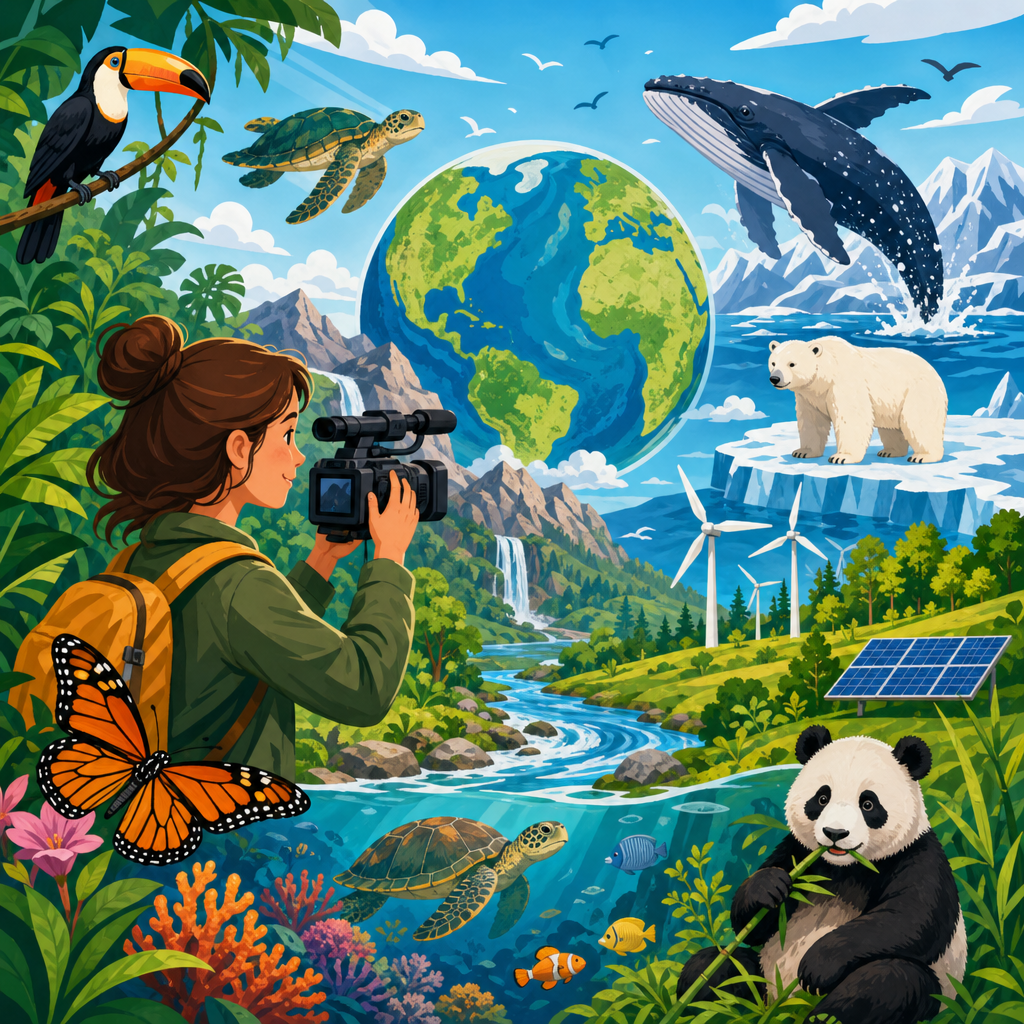
State of the planet is a practical way to describe the combined condition of Earth’s climate, ecosystems, oceans, land, freshwater, and human environmental pressures at a given moment. In environmental news and reports, the phrase matters because it turns scattered headlines about heat waves, drought, plastics, forests, energy, and wildlife into one coherent picture. When readers ask what is happening to the environment right now, they usually want more than isolated stories. They want the major trends, the best available evidence, and a clear sense of what deserves attention next.
This hub article covers the key environmental trends to watch across climate change, biodiversity, pollution, resources, adaptation, and governance. I have spent years reading assessment reports from the Intergovernmental Panel on Climate Change, the UN Environment Programme, the World Meteorological Organization, the International Energy Agency, and national scientific agencies, and one lesson is consistent: environmental change is no longer a distant risk discussed in abstract terms. It is measurable, unevenly distributed, and already shaping economies, public health, infrastructure, and food systems.
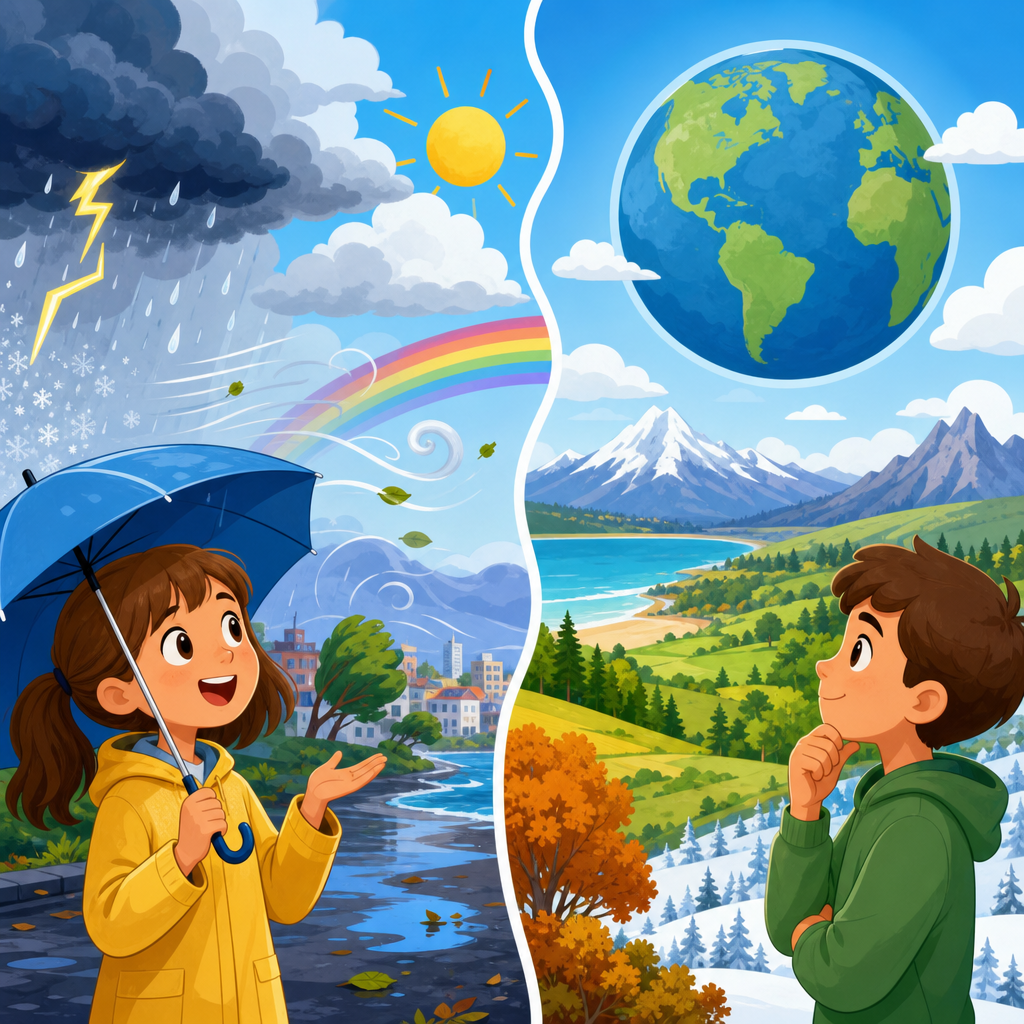
Several key terms frame the discussion. Climate refers to long term patterns in temperature, rainfall, winds, and extremes, while weather describes short term conditions. Biodiversity means the variety of life at genetic, species, and ecosystem levels. Mitigation is action that reduces the drivers of environmental harm, especially greenhouse gas emissions and habitat loss. Adaptation is action that reduces vulnerability to impacts that cannot be fully avoided. Resilience is the capacity of communities and ecosystems to absorb shocks and recover without losing core function.
Why does this matter for an Education and Resources hub on environmental news and reports? Because the pace of change is fast, the evidence base is large, and many stories are interconnected. A severe flood may be linked to warmer air holding more moisture, paved surfaces increasing runoff, aging stormwater systems, and development in floodplains. A fisheries decline may involve ocean warming, acidification, pollution, and poor management at once. Understanding the state of the planet means understanding systems, not just events. This article provides that map so readers can follow related coverage with context and confidence.
Climate Signals Are Intensifying
The clearest environmental trend is the continued warming of the climate system. Global average temperatures have risen substantially above the late nineteenth century baseline, and recent years have clustered among the hottest ever recorded. Atmospheric concentrations of carbon dioxide, methane, and nitrous oxide remain elevated, driven primarily by fossil fuel combustion, agriculture, land use change, and industrial processes. That warming signal appears not only in annual averages but in the rising frequency and intensity of extreme heat, heavy rainfall, marine heatwaves, wildfire weather, and some drought patterns.
In practical terms, climate change is no longer best understood through a single number. The more useful frame is a bundle of indicators: land and ocean temperature, glacier mass balance, snow cover, sea ice extent, ocean heat content, sea level rise, and the hydrological cycle. The World Meteorological Organization and Copernicus Climate Change Service have both shown that oceans are absorbing most excess heat trapped by greenhouse gases. That matters because warmer oceans expand, raising sea levels, and they also fuel stronger tropical cyclones and disrupt marine ecosystems.
One reason this trend deserves close monitoring is that climate risk compounds existing vulnerabilities. During field reporting and policy review, I repeatedly see the same pattern: heat affects crop yields, worker productivity, and grid reliability at the same time. High nighttime temperatures are especially dangerous because they prevent human recovery and increase mortality among older adults, outdoor workers, and people without access to cooling. Cities with dense concrete, low tree cover, and limited public health outreach face sharper impacts than affluent areas with more shade and stronger services.
Another trend to watch is attribution science, which has advanced rapidly. Researchers can now estimate how much climate change increased the likelihood or severity of specific heat events, rainfall extremes, or wildfire conditions. That does not mean every disaster is caused by climate change alone. It means climate change is increasingly measurable as a loading factor that stacks the odds. For journalists and readers, this improves reporting quality by replacing vague claims with quantified assessments grounded in observed data and model comparison.
Biodiversity Loss Is Becoming a Systems Risk
Biodiversity loss is often covered as a wildlife issue, but that framing is too narrow. The decline of species and habitats is a systems risk because functioning ecosystems support pollination, water filtration, soil fertility, carbon storage, coastal protection, and disease regulation. The most important trend is not simply that species are threatened, but that ecological networks are being simplified and fragmented. Forests broken into smaller patches support fewer specialist species. Rivers interrupted by dams and extraction lose migratory pathways. Coral reefs stressed by warming and acidification provide less habitat complexity.
The main direct drivers are well established: land and sea use change, overexploitation of organisms, climate change, pollution, and invasive alien species. Agriculture remains central because expanding cropland and pasture can replace native habitat, while poorly managed inputs affect rivers, wetlands, and coastal zones. Yet there are significant regional differences. In some tropical regions, deforestation for cattle, soy, timber, or mining remains the dominant pressure. In heavily developed regions, fragmentation, invasive species, and altered fire regimes may be more important than outright conversion.
What should readers watch in environmental news and reports? First, restoration is moving from aspiration to measurable practice. Governments and companies now talk more about reforestation, peatland recovery, mangrove restoration, regenerative agriculture, and urban habitat corridors. Results vary widely. A plantation of a single tree species is not equivalent to restoring a native forest. Effective restoration depends on local ecology, long term management, land tenure, and community involvement. Second, biodiversity finance is becoming more prominent, with growing scrutiny of whether claims about nature positive outcomes are actually verified.
There is also a public health dimension. Ecological disruption can increase contact between wildlife, livestock, and people, changing disease dynamics. That does not support simplistic claims that all conservation prevents outbreaks, but it does mean land use decisions carry biological consequences beyond scenery or tourism. Readers following environmental reports should pay attention to habitat connectivity, freshwater quality, and soil health because they are leading indicators of broader ecological stability.
Pollution Is Broadening Beyond Traditional Categories
For decades, pollution reporting focused on visible smog, contaminated rivers, oil spills, and hazardous waste sites. Those remain crucial, but the trend now is toward a broader pollution agenda that includes fine particulate air pollution, nutrient overload, chemical mixtures, microplastics, and persistent contaminants such as PFAS. These issues matter because exposure is widespread, health impacts are often chronic rather than immediate, and regulation tends to lag behind scientific understanding.
Air pollution remains one of the largest environmental health risks. Fine particulate matter, known as PM2.5, penetrates deep into the lungs and is linked to cardiovascular disease, stroke, respiratory illness, adverse birth outcomes, and premature death. In many regions, emissions come from transport, industry, coal combustion, agricultural burning, and household fuels. Improvements are possible; several cities have reduced sulfur dioxide and particulate levels through cleaner fuels, emission standards, and industrial controls. But wildfire smoke is creating a new challenge, sending pollution across borders and exposing populations far from the fire line.
Plastic pollution is another trend that deserves attention, especially because the story is shifting from visible litter to system wide leakage and material design. Mismanaged waste still drives river and coastal pollution, yet the harder problem is the enormous volume of single use plastics and the limited economics of recycling mixed materials. Microplastics have been found in marine food webs, soils, drinking water, and human tissues. Scientists are still refining the exposure and toxicity picture, so responsible coverage should avoid certainty where evidence is emerging, while still recognizing that prevention at source is more effective than downstream cleanup.
| Pollution trend | Main sources | Primary impacts | What to watch in reports |
|---|---|---|---|
| PM2.5 and ozone | Transport, power, industry, fires | Heart and lung disease, premature death | Air quality standards, wildfire smoke seasons |
| Nutrient pollution | Fertilizer, sewage, livestock runoff | Algal blooms, dead zones, drinking water risk | Watershed rules, wastewater upgrades |
| Plastic and microplastic pollution | Packaging, textiles, tires, waste leakage | Marine debris, food web exposure, cleanup costs | Reuse policies, product design mandates |
| PFAS and industrial chemicals | Manufacturing, firefighting foam, consumer products | Persistent contamination, treatment expense | Drinking water limits, liability cases |
Water Stress, Food Security, and Land Use Are Converging
One of the most important environmental trends is the convergence of water stress, land degradation, and food system risk. This is not only a story about dry places. Even humid regions can face water insecurity when rainfall becomes more erratic, snowpack declines, aquifers are overdrawn, or infrastructure leaks and contamination limit supply. Agriculture accounts for the largest share of freshwater withdrawals globally, so changes in irrigation efficiency, crop choice, soil management, and trade can affect both food prices and ecosystem health.
During drought analysis, the key mistake is to treat every shortage as a pure climate problem. In reality, many water crises are management problems exposed by climate variability and warming. Overallocated river basins, subsidized water intensive crops in arid zones, wetland loss, and inadequate pricing structures can leave systems brittle. The Colorado River basin is a clear example: long term aridification linked to warming interacts with decades of legal and infrastructural commitments built around flows that were unusually generous in the historical record. Similar patterns appear in parts of the Mediterranean, South Asia, and southern Africa.
Soil is another underreported trend line. Healthy soils store carbon, retain water, cycle nutrients, and support productivity, yet erosion, salinization, compaction, and organic matter loss reduce resilience. Better land management can improve outcomes, but not every claim about climate smart or regenerative farming is equal. The strongest results usually come from combinations of practices adapted to local conditions, including cover crops, reduced tillage, diversified rotations, managed grazing, and precision nutrient application. The benefits often arrive over several seasons rather than instantly, which is why policy stability and farmer support matter.
Food system reporting should also watch fisheries and aquaculture. Ocean warming shifts species ranges, acidification affects shell forming organisms, and illegal or unreported catch can undermine management. At the same time, aquaculture is expanding and can reduce pressure on wild stocks when done responsibly, but poorly sited operations may create water quality and disease problems. The state of the planet is increasingly tied to whether land and water use decisions can produce food while maintaining ecosystem function.
Energy Transition and Adaptation Are Defining the Next Decade
The environmental story is not only about deterioration. A second major trend is the acceleration of solutions, especially in clean energy, efficiency, resilience planning, and disclosure. Solar and wind costs have fallen dramatically over the past decade, battery deployment is scaling, and electric vehicle markets have expanded in many countries. Heat pumps, grid modernization, and building retrofits are also becoming central topics because they cut emissions while improving comfort and energy security. The International Energy Agency has documented that clean technology investment is now a defining feature of the global energy system.
Still, transitions are not linear. Fossil fuels remain deeply embedded in power generation, transport, heavy industry, and geopolitics. Critical minerals for batteries and renewable technologies raise new questions about mining impacts, labor conditions, processing concentration, and recycling. Transmission bottlenecks can delay renewable projects even where generation is cheap. In my work reviewing climate plans, I have found that the strongest strategies pair emissions reduction targets with implementation details: permitting reform, procurement rules, appliance standards, methane controls, workforce training, and public finance.
Adaptation is equally important because some level of further warming and environmental stress is already locked in. The most effective adaptation measures are specific to place and sector. In cities, that may mean cool roofs, urban trees, floodable parks, backup power for hospitals, and updated building codes. In coastal areas, it may involve wetland restoration, setback rules, elevated infrastructure, or managed retreat from highly exposed sites. For agriculture, useful measures include drought tolerant varieties, better forecasting, water storage, and insurance reform. Good adaptation does not eliminate risk, but it reduces losses and prevents maladaptation.
Environmental news is also shifting toward accountability. Investors, insurers, courts, and regulators increasingly ask whether companies and governments are aligning claims with measurable outcomes. Climate disclosure rules, transition plans, methane monitoring by satellite, deforestation tracking using remote sensing, and supply chain due diligence are making environmental performance harder to obscure. For readers, that means future reporting will rely more on data verification and less on broad corporate promises.
What to Track Next in Environmental News and Reports
The state of the planet can feel overwhelming, but the core trends are clear. Climate signals are intensifying, biodiversity loss is weakening natural systems, pollution is evolving into a more diffuse and persistent threat, and water, food, and land pressures are converging. At the same time, clean energy, adaptation planning, restoration, and better monitoring tools are expanding the range of practical responses. The main lesson is that environmental change is not a single issue. It is a network of pressures and solutions that must be read together.
For this hub on Environmental News and Reports, focus on indicators that reveal direction rather than noise: greenhouse gas emissions, temperature extremes, sea level, forest loss, species trends, air quality, freshwater stress, soil condition, energy investment, and adaptation readiness. When a new headline appears, ask three questions. What is changing? What is driving it? What evidence shows whether responses are working? Those questions separate durable trends from temporary attention spikes.
Use this page as your starting point, then explore related coverage on climate science, conservation, pollution, renewable energy, water management, and sustainability policy. The better you understand the state of the planet, the better you can judge risk, spot meaningful progress, and support decisions grounded in evidence. Keep this hub bookmarked and return regularly as new environmental reports reshape the picture.
Frequently Asked Questions
What does “state of the planet” actually mean?
“State of the planet” is a practical umbrella term for the overall condition of Earth’s natural systems at a given point in time. Instead of looking at climate change, forests, oceans, water shortages, pollution, biodiversity loss, and energy use as separate issues, the phrase brings them together into one big-picture view. It helps readers, policymakers, and businesses understand how the planet is doing across several connected systems rather than reacting to one headline at a time.
In practice, the state of the planet includes the climate system, the health of ecosystems, ocean conditions, land use, freshwater supplies, and the scale of human pressures such as fossil fuel use, deforestation, industrial activity, waste, and overconsumption. It matters because environmental changes rarely happen in isolation. Rising temperatures can intensify drought, drought can weaken forests, weakened forests can burn more easily, and those fires can release more carbon into the atmosphere. Looking at the state of the planet helps make those links visible.
This broader framing is especially useful in environmental reporting because it answers the question many people are really asking: not just “what happened today?” but “what are the major patterns shaping Earth right now?” It turns scattered stories into a coherent assessment of planetary health and gives a clearer sense of risk, urgency, and where meaningful progress is happening.
What are the most important environmental trends to watch right now?
Several environmental trends stand out because they shape many others. First is continued global warming, driven primarily by greenhouse gas emissions from burning fossil fuels. Record-breaking heat, more frequent marine heatwaves, heavier rainfall in some regions, and more severe drought in others are all signs of a climate system under stress. Temperature rise is not just a number on a chart; it affects agriculture, water security, infrastructure, public health, and the stability of ecosystems worldwide.
A second major trend is biodiversity decline. Species loss, habitat fragmentation, deforestation, soil degradation, and pressure on wetlands, coral reefs, and grasslands are reducing the resilience of natural systems. When ecosystems lose diversity, they tend to become less able to withstand shocks such as heat, disease, invasive species, and extreme weather. This is not only a conservation issue. It directly affects food systems, fisheries, pollination, carbon storage, and disaster protection.
A third trend is the growing strain on freshwater. Many regions are facing more intense competition for water from households, farming, energy production, and industry. At the same time, climate change is altering rainfall patterns, shrinking snowpack, accelerating glacier loss, and increasing evaporation in hotter conditions. Water stress is becoming one of the clearest signals of environmental pressure because it connects climate, land management, cities, and economic activity.
Other trends worth watching include plastic and chemical pollution, the pace of the clean energy transition, the health of the oceans, and shifts in land use linked to agriculture and urban expansion. Together, these trends provide a realistic snapshot of where environmental risks are worsening, where adaptation is becoming more urgent, and where solutions are starting to scale.
How are climate, biodiversity, oceans, and water connected in the overall state of the planet?
These systems are deeply interconnected, which is why the state of the planet is best understood as a network rather than a checklist. Climate influences rainfall, heat, storms, sea level, and ocean temperatures. Those changes affect forests, coral reefs, rivers, wetlands, crops, fisheries, and wildlife habitats. In turn, healthy ecosystems help regulate climate by storing carbon, cooling landscapes, protecting coastlines, filtering water, and supporting natural cycles that keep environmental conditions more stable.
Oceans are a good example of this interdependence. They absorb a large share of excess heat and a significant portion of carbon dioxide emissions, which helps slow atmospheric warming but also causes ocean warming, acidification, and deoxygenation. Those changes put pressure on coral reefs, shell-forming organisms, and marine food webs. As marine ecosystems weaken, coastal communities can lose fisheries, tourism income, and natural storm protection.
Freshwater systems are equally connected. Rivers, lakes, aquifers, and mountain snowpack are influenced by climate patterns, land use, and ecosystem health. Deforestation can reduce water retention in landscapes. Wetland loss can increase flood risk. Hotter temperatures can worsen evaporation and concentrate pollutants. Biodiversity decline in freshwater systems can undermine water quality and ecosystem function. Once these problems overlap, the effects become more difficult and expensive to manage.
That is why experts increasingly emphasize integrated thinking. A climate policy that ignores ecosystems can fall short. A conservation strategy that ignores water stress may not last. A water plan that ignores land use and heat risk may be overtaken by events. Watching how these systems interact gives a far more accurate reading of the planet’s condition than treating each issue separately.
Why does tracking the state of the planet matter for everyday people?
It matters because environmental trends are no longer distant or abstract. They affect everyday life through food prices, insurance costs, heat exposure, air quality, water availability, disaster risk, health outcomes, and the reliability of energy and transportation systems. When the state of the planet changes, those effects show up in households, communities, and local economies. A stronger heatwave season can strain power grids. Drought can raise food costs. Flooding can damage homes and public infrastructure. Smoke from wildfires can affect millions of people far from the fire itself.
Tracking these trends also helps people understand that environmental issues are not just about loss; they are also about preparedness and opportunity. Better data on the condition of land, water, and climate can support smarter planning in agriculture, construction, public health, and urban design. Communities can use this information to improve flood protection, expand cooling measures, protect drinking water sources, restore natural habitats, and reduce exposure to pollution and extreme weather.
On a broader level, the state of the planet is a useful guide for decision-making. It helps voters assess policy choices, helps investors evaluate long-term risk, and helps businesses think more seriously about supply chains, energy use, and resilience. The more clearly people understand the major environmental trends shaping the present, the better equipped they are to respond in practical ways rather than being overwhelmed by disconnected headlines.
What signs of progress should readers watch alongside environmental risks?
It is important to track progress as carefully as problems. One of the clearest positive trends is the continued growth of renewable energy, especially solar and wind, along with advances in batteries, grid modernization, and energy efficiency. While fossil fuels still dominate globally, the expansion of cleaner energy technologies is changing the long-term direction of power systems in many countries. This matters because emissions trends, not just climate impacts, are a core part of the planet’s overall condition.
Another encouraging sign is the rise of ecosystem restoration and nature-based solutions. Reforestation, wetland recovery, regenerative agriculture, mangrove protection, urban greening, and better watershed management can support biodiversity while also improving carbon storage, water regulation, and resilience to heat and flooding. These approaches are not a substitute for cutting emissions, but they can strengthen landscapes and communities when implemented well.
Readers should also pay attention to stronger environmental monitoring, corporate disclosure, conservation targets, pollution controls, and legal or policy changes that move from promises to measurable outcomes. Progress is most meaningful when it shows up in real indicators: lower emissions intensity, reduced deforestation, cleaner air and water, healthier fisheries, protected habitats, and infrastructure that performs better under climate stress.
The most useful way to read the state of the planet is with realism and balance. There are serious warning signs across climate, ecosystems, oceans, and freshwater systems, but there are also areas where action is accelerating and solutions are becoming more practical. Watching both sides of that picture gives readers a more accurate understanding of where the world is heading and what kinds of environmental choices can still make a significant difference.