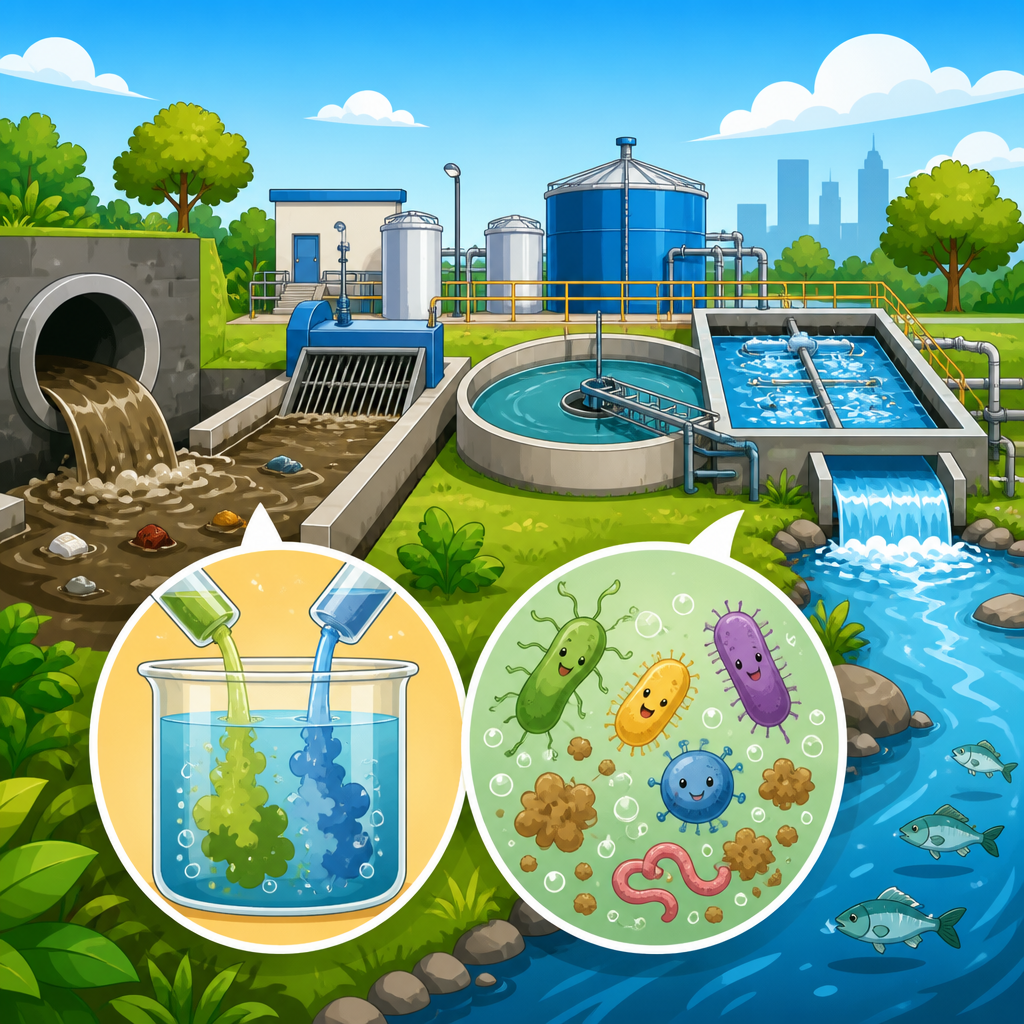
Environmental toxicology is the study of how chemical, biological, and physical hazards move through air, water, soil, food, and living organisms, and how those exposures affect human health, wildlife, and entire ecosystems. For beginners, the field sits at the intersection of toxicology, ecology, chemistry, epidemiology, and risk assessment. Toxicology asks what a substance does to a body; environmental toxicology asks what that substance does in the real world, after it is released, transformed, diluted, concentrated, or combined with other stressors. That broader lens is why the subject matters so much. It explains why mercury in a smokestack can end up in fish, why pesticide drift can affect pollinators far from a field, and why low levels of contamination can still create meaningful health risks over time.
In practice, environmental toxicology helps answer direct questions people care about. Is a contaminant dangerous? At what dose? Who is most vulnerable? How does exposure happen? Does the chemical break down quickly, or does it persist for years? Can it build up in tissue and move up the food chain? I have worked with monitoring reports, safety data, and risk communication materials, and the most important lesson is that harm is rarely explained by one number alone. Dose matters, but so do timing, route of exposure, chemical form, age, genetics, nutrition, and the condition of the surrounding environment. A metal in rock does not pose the same risk as that metal dissolved in drinking water or converted into a form that organisms readily absorb.
Understanding environmental toxicology is essential because modern life depends on chemicals and industrial processes that create both benefits and risks. Fuels, plastics, pharmaceuticals, solvents, fertilizers, and pesticides support agriculture, medicine, manufacturing, and sanitation, yet many can also contaminate ecosystems if they are mismanaged or used at scale. Regulators such as the U.S. Environmental Protection Agency, the World Health Organization, and the European Chemicals Agency rely on environmental toxicology to set standards, evaluate pollutants, and guide cleanup decisions. For students, citizens, and professionals in environmental science, this field provides the foundation for topics such as water quality, hazardous waste, pollution prevention, remediation, ecotoxicology, and environmental health. This guide explains the core concepts, major contaminants, methods, and real-world applications that define environmental toxicology.
Core concepts: hazard, exposure, dose, and response
The simplest way to understand environmental toxicology is to separate hazard from risk. Hazard is a substance’s inherent ability to cause harm. Risk is the likelihood that harm will occur under actual exposure conditions. Cyanide is highly hazardous, but risk is low if no one is exposed. A less acutely toxic chemical may create greater public concern if exposure is widespread and chronic. This distinction shapes every environmental decision, from setting drinking water limits to evaluating contaminated land.
Exposure describes contact between a receptor and a contaminant. The main exposure routes are inhalation, ingestion, and dermal absorption. For wildlife, exposure may also occur through sediment contact, gill uptake, or maternal transfer to eggs and offspring. Dose is the amount that actually enters the body, while response is the biological effect that follows. Toxicologists study dose-response relationships to identify thresholds, safe ranges, and points at which effects become measurable. Key terms include LD50, NOAEL, LOAEL, reference dose, and benchmark dose. These metrics are useful, but they must be interpreted carefully because laboratory conditions do not fully capture field complexity.
Environmental toxicology also deals with acute versus chronic exposure. Acute exposure is short-term and often high-level, such as a chemical spill or accidental poisoning. Chronic exposure is low-level and long-term, such as decades of arsenic in groundwater or urban residents breathing fine particulate matter every day. Chronic exposure is especially important because subtle effects can accumulate slowly and affect development, reproduction, immune function, or cancer risk before obvious symptoms appear. Endocrine disruption is a classic example: very small doses of some compounds can interfere with hormone signaling during sensitive life stages, producing effects that standard high-dose testing may miss.
How contaminants move through the environment
Once released, contaminants rarely stay where they started. Their behavior depends on solubility, volatility, particle size, persistence, pH, temperature, sunlight, and interactions with organic matter or minerals. In air, gases and fine particles can travel long distances, which is why mercury and persistent organic pollutants are found even in remote Arctic regions. In water, contaminants may dissolve, adsorb to sediment, or settle into wetlands and reservoirs. In soil, they may bind tightly, degrade, leach into groundwater, or become available to plants and soil organisms.
Three related concepts are central here: persistence, bioaccumulation, and biomagnification. Persistent chemicals resist breakdown and remain in the environment for long periods. Bioaccumulation occurs when an organism absorbs a substance faster than it can eliminate it, leading to higher concentrations in tissue over time. Biomagnification means concentrations increase at higher trophic levels in a food web. Methylmercury illustrates both processes clearly. It forms in aquatic systems, accumulates in fish tissue, and reaches especially high levels in long-lived predatory fish such as swordfish and some tuna species, creating a human exposure pathway through diet.
Environmental transport also explains why the same pollutant can create different risks in different settings. A pesticide applied before heavy rain can run off into streams. A solvent spilled on sandy soil may reach groundwater faster than it would in clay-rich soil. Lead from old paint becomes most dangerous when it deteriorates into dust that children ingest through hand-to-mouth behavior. Toxicologists therefore study not just the chemical itself, but the exposure pathway from source to receptor. That source-pathway-receptor model is fundamental for site investigation, community health assessment, and remediation planning.
Major classes of environmental contaminants
Environmental contaminants are commonly grouped by their chemical behavior and health effects. Heavy metals and metalloids include lead, mercury, cadmium, and arsenic. Unlike many organic chemicals, elements do not degrade, so risk management depends on controlling mobility and exposure rather than waiting for disappearance. Lead damages the nervous system, especially in children. Arsenic in groundwater is a major issue in parts of Bangladesh, India, and regions with natural geologic sources. Mercury affects the brain and developing fetus, with fish consumption being the main route for many populations.
Organic pollutants include pesticides, solvents, petroleum hydrocarbons, polychlorinated biphenyls, dioxins, and polycyclic aromatic hydrocarbons. Some are volatile and affect indoor or outdoor air; others persist in soil and sediment for decades. PFAS, often called forever chemicals, have become a major concern because of their persistence, mobility, and links to immune, developmental, and metabolic effects. Microplastics are another emerging issue. While the full toxicological picture is still developing, concern centers on particle effects, additive chemicals, and the role plastics may play as carriers for other pollutants.
Biological toxins and physical agents also belong in this field. Harmful algal blooms can produce toxins that contaminate drinking water and fish. Radon, a radioactive gas from geologic sources, is an environmental toxicology issue because inhalation increases lung cancer risk. Fine particulate matter, especially PM2.5, is one of the best-documented air pollutants, associated with cardiovascular and respiratory disease worldwide. The table below summarizes common contaminant groups and why they matter.
| Contaminant group | Typical sources | Main exposure routes | Key concerns |
|---|---|---|---|
| Lead | Old paint, pipes, battery recycling, contaminated soil | Ingestion, inhalation | Neurodevelopmental harm, cardiovascular effects |
| Mercury | Coal combustion, artisanal mining, industrial releases | Dietary ingestion, inhalation | Brain and fetal development toxicity |
| Pesticides | Agriculture, vector control, residential use | Dermal, inhalation, ingestion | Acute poisoning, endocrine and ecological effects |
| PFAS | Firefighting foams, coatings, manufacturing | Drinking water, food, dust | Persistence, immune and metabolic impacts |
| PM2.5 | Traffic, combustion, wildfire smoke | Inhalation | Heart and lung disease, premature mortality |
Effects on humans, wildlife, and ecosystems
Human health effects range from mild irritation to organ damage, birth defects, neurological impairment, reproductive harm, and cancer. Children are often more vulnerable because they eat, drink, and breathe more per unit body weight, their detoxification systems are still developing, and early-life exposures can alter long-term health trajectories. Pregnant people, outdoor workers, subsistence fishers, and communities living near industrial facilities may also face elevated risks. Environmental justice is therefore not an optional side issue; it is central to understanding who bears the burden of pollution and why.
Wildlife effects can be equally significant and are sometimes the first warning signs. The decline of birds of prey linked to DDT showed how a pesticide could cause eggshell thinning and population collapse through food-web exposure. Amphibians are sensitive to pesticides and water quality changes because of their permeable skin and aquatic life stages. Aquatic invertebrates can experience lethal and sublethal effects from metals and insecticides, altering stream food webs long before fish kills are visible. Pollinators may be harmed not only by direct pesticide contact, but also by habitat stress and nutritional deficits that increase susceptibility.
Ecosystem-level effects emerge when contamination changes species composition, nutrient cycling, decomposition, or predator-prey relationships. Acid mine drainage, for example, can lower pH and mobilize metals, wiping out sensitive stream organisms and reducing biodiversity across entire watersheds. Oil spills can smother marsh vegetation, contaminate sediments, and impair birds and marine mammals for years. These broader impacts matter because ecosystems provide services people depend on, including clean water, fertile soil, fisheries, flood control, and carbon storage. Environmental toxicology therefore connects directly to conservation biology, public health, and sustainable resource management.
How environmental toxicologists study pollution
Environmental toxicologists use a combination of field monitoring, laboratory testing, modeling, and epidemiology. Field sampling measures contaminants in air, water, soil, sediment, food, and tissue. Laboratory methods such as gas chromatography-mass spectrometry, liquid chromatography-tandem mass spectrometry, and inductively coupled plasma mass spectrometry allow scientists to identify compounds at extremely low concentrations. Biomonitoring measures chemicals or metabolites in blood, urine, hair, or breast milk, providing evidence of internal exposure rather than just environmental presence.
Laboratory toxicity testing evaluates endpoints such as mortality, growth, reproduction, behavior, endocrine effects, genotoxicity, and developmental outcomes. Standardized protocols from organizations such as the Organisation for Economic Co-operation and Development and the U.S. EPA help make results comparable. In ecological testing, common model organisms include Daphnia, fathead minnows, zebrafish, earthworms, and algae. Human health studies rely on cell systems, animal models, and observational data from exposed populations. No single method is sufficient on its own, which is why weight-of-evidence evaluation is the norm.
Risk assessment pulls these pieces together. The standard framework includes hazard identification, dose-response assessment, exposure assessment, and risk characterization. If risk is unacceptable, managers consider controls such as source reduction, treatment, land-use restrictions, fish consumption advisories, or complete remediation. I have seen how critical communication is at this stage: communities do not just want technical confidence intervals, they want clear answers about whether their water is safe, what uncertainty remains, and what actions they should take now. Good environmental toxicology combines scientific rigor with plain-language explanation.
Why environmental toxicology matters in everyday life
For beginners, the field becomes easiest to grasp when tied to daily decisions. Drinking water quality, indoor air, consumer products, food choices, gardening, home renovation, and local land use all involve environmental toxicology. If a family lives in a pre-1978 home, lead-safe renovation practices matter. If a community depends on private wells, periodic testing for arsenic, nitrate, and local contaminants matters. During wildfire season, understanding PM2.5 and using high-efficiency filtration matters. These are not abstract scientific concerns; they shape practical health protection.
The field also matters because regulation always involves tradeoffs and imperfect information. Scientists may know a contaminant is present long before they can fully quantify long-term risk at low doses. Emerging contaminants often outpace regulation, as happened with PFAS. Mixture effects remain a major challenge because people and ecosystems are exposed to multiple stressors at once, not one chemical in isolation. Climate change adds another layer by altering temperature, wildfire frequency, harmful algal blooms, vector control practices, and contaminant mobility after floods or droughts. That changing baseline makes environmental toxicology more relevant, not less.
As the hub for environmental toxicology within environmental science, this topic links naturally to water pollution, air quality, soil contamination, ecotoxicology, environmental health, hazardous waste, and remediation. The central lesson is straightforward: a contaminant becomes meaningful only when you understand its source, pathway, dose, timing, and affected population. Learn those fundamentals, and news about chemicals, health studies, or pollution incidents becomes much easier to interpret. If you want to go deeper, continue with related articles on toxic metals, pesticide risk, PFAS, biomagnification, and environmental risk assessment to build a complete working knowledge of this field.
Frequently Asked Questions
1. What is environmental toxicology in simple terms?
Environmental toxicology is the study of how harmful substances and other hazards behave once they enter the environment, and what those exposures mean for people, animals, plants, and ecosystems. In simple terms, it asks practical real-world questions such as: Where does a pollutant go after it is released? Does it stay in soil, dissolve in water, travel through air, or build up in food? Who or what is exposed to it, for how long, and at what level? Most importantly, what kinds of health or ecological effects can result?
This field goes beyond basic toxicology, which traditionally focuses on what a substance does to an organism under controlled conditions. Environmental toxicology adds the environmental context. A chemical rarely stays in the same form or in the same place after it is released. It can spread, break down, react with sunlight, attach to sediments, enter crops, or move through insects, fish, birds, livestock, and people. Because of that, environmental toxicologists study not just the hazard itself, but also transport, transformation, exposure pathways, dose, and biological response.
For beginners, it helps to think of environmental toxicology as a bridge between chemistry, biology, ecology, and public health. It connects the source of contamination to the final outcome. That could mean understanding how pesticide runoff affects aquatic life, how industrial metals in soil may enter the food chain, or how airborne particles contribute to respiratory disease. The goal is to understand risks clearly enough to prevent harm, guide regulation, and support healthier environments.
2. What kinds of hazards does environmental toxicology study?
Environmental toxicology studies a wide range of chemical, biological, and physical hazards. Chemical hazards include substances such as pesticides, solvents, petroleum compounds, heavy metals like lead, mercury, arsenic, and cadmium, industrial byproducts, plastic-related chemicals, flame retardants, and emerging contaminants such as PFAS. These substances may enter the environment through manufacturing, agriculture, waste disposal, transportation, mining, consumer products, or accidental spills.
Biological hazards can include toxins produced by living organisms, such as harmful algal blooms, fungal toxins, bacterial toxins, and venom-related compounds in certain contexts. Some environmental toxicologists also examine how microbes interact with contaminants, including whether they help break pollutants down or make them more dangerous. Physical hazards may include radiation, particulate matter, heat-related stressors, and other non-chemical exposures that can still cause measurable biological damage.
What makes the field especially important is that it also looks at mixtures and real-world complexity. In everyday life, people and wildlife are rarely exposed to just one isolated contaminant. A river may contain metals, agricultural runoff, pharmaceuticals, and microplastics at the same time. Air pollution can involve gases plus fine particles plus weather conditions that change how pollutants behave. Environmental toxicologists examine how these combined exposures may affect reproduction, development, immunity, neurological function, hormone systems, cancer risk, and overall ecosystem stability.
In other words, the field is not limited to asking whether a single substance is toxic. It asks which hazards are present, how they interact, who is exposed, which species are most vulnerable, and whether the effects are short-term, long-term, reversible, or potentially widespread across an ecosystem.
3. How do pollutants move through the environment and affect living organisms?
Pollutants move through the environment by traveling through air, water, soil, sediment, and food webs. This movement is often described in terms of transport and fate. A substance released from a factory, vehicle, farm, landfill, or household product does not simply remain at the release point. Wind can carry it through the atmosphere, rain can deposit it elsewhere, surface water can move it into streams and lakes, and groundwater can spread it below the surface. Some contaminants bind tightly to soil or sediment, while others dissolve easily and travel long distances.
Many pollutants also change after release. Sunlight, temperature, oxygen, microbes, and other chemicals can transform a compound into new forms. Sometimes that reduces toxicity, but not always. In certain cases, transformation products can be more persistent or more toxic than the original substance. Environmental toxicology pays close attention to this because understanding the chemical’s original identity is not enough; researchers also need to know what it becomes and how those new forms behave.
Exposure happens when living organisms come into contact with a hazard. Humans may inhale contaminated air, drink polluted water, eat contaminated food, absorb chemicals through skin, or encounter pollutants at work or at home. Wildlife can be exposed through habitat, feeding behavior, breeding grounds, migration patterns, and direct contact with contaminated soil or water. Plants may absorb contaminants through roots or leaf surfaces. Aquatic organisms are especially useful in environmental studies because water can carry pollutants directly into sensitive habitats.
Once inside a living organism, a pollutant may be absorbed, distributed, metabolized, stored, or excreted. Some chemicals bioaccumulate, meaning they build up in tissues over time. Others biomagnify, meaning concentrations increase higher up the food chain. A classic concern is when small organisms take in a contaminant, fish eat many of those organisms, and predators or humans then consume the fish. This can turn a low environmental concentration into a significant health risk.
The effects depend on several factors, including the dose, duration, timing of exposure, age and health of the organism, and the properties of the contaminant itself. Some pollutants cause immediate poisoning, while others contribute to subtle long-term effects such as developmental delays, reproductive problems, endocrine disruption, immune suppression, organ damage, or population decline. That is why environmental toxicology focuses on the full journey of a hazard, from release to exposure to outcome.
4. Why is environmental toxicology important for human health and ecosystems?
Environmental toxicology is important because it helps explain how environmental contamination becomes a real health issue for communities and a real survival issue for ecosystems. Without this field, it would be much harder to identify dangerous exposures early, understand who is at risk, and design science-based strategies to reduce harm. It provides the evidence behind many decisions involving drinking water standards, air quality rules, cleanup priorities, food safety, chemical regulation, and habitat protection.
For human health, environmental toxicology helps connect environmental exposures to outcomes such as asthma, neurological impairment, cardiovascular disease, developmental problems, fertility issues, endocrine disruption, and certain cancers. It is especially valuable for identifying vulnerable populations, including children, pregnant people, older adults, workers in high-exposure settings, and communities located near industrial activity, traffic corridors, waste sites, or contaminated water sources. In many cases, the field supports public health action before damage becomes widespread or irreversible.
For ecosystems, the importance is just as great. Pollutants do not affect only one species at a time. They can disrupt food webs, reduce biodiversity, alter reproduction, weaken immune systems, change behavior, and shift entire ecological balances. A contaminant that harms insects may reduce food for fish or birds. A toxin that accumulates in sediments can affect bottom-dwelling organisms for years. Chemicals that interfere with hormones may impair breeding success even when obvious die-offs are not visible. Environmental toxicology helps reveal these less obvious but deeply important ecological effects.
The field also matters because it supports prevention, not just reaction. By studying how contaminants behave and what exposures are most dangerous, scientists can recommend safer chemical use, better waste management, improved monitoring, stronger regulations, and targeted remediation. In that sense, environmental toxicology is a practical tool for protecting both present and future health. It turns environmental observations into actionable knowledge.
5. How do scientists assess risk in environmental toxicology?
Risk assessment in environmental toxicology is the process of estimating how likely it is that a hazard will cause harm under real-world conditions. It usually begins with hazard identification, which asks whether a substance or exposure is capable of causing adverse effects at all. Scientists look at toxicology studies, epidemiological research, laboratory experiments, wildlife observations, and mechanistic data to understand what kinds of harm may occur, such as cancer, organ toxicity, reproductive effects, developmental injury, or ecosystem damage.
The next step is dose-response assessment, which examines how the severity or likelihood of harm changes as exposure increases. This is crucial because toxicity depends heavily on dose. A substance may be relatively harmless at one level and clearly dangerous at another. Scientists try to identify thresholds, sensitive endpoints, and uncertainty factors, especially when translating laboratory findings to human populations or wild species with very different life histories.
Exposure assessment then asks who is exposed, how exposure happens, how often it occurs, and in what amount. This may involve measuring contaminants in air, water, soil, food, blood, tissues, or environmental samples, as well as modeling how pollutants move and where they concentrate. Researchers consider multiple exposure routes, including inhalation, ingestion, and skin contact. They also examine how exposure differs across age groups, occupations, geographic areas, and species.
Finally, risk characterization brings those findings together into an overall estimate of concern. This step explains not only whether harm is possible, but how strong the evidence is, what assumptions were made, and where uncertainty remains. In environmental toxicology, risk characterization often includes both human health risk and ecological risk. That means scientists may evaluate effects on individuals, populations, habitats, and