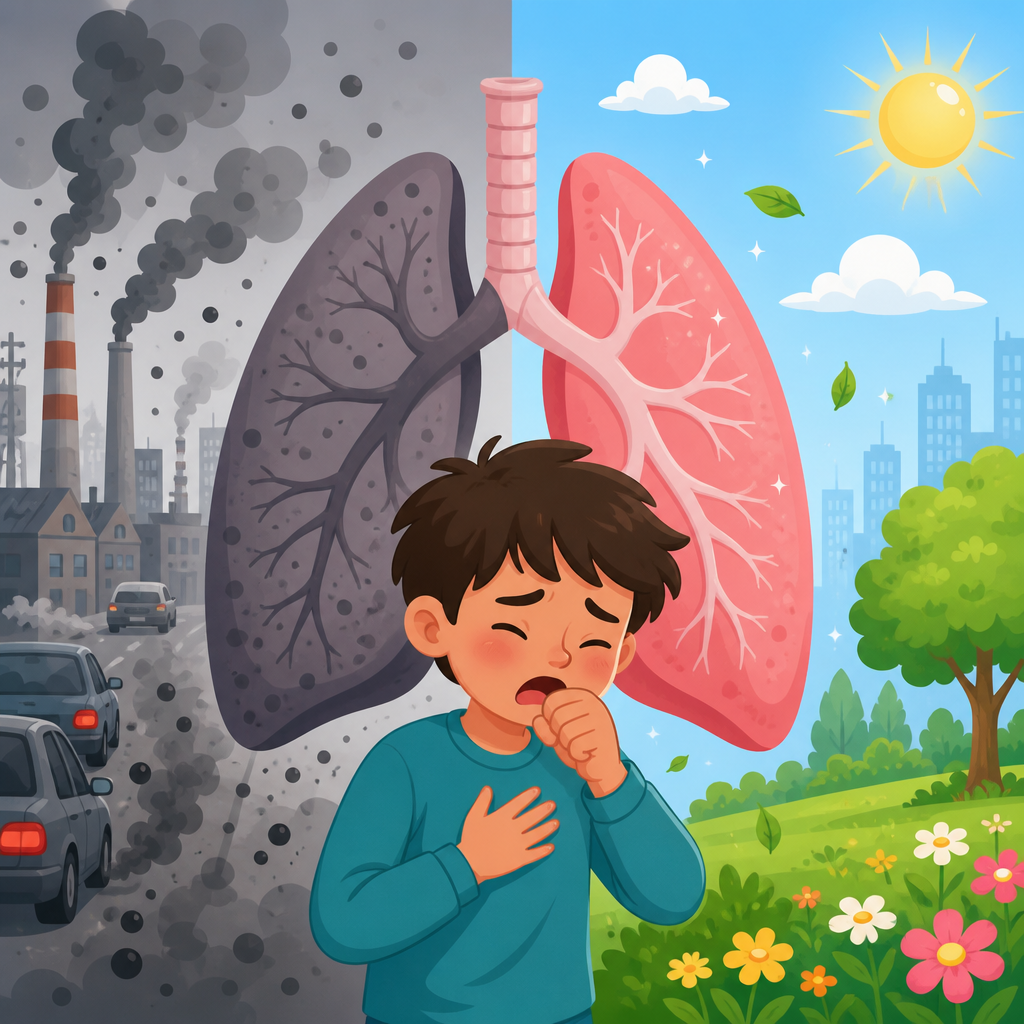
Air pollution and respiratory illness are linked through a clear biological pathway: harmful particles and gases enter the airways, irritate delicate tissues, trigger inflammation, and reduce the lungs’ ability to exchange oxygen efficiently. In environmental toxicology, this relationship is a core topic because it shows how contaminants move from the environment into the human body and produce measurable disease. Air pollution refers to a mixture of substances in outdoor and indoor air, including particulate matter, ozone, nitrogen dioxide, sulfur dioxide, carbon monoxide, volatile organic compounds, and toxic metals. Respiratory illness includes both acute conditions, such as bronchitis and pneumonia, and chronic diseases, such as asthma, chronic obstructive pulmonary disease, lung cancer, and reduced lung function over time.
This subject matters because exposure is widespread, unevenly distributed, and often preventable. The World Health Organization has estimated that air pollution contributes to millions of premature deaths each year, with respiratory and cardiovascular diseases accounting for a large share of the burden. In practice, I have seen how communities near highways, ports, refineries, and older housing stock experience repeated respiratory symptoms that are not random events but predictable outcomes of cumulative exposure. A child with wheezing after heavy traffic days, a warehouse worker coughing near diesel equipment, and an older adult struggling through a wildfire smoke episode are different cases with the same environmental root. Understanding that root is essential for prevention, regulation, and public health planning.
As a hub page for environmental toxicology, this article explains the major air pollutants, how they damage the respiratory system, who faces the highest risk, how scientists measure harm, and what policies and personal actions actually reduce exposure. It also points toward related topics in environmental science, including risk assessment, biomonitoring, occupational exposure, climate-health interactions, urban ecology, and environmental justice. If you want a practical definition, environmental toxicology is the study of how chemicals and physical agents in the environment affect living organisms, especially through exposure, dose, mechanism, and health outcome. Air pollution is one of the field’s most studied hazards because the evidence is extensive, the mechanisms are well described, and the public health stakes are high.
What Counts as Air Pollution in Environmental Toxicology
In environmental toxicology, air pollution is not treated as a single substance. It is a complex exposure mixture with components that differ in source, chemistry, particle size, persistence, and toxicity. The most important pollutants for respiratory health are particulate matter, especially PM2.5 and PM10, ozone, nitrogen dioxide, sulfur dioxide, diesel exhaust, and hazardous air pollutants such as benzene, formaldehyde, and certain polycyclic aromatic hydrocarbons. PM2.5 refers to particles with a diameter of 2.5 micrometers or smaller. Because these particles are so small, they can bypass upper airway defenses, penetrate deep into the bronchioles and alveoli, and in some cases enter the bloodstream. PM10 is larger and tends to deposit higher in the respiratory tract, but it still causes irritation and disease.
Sources matter because they shape the toxic profile of exposure. Traffic emissions contain black carbon, nitrogen oxides, ultrafine particles, and secondary pollutants formed in sunlight. Power plants and industrial facilities emit sulfur dioxide, metal-containing particles, and precursor gases that later form sulfate or nitrate aerosols. Wildfire smoke contains fine particles, carbon monoxide, aldehydes, and a changing mix of combustion products that depend on what is burning. Indoor air can also be hazardous. Gas stoves can elevate nitrogen dioxide, tobacco smoke contains thousands of chemicals, and poorly ventilated spaces can concentrate mold fragments, cleaning product vapors, and combustion byproducts. In field assessments, separating outdoor from indoor sources is often difficult, but both contribute to respiratory burden.
Environmental toxicologists also distinguish between primary and secondary pollutants. Primary pollutants are emitted directly, such as soot from diesel engines or sulfur dioxide from burning fuel. Secondary pollutants form in the atmosphere after chemical reactions; ozone is the classic example, created when nitrogen oxides and volatile organic compounds react in sunlight. This distinction matters because a city can meet emissions targets in one category but still face high respiratory risk from secondary pollutant formation under certain weather conditions. Heat, inversion layers, and stagnant air can amplify exposure even when source emissions remain stable.
How Polluted Air Damages the Lungs
The respiratory system is built for constant contact with the outside environment, which makes it efficient but vulnerable. Every day, humans inhale thousands of liters of air. The nose, throat, mucus layer, cilia, and immune cells act as protective barriers, yet these defenses are limited when pollutants are persistent or highly reactive. Fine particles can deposit along the airway lining, generate oxidative stress, and activate inflammatory pathways. Ozone, a powerful oxidant, reacts with airway surfaces and causes epithelial injury. Nitrogen dioxide increases airway responsiveness and can worsen infections by impairing local immune defense. Sulfur dioxide dissolves readily in moisture, irritating the upper airways and causing bronchoconstriction, especially in people with asthma.
One of the most important mechanisms is oxidative stress. Pollutants either carry reactive compounds themselves or trigger cells to produce reactive oxygen species. When antioxidant defenses are overwhelmed, lipids, proteins, and DNA can be damaged. This leads to inflammation, tissue remodeling, and impaired repair. Over time, repeated injury can thicken airway walls, reduce elastic recoil, and alter mucociliary clearance. That is how short-term irritation can translate into chronic respiratory disease. In toxicology reviews, these pathways are consistent across experimental studies, animal models, controlled human exposure work, and epidemiological evidence.
Exposure timing is also critical. A brief spike in pollution may trigger an asthma attack or increase emergency visits within hours. Long-term exposure works differently: it changes lung development in children, accelerates decline in lung function in adults, and increases the risk of chronic disease over years. Prenatal exposure is especially concerning because fetal lung and immune development are sensitive to inflammatory and oxidative insults. Researchers have linked maternal exposure to traffic-related pollution with lower lung function and higher wheeze risk in children. The mechanism is not a single event but cumulative disruption during sensitive developmental windows.
Respiratory Illnesses Most Strongly Linked to Air Pollution
Asthma is one of the clearest examples of the link between air pollution and respiratory illness. Pollution does not always cause asthma from scratch, but it can increase the risk of developing it and is a well-established trigger for exacerbations. Children living near major roads often show higher rates of wheeze, inhaler use, and missed school days. Nitrogen dioxide and particulate matter are especially implicated in airway inflammation and hyperresponsiveness. During high-ozone days, emergency department visits for asthma commonly rise. Clinicians and public health agencies monitor these patterns closely because they are repeatable and preventable.
Chronic obstructive pulmonary disease, or COPD, is also strongly associated with polluted air. Smoking remains the leading risk factor in many countries, but ambient air pollution, occupational dusts, and indoor biomass smoke are major contributors, especially where solid fuels are used for cooking or heating. In exposure investigations, patients with COPD often report worsening shortness of breath, cough, and sputum production during periods of elevated particulate pollution. Long-term exposure accelerates loss of lung function and increases hospitalization rates. This is particularly evident among older adults and people with preexisting cardiopulmonary disease.
Air pollution also increases susceptibility to respiratory infections. Pollutants can impair mucociliary clearance, reduce macrophage function, and damage epithelial barriers, making it easier for viruses and bacteria to establish infection. Studies have linked higher pollution levels with more bronchitis, pneumonia, and worse outcomes from respiratory viruses. During wildfire seasons, hospitals frequently see more patients with cough, chest tightness, and secondary infections after prolonged smoke exposure. Lung cancer is another critical endpoint. Fine particles and combustion-derived chemicals, especially from diesel exhaust and industrial emissions, contain carcinogens that can initiate and promote tumor formation. The International Agency for Research on Cancer has classified outdoor air pollution and particulate matter as carcinogenic to humans.
| Pollutant | Common sources | Primary respiratory effects | High-risk groups |
|---|---|---|---|
| PM2.5 | Traffic, wildfire smoke, industry, wood burning | Inflammation, asthma attacks, COPD flare-ups, reduced lung function | Children, older adults, people with asthma or heart disease |
| Ozone | Secondary formation from nitrogen oxides and volatile organic compounds | Airway irritation, chest tightness, exercise intolerance | Outdoor workers, athletes, children |
| Nitrogen dioxide | Vehicle exhaust, gas stoves, combustion sources | Worsened asthma, increased airway reactivity, infection risk | Urban residents, children, people in poorly ventilated homes |
| Sulfur dioxide | Fossil fuel combustion, industrial processes | Bronchoconstriction, throat irritation, coughing | People with asthma, industrial communities |
Who Is Most at Risk and Why Exposure Is Unequal
Not everyone breathes the same air, and not everyone responds to pollution in the same way. Children are more vulnerable because their lungs are still developing, they breathe faster than adults, and they spend more time being active outdoors. Older adults face higher risk because of reduced physiological reserve and higher rates of chronic disease. People with asthma, COPD, cystic fibrosis, or cardiovascular disease are consistently more sensitive to even modest increases in pollution. Pregnancy introduces another layer of concern because maternal inflammation and reduced oxygen transfer can affect fetal development.
Exposure is also shaped by geography, housing, and work. Communities located near highways, railyards, ports, refineries, and industrial corridors often experience chronically higher levels of particulate matter and nitrogen oxides. Lower-income neighborhoods may also have fewer trees, more heat-retaining surfaces, older buildings with poor ventilation, and less access to health care. This pattern is not accidental. Land use decisions, zoning history, and transportation planning have concentrated pollution sources near populations with less political power. Environmental justice research has repeatedly shown that race, income, and place predict exposure burdens even after broader regional trends are considered.
Occupational exposure adds another dimension. Bus drivers, traffic police, construction workers, miners, welders, agricultural laborers, and warehouse employees may inhale combustion products, dust, silica, metal fumes, or chemical vapors throughout the workday. In practical risk assessments, occupational and community exposures often overlap. A worker may spend eight hours around diesel equipment and then return to a home near a congested roadway. That cumulative burden matters. Toxicology is ultimately about dose, duration, susceptibility, and context, not just the presence of a single pollutant on a monitoring report.
How Scientists Measure Exposure and Prove Harm
The evidence linking air pollution to respiratory illness is strong because it comes from multiple methods that support one another. Ambient monitoring stations measure pollutants across regions using standardized instruments. Satellite data help estimate fine particle exposure in areas with limited ground monitoring. Personal exposure monitors track what individuals actually breathe during daily life. Researchers then connect these measurements to health outcomes using time-series studies, cohort studies, case-crossover designs, toxicological experiments, and controlled exposure trials. When all of these approaches point in the same direction, confidence rises substantially.
Key tools include spirometry for lung function, biomarkers of inflammation, hospital admission data, mortality records, and geographic information systems that map pollution against population characteristics. Dose-response analysis is central. If higher exposure reliably predicts worse respiratory outcomes, and if the pattern remains after adjusting for smoking, income, temperature, and other confounders, the causal case strengthens. This is one reason PM2.5 has been studied so intensively: associations appear across countries, age groups, and study designs. Regulatory agencies such as the U.S. Environmental Protection Agency and the European Environment Agency rely on this evidence base when setting standards and reviewing health risks.
There are limitations. Exposure misclassification can occur when community-level monitors do not reflect individual experience. Pollution mixtures vary over time, making source attribution challenging. Respiratory illness also has many causes, from infections to allergens to smoking history. Still, the consistency of findings is difficult to dismiss. In my experience reviewing monitoring data with health outcomes, the most convincing pattern is not one dramatic event but repeated alignment: higher smoke, higher symptoms; cleaner interventions, fewer attacks; long-term reductions, better respiratory indicators.
Prevention, Policy, and Practical Ways to Reduce Risk
The most effective way to reduce respiratory harm is to reduce emissions at the source. Cleaner vehicle standards, electrified transit, low-sulfur fuels, industrial controls, and restrictions on open burning have all produced measurable health gains. The U.S. Clean Air Act is often cited because reductions in major pollutants were followed by substantial improvements in public health. Similar benefits have been observed when cities introduced congestion controls, retired coal plants, or tightened diesel standards. Policy works because it changes exposure for entire populations, including people who cannot protect themselves individually.
At the community level, better air quality forecasting, school activity guidance, urban tree cover, filtration in public buildings, and buffer zones between major roads and residences can lower risk. Indoor interventions matter too. High-efficiency particulate air filtration can reduce indoor particle levels during wildfire smoke events. Proper kitchen ventilation helps limit nitrogen dioxide from gas stoves. Smoke-free housing policies reduce secondhand exposure. In workplaces, local exhaust ventilation, respiratory protection programs, and substitution of less hazardous materials are established controls under industrial hygiene practice.
Individuals can also take practical steps, though personal action should never replace policy. Checking the Air Quality Index before strenuous outdoor activity is sensible. During smoke or smog episodes, staying indoors with filtered air, closing windows when appropriate, and using a well-fitted respirator such as an N95 in high-exposure settings can reduce inhaled dose. People with asthma or COPD should have an action plan, maintain prescribed medications, and recognize that pollution spikes can be a medical trigger, not just an inconvenience. For a deeper understanding of environmental toxicology, readers should next explore related subjects such as chemical risk assessment, endocrine disruptors, lead exposure, pesticide toxicity, biomagnification, and climate-related health hazards.
The link between air pollution and respiratory illness is no longer a tentative hypothesis. It is a well-established finding supported by toxicology, clinical medicine, epidemiology, and decades of monitoring data. Polluted air damages the respiratory tract through inflammation, oxidative stress, immune disruption, and long-term tissue remodeling. Those mechanisms help explain why exposure leads to asthma attacks, COPD exacerbations, infections, impaired lung development, and lung cancer. They also explain why certain populations, especially children, older adults, workers, and communities near pollution sources, experience a heavier burden.
As a hub within environmental science, environmental toxicology gives this issue a practical framework: identify the pollutant, measure exposure, understand dose and susceptibility, map the biological mechanism, and reduce risk through intervention. That framework connects this article to the wider subtopic, from occupational health and environmental justice to biomonitoring and regulatory science. If you want to make sense of modern respiratory disease patterns, air pollution is not a side issue. It is a central driver that interacts with housing, transport, energy, climate, and inequality.
The main benefit of understanding this link is simple: better decisions become possible at every level. Governments can set stronger standards, cities can redesign high-exposure areas, employers can improve controls, clinicians can advise vulnerable patients more accurately, and households can reduce everyday exposure. Start with one next step: review your local air quality patterns, identify the biggest sources around your home or workplace, and use that knowledge to support cleaner air policies and smarter personal protection.
Frequently Asked Questions
How does air pollution actually cause respiratory illness?
Air pollution contributes to respiratory illness through a direct and well-established biological process. When a person breathes polluted air, tiny particles and irritating gases travel into the nose, throat, and lungs. Larger particles may get trapped in the upper airways, but fine particulate matter, especially PM2.5, can penetrate deep into the bronchi and alveoli. Once there, these pollutants irritate delicate respiratory tissues, trigger inflammation, increase oxidative stress, and disrupt the normal defense systems that help the lungs stay healthy.
This inflammation can narrow airways, increase mucus production, and make it harder for oxygen to move efficiently into the bloodstream. Over time, repeated exposure may damage lung tissue, worsen airway sensitivity, and reduce overall lung function. Pollutants such as ozone, nitrogen dioxide, sulfur dioxide, smoke, and diesel exhaust are especially important because they can aggravate symptoms quickly and also contribute to long-term disease development. In environmental toxicology, this pathway is central because it clearly shows how contaminants in the environment enter the body and produce measurable harm, including coughing, wheezing, shortness of breath, asthma attacks, bronchitis, and chronic respiratory disease.
Which air pollutants are most strongly linked to breathing problems?
Several common air pollutants are closely associated with respiratory illness, but some are particularly concerning because of how easily they enter the lungs and how strongly they affect airway tissues. Fine particulate matter, known as PM2.5, is one of the most studied and dangerous pollutants. These microscopic particles can come from vehicle exhaust, power plants, industrial emissions, wildfire smoke, and indoor combustion sources. Because they are so small, they can travel deep into the lungs and provoke widespread inflammation.
Ground-level ozone is another major respiratory irritant. It forms when sunlight reacts with pollutants from cars, industrial activity, and chemical emissions. Ozone can irritate the lining of the airways, making breathing uncomfortable even in otherwise healthy people. Nitrogen dioxide, often associated with traffic pollution and gas-burning appliances, can inflame the airways and increase susceptibility to respiratory infections. Sulfur dioxide, more common near industrial sources and certain types of fuel burning, can trigger bronchial constriction, especially in people with asthma.
Indoor pollutants also matter. Tobacco smoke, wood smoke, mold-related particles, volatile organic compounds, and poor ventilation can all worsen respiratory health. The overall risk often depends on the concentration of the pollutant, the duration of exposure, and a person’s age, health status, and existing lung conditions. In practical terms, respiratory harm is rarely caused by a single pollutant alone; it is usually the result of repeated exposure to a mixture of airborne contaminants.
Who is most vulnerable to respiratory illness caused by air pollution?
Although air pollution can affect anyone, certain groups are much more vulnerable because of their biology, health status, or level of exposure. Children are especially at risk because their lungs are still developing, they breathe more air relative to their body size than adults do, and they often spend more time being physically active outdoors. Exposure during early life can interfere with normal lung growth and may increase the chances of developing asthma or reduced lung function later on.
Older adults are also more susceptible, particularly if they already have reduced respiratory capacity or cardiovascular disease. People with asthma, chronic obstructive pulmonary disease (COPD), allergies, or a history of respiratory infections may experience worse symptoms even at relatively modest pollution levels. Pregnant individuals are another important group because pollution exposure may affect both maternal respiratory health and fetal development.
Risk is also shaped by social and environmental conditions. People living near highways, industrial sites, or areas with frequent wildfire smoke may face higher ongoing exposure. Workers in construction, transportation, manufacturing, mining, and other dust- or fume-heavy industries can also be at increased risk. In many communities, lower-income households experience a disproportionate burden because of housing quality, neighborhood pollution, and limited access to health care. For these reasons, air pollution is both a medical issue and a public health equity issue.
Can air pollution make asthma, bronchitis, or other existing lung conditions worse?
Yes, air pollution can significantly worsen existing respiratory conditions, and this is one of the clearest ways its health effects appear in daily life. In people with asthma, polluted air can inflame already sensitive airways, leading to tighter breathing passages, more mucus, and increased airway reactivity. This may trigger coughing, wheezing, chest tightness, and full asthma attacks. Ozone, particulate matter, smoke, and traffic-related pollution are especially common triggers.
For people with bronchitis or COPD, air pollution can intensify chronic inflammation and make it more difficult to clear mucus from the airways. That can result in more frequent flare-ups, greater shortness of breath, and increased risk of hospitalization. Polluted air may also lower the lungs’ resistance to infections, making respiratory illnesses such as pneumonia or viral infections more severe. Even individuals without a formal diagnosis may notice irritation, throat discomfort, reduced exercise tolerance, or a lingering cough when pollution levels are high.
Repeated exacerbations are not just temporary setbacks. Over time, they can contribute to progressive loss of lung function and a decline in quality of life. That is why clinicians and public health experts often advise people with chronic lung disease to monitor air quality reports, reduce outdoor exertion during high-pollution periods, use prescribed inhalers consistently, and improve indoor air conditions whenever possible.
What can people do to reduce the respiratory health risks of air pollution?
Reducing risk starts with limiting exposure, especially during times and in places where pollution levels are highest. One of the simplest and most effective steps is to check local air quality reports and adjust outdoor activity accordingly. On days with elevated particulate matter or ozone, it helps to avoid strenuous exercise near traffic, remain indoors when possible, and keep windows closed if outdoor air quality is poor. During wildfire events or severe smog episodes, using high-efficiency particulate air filtration indoors can make a meaningful difference.
Improving indoor air quality is also essential. Avoiding tobacco smoke, ensuring proper ventilation, reducing the use of products that release irritating fumes, and maintaining heating and cooking appliances can all lower respiratory stress. If gas stoves or heaters are used, good ventilation becomes even more important. In some situations, well-fitted respirator-style masks can reduce inhalation of fine particles, although their usefulness depends on the pollutant type and fit of the mask.
Long-term protection also depends on community and policy measures. Cleaner transportation systems, tighter industrial emission standards, better urban planning, and access to clean household energy sources all help reduce the burden of respiratory disease. For individuals with asthma or other lung conditions, it is wise to follow a care plan, take medications as prescribed, and discuss pollution triggers with a healthcare professional. While no one can completely avoid air pollution, combining personal precautions with broader environmental improvements can substantially reduce respiratory harm.