Biomes are Earth’s broad ecological regions, defined by climate, dominant vegetation, soils, and the communities of organisms that have adapted to live together under those conditions. In environmental science, a biome is larger than a single habitat or ecosystem. A pond, coral reef, prairie dog colony, or mangrove swamp is an ecosystem; a tropical rainforest, desert, or tundra is a biome that contains many connected ecosystems. That distinction matters because climate patterns, nutrient cycling, biodiversity, and human land use operate differently at each scale. When I teach ecology, this is often the first point that helps students connect local observations to planetary processes. Understanding biomes explains why cacti thrive in one place, conifers dominate another, and grasses outcompete trees where fire and grazing are frequent.
The study of ecology and ecosystems depends on this biome framework because it organizes how energy flows, how species interact, and how environmental change spreads. Temperature and precipitation are the two most important controls, but latitude, altitude, ocean currents, seasonality, soils, and disturbance regimes also shape outcomes. For example, two regions may receive similar rainfall, yet one becomes forest and the other grassland because of fire frequency, evaporation rates, or grazing pressure. Biomes are not rigid boxes on a map. They are gradients with transition zones, often called ecotones, where species from neighboring regions overlap. These edges are biologically rich and especially sensitive to climate shifts, invasive species, and land conversion.
This guide to Earth’s major ecosystems serves as a hub for the wider topic of ecology and ecosystems. It covers how biomes work, the major terrestrial and aquatic biomes, the processes that structure them, and the pressures they face. If you are asking what a biome is, how many major biomes there are, how ecosystems differ within them, or why conserving them matters, the short answer is this: biomes are the planet’s largest ecological patterns, and they determine where biodiversity, carbon storage, freshwater supplies, and food systems are concentrated. Learn the biome map, and the rest of environmental science becomes far easier to understand.
How biomes are classified and why that classification matters
Scientists classify biomes by combining climate data with vegetation structure and ecological function. A tropical rainforest is not just “a warm forest.” It is a system with high annual rainfall, limited temperature variation, layered vegetation, rapid nutrient uptake, and exceptionally high species richness. A desert is not simply “dry land.” It is defined by persistent water limitation, sparse or drought-adapted vegetation, strong temperature extremes in many locations, and organisms that conserve water through physiology and behavior. In fieldwork and land management, these distinctions are practical. They guide restoration targets, species monitoring, agricultural planning, wildfire management, and climate modeling.
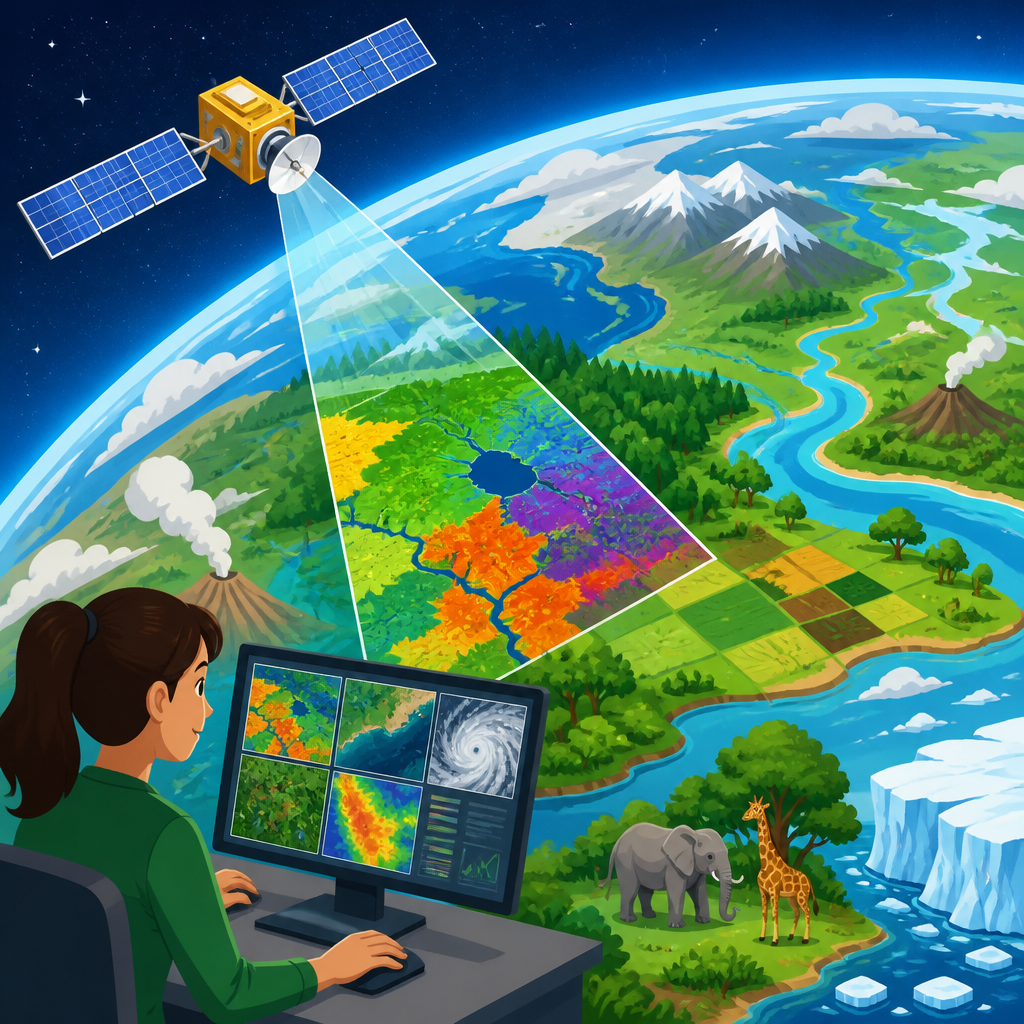
Several classification systems are widely used. The Köppen climate classification groups regions by temperature and precipitation. Ecologists also use biome maps from the World Wildlife Fund, national vegetation surveys, and remote sensing products derived from satellites such as Landsat and MODIS. In professional practice, I have found that no single scheme answers every question. Climate classes are useful for broad comparisons, while vegetation and disturbance-based systems are better for management decisions. If a planner wants to know wildfire risk, evapotranspiration, habitat fragmentation, or likely tree mortality under warming, the operational definition of a biome must include more than annual rainfall totals.
Biomes matter because they regulate ecosystem services at global scale. Boreal forests and peatlands store vast amounts of carbon. Tropical forests influence rainfall through evapotranspiration. Grasslands support major agricultural regions but can lose soil rapidly if overgrazed. Wetlands buffer floods, filter pollutants, and provide nursery habitat for fish and birds. Marine biomes, especially coastal systems and the open ocean, drive oxygen production, fisheries, and climate regulation. Once you view environmental science through the lens of biomes, connections between local ecosystems and global change become visible, measurable, and far more urgent.
Major terrestrial biomes: forests, grasslands, deserts, and tundra
Terrestrial biomes are usually grouped into forests, grasslands, deserts, and tundra, with important subtypes inside each. Tropical rainforests occur near the equator in the Amazon Basin, Congo Basin, and Southeast Asia. They are warm, wet, and highly productive, with multilayered canopies and extraordinary biodiversity. Tropical seasonal forests and savannas have pronounced wet and dry seasons. Savannas, such as those in East Africa and northern Australia, support grasses with scattered trees and are maintained by fire, drought, and large herbivores. Temperate forests, found in eastern North America, Europe, and East Asia, experience marked seasons and include deciduous broadleaf species like oak and maple. Boreal forests, or taiga, stretch across Canada, Alaska, Scandinavia, and Russia, dominated by cold-tolerant conifers like spruce and fir.
Grasslands include temperate prairies, steppes, and pampas, as well as tropical savannas. Their defining feature is not the absence of trees alone, but the dominance of grasses and forbs under climates and disturbance regimes that limit forest formation. Deep-rooted prairie plants build some of the most fertile soils on Earth, which is why so much native grassland has been converted to cropland. Deserts occur where evaporation exceeds precipitation, including hot deserts like the Sahara and Sonoran and cold deserts like the Gobi. Many desert plants use crassulacean acid metabolism, opening stomata at night to reduce water loss. Tundra, found in the Arctic and on high mountains, is treeless because of cold temperatures, short growing seasons, and, in many areas, permafrost that restricts root growth and drainage.
| Biome | Climate Pattern | Typical Vegetation | Representative Example |
|---|---|---|---|
| Tropical rainforest | Warm year-round, very high rainfall | Broadleaf evergreen trees, lianas, epiphytes | Amazon Basin |
| Temperate grassland | Moderate rainfall, hot summers, cold winters | Grasses and flowering herbs | North American prairie |
| Desert | Very low precipitation, high water stress | Shrubs, succulents, annuals | Sonoran Desert |
| Boreal forest | Long cold winters, short mild summers | Coniferous trees, mosses | Canadian taiga |
| Tundra | Very cold, short growing season | Mosses, lichens, dwarf shrubs | Arctic coastal plain |
These terrestrial biomes contain many smaller ecosystems shaped by slope, soil texture, drainage, and disturbance history. A single temperate forest biome may include streams, wetlands, rocky outcrops, and old-growth stands with different species composition. That is why ecosystem-level studies remain essential even when biome-level patterns are clear. The biome provides the broad ecological template; local ecosystems reveal how that template is expressed on the ground.
Aquatic biomes: freshwater, wetlands, coasts, and the open ocean
Aquatic biomes are sometimes treated separately from terrestrial biomes because salinity, depth, water movement, and light penetration become the primary controls. Freshwater systems include rivers, streams, lakes, and ponds. Flowing waters are shaped by current velocity, dissolved oxygen, sediment load, and watershed land use. A headwater stream in a forested catchment is typically cool, shaded, and oxygen-rich, while a lowland river crossing farmland may carry warmer water, nutrients, and suspended sediments. Lakes stratify by temperature seasonally in many temperate regions, which affects oxygen levels and nutrient mixing. Eutrophication, often driven by nitrogen and phosphorus runoff, can trigger algal blooms and fish kills.
Wetlands deserve special emphasis because they blur the line between aquatic and terrestrial systems. Marshes, swamps, bogs, and fens differ in hydrology, vegetation, and chemistry, but all are biologically productive and valuable for water filtration, carbon storage, and flood control. Peat-forming wetlands store carbon accumulated over centuries or millennia, yet when drained or burned they can become major greenhouse gas sources. Coastal biomes include estuaries, salt marshes, mangrove forests, seagrass beds, rocky shores, and coral reefs. Estuaries are nurseries for fish because they combine nutrients, shelter, and variable salinity that many juvenile species tolerate well.
The marine realm extends from sunlit surface waters to the deep ocean floor. Phytoplankton in the photic zone form the base of many ocean food webs and contribute significantly to global oxygen production. Coral reefs, often called the rainforests of the sea, occupy a tiny fraction of the ocean but support immense biodiversity and fisheries. They depend on warm, clear, relatively shallow water and a symbiosis between coral animals and photosynthetic algae. When sea temperatures remain too high, bleaching occurs and mortality can follow. In contrast, the open ocean appears less visually dense with life, yet it drives climate regulation, heat transport, and the global carbon cycle at a scale no terrestrial biome can match.
Core ecological processes that shape every biome
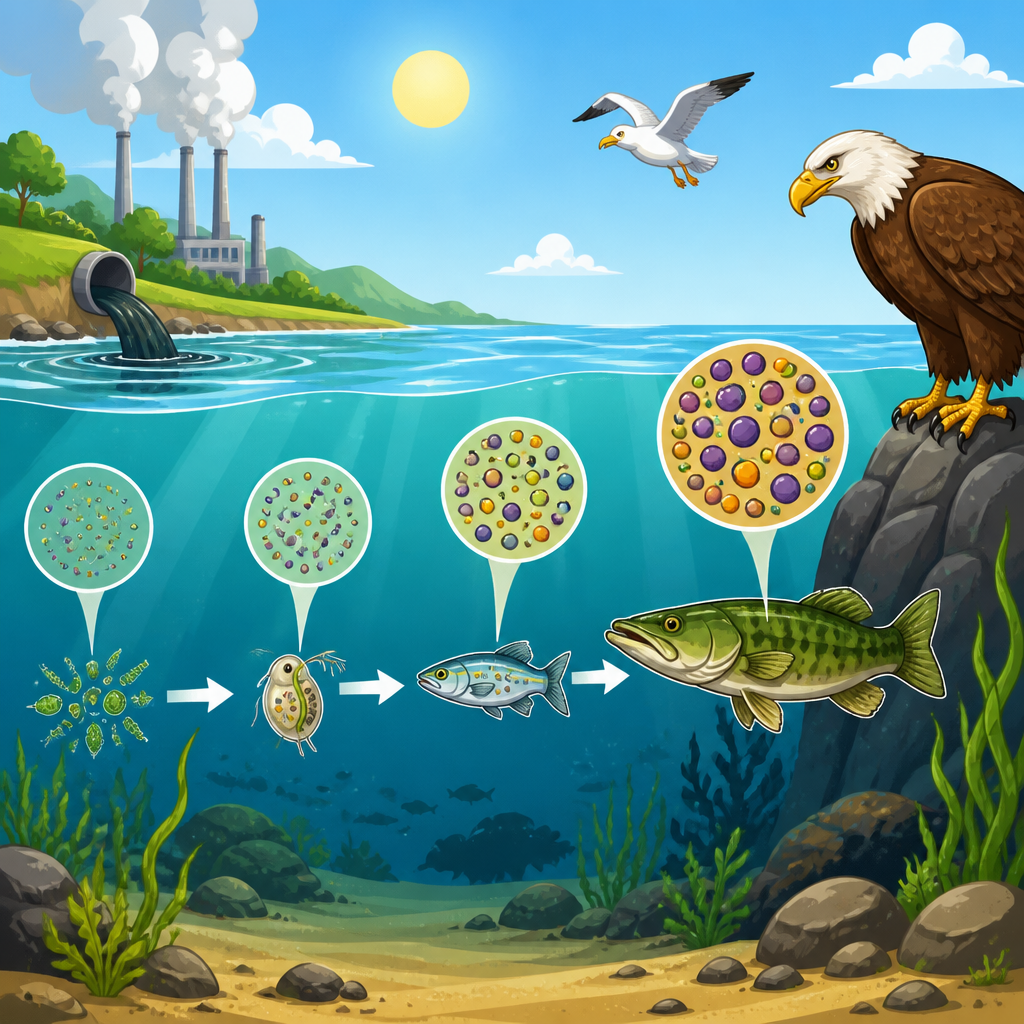
Every biome is structured by a handful of ecological processes. Energy enters mainly through photosynthesis, moves through food webs, and is lost as heat at each trophic transfer. Nutrients cycle through soils, water, atmosphere, and living tissue. Primary productivity depends on sunlight, temperature, water, and nutrient availability. Decomposition returns nutrients to the system, but the rate varies enormously. In tropical forests, warmth and moisture speed decomposition and nutrient uptake, so many nutrients are held in living biomass. In tundra and boreal peatlands, cold and waterlogged conditions slow decay, allowing carbon to accumulate in soils.
Species interactions are equally important. Competition determines which plants dominate under a given light, moisture, and nutrient regime. Predation and herbivory regulate populations and can produce trophic cascades. One well-known example comes from Yellowstone, where wolf reintroduction altered elk behavior and browsing pressure, contributing to vegetation recovery in some riparian areas. Mutualisms can be decisive as well. Pollinators support flowering plant reproduction, mycorrhizal fungi improve nutrient uptake for many plants, and coral reef building depends on symbiosis. In my own restoration work, projects succeeded only when these biological relationships were treated as system drivers rather than side details.
Disturbance is the third major force. Fire, floods, storms, droughts, insect outbreaks, and grazing are not always signs of ecosystem failure. Many biomes evolved with them. Longleaf pine ecosystems in the southeastern United States require frequent low-intensity fire to maintain open structure and biodiversity. Some serotinous cones in conifers open after heating, releasing seeds into post-fire conditions. Floodplain forests depend on seasonal inundation that deposits sediment and nutrients. The ecological question is not whether disturbance occurs, but whether its frequency, intensity, timing, and spatial pattern remain within the range that native species can tolerate.
Human impacts, climate change, and biome conservation
Human activity now influences every major ecosystem on Earth. Land conversion for agriculture and urban expansion is the most visible driver, but it works alongside logging, mining, dams, overfishing, pollution, invasive species, and greenhouse gas emissions. Tropical deforestation fragments habitat, dries local microclimates, and releases stored carbon. Grassland conversion reduces native biodiversity and disrupts soil structure. River damming changes sediment transport, fish migration, and floodplain fertility. Coastal development removes mangroves and marshes that once buffered storm surge. These are not isolated problems; they alter entire biome functions.
Climate change is shifting biome boundaries in measurable ways. Arctic warming is contributing to permafrost thaw, altered shrub growth, and changes in fire regimes. In mountain regions, species ranges are moving upslope. Coral reefs face repeated bleaching under marine heatwaves. Boreal forests are experiencing larger wildfires and insect outbreaks in some regions. Drought stress is increasing tree mortality in places where warming raises evaporative demand faster than rainfall can compensate. Scientists track these changes using long-term plot networks, eddy covariance towers, biodiversity surveys, and satellite observations. The evidence is consistent: ecosystems are responding both gradually and abruptly, depending on local thresholds.
Effective conservation works best when matched to biome realities. Protecting a rainforest requires different tools than restoring a prairie or managing a delta. Common strategies include protected areas, Indigenous land stewardship, wildlife corridors, prescribed burning, watershed management, wetland rehydration, fisheries quotas, and invasive species control. Restoration should aim for ecological function, not cosmetic greening. Planting trees in native grasslands can damage biodiversity and water balance even if it increases canopy cover. The right question is always biome specific: what processes, species assemblages, and disturbance patterns belong here, and what must be restored or protected to keep them working?
Using biomes as a hub for studying ecology and ecosystems
Biomes provide the clearest starting point for understanding ecology and ecosystems because they connect climate, organisms, and processes in one framework. If you grasp why rainforests recycle nutrients rapidly, why deserts conserve water, why grasslands depend on fire and grazing, and why wetlands regulate floods, you can interpret most environmental patterns with much greater confidence. This biome guide is a practical hub for deeper study of food webs, succession, biodiversity, nutrient cycles, conservation biology, and climate science. Each of those topics makes more sense when anchored to real ecosystems and the conditions that shape them.
The main takeaway is simple: Earth’s major ecosystems are not random collections of species. They are organized systems produced by climate, geography, disturbance, and evolution over long timescales. Protecting them means protecting the life support functions they provide, from carbon storage and freshwater regulation to soil fertility and fisheries. If you want to build a strong foundation in environmental science, start with biomes, then explore the ecosystems, species interactions, and conservation challenges within each one. Use this hub as your map, and continue into the wider ecology and ecosystems topic with those connections in mind.
Frequently Asked Questions
What is a biome, and how is it different from an ecosystem?
A biome is a very large ecological region defined by long-term climate patterns, dominant plant life, characteristic soils, and the communities of organisms that have adapted to those conditions. Think of biomes as Earth’s broad environmental zones, such as tropical rainforests, deserts, grasslands, tundra, and temperate forests. An ecosystem, by contrast, is a smaller, more specific system where living organisms interact with each other and with nonliving factors like water, sunlight, and nutrients. A pond, marsh, coral reef, or mangrove swamp is an ecosystem. Each of those ecosystems can exist within a larger biome.
This distinction is important because biomes help scientists explain patterns on a continental or global scale. Climate controls temperature and precipitation over large areas, which in turn shapes the kinds of plants that can grow, the animals that can survive there, how nutrients move through the environment, and how energy flows through food webs. Ecosystems show those processes in a more local setting, while biomes reveal the bigger ecological framework. In simple terms, a biome contains many related ecosystems that share similar environmental conditions and biological adaptations.
What factors determine the type of biome found in a region?
The most important factor is climate, especially average temperature, seasonal temperature range, and the amount and timing of precipitation. These conditions strongly influence which plants can grow in a region, and vegetation is one of the clearest indicators of biome type. For example, areas with abundant year-round rainfall and warm temperatures often support dense tropical forests, while regions with very low rainfall develop into deserts. Cold temperatures, short growing seasons, and frozen ground contribute to tundra conditions.
Other factors also matter. Soil composition affects how well plants can take root and access nutrients. Latitude influences the intensity of sunlight a region receives, while elevation can create cooler conditions similar to those found at higher latitudes. Ocean currents, wind patterns, and mountain ranges can alter rainfall and temperature as well, sometimes creating sharp biome boundaries over relatively short distances. Human activity increasingly affects biome conditions too, through land clearing, pollution, water diversion, and climate change. Together, these factors shape the physical environment and determine which organisms are best adapted to live there.
What are the major biomes on Earth?
Earth’s major biomes are commonly grouped into terrestrial and aquatic categories, though many introductory guides focus first on the major land biomes. Key terrestrial biomes include tropical rainforest, temperate forest, boreal forest or taiga, grassland, desert, tundra, and shrubland or chaparral. Tropical rainforests are warm, humid, and biologically rich. Temperate forests experience moderate climates and distinct seasons. Boreal forests are colder and dominated by coniferous trees. Grasslands have seasonal rainfall and are shaped by fire, grazing, and open vegetation. Deserts are defined by low precipitation rather than heat alone, which is why both hot and cold deserts exist. Tundra is cold, windswept, and often underlain by permafrost.
Aquatic biomes include freshwater and marine systems. Freshwater biomes include lakes, rivers, streams, ponds, and wetlands. Marine biomes include oceans, coral reefs, estuaries, salt marshes, and coastal zones. These aquatic regions are sometimes described separately because salinity, water depth, light penetration, and current patterns play a central role in shaping life there. Even within the same broad biome, there can be enormous variation. For instance, not all forests are alike, and not all deserts support the same species. Biomes are useful categories, but they are broad ecological patterns rather than rigid boxes.
Why are plants and animals in each biome so specialized?
Species become specialized because each biome presents a distinct set of environmental challenges and opportunities. Over many generations, natural selection favors traits that improve survival and reproduction under local conditions. In deserts, plants may evolve thick waxy coatings, deep or widespread roots, and water-storing tissues. Animals may avoid daytime heat, conserve water efficiently, and remain active mainly at night. In tundra biomes, organisms often have compact bodies, insulating fur or feathers, shallow root systems, and life cycles timed to brief growing seasons.
These adaptations are not random; they reflect the pressures imposed by climate, food availability, predation, competition, and soil or water conditions. In tropical rainforests, many plants are adapted to intense competition for sunlight, which is why tall canopy trees, climbing vines, and shade-tolerant understory species are so common. In grasslands, plants often survive grazing and fire through deep roots and rapid regrowth. Specialized traits also link species together within food webs, pollination systems, and nutrient cycles. That is why changing a biome’s climate or vegetation can disrupt entire biological communities. The organisms in a biome are not just present there by chance; they are shaped by long ecological relationships with that environment.
Why does understanding biomes matter for environmental science and conservation?
Understanding biomes helps scientists and policymakers interpret ecological change at the proper scale. Because biomes are shaped by climate, soils, vegetation, and long-term biological interactions, they provide a useful framework for studying biodiversity, carbon storage, water cycling, and nutrient movement across large regions. For example, tropical forests play a major role in global carbon cycling, grasslands can store significant carbon in soils, and wetlands help filter water and buffer floods. Looking at the biome level helps explain why changes in rainfall, fire patterns, or temperature can affect not just one species, but whole communities and ecological processes.
Biome knowledge is also essential for conservation planning. Protecting a single ecosystem is valuable, but conserving an entire biome means safeguarding many linked ecosystems and migration routes, along with the climate conditions that support them. It also helps identify which regions are most vulnerable to habitat fragmentation, invasive species, overuse of resources, and climate change. As temperatures shift and precipitation patterns change, biome boundaries may move, shrink, or become less stable. That can alter where species live, how food webs function, and how resilient landscapes are to disturbance. In practical terms, learning about biomes gives us a clearer picture of how Earth’s living systems are organized and why protecting them is critical for biodiversity, climate stability, and human well-being.