Toxicology reports shape how communities understand chemical risk, respond to contamination, and protect public health. In environmental science, environmental toxicology examines how pollutants affect people, wildlife, water, soil, and air, then translates those findings into decisions about cleanup, regulation, and prevention. When residents hear about lead in drinking water, PFAS near an airport, pesticide drift from farms, or smoke particles after a wildfire, toxicology reports are often the documents guiding the response. I have worked with environmental monitoring summaries, exposure assessments, and risk communication plans, and the same pattern appears every time: people do not just want data points, they want to know what the numbers mean for their homes, schools, and neighborhoods.
A toxicology report is not a single standardized form. It may be a laboratory analysis of blood, soil, water, dust, or tissue; a risk assessment prepared for a contaminated site; a biomonitoring summary from a health agency; or a product of an environmental investigation conducted under programs such as CERCLA, RCRA, or state cleanup laws. The key terms matter. Hazard refers to a substance’s ability to cause harm. Exposure describes contact with that substance through ingestion, inhalation, or skin absorption. Dose is the amount that actually enters the body. Toxicity is the severity of harm a substance can cause at a given dose. Risk combines hazard and exposure, which is why a highly toxic chemical can present low risk when exposure is controlled, while a less toxic substance can still threaten a community when exposure is chronic and widespread.
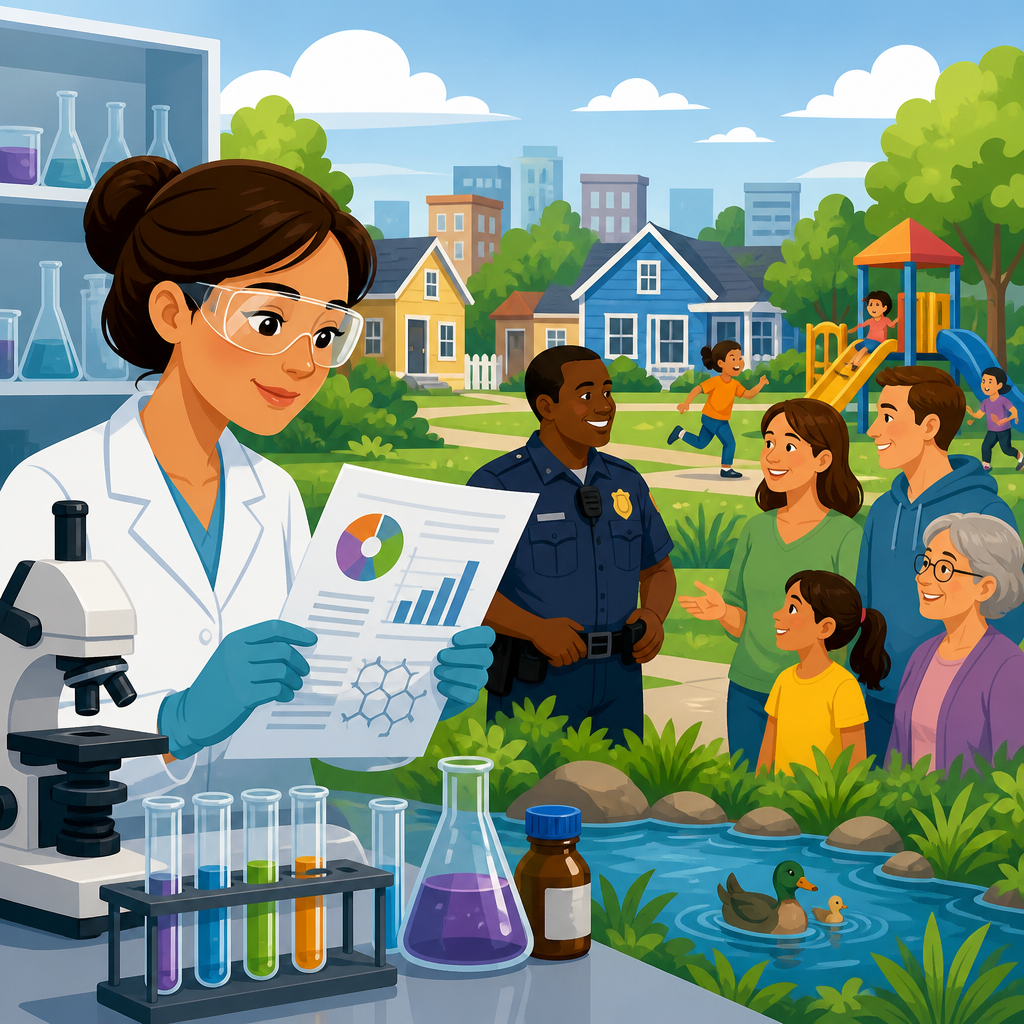
This topic matters because toxicology reports sit at the junction of science, public trust, and policy. Communities rely on them to answer urgent questions: Is the water safe to drink? Are children at greater risk? Should a garden be tested? Is a fish consumption advisory necessary? Can a closed factory site be redeveloped? A strong hub article on environmental toxicology must therefore connect the science of poisons with environmental monitoring, epidemiology, regulations, remediation, and community action. The most useful reports do not bury the answer. They identify the contaminant, explain likely exposure routes, compare measured concentrations to health-based benchmarks, note uncertainty, and recommend practical next steps. Understanding that structure helps residents, local officials, journalists, and property owners make better decisions instead of reacting only to alarming headlines.
What Environmental Toxicology Covers in Practice
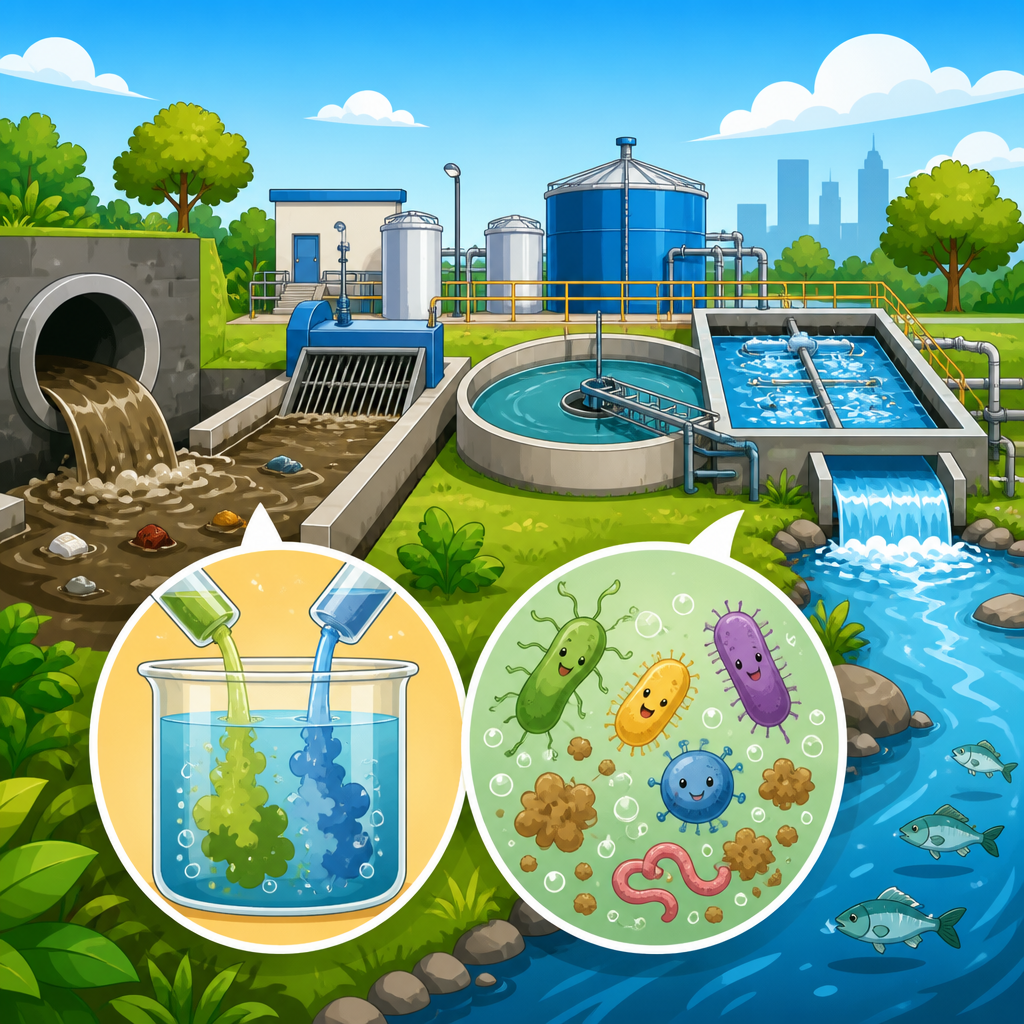
Environmental toxicology studies how chemical, physical, and biological agents move through ecosystems and affect living organisms. In practice, that means looking beyond whether a contaminant is present and asking where it came from, how it transforms, who is exposed, and what health outcome is plausible. Common contaminants include heavy metals such as lead, arsenic, mercury, and cadmium; persistent organic pollutants such as PCBs and dioxins; industrial solvents such as benzene and trichloroethylene; pesticides including organophosphates and pyrethroids; combustion byproducts like polycyclic aromatic hydrocarbons; and newer contaminants such as PFAS. Each behaves differently. Lead often persists in old paint, urban soils, and pipes. Mercury bioaccumulates in fish. Volatile organic compounds can migrate as vapor into buildings. PFAS resist degradation and move through groundwater with unusual persistence.
Environmental toxicologists rarely interpret chemical data in isolation. They integrate toxicokinetics, toxicodynamics, environmental fate, and exposure science. Toxicokinetics describes absorption, distribution, metabolism, and excretion. Toxicodynamics explains how a chemical interacts with cells, enzymes, receptors, or DNA to produce harm. Environmental fate addresses transport, partitioning, persistence, and degradation. Exposure science identifies who comes into contact with the contaminant, how often, and for how long. When these lines of evidence are combined, a report can move from a raw concentration number to a practical conclusion. For example, 20 micrograms per kilogram of a compound in sediment may be negligible for casual human contact but consequential for benthic organisms living continuously in that sediment, which then affects the local food web.
Environmental toxicology is also the hub connecting several related topics. It links naturally to water quality testing, indoor air investigations, hazardous waste management, occupational hygiene, ecological risk assessment, environmental justice, climate-related exposures, and public health surveillance. A community reading one toxicology report often needs follow-up information on site sampling methods, remediation options, health screening, legal disclosure requirements, and land use planning. That is why this subject works best as a sub-pillar hub: it gives readers the framework to understand specialized articles on lead exposure, pesticide contamination, landfill leachate, wildfire smoke toxicity, contaminated sediments, and PFAS treatment technologies.
How to Read a Toxicology Report Without Missing the Main Point
The fastest way to read a toxicology report is to scan five elements in order. First, identify the contaminant and matrix: is the report about drinking water, groundwater, indoor dust, ambient air, fish tissue, blood, or soil. Second, find the detected concentration and units. Third, locate the comparison value, such as an EPA Maximum Contaminant Level, ATSDR minimal risk level, reference dose, screening level, or state action threshold. Fourth, determine the exposure scenario assumed by the report. Fifth, read the uncertainty and recommendations sections carefully. A number only becomes meaningful when paired with a benchmark and an exposure assumption.
Units cause more confusion than chemistry. Water results may be expressed in milligrams per liter, micrograms per liter, or parts per billion. Soil may be reported in milligrams per kilogram. Air may use micrograms per cubic meter. Biomonitoring may use micrograms per deciliter or nanograms per milliliter. A result that seems tiny can still matter. The current CDC blood lead reference value for identifying children with higher blood lead levels is 3.5 micrograms per deciliter, illustrating that biologically important concentrations can be very small. Reports also distinguish between detected, non-detect, estimated, and rejected values. Non-detect does not prove absence; it means the contaminant was below the method detection limit. Estimated values can still inform risk decisions when interpreted properly.
Benchmarks are equally important and often misunderstood. Regulatory limits are not interchangeable with toxicological screening values. An EPA Maximum Contaminant Level is enforceable for public drinking water systems, while a health advisory or screening level may be nonenforceable but still useful for evaluating concern. Cancer and noncancer endpoints are handled differently. Noncancer assessments often compare estimated exposure to a reference dose or reference concentration below which adverse effects are unlikely over a lifetime. Cancer assessments may estimate excess lifetime risk using slope factors. If a report says a result exceeds a screening level, that usually signals the need for closer evaluation, not automatic proof of imminent harm.
| Report Element | What It Tells You | Why It Matters for Community Safety |
|---|---|---|
| Contaminant identity | The specific substance, such as lead, benzene, or PFAS | Different chemicals have different health effects, persistence, and cleanup methods |
| Sample matrix | Where the contaminant was found: water, soil, air, dust, blood, fish tissue | Exposure depends on contact pathway, not just presence |
| Concentration and units | The measured amount and how it is expressed | Unit errors can make a result seem safer or worse than it is |
| Benchmark or standard | The health or regulatory value used for comparison | Shows whether follow-up action or additional study is warranted |
| Exposure scenario | Assumptions about frequency, duration, age group, and route | Children, workers, anglers, and residents can face different levels of risk |
| Uncertainty statement | Limits in sampling, modeling, or toxicology data | Prevents false certainty and supports better decisions |
Where Toxicology Reports Come From and How They Are Built
Most toxicology reports begin long before the document appears at a public meeting. Sampling plans define locations, media, analytes, detection limits, and quality control requirements. Laboratories follow methods such as EPA 8260 for volatile organic compounds or 6020 for metals by ICP-MS, depending on the matrix. Chain of custody records preserve sample integrity. Quality assurance reviews examine blanks, duplicates, spike recoveries, calibration, and holding times. If those fundamentals are weak, the conclusions become fragile. In my experience, community distrust often starts when agencies release polished summaries without clearly explaining how samples were collected and validated.
After analytical data are confirmed, toxicologists and risk assessors interpret them using established frameworks. The National Research Council’s four-part risk assessment model remains foundational: hazard identification, dose-response assessment, exposure assessment, and risk characterization. Agencies such as the EPA, ATSDR, OSHA, WHO, and state environmental departments then apply media-specific guidance and toxicological profiles. For a contaminated schoolyard, assessors may combine soil results with assumptions about children’s hand-to-mouth behavior, dust inhalation, body weight, and frequency of play. For a river impacted by industrial discharge, they may evaluate fish tissue data, local consumption rates, and sensitive populations such as pregnant people because fetal neurodevelopment can be especially vulnerable to methylmercury.
Reports also differ by purpose. A screening assessment is designed to identify whether concern exists. A remedial investigation goes deeper, mapping the nature and extent of contamination. A human health risk assessment estimates possible health outcomes under specific exposure scenarios. An ecological risk assessment looks at plants, invertebrates, fish, birds, and mammals. Biomonitoring reports focus on internal dose measured in people, which can be useful but does not always reveal the precise source. Understanding the report type helps readers judge what the document can and cannot answer.
Common Contaminants and What Their Reports Usually Reveal
Lead reports usually point toward chronic exposure rather than a single dramatic event. In older neighborhoods, the main sources are deteriorating lead-based paint, contaminated dust, legacy industrial emissions, and lead service lines or plumbing fixtures. Soil near busy historic roads may still contain lead from the era of leaded gasoline. Community safety decisions often prioritize children under six because their developing nervous systems are more vulnerable and their behaviors increase ingestion of dust and soil. When soil lead is elevated, useful recommendations include covering bare soil, wet cleaning indoor dust, removing shoes at the door, washing hands before meals, and using certified contractors for renovation under the EPA Renovation, Repair and Painting rule.
PFAS reports often show the challenge of persistence. These fluorinated compounds have been used in firefighting foams, stain-resistant coatings, metal plating, and many industrial processes. They are called persistent because carbon-fluorine bonds resist environmental breakdown. Reports may focus on PFOA, PFOS, GenX chemicals, or broader PFAS panels, but laboratories and regulators still vary in what they test. Drinking water reports can trigger intense concern because exposure may occur daily for years. Treatment commonly relies on granular activated carbon, ion exchange, or high-pressure membranes such as reverse osmosis. The tradeoff is cost, waste handling, and the fact that treatment does not eliminate the upstream source unless releases are stopped.
Pesticide toxicology reports vary by chemical class and timing. Organophosphates can inhibit acetylcholinesterase and cause acute neurologic symptoms at sufficiently high exposures. Pyrethroids are generally less acutely toxic to humans but can be highly toxic to aquatic organisms. Herbicide and fumigant reports raise different concerns again. The practical question is usually not whether a pesticide can be toxic, but whether real-world drift, residues, or runoff created meaningful exposure. For farming communities, the answer may depend on buffer zones, weather conditions during application, equipment calibration, and adherence to label requirements, which in the United States are legally enforceable under FIFRA.
Air pollution reports often center on particulate matter, ozone precursors, diesel emissions, and industrial releases. PM2.5 is particularly important because particles small enough to penetrate deeply into the lungs are associated with asthma exacerbation, cardiovascular disease, and premature mortality. During wildfires, toxicology communication must explain that smoke is a complex mixture, not just a nuisance odor. Advisories become more actionable when they pair monitoring data with steps such as using MERV 13 filtration where compatible, creating a clean room, reducing strenuous outdoor activity, and prioritizing sensitive groups including children, older adults, and people with heart or lung disease.
How Communities Use Reports to Make Safer Decisions
The best toxicology reports support decisions, not just documentation. A neighborhood with solvent vapor intrusion risk may need sub-slab depressurization systems similar to radon controls, plus indoor air follow-up testing. A town with nitrate contamination in private wells may need bottled water for infants, point-of-use treatment, or a connection to a public water system. A lakeside community with mercury in fish may need multilingual consumption advisories tailored to subsistence anglers rather than a generic sign. Safety improves when the recommendation fits the exposure pathway, the population, and the local context.
Community safety also depends on environmental justice. Industrial corridors, ports, highways, and legacy waste sites are disproportionately located near lower-income communities and communities of color. Toxicology reports that treat every census tract as equally resilient miss the real burden of cumulative exposure. Residents may face contaminated soil, poor housing conditions, traffic emissions, occupational exposures, and limited access to health care at the same time. Strong reports acknowledge these combined stressors even when regulations evaluate one chemical at a time. They also communicate in clear language, provide translated materials, and explain uncertainties without sounding evasive.
If you are using a toxicology report to guide action, start with source control, exposure interruption, and verification. Stop the release if possible. Reduce contact through filtration, cleanup, ventilation, barriers, or behavior changes. Then verify with repeat sampling or health monitoring where appropriate. That sequence prevents the common mistake of relying on a one-time test result as if conditions cannot change. Environmental toxicology is most valuable when it turns complex evidence into targeted protection for real communities. Use reports as living tools, ask direct questions about pathways and benchmarks, and follow the evidence toward practical prevention.
Frequently Asked Questions
What is a toxicology report, and why does it matter for community safety?
A toxicology report is a scientific document that explains what substance was found, where it was detected, at what concentration, and what those findings may mean for human health and the environment. In a community setting, these reports are often used to interpret contamination in drinking water, soil, air, surface water, food, or household dust. They bring together sampling data, toxicity information, exposure pathways, and health-based benchmarks so public officials, regulators, and residents can understand whether a detected chemical is simply present or present at a level that could create meaningful risk.
For community safety, that distinction is critical. A toxicology report helps answer practical questions people immediately have: Is the water safe to drink? Should children avoid playing in a certain area? Are fish from a nearby creek safe to eat? Do smoke particles in the air require staying indoors? Good reports do not just list chemicals; they interpret what those measurements mean in the real world based on how people may be exposed and how the body responds to those substances over time.
These reports also support decision-making beyond individual households. They can guide emergency response after a spill, shape long-term cleanup plans, inform public health advisories, and help communities advocate for stronger monitoring or remediation. In that sense, toxicology reports are not just technical paperwork. They are one of the main tools used to translate environmental science into protective action for neighborhoods, schools, workplaces, and ecosystems.
How do scientists decide whether a detected chemical level is actually dangerous?
Scientists do not judge danger based on detection alone. Modern analytical methods can identify extremely small amounts of chemicals, sometimes at parts per billion or even parts per trillion. The key question is whether the amount found is high enough, frequent enough, and accessible enough to create a harmful exposure. Toxicologists compare measured concentrations to health-based reference values, regulatory standards, screening levels, and toxicity data from laboratory, epidemiological, and environmental studies.
They also look at exposure pathways. A chemical in soil may be less concerning if it is deep underground and inaccessible, but much more important if it is in a playground, garden, or dust that children may accidentally ingest. A chemical in groundwater becomes more urgent if that water is used for drinking or irrigation. Air contaminants are evaluated differently depending on whether the exposure is short-term, such as smoke after a wildfire, or chronic, such as long-term emissions from industrial activity. Duration, frequency, route of exposure, and the vulnerability of the exposed population all matter.
Toxicology reports often include a margin-of-safety approach. That means scientists build in conservative assumptions to help protect the public, especially sensitive groups such as infants, pregnant people, older adults, and those with preexisting health conditions. In many cases, a report may conclude that a chemical warrants monitoring, more sampling, or precautionary action even before direct illness is observed. That is because community protection relies on risk prevention, not just waiting for harm to become obvious.
What kinds of contaminants commonly appear in toxicology reports for communities?
Several categories of contaminants appear frequently in environmental toxicology reports. Heavy metals such as lead, arsenic, mercury, and cadmium are common because they can persist in the environment and pose serious risks even at relatively low levels. Lead in drinking water or household dust, for example, is especially concerning because children are highly vulnerable to its effects on brain development and behavior. Arsenic may appear in groundwater, industrial sites, or soil, while mercury can affect aquatic systems and fish consumption safety.
Another major category includes persistent synthetic chemicals such as PFAS, sometimes called “forever chemicals,” which have drawn attention near airports, military installations, landfills, and manufacturing sites. These substances are studied closely because they can remain in water, soil, and the human body for long periods. Pesticides and herbicides may appear in reports related to agricultural drift, runoff, or occupational exposure. Volatile organic compounds, including solvents and fuel-related chemicals, are often associated with industrial contamination, leaking storage tanks, and vapor intrusion into buildings.
Air pollutants are also a major focus, especially after wildfires, industrial fires, or prolonged emissions from traffic and facilities. Fine particulate matter, combustion byproducts, and certain gases can trigger immediate respiratory symptoms and longer-term health effects. Toxicology reports may also evaluate contamination in sediments, wetlands, wildlife tissue, or locally caught fish, depending on how pollutants move through ecosystems. The exact contaminants vary by region and source, but the overall purpose remains the same: identify what is present, understand how it behaves, and determine what protections the community may need.
Can a toxicology report tell residents exactly what health effects will happen?
Not usually, and that is an important point. A toxicology report is designed to assess risk, not predict with certainty what will happen to any one person. Human health outcomes depend on many factors, including dose, duration of exposure, age, genetics, nutrition, other environmental exposures, and existing medical conditions. Two people living in the same area may experience different levels of exposure and different health responses. Because of that, toxicology reports typically describe the types of health effects associated with a chemical and the likelihood of concern under the exposure conditions being studied.
For example, a report may explain that lead exposure is associated with developmental effects in children, that PFAS exposure may raise concern for several long-term health outcomes, or that wildfire smoke can worsen asthma and cardiovascular conditions. It may also identify whether the exposure is more likely to create acute effects, such as eye irritation or breathing problems, or chronic effects, such as elevated risk over many years. However, it generally cannot say that a specific individual will definitely become ill from a measured concentration.
That does not make the report less valuable. In public health, the goal is often to reduce risk before widespread harm occurs. Toxicology reports help residents and officials understand whether exposure levels justify action, medical consultation, additional testing, environmental cleanup, or behavior changes such as using filters, avoiding certain foods, or limiting time in affected areas. They are best read as evidence-based guidance for prevention and response rather than as a personal medical diagnosis.
How should communities use toxicology reports to protect themselves and advocate for action?
Communities can use toxicology reports as both a safety tool and an accountability tool. First, residents should focus on the practical findings: what was detected, where, at what levels, through which exposure pathways, and which groups may be most at risk. Those details help households make informed decisions about drinking water, gardening, recreation, ventilation, school safety, and food consumption. If the report recommends filters, alternate water sources, fish advisories, dust control, or medical follow-up, those are the most immediate steps to prioritize.
Second, toxicology reports can support community advocacy. A well-documented report can be used to ask local agencies for more sampling, independent review, health outreach, cleanup timelines, and transparent communication. Residents may also use findings to request meetings with public health departments, environmental regulators, school districts, or responsible companies. In situations involving long-term contamination, repeated monitoring is often just as important as the first report because conditions can change and initial data may not capture the full extent of exposure.
It is also wise for communities to ask informed follow-up questions. Was sampling done in enough locations and during the right season? Were children, workers, or nearby ecosystems considered separately? Are there combined risks from more than one contaminant? What uncertainty remains? The strongest community response comes from pairing scientific evidence with persistent public engagement. Toxicology reports provide the technical foundation, but real protection often depends on how clearly the findings are communicated and how effectively residents, officials, and experts work together to turn those findings into action.