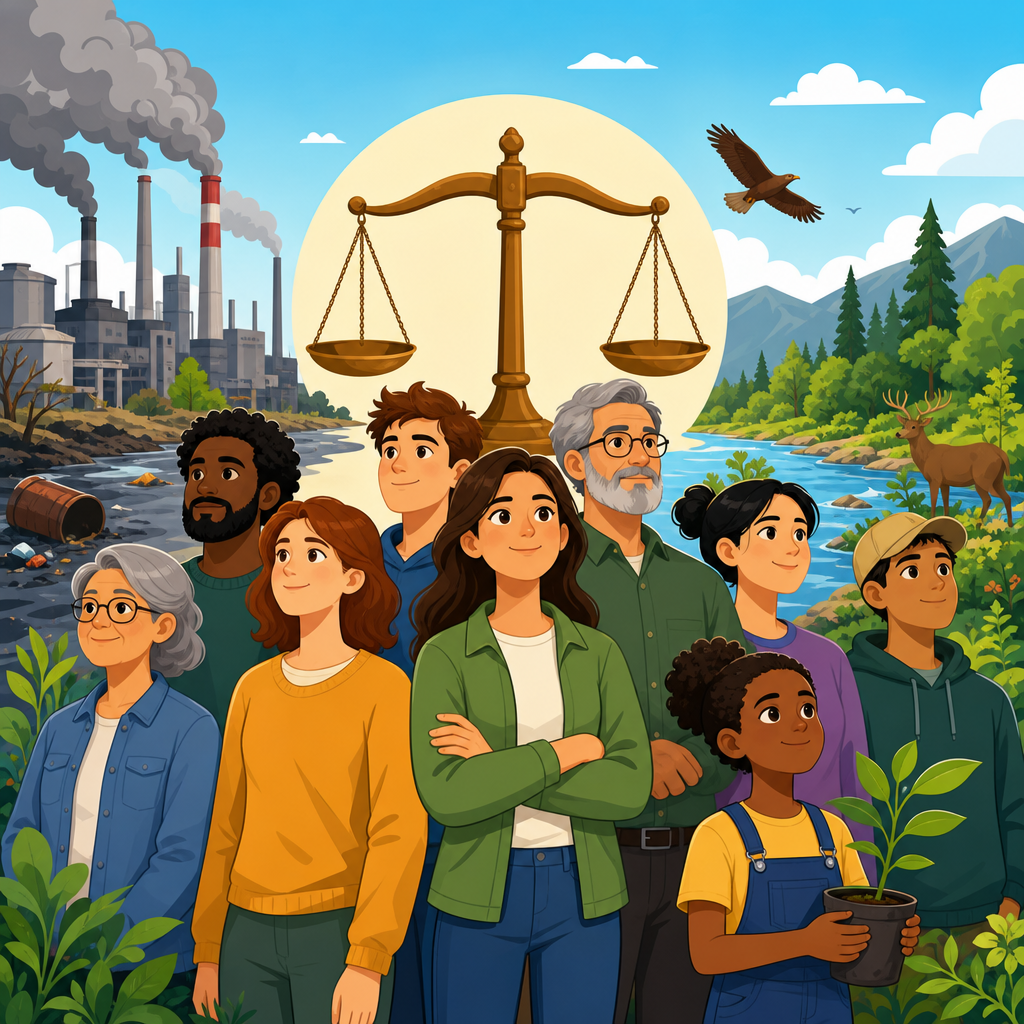

Indigenous water rights sit at the intersection of environmental policy, public health, treaty law, and human dignity. In practical terms, these rights concern who can access clean water, who can govern rivers, lakes, and aquifers, and whose consent matters when governments or companies divert, dam, pollute, or privatize water sources. For Indigenous peoples, water is not simply a commodity or infrastructure issue. It is kin, ceremony, livelihood, food system, and jurisdiction. I have worked on environmental policy content where water disputes repeatedly exposed the same pattern: Indigenous communities are often the first to protect watersheds and the last to receive safe drinking water service. That contradiction is central to understanding why this issue matters.
Indigenous environmental rights form the broader framework around this topic. These rights include land tenure, free, prior, and informed consent, cultural survival, traditional harvesting, self-government, and protection from disproportionate environmental harm. Water rights are the most immediate expression of those protections because every other environmental right depends on water security. A community cannot sustain fisheries, medicines, farming, burial grounds, or sacred practices if rivers are contaminated or access is denied. In legal systems shaped by colonization, Indigenous water rights are often fragmented across treaties, statutes, court decisions, administrative permits, and international declarations. That makes the fight for access both technical and urgent.
The urgency is measurable. In the United States, many Tribal households lack complete indoor plumbing at rates far above the national average, especially in the Navajo Nation. In Canada, First Nations communities have faced long-term drinking water advisories for years at a time, despite repeated federal promises. In Australia, Aboriginal communities have challenged water allocation systems that favor agribusiness while reducing cultural flows. Across Latin America, Indigenous nations have opposed mining, oil extraction, and hydroelectric projects that threaten headwaters and groundwater. These are not isolated failures. They reflect deeper questions about sovereignty, environmental justice, and whose relationship to water is recognized by law.
This hub article explains Indigenous water rights within the wider field of Indigenous environmental rights. It covers the legal foundations, the infrastructure gap, the role of pollution and extractive industries, climate pressure, and the policy tools communities use to defend access. The goal is simple: give readers a clear, comprehensive base for understanding how water rights disputes arise, why they persist, and what durable solutions look like when Indigenous governance is treated as a governing authority rather than an afterthought.
What Indigenous water rights mean in law and governance
Indigenous water rights are the rights of Indigenous peoples to access, use, manage, protect, and make decisions about water according to treaty promises, inherent sovereignty, customary law, domestic law, and international human rights standards. The exact legal basis differs by country, but one principle is consistent: Indigenous peoples held relationships and governance systems around water long before modern states claimed jurisdiction. In my experience reviewing policy frameworks, the strongest analyses start from that preexisting authority rather than treating Indigenous claims as special exceptions to state control.
In the United States, the foundational doctrine often discussed is the Winters doctrine from the 1908 Supreme Court case Winters v. United States, which recognized that when the federal government created reservations, it implicitly reserved sufficient water to fulfill the purposes of those reservations. That principle matters because many Tribal water settlements today build from reserved rights, quantified through negotiation or litigation. Tribes may also assert rights under treaties protecting fishing, hunting, and permanent homelands. In Canada, Section 35 of the Constitution Act, 1982 recognizes and affirms existing Aboriginal and treaty rights, while court decisions have shaped consultation duties and title analysis. Internationally, the United Nations Declaration on the Rights of Indigenous Peoples supports self-determination, cultural integrity, and control over traditional resources, all directly relevant to water governance.
Water governance is not only about ownership. It includes allocation, quality standards, permitting, watershed planning, emergency response, and infrastructure finance. A government can formally acknowledge Indigenous rights yet still undermine them through licensing systems that issue water withdrawals to industry without meaningful consent. That is why procedural rights matter as much as substantive rights. Free, prior, and informed consent, cumulative impact review, data transparency, and co-management structures determine whether legal recognition produces real access or remains symbolic.
Why many Indigenous communities still lack safe water access
The most common public question is direct: if rights exist, why do so many Indigenous communities still lack safe drinking water? The answer is that legal recognition has not been matched by infrastructure investment, maintenance funding, source water protection, or respect for Indigenous governance. Decades of underinvestment created treatment plants that were undersized, difficult to repair, or never connected to all homes. In remote communities, routine tasks such as operator certification, spare-parts delivery, and wastewater upgrades become more expensive, but funding formulas often fail to reflect that reality.
The Navajo Nation illustrates the scale of the problem. Large numbers of residents have historically relied on hauled water, livestock wells, or public filling points because piped household service was unavailable. Distance, dispersed housing, and legacy contamination from uranium mining compounded the challenge. In Canada, many First Nations communities endured boil water advisories or do-not-consume orders due to treatment failures, source contamination, operator shortages, or delays in upgrading systems. Advisories are not minor inconveniences. They change how families cook, bathe infants, manage diabetes care, and run schools or health clinics.
Water access also depends on jurisdictional clarity. I have repeatedly seen cases where responsibility is split among federal, state, provincial, Tribal, and municipal entities, allowing each to shift blame. One agency may finance pipes, another regulate discharge, another issue extraction permits, and another claim no duty to maintain systems on reserve or trust land. Communities then spend years navigating bureaucracy instead of receiving water service. This fragmentation is a policy failure, not an engineering inevitability.
| Barrier | How it affects access | Common example |
|---|---|---|
| Underfunded infrastructure | Treatment plants, storage tanks, and distribution lines fail or never reach all homes | Remote households relying on water hauling instead of indoor plumbing |
| Contaminated source water | Communities cannot safely draw from nearby rivers, lakes, or aquifers | Mining runoff or failing wastewater systems triggering drinking water advisories |
| Weak legal recognition in practice | Permits are issued without meaningful Indigenous consent or co-governance | Industrial withdrawals reducing flows needed for fisheries or ceremonies |
| Jurisdictional fragmentation | Multiple governments dispute who must fund, regulate, or repair systems | Delayed upgrades because agencies assign responsibility to one another |
| Climate stress | Drought, flooding, and wildfire damage reduce reliability and increase treatment risk | Intense storms overwhelming small treatment facilities |
Pollution, extraction, and the defense of source water
Access to water means little if the source is polluted. Indigenous communities are disproportionately exposed to contamination from mining, oil and gas development, industrial agriculture, landfills, and aging municipal systems. Source water protection is therefore a core Indigenous environmental rights issue, not a secondary conservation concern. I have found that policy discussions often focus too narrowly on household taps when the real battle is upstream at the permit stage.
Mining provides a clear example. Hard-rock mining can generate acid mine drainage and mobilize heavy metals long after a project closes. Tailings storage failures can devastate downstream ecosystems. Uranium extraction has left especially damaging legacies in parts of the U.S. Southwest, where abandoned mines have affected groundwater and raised long-term health concerns. Oil pipelines and tanker routes raise spill risks that can threaten salmon habitat, wetlands, and drinking water intakes. Large dams can flood cultural sites, alter sediment flows, and disrupt fish migration central to treaty-protected harvests.
Indigenous resistance has often led broader environmental protection. The Standing Rock Sioux Tribe’s opposition to the Dakota Access Pipeline focused global attention on water protection, treaty obligations, and the limits of consultation that occurs after major decisions are effectively made. In New Zealand, legal recognition of the Whanganui River as a living entity reflected a Māori worldview in governance design, showing that water law can evolve beyond purely extractive models. Across the Amazon basin, Indigenous organizations have linked river defense to territorial protection because deforestation, mercury contamination, and illegal mining rapidly become water crises.
Effective source water defense requires cumulative impact analysis. One discharge permit may appear manageable, but multiple mines, roads, withdrawals, and wastewater outfalls can together collapse a watershed’s resilience. Indigenous knowledge is critical here because it tracks ecological change over long periods: fish behavior, spring timing, medicinal plant decline, ice safety, and sediment shifts. Good policy does not romanticize that knowledge or treat it as anecdotal. It integrates it alongside hydrology, toxicology, and geospatial monitoring in enforceable decision-making.
Climate change, cultural survival, and water sovereignty
Climate change is intensifying every existing water inequity. Drought reduces surface flows and groundwater recharge. Extreme rainfall overwhelms lagoons, septic systems, and treatment plants. Wildfires increase sediment, ash, and chemical runoff that make water harder and more expensive to treat. Coastal erosion and sea-level rise can salinize freshwater sources. For Indigenous communities whose legal rights are tied to fisheries, wetlands, rice beds, or seasonal access routes, climate disruption also threatens the practical exercise of those rights.
Water sovereignty is the concept that communities should have authority to define their relationship with water, including stewardship rules, priorities for use, and protections against exploitation. It is not identical to state-issued user rights. It includes cultural flows, ceremony, intergenerational duties, and the right to refuse harmful development. In Australia, the idea of cultural flows has become especially important in debates over the Murray-Darling Basin, where Aboriginal nations have argued that environmental water regimes still fail to account for Indigenous purposes and governance.
Adaptation planning works better when Indigenous nations lead it. Relocating wells, restoring wetlands, modernizing treatment plants, and revising flood maps are useful steps, but they are incomplete without governance reform. Communities need access to climate finance, technical assistance, and data sovereignty protections so that monitoring information serves local decision-making rather than only external agencies. The most resilient projects I have reviewed combined engineered upgrades with land-based restoration, such as beaver habitat recovery, forest thinning to reduce severe wildfire impacts, and riparian buffer rebuilding to stabilize temperature and runoff.
What durable policy solutions look like
Durable solutions begin with recognizing Indigenous peoples as governments with decision-making authority, not just stakeholders to be consulted. In practice, that means negotiated water settlements that are fully funded, co-management agreements with enforceable powers, and legal standards requiring consent where rights may be affected. It also means treating drinking water infrastructure as a long-term public service obligation. Capital grants alone are insufficient. Systems fail when operations, maintenance, staffing, and replacement reserves are ignored.
Strong policy design has several recurring features. First, source water protection must be built into land-use and permitting decisions, including cumulative effects review and strict cleanup liability. Second, infrastructure funding should cover full lifecycle costs, operator training, laboratory access, emergency backup power, and household connections. Third, data systems should be transparent and community-controlled, with routine testing for contaminants that actually match local risks, such as arsenic, uranium, manganese, PFAS, or pathogen spikes after storms. Fourth, laws should align health standards across jurisdictions so Indigenous communities are not left under weaker regimes than nearby municipalities.
There are practical models to build on. Some Tribal nations in the United States have secured major water settlements paired with pipelines, treatment plants, and habitat restoration commitments, though implementation remains uneven. In Canada, legal and political pressure has pushed federal investment into ending long-term drinking water advisories, yet sustainable success still depends on governance, source protection, and local capacity. Internationally, rights-of-nature frameworks, watershed personhood models, and Indigenous guardian programs show that legal innovation can strengthen water protection when backed by real authority and funding.
For readers exploring Indigenous environmental rights more broadly, water is the hub issue that connects every other part of the field: land back, extractive industry regulation, biodiversity protection, climate adaptation, public health, and cultural survival. Understanding Indigenous water rights and the fight for access means recognizing a simple truth. Communities that have protected waters for generations should not be denied clean water, excluded from water governance, or forced to absorb pollution created by others. Better policy is available. It starts with honoring treaty and inherent rights, funding reliable systems, preventing contamination at the source, and placing Indigenous leadership at the center of watershed decision-making. If you are building policy, conducting research, or following environmental law, use this framework as your starting point and examine every water decision through the lens of Indigenous rights and access.
Frequently Asked Questions
What are Indigenous water rights, and why are they different from standard water access issues?
Indigenous water rights refer to the legal, cultural, political, and spiritual relationships Indigenous peoples have with rivers, lakes, wetlands, springs, and groundwater within their traditional territories. These rights are different from ordinary public utility or consumer access questions because they are not limited to whether water comes out of a tap. They also include who has authority to protect water, how water is used, whether development can proceed without Indigenous consent, and how treaties, inherent sovereignty, and customary law shape decision-making. In many Indigenous worldviews, water is a living relative rather than a commodity, which means water governance is tied to responsibility, reciprocity, ceremony, and future generations. That broader understanding makes Indigenous water rights a matter of jurisdiction, survival, and human dignity, not just infrastructure policy.
In practice, this means the conversation extends far beyond service delivery. A community may technically have water access and still face violations of its rights if upstream mining contaminates a river, if a dam destroys fisheries, if a pipeline threatens aquifers, or if governments authorize water withdrawals without meaningful consultation. Indigenous water rights therefore sit at the intersection of environmental law, public health, treaty interpretation, land rights, and political self-determination. When these rights are ignored, the result is often not only unsafe water but also the erosion of food systems, ceremonial life, language, local economies, and community governance.
Why is access to clean water still a major issue for many Indigenous communities?
Clean water inequity persists because the problem is structural, not accidental. Many Indigenous communities have endured decades of underinvestment in water infrastructure, poor maintenance funding, weak regulatory enforcement, fragmented jurisdiction between federal, state, provincial, territorial, or tribal authorities, and decisions imposed without local control. In some places, systems were built inadequately from the start. In others, climate change, aging facilities, industrial contamination, overcrowding, or source-water degradation have made existing systems unreliable. The result can include boil-water advisories, unsafe wells, lack of wastewater treatment, expensive bottled water dependence, and serious health risks.
There is also a deeper historical dimension. Colonization often displaced Indigenous peoples from water-rich territories, restricted mobility, disrupted traditional stewardship systems, and prioritized settler agriculture, hydropower, urban growth, and extractive industries over Indigenous needs. That history matters because it helps explain why some communities are forced to fight simultaneously for basic household water service, protection of sacred waters, and recognition of their governing authority. Water insecurity in Indigenous communities is not simply a technical failure; it is frequently the outcome of political exclusion and unequal power. Addressing it requires more than emergency fixes. It requires sustained investment, source-water protection, respect for Indigenous governance, and long-term accountability.
How do treaties, Indigenous sovereignty, and consent affect water governance?
Treaties, inherent Indigenous sovereignty, and the principle of free, prior, and informed consent are central to water governance because they determine whose voice has legal and moral authority when decisions are made about water. In many regions, treaties guarantee rights connected to fishing, hunting, travel, agriculture, or continued use of traditional territories, all of which depend on healthy water systems. Even where treaties are absent, many Indigenous nations maintain inherent rights and responsibilities that predate the state itself. Those rights can include stewardship obligations, jurisdiction over resources, and the authority to participate in or lead water management decisions.
Consent matters because water decisions can have permanent consequences. A diversion, dam, tailings pond, irrigation project, or privatization agreement can alter ecosystems for generations. Meaningful consultation is not the same as checking a procedural box after key decisions have already been made. Indigenous communities increasingly argue, and international human rights standards support, that major projects affecting their waters require early engagement, full information, cultural respect, and decision-making processes that recognize Indigenous law and governance institutions. When states or companies sidestep these obligations, conflict often follows, along with litigation, protest, regulatory delay, and long-term harm to public trust. Stronger recognition of treaty rights and Indigenous consent leads to better governance because it produces more legitimate, durable, and ecologically informed outcomes.
What kinds of threats most often put Indigenous water rights at risk?
The most common threats include industrial pollution, mining runoff, oil and gas development, dams, water diversions, deforestation, agricultural overuse, privatization, and climate change. Each of these can affect both water quality and water quantity. For example, mining can release heavy metals or acid drainage into streams; pipelines and drilling can threaten aquifers and wetlands; dams can flood sacred sites, disrupt fish migrations, and alter sediment and temperature patterns; and large-scale withdrawals can reduce flows needed for ecosystems and community use. Climate change compounds these pressures by intensifying drought, wildfire, flooding, permafrost thaw, salinity intrusion, and harmful algal blooms.
Just as important are governance threats. Sometimes the greatest risk is not one single project but a regulatory system that treats Indigenous nations as stakeholders instead of rights holders. When permits are issued without respecting Indigenous law, cumulative impacts are ignored, or water is managed according to short-term economic priorities, communities can lose both practical access and meaningful authority. Even well-intended projects can become harmful if they are designed without local knowledge. Indigenous water rights are especially vulnerable where legal recognition is weak, monitoring is inconsistent, or cleanup costs are shifted away from polluters. Protecting these rights requires both environmental safeguards and a governance model that places Indigenous leadership at the center.
What would meaningful progress on Indigenous water rights and access actually look like?
Meaningful progress would look like safe, reliable drinking water in every Indigenous community, backed by long-term funding for infrastructure, operator training, maintenance, and emergency response. But it would not stop there. It would also include robust protection of source waters, stronger enforcement against polluters, restoration of damaged waterways, and climate adaptation planning designed with Indigenous leadership. Just as importantly, progress would mean recognizing Indigenous nations as governing authorities with the power to shape water policy, co-manage watersheds, enforce stewardship laws, and withhold consent from projects that threaten their lands and waters.
Real progress is both material and political. Materially, communities need functioning treatment systems, wastewater services, monitoring capacity, and affordable access. Politically, they need respect for treaties, recognition of jurisdiction, transparent consultation processes, and decision-making structures that treat Indigenous knowledge as foundational rather than optional. Successful approaches often involve community-led water planning, guardian programs, watershed restoration, legal reform, and partnerships that transfer authority instead of merely seeking feedback. Ultimately, the goal is not simply to close an infrastructure gap. It is to uphold human rights, restore Indigenous governance, and ensure that water is protected as a living system essential to culture, health, and collective future.