The best reusable products for an eco-conscious lifestyle reduce waste, lower long-term household costs, and make sustainable living at home practical rather than performative. Reusable products are items designed to be used many times in place of single-use alternatives, from stainless steel water bottles and silicone food bags to washable cleaning cloths and refillable personal care containers. In my work evaluating household sustainability swaps, the most effective products share three traits: durability, easy maintenance, and a measurable ability to replace a high-volume disposable habit. That matters because home consumption drives a large share of everyday waste. Packaging, paper goods, food storage, cleaning supplies, and personal care items all move through a household quickly, and small repeated choices create an outsized environmental footprint over time.
An eco-conscious lifestyle is not defined by buying the largest number of green products. It is defined by choosing fewer, better items that reduce material use across months and years. A well-made reusable coffee cup prevents hundreds of disposable cups from entering the waste stream. A set of cloth napkins can replace thousands of paper napkins over its lifespan. Refillable spray bottles paired with concentrated cleaners cut plastic use and reduce shipping emissions because less water is transported. These choices support sustainable living at home by addressing the systems behind daily consumption: how products are made, how often they are replaced, how they are cleaned, and whether they can eventually be repaired or recycled. For households building better habits, reusable essentials are often the most accessible starting point.
This hub article explains the best reusable products for an eco-conscious lifestyle, how to evaluate them, and where each one fits into a realistic home sustainability plan. It covers reusable kitchen goods, cleaning tools, bathroom essentials, shopping and food transport products, and criteria for selecting durable materials such as glass, stainless steel, organic cotton, and silicone. It also addresses tradeoffs, because not every reusable item is automatically sustainable. Some products require significant water or energy to wash, some break too easily, and some are marketed as green without replacing any meaningful disposable use. The goal is to help readers make smarter substitutions, prioritize products with the highest impact, and build a sustainable living at home routine that is convenient enough to keep.
How to Choose Reusable Products That Actually Reduce Waste
The best reusable products solve a repeated problem. Before recommending any swap, I look at what a household throws away every week: paper towels, cling film, plastic sandwich bags, takeaway cups, disposable razors, cotton rounds, mop pads, and cleaning bottles. If a reusable item replaces one of those streams consistently, it is worth considering. If it is bought aspirationally and rarely used, it becomes clutter with a sustainability label. This is why product selection should start with a simple audit of bins, drawers, and shopping habits. The highest-value reusables are not the trendiest; they are the ones that fit seamlessly into routines already happening at home.
Material choice matters because durability determines environmental payoff. Stainless steel is one of the strongest options for bottles, lunch containers, and safety razors because it resists corrosion, tolerates frequent washing, and can last for years. Tempered glass works especially well for food storage because it does not absorb stains or odors and makes leftovers visible, which also reduces food waste. Silicone is useful for baking mats, storage bags, and stretch lids when flexibility and heat resistance are needed, though quality varies widely. Organic cotton and linen perform well in napkins, produce bags, and cleaning cloths, especially when they can be washed at full loads and line dried. Bamboo is often marketed aggressively, but product form matters more than the plant source; a flimsy bamboo utensil replaced every few months is less sustainable than a steel alternative used for a decade.
Care requirements are the other half of the equation. A reusable item must be easy enough to clean that people will not avoid it. Dishwasher-safe containers, machine-washable cloths, and wide-mouth bottles generally outperform products with awkward seams, trapped moisture points, or hand-wash-only instructions. For families, the best reusable products are the ones children and guests can use without detailed guidance. The practical standard is simple: if maintenance is annoying, adoption drops. Sustainable living at home depends less on ideals than on friction-free systems that work on busy weekdays.
Reusable Kitchen Essentials With the Highest Everyday Impact
The kitchen is usually the best place to begin because it contains several of the highest-volume disposable categories in a home. Reusable food storage containers are foundational. Glass containers with locking lids replace single-use takeaway tubs, disposable sandwich bags, and cling film in one category. They also support meal prep and leftover visibility, which reduces avoidable food waste. In many homes I have assessed, forgotten leftovers were a larger sustainability problem than packaging alone. Transparent storage changes behavior because people can see what needs to be eaten. For packed lunches, stainless steel bento boxes and leak-resistant silicone snack bags work especially well because they are lightweight, durable, and easy to rinse.
Reusable drinkware is another high-impact category. Stainless steel water bottles and insulated travel mugs replace disposable water bottles, plastic cups, and takeaway coffee cups. The environmental benefit depends on repeated use, but in practice frequent commuters and students often achieve that quickly. A quality insulated mug also has a convenience advantage: drinks stay hot or cold for hours, making reuse easier than grabbing a single-use option. At home, replacing paper coffee filters with a metal or cloth filter can reduce paper waste, though results vary by brewing method and cleanup preference. For tea drinkers, a stainless steel infuser basket is one of the simplest low-waste upgrades because it avoids individually wrapped tea formats and lasts for years.
Cooking and food prep offer more opportunities. Silicone baking mats can replace parchment paper in regular baking households, while beeswax wraps or silicone stretch lids can reduce cling film use for bowls, cheese, and cut produce. Wooden dish brushes with replaceable heads, cellulose sponges, and washable Swedish dishcloths cut down on synthetic disposable scrubbers and paper towels. Swedish dishcloths are especially effective because they absorb many times their weight, dry quickly, and can be machine washed repeatedly. In homes aiming for sustainable living at home, these are often the first products that deliver visible waste reduction within a month.
Reusable Cleaning Products That Simplify Sustainable Living at Home
Cleaning routines consume surprising amounts of disposable material. Paper towels, single-use wipes, mop pads, and endless plastic spray bottles add up quickly, yet these are among the easiest categories to redesign. The strongest starting point is a set of microfiber or cotton cleaning cloths assigned by task: kitchen counters, bathroom surfaces, dusting, and glass. Color coding prevents cross-contamination and makes laundering straightforward. While microfiber sheds synthetic fibers over time, quality cloths that last for years are still often preferable to constant paper towel consumption. Households concerned about shedding can reserve microfiber for glass and use cotton for general wiping.
Refillable spray bottles paired with concentrated or tablet-based cleaners reduce packaging and transport emissions because brands ship active ingredients rather than mostly water. Recognized low-waste cleaning companies have popularized this model, but the core principle is older and sound: reuse the durable bottle, replenish the formula, and avoid redundant plastic. For floors, washable mop pads outperform disposable systems in both cost and waste terms. The same logic applies to dusting tools with removable launderable covers. If a cleaning tool depends on proprietary throwaway refills, it is rarely the most sustainable option.
Durability and hygiene should guide selection here. Cleaning products need to withstand hot washes, bleach where appropriate, and frequent handling. Natural fiber brushes are excellent for scrubbing sinks, dishes, and grout, but they should be dried properly to prevent mildew. Refillable hand soap and dish soap dispensers also matter more than many people realize because these liquids are replenished constantly. Buying concentrates or bulk refills in recyclable packaging can materially reduce the flow of small pump bottles through a household each year.
| Reusable product | Single-use item replaced | Best material | Main benefit at home |
|---|---|---|---|
| Glass food container | Plastic wrap, sandwich bags, takeaway tubs | Tempered glass with locking lid | Stores leftovers clearly and reduces food waste |
| Insulated water bottle | Disposable plastic bottles | Stainless steel | Long lifespan and temperature retention |
| Washable cleaning cloth | Paper towels and wipes | Cotton or microfiber | Handles repeated cleaning tasks economically |
| Safety razor | Disposable razors | Stainless steel | Very low waste and inexpensive blade replacement |
| Silicone food bag | Zip-top plastic bags | Platinum-grade silicone | Useful for snacks, freezing, and packed lunches |
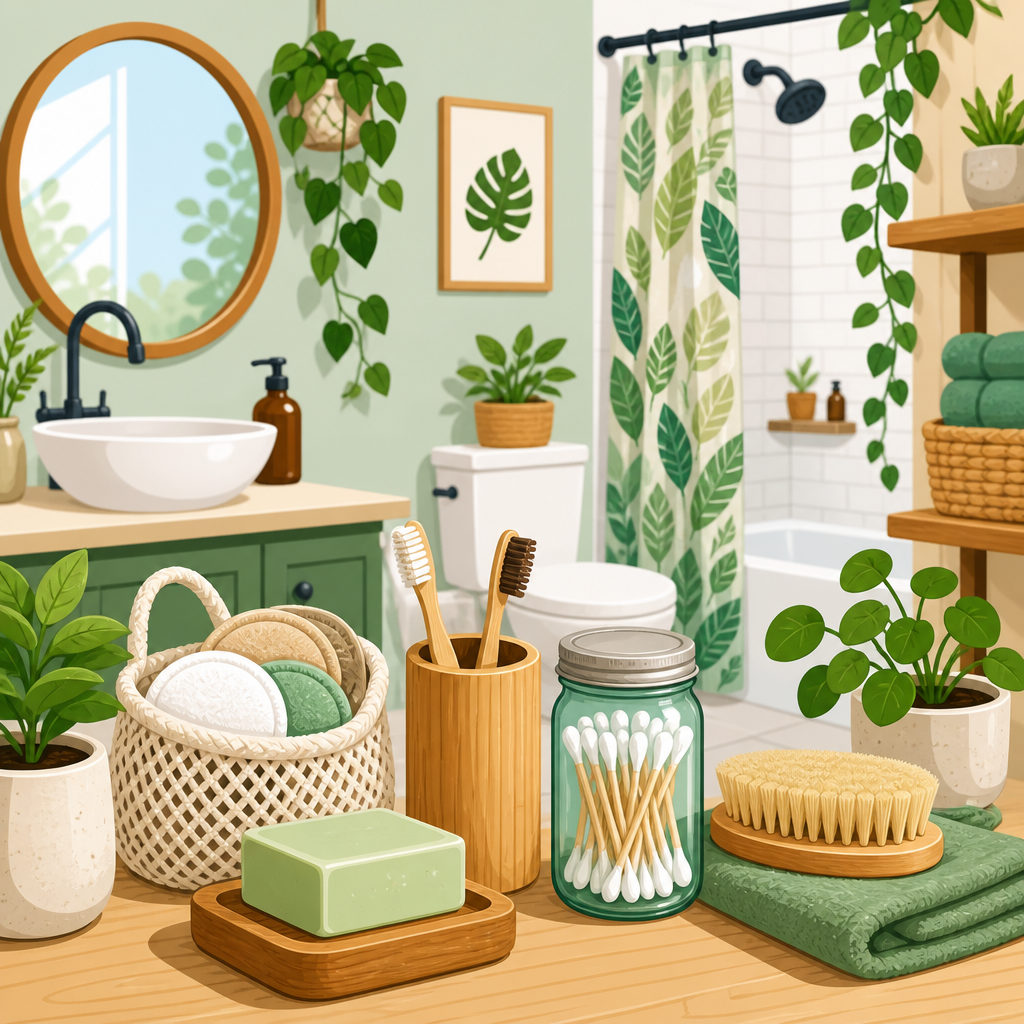
Bathroom and Personal Care Reusables Worth Buying First
The bathroom is a major source of hidden disposable waste, especially from personal care packaging and short-life products. Safety razors are one of the clearest examples of a better system. A well-made stainless steel safety razor can last decades, while only the small metal blade is replaced. Compared with cartridge razors and fully disposable razors, the waste reduction is significant and ongoing. There is a learning curve around shaving angle and pressure, but most users adjust quickly. Refillable floss picks are less compelling than simple floss in recyclable or refillable formats, so they usually rank lower in impact than razors, soap, and menstrual care.
Reusable menstrual products such as menstrual cups, menstrual discs, and washable cloth pads can dramatically reduce waste for those who find them comfortable. They also lower recurring costs over time. The right choice depends on anatomy, activity level, and cleaning comfort, so this category benefits from careful product research rather than impulse buying. Reusable makeup remover pads, cotton rounds, and facial cloths are easier entry points. They replace a constant trickle of disposable products and can be washed with towels. For hand drying and guest use, cloth hand towels generally outperform paper alternatives in routine home settings.
Solid shampoo bars, conditioner bars, and refillable body care containers extend the reusable mindset into packaging reduction. Not every solid formula works for every hair type, especially color-treated or very curly hair, so results vary. In my experience, households succeed more often when they test one category at a time instead of replacing the entire bathroom shelf at once. Bamboo toothbrushes reduce plastic compared with conventional toothbrushes, but because bristles are typically nylon, end-of-life disposal is still mixed. They can be a reasonable step, just not the highest-impact bathroom swap available.
Shopping, Food Transport, and Daily Carry Products That Prevent Constant Waste
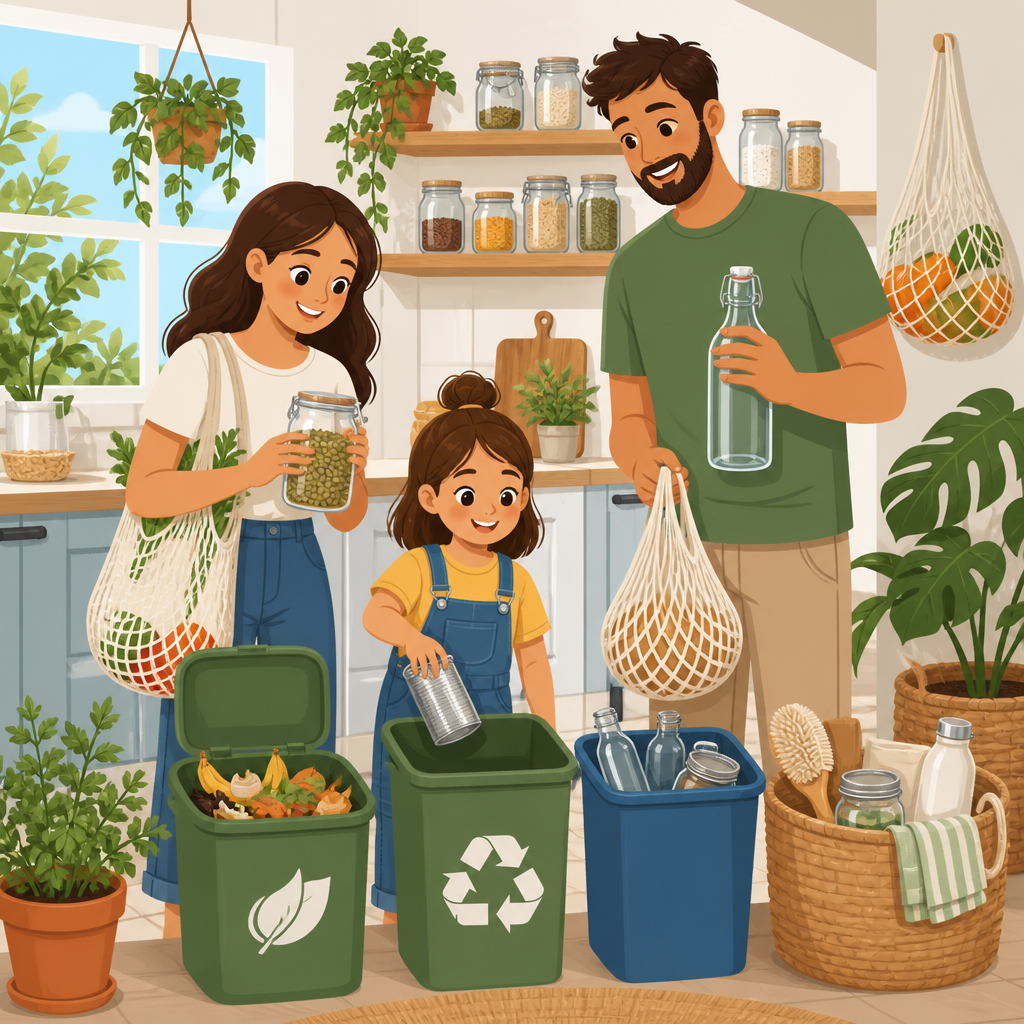
Many sustainable living at home habits fail outside the front door, which is why transport-oriented reusables matter. Reusable grocery bags are the baseline, but the best systems go further: machine-washable produce bags, a foldable tote stored in a coat pocket or car door, and a dedicated insulated bag for chilled foods. These products prevent the common problem of forgetting bags and accepting new ones at checkout. Structured shopping baskets or crates at home also help because they make unloading and return storage simple.
For work, school, and errands, a portable kit can eliminate a steady stream of disposables. A stainless steel water bottle, insulated mug, compact cutlery set, cloth napkin, and food container cover most spontaneous food and drink situations. The key is portability. If items are too heavy, too bulky, or difficult to clean, they remain in a drawer. Parents often benefit from creating duplicate kits, one for each adult or child, rather than assuming a single shared set will circulate smoothly. This is one of those practical lessons that changes outcomes more than any eco label.
Takeaway and leftovers are another overlooked category. Bringing your own container is increasingly accepted in many cafés and prepared-food businesses, though local food safety rules and store policies vary. Even where container reuse is not possible for service, having durable containers at home makes it easier to transfer, refrigerate, and reheat food safely. Reusable freezer labels or erasable container lids can further reduce forgotten meals. The environmental value of these products grows when they support meal planning, portion control, and lower food spoilage, not just packaging substitution.
How to Build a Reusable Home Without Buying Everything at Once
The most effective low-waste homes are built gradually. Start by identifying the top three disposable categories in your household, then choose one reusable replacement for each. For many people that means a water bottle, food storage containers, and washable cleaning cloths. Use those consistently before expanding. This phased approach prevents wasted purchases and makes it easier to spot friction points, such as insufficient drying space for cloths or lids that do not seal well enough for packed lunches. It also aligns spending with real needs instead of aesthetics.
Quality should outweigh quantity. One durable lunch container used four times a week is better than a cabinet full of mismatched low-cost alternatives. The same applies to safety razors, refillable dispensers, and kitchen textiles. When comparing products, look for replacement parts, published material details, straightforward warranty terms, and reviews that mention performance after six months or a year, not just unboxing impressions. Established certifications can help in some categories, such as Global Organic Textile Standard for cotton or FSC for paper-based refill packaging, but product design still matters more than labels alone.
Finally, remember that the greenest product is often the one you already own. Reusing jars as pantry storage, repurposing old T-shirts as cleaning rags, and continuing to use existing plastic containers until they wear out can be more sustainable than replacing everything immediately with new eco-branded goods. The best reusable products for an eco-conscious lifestyle are tools for reducing repeated waste, not symbols of perfection. Focus on high-use categories, durable materials, easy care, and realistic routines. If you are building your sustainable living at home plan, start with the products that solve your most frequent disposable habits, then expand intentionally as those habits stick.
Reusable products make sustainable living at home tangible because they turn environmental goals into daily systems. The strongest swaps replace common disposable items, last for years, and fit naturally into routines around cooking, cleaning, shopping, and personal care. Glass food containers, stainless steel bottles, washable cloths, refillable dispensers, silicone storage bags, and safety razors consistently deliver the best mix of waste reduction, convenience, and long-term value. They work not because they are marketed as sustainable, but because they are practical enough to use again and again.
The central lesson is to prioritize impact over novelty. Audit what your household throws away most often, choose durable replacements in proven materials, and add new categories gradually. Sustainable living at home improves fastest when products are easy to clean, easy to store, and easy to remember. It also improves when you accept tradeoffs honestly. Some items require trial and adjustment, and not every reusable product belongs in every home. Thoughtful selection is what keeps eco-conscious habits from becoming expensive clutter.
If you want to build a more sustainable home, begin with one room and one waste stream this week. Replace the disposable item you use most, track whether the reusable alternative genuinely fits your routine, and expand from there. That steady approach creates a home that produces less waste, saves money over time, and supports an eco-conscious lifestyle that lasts.
Frequently Asked Questions
What makes a reusable product truly worth buying for an eco-conscious lifestyle?
A reusable product is only worth buying if it solves a real need, gets used consistently, and lasts long enough to replace many disposable items. In practice, the best options usually share three important traits: durability, ease of use, and meaningful waste reduction. Durability matters because a reusable item that breaks quickly or wears out after a few uses creates more waste instead of less. Materials such as stainless steel, glass, food-grade silicone, natural fiber, and well-made washable fabrics generally perform better over time than flimsy plastic alternatives. Ease of use is just as important. If a product is inconvenient to clean, awkward to store, or hard to carry, people often stop using it. The most effective sustainable swaps fit naturally into everyday routines.
Meaningful waste reduction is the final test. A product should replace something you regularly throw away, such as paper towels, plastic sandwich bags, bottled water, disposable coffee cups, cotton rounds, or single-use cleaning wipes. That is why practical household items often outperform trend-driven purchases. A stainless steel water bottle, a set of washable cleaning cloths, and durable food storage containers usually make a bigger long-term impact than novelty items that sound sustainable but rarely leave the drawer. Cost also matters, but it should be considered over time. A reusable product may cost more upfront, yet save money by reducing repeat purchases. When evaluating any swap, ask a simple question: will this item become part of my weekly routine for years, not just weeks? If the answer is yes, it is likely a strong eco-conscious investment.
Which reusable products have the biggest impact in reducing everyday household waste?
The reusable products with the biggest impact are usually the ones that replace the most frequently used disposable items in the home. For most households, that starts with reusable drink and food storage solutions. Stainless steel water bottles and insulated travel mugs can eliminate a steady stream of plastic bottles, takeaway cups, lids, and straws. Reusable lunch containers, glass storage containers, beeswax wraps, and silicone food bags help cut down on cling film, foil, and disposable plastic bags. These swaps matter because food and drink packaging tend to be some of the most common forms of daily waste.
Cleaning and personal care products are another high-impact category. Washable dishcloths, reusable spray bottles for concentrates, refillable soap dispensers, and machine-washable mop pads can substantially reduce paper towels, plastic packaging, and disposable cleaning supplies. In the bathroom, reusable cotton rounds, safety razors, refillable deodorant or toiletry containers, and menstrual products such as menstrual cups or washable pads can also make a noticeable difference over time. The reason these products are so effective is simple: they target repeated habits. The more often a single-use product is replaced, the greater the environmental and financial benefit. Rather than trying to overhaul everything at once, it is usually smartest to identify the disposable products your household uses most often and start there. That approach creates visible results quickly and makes sustainable living feel practical, manageable, and long-lasting.
Are reusable products always more sustainable than single-use alternatives?
Not automatically. Reusable products are often the better choice, but only when they are used enough times to offset the resources required to manufacture, transport, and maintain them. A well-made reusable item can have a lower overall environmental impact than a disposable one, but that advantage depends on real-world use. For example, a stainless steel bottle used daily for years is generally far more sustainable than buying bottled water regularly. On the other hand, purchasing several trendy reusable items that sit unused in a cabinet is not an environmentally responsible outcome. Sustainability is tied to behavior as much as product design.
This is why thoughtful purchasing matters. The goal is not to replace every single-use item with a reusable version overnight, but to choose durable products that match your actual habits. It also helps to care for them properly. Washing a reusable item according to instructions, repairing it when possible, and using it consistently all improve its environmental value. Quality matters here too. One durable product that lasts for years is usually better than several cheap “eco” alternatives that need frequent replacement. In short, reusable products are most sustainable when they are practical, long-lasting, and heavily used. Eco-conscious living is not about collecting green-looking products. It is about reducing unnecessary consumption and choosing household tools that genuinely lower waste over time.
How can someone start switching to reusable products without making sustainable living feel expensive or overwhelming?
The easiest way to begin is to focus on one room, one routine, or one high-waste category at a time. Trying to replace everything at once can become costly and discouraging. A better strategy is to audit what your household throws away most often. If your kitchen bin is full of paper towels, food wrap, takeaway containers, and plastic bags, start there. If your bathroom produces a lot of disposable cotton pads, razors, and toiletry packaging, begin with personal care swaps. This approach keeps the process grounded in actual need rather than idealized sustainability goals.
It is also smart to use what you already have before buying something new. Old glass jars can work for storage, cut-up worn T-shirts can become cleaning rags, and existing containers can often be reused for refills. When you do buy reusable products, prioritize items with the clearest return in daily use and long-term savings. A refillable water bottle, washable cloths, a sturdy coffee cup, and durable food containers are common starting points because they are practical and easy to incorporate into everyday life. Look for products that are simple to clean, comfortable to use, and sized appropriately for your household. Starting small builds momentum. Once a swap becomes second nature, adding another one feels far less overwhelming. Sustainable living works best when it is integrated gradually into ordinary routines, where it can stay consistent rather than becoming a short-lived challenge.
How do you choose high-quality reusable products that will last and save money over time?
Choosing high-quality reusable products starts with looking beyond marketing terms and focusing on construction, materials, and real functionality. Products designed for long-term use should feel sturdy, not flimsy, and their features should support frequent washing, handling, and storage. Stainless steel is often an excellent choice for bottles, lunch containers, and straws because it is durable, resistant to odors, and less likely to crack than plastic. Tempered glass works well for food storage because it is long-lasting and easy to clean, though weight and breakability should be considered. Food-grade silicone can be useful for bags, lids, and baking mats when it is thick enough to hold its shape and withstand repeated use. For textiles, tightly woven washable fabrics with reinforced stitching tend to last longer than thin, loosely constructed alternatives.
Before buying, consider how the product will function in your home. Is it dishwasher safe if that matters to you? Does it have replacement parts, such as lids, seals, or pump tops? Is it easy to dry thoroughly and keep sanitary? Can it handle the volume and frequency of your household’s routine? Reading reviews can help, but the best indicator is whether the product is built for repeated use without becoming inconvenient. A good reusable item should reduce friction, not add it. From a cost perspective, compare the upfront price to the ongoing expense of the disposable product it replaces. A higher initial cost is often justified if the product remains reliable for years. In the end, the most economical and sustainable reusable products are the ones you buy once, use constantly, and do not need to replace any time soon.