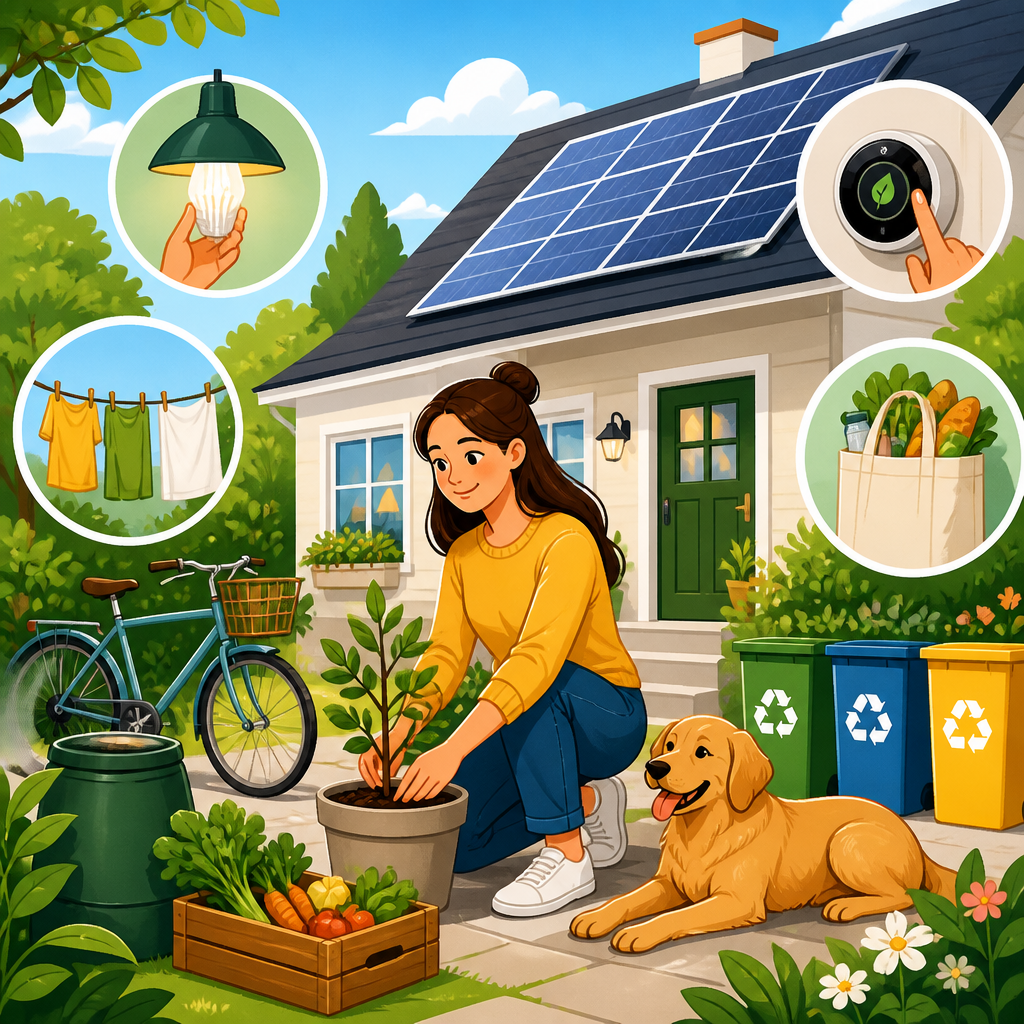
Reducing your carbon footprint at home starts with understanding what that footprint is: the total greenhouse gas emissions created by your household’s energy use, purchases, food choices, waste, and daily routines. For most households, home emissions come from electricity, heating and cooling, hot water, transportation linked to the home, and the products brought through the front door. When I audit homes for efficiency improvements, the same pattern appears repeatedly: people assume sustainable living at home requires a full renovation, yet the biggest gains often come from a handful of targeted changes made in the right order.
A carbon footprint is usually measured in carbon dioxide equivalent, or CO2e, which combines carbon dioxide with other heat-trapping gases such as methane and nitrous oxide. That matters because a household can lower emissions without using less comfort or convenience if it switches to cleaner power, wastes less energy, and buys longer-lasting goods. Sustainable living at home means making those choices consistently across the systems that shape everyday life: insulation, appliances, lighting, water use, food storage, cleaning, laundry, waste, and even home office equipment. It is both practical and measurable.
This topic matters for three reasons. First, homes are a major source of emissions. In many countries, residential buildings account for a significant share of energy consumption because they need heating, cooling, ventilation, lighting, and powered devices every day. Second, household decisions compound over time. A poorly sealed attic can waste energy for decades, while an efficient heat pump or induction cooktop can cut emissions year after year. Third, home-based sustainability saves money when approached strategically. Lower utility bills, reduced maintenance, and fewer disposable purchases create long-term financial returns alongside environmental benefits.
If you want to know how to reduce your carbon footprint at home, focus on the biggest sources first, then build habits that lock in savings. The most effective sequence is straightforward: measure current energy use, improve the building envelope, electrify major systems where practical, use efficient appliances, reduce hot water demand, cut food and material waste, and choose renewable electricity when available. This guide serves as a hub for sustainable living at home by covering the core actions, explaining why they work, and showing where each fits into a complete household strategy.
Start With a Home Carbon Footprint Baseline
The fastest way to waste effort is to act without a baseline. Begin by collecting twelve months of utility bills for electricity, gas, heating oil, propane, and water. If you drive regularly from home, include fuel receipts or mileage estimates because commuting and errand trips are often part of the household footprint. A baseline reveals seasonality, hidden spikes, and whether your biggest problem is winter heating, summer cooling, hot water, or appliance loads. In my experience, households are often surprised to learn that standby electronics are minor compared with space conditioning and water heating.
Use recognized tools to estimate emissions and benchmark performance. ENERGY STAR Portfolio Manager, local utility dashboards, and home energy reports can identify unusually high consumption. Smart thermostats, whole-home energy monitors such as Sense or Emporia, and plug-in watt meters can show what specific systems consume. If you own the property, a professional home energy assessment with blower door testing and infrared imaging is even better. Those tests pinpoint air leaks, missing insulation, and duct losses that are otherwise invisible. You cannot manage what you do not measure, and measurement turns sustainability from a vague intention into an actionable plan.
Improve Insulation, Air Sealing, and Temperature Control
The cleanest energy is the energy your home never has to use. That is why the building envelope comes before expensive equipment upgrades. Air leaks around attic hatches, recessed lights, rim joists, windows, doors, plumbing penetrations, and duct boots allow conditioned air to escape and outdoor air to enter. Sealing those leaks reduces heating and cooling demand immediately. Insulation then slows heat transfer through the roof, walls, and floors. Together, air sealing and insulation improve comfort, lower bills, and reduce emissions in every season.
Attics usually offer the best return because heat rises and many older homes are underinsulated overhead. In colder climates, increasing attic insulation to levels recommended by local code or energy programs can substantially reduce winter losses. Duct sealing matters too, especially when ducts run through unconditioned attics, crawl spaces, or garages. Leaky ducts can lose a meaningful percentage of conditioned air before it reaches living spaces. Temperature control is the final layer. Programmable or smart thermostats help align heating and cooling with occupancy, but they work best when the house itself retains conditioned air.
Window replacement is often marketed as the first solution, yet full replacement is not always the most cost-effective carbon reduction measure. Weatherstripping, caulking, storm windows, cellular shades, and targeted glazing improvements may deliver better returns per dollar in many homes. The principle is simple: reduce demand before adding supply. A tighter, better-insulated home allows any future low-carbon system, including a heat pump, to operate more efficiently and at lower cost.
Electrify Heating, Cooling, and Water Heating
Once demand is reduced, major equipment choices drive the next wave of emission cuts. If your home uses an aging gas furnace, oil boiler, or resistance baseboard system, electrification can significantly reduce your carbon footprint, especially as electric grids add more wind, solar, hydro, and storage. Modern air-source heat pumps are the leading option because they provide both heating and cooling efficiently. Instead of generating heat directly, they move heat, which is why they can deliver several units of heat for each unit of electricity consumed under many operating conditions.
Cold-climate heat pumps now perform well in temperatures that once limited adoption. Brands such as Mitsubishi, Daikin, Fujitsu, Carrier, and Trane offer systems designed for lower ambient temperatures, though sizing and installation quality matter as much as brand choice. A Manual J load calculation should guide system selection; oversized equipment short cycles and loses efficiency, while undersized equipment struggles in peak conditions. For water heating, heat pump water heaters use far less electricity than conventional electric resistance tanks and can often cut water-heating emissions dramatically when installed correctly.
Electrification has tradeoffs. Older electrical panels may require upgrades, and poorly insulated homes may need envelope improvements first. In some regions, gas may still be cheaper on a monthly basis depending on tariffs, but emissions reductions usually favor efficient electric equipment over fossil fuel combustion inside the home. If full replacement is not yet practical, plan staged electrification: improve insulation now, replace the water heater at end of life, then move to a heat pump HVAC system when the furnace or air conditioner fails.
Use Efficient Appliances and Lighting
Appliances rarely match space heating in total emissions, but they are still an important part of sustainable living at home because they run frequently and last for years. Prioritize ENERGY STAR certified appliances where applicable, especially refrigerators, clothes washers, heat pump dryers, dishwashers, and room air conditioners. Induction cooktops deserve special attention because they are efficient, precise, and eliminate indoor combustion associated with gas cooking. In homes with children, older adults, or people with asthma, moving away from gas burners can also improve indoor air quality when paired with good ventilation.
Lighting is the simplest upgrade with reliable savings. LED bulbs use substantially less electricity and last far longer than incandescent or halogen bulbs. The carbon benefit is larger in homes where lights remain on for long periods, such as kitchens, home offices, exterior security areas, and common rooms. Beyond hardware, controls matter. Occupancy sensors in low-use spaces, dimmers in high-use rooms, and power management settings on computers and monitors reduce unnecessary consumption without affecting comfort.
| Home upgrade | Why it lowers emissions | Best use case |
|---|---|---|
| LED lighting | Uses far less electricity than incandescent bulbs | Whole-home quick win with low upfront cost |
| Heat pump HVAC | Moves heat efficiently instead of burning fuel onsite | Homes replacing old furnaces or central AC |
| Heat pump water heater | Reduces energy needed for hot water | High hot-water households replacing aging tanks |
| Air sealing and attic insulation | Cuts heating and cooling demand year-round | Older or drafty homes with comfort issues |
| Induction cooking | Improves efficiency and avoids gas combustion | Kitchens due for appliance replacement |
Cut Water Waste and Laundry Emissions
Hot water links water conservation directly to carbon reduction. Shorter showers, low-flow showerheads, faucet aerators, and efficient fixtures reduce both water use and the energy needed to heat it. If your pipes are poorly insulated or your water heater is far from bathrooms and the kitchen, a lot of heated water is wasted before it reaches the tap. Pipe insulation, sensible setpoints, and efficient distribution can lower that waste. Fixing leaks is basic but essential; a dripping hot water tap quietly increases both utility bills and emissions.
Laundry is another routine source of avoidable household emissions. Washing clothes in cold water works well for most loads because modern detergents are formulated for lower temperatures. Air drying is the lowest-carbon option, but where a dryer is necessary, heat pump dryers are notably more efficient than conventional vented models. Run full loads, clean lint filters, and avoid over-drying. Dishwashers can also outperform hand washing when fully loaded and set to efficient cycles, particularly because they control water temperature and use less hot water than many people expect.
Reduce Food-Related Emissions at Home
Food choices shape a home’s carbon footprint through production, refrigeration, cooking, and waste. The highest-impact household shift is reducing food waste. When edible food is discarded, all the emissions from farming, transport, refrigeration, packaging, and cooking are wasted too. In landfills, food scraps can also generate methane. Practical prevention works better than guilt: plan meals, store food correctly, freeze leftovers promptly, label dates clearly, and use a shopping list tied to actual meals rather than impulse buying.
Diet composition matters as well. In general, beef and lamb have higher emissions per kilogram than poultry, eggs, legumes, grains, and seasonal vegetables because ruminant livestock produce methane and require more land and feed. That does not mean every household must become vegetarian overnight. A realistic approach is to replace a few high-impact meals each week with lower-carbon alternatives such as lentil chili, bean tacos, tofu stir-fry, or chicken-based dishes instead of beef. Efficient cooking methods, including pressure cookers, microwaves, and induction hobs, can also lower kitchen energy use.
Composting can further reduce landfill emissions where local systems support it. Backyard composting works for many fruit and vegetable scraps, while municipal organics programs can handle a wider range of materials. Composting is not a substitute for prevention, but it is better than sending unavoidable scraps to landfill. A sustainable kitchen combines smart purchasing, better storage, lower-impact meals, and waste separation that matches local collection infrastructure.
Buy Less, Buy Better, and Manage Household Waste
Many people focus only on utility use, but the products inside the home carry embodied carbon from extraction, manufacturing, packaging, and transport. Furniture, electronics, textiles, renovation materials, and disposable household goods all add to a home’s footprint. The most reliable rule is simple: buy less, buy durable, and maintain what you own. A solid wood table that lasts twenty years usually has a lower lifetime footprint than multiple short-lived replacements. Repairing a vacuum, resealing windows, or refurbishing a laptop can avoid the emissions of manufacturing new items.
When purchases are necessary, compare material quality, repairability, warranty length, and availability of spare parts. Refillable cleaning products, concentrated detergents, reusable food storage, and secondhand furnishings often reduce both waste and emissions. Recycling remains important, but it is not the first line of defense because it still requires collection, processing, and energy. Hazardous waste also needs proper handling. Batteries, paint, electronics, and fluorescent lamps should go to approved collection programs so materials are recovered safely and toxins do not spread through the waste stream.
Choose Renewable Electricity and Build Long-Term Habits
After reducing demand, cleaner electricity multiplies the benefit of every efficient choice in your home. If your utility offers a certified green tariff or community solar program, enrolling can lower the emissions associated with electricity use without changing daily routines. Rooftop solar can be effective for suitable homes with good orientation, limited shading, and stable ownership plans, though payback depends on local incentives, net metering policies, roof condition, and financing terms. Batteries add resilience, but they are not required for every solar installation.
Long-term progress comes from routines, not one-time enthusiasm. Review bills monthly, track major equipment age, maintain filters and seals, and schedule upgrades at replacement points rather than waiting for emergencies. Teach everyone in the household the same operating habits, from thermostat settings to food storage and recycling rules. Start with one audit, make a prioritized plan, and revisit it every year. That is how to reduce your carbon footprint at home in a way that is measurable, affordable, and durable. Sustainable living at home is not a single product purchase; it is a system of better decisions that steadily lowers emissions while making your home healthier, more efficient, and less expensive to run.
Frequently Asked Questions
What does a carbon footprint at home actually include?
Your home carbon footprint is the total amount of greenhouse gas emissions created by the way your household runs day to day. Most people think only about electricity, but it is broader than that. It includes the power used for lighting, appliances, and electronics; the fuel or electricity used for heating and cooling; the energy required to produce hot water; and the emissions connected to cooking, laundry, and refrigeration. It also includes indirect emissions from the food you buy, the products delivered to your house, the waste your household creates, and even transportation patterns tied to home life, such as commuting or frequent errands.
In practical terms, the biggest home-related sources are usually space heating, air conditioning, water heating, and electricity use. After that, purchasing habits make a major difference. Furniture, clothing, home goods, electronics, and packaged convenience items all carry a carbon cost because they require raw materials, manufacturing, packaging, and shipping. Food choices matter too, especially diets heavy in high-emission foods and households with significant food waste. Looking at your footprint this way helps you focus on what actually moves the needle instead of getting distracted by small symbolic changes.
What are the most effective ways to reduce your carbon footprint at home?
The most effective approach is to start with the largest sources of emissions first. For most households, that means improving heating and cooling efficiency, reducing hot water energy use, lowering electricity demand, and making smarter purchasing decisions. Sealing air leaks around doors, windows, attic penetrations, and ductwork can cut wasted heating and cooling energy quickly. Adding insulation, maintaining HVAC systems, installing a smart or programmable thermostat, and switching to high-efficiency heating and cooling equipment can significantly reduce both emissions and utility costs over time.
After that, focus on water heating and everyday electricity use. Lowering the water heater temperature to a safe, efficient setting, taking shorter showers, washing clothes in cold water, and installing low-flow fixtures can reduce energy demand without sacrificing comfort. Replacing old light bulbs with LEDs, unplugging unnecessary devices, using advanced power strips, and choosing ENERGY STAR appliances when it is time to replace equipment can also produce measurable savings. If your budget allows, shifting to renewable electricity through rooftop solar or a green power utility program can cut emissions even further. The key is to prioritize high-impact upgrades first, then build sustainable habits that keep your household efficient every day.
Do small daily habits really make a difference, or is it mostly about expensive upgrades?
Both matter, but they play different roles. Expensive upgrades like insulation, heat pumps, efficient windows, or solar panels often create the largest long-term reductions because they address the structural sources of home energy use. However, daily habits still matter because they influence how much energy and water your household consumes every single day. Turning off lights in unused rooms, running full loads in the dishwasher and washing machine, air-drying laundry when possible, managing thermostat settings carefully, and avoiding standby power waste can add up over months and years.
Just as important, small habits usually cost little or nothing, which makes them the best place to begin. They also help households become more aware of where waste happens. In many home efficiency audits, the biggest surprise is not that people need advanced technology, but that they are paying for energy they never intended to use. A home that is well managed performs better even before major upgrades are made. The strongest strategy is to combine low-cost habits with a long-term plan for bigger improvements, so you get immediate progress now and deeper reductions later.
How do food choices and household shopping affect a home’s carbon footprint?
They affect it more than many people expect. Every product entering your home has already generated emissions through extraction, manufacturing, packaging, transportation, and retail handling. That means your carbon footprint is shaped not only by what you use, but also by what you buy. Fast replacement cycles, impulse purchases, heavily packaged items, and low-quality goods that wear out quickly all tend to increase emissions. Choosing durable products, repairing items instead of replacing them, buying secondhand when practical, and consolidating purchases to reduce shipping demand can make a meaningful difference.
Food is especially important because it combines production emissions with storage, cooking, and waste. Diets with more plant-based meals generally have a lower carbon footprint than diets centered on high-emission animal products. Planning meals, storing food properly, using leftovers, composting food scraps where possible, and avoiding overbuying can cut both emissions and household costs. If you want to reduce your impact without feeling overwhelmed, start by making a few repeatable changes: waste less food, buy fewer disposable products, choose quality over quantity, and think in terms of long-term use rather than short-term convenience.
How can I figure out which changes will have the biggest impact in my own home?
The best starting point is to look at your actual household patterns instead of guessing. Review utility bills for electricity, natural gas, propane, or heating oil to see where energy use is highest and whether it spikes in certain seasons. If bills jump in winter or summer, heating and cooling are likely the main issue. If your water heating costs are high, hot water use may be a major opportunity. You can also walk through your home and look for common problem areas: drafty rooms, poor insulation, aging HVAC equipment, inefficient lighting, outdated appliances, or moisture and ventilation issues that make your systems work harder.
For a more precise picture, consider a professional home energy audit. An audit can identify air leakage, insulation gaps, duct losses, appliance inefficiencies, and behavior patterns that raise emissions unnecessarily. This is often the fastest way to avoid wasting money on the wrong upgrades. Once you know where the biggest losses are, rank improvements by impact, cost, and practicality. Start with the measures that reduce the most energy for the least expense, then plan for larger projects over time. A clear, prioritized approach usually works much better than trying to do everything at once, and it leads to reductions that are measurable, affordable, and lasting.