
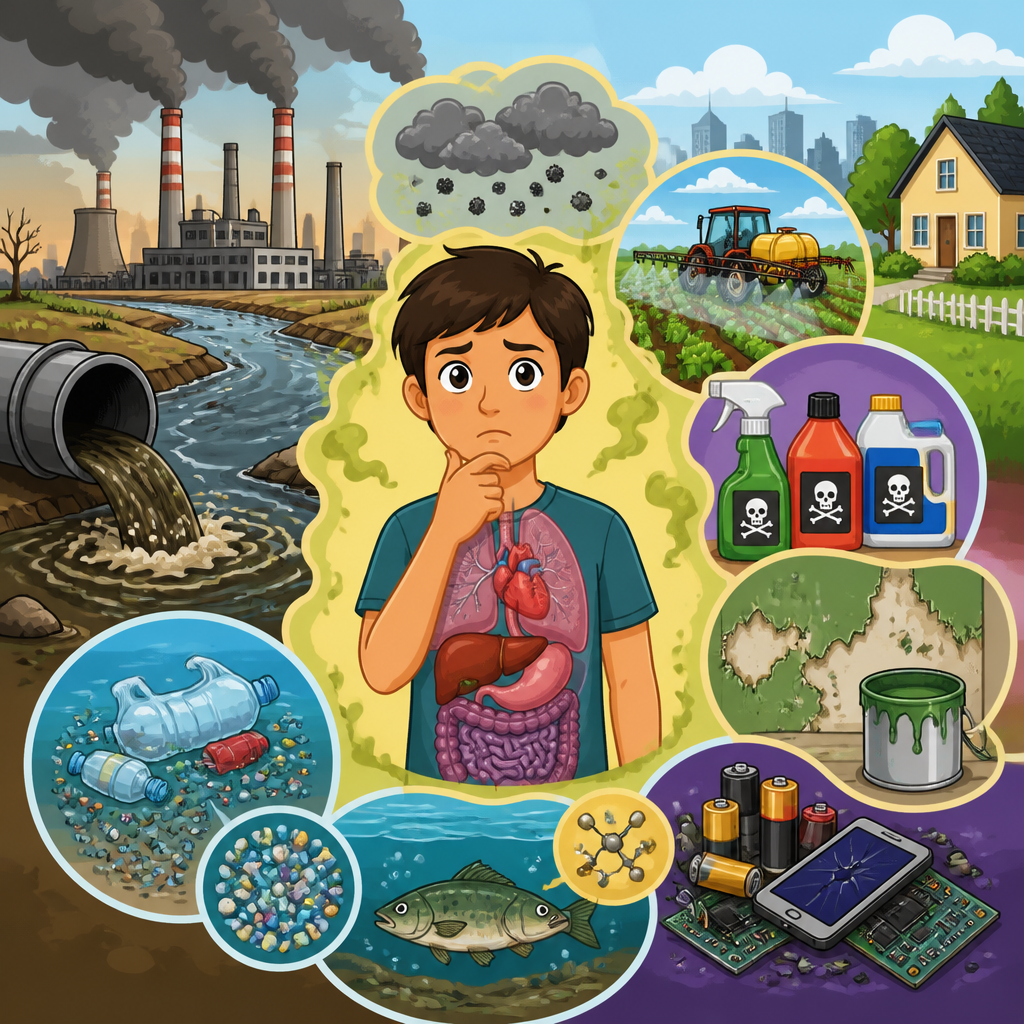
Environmental toxicology examines how chemical, biological, and physical contaminants move through air, water, soil, food, workplaces, and homes, then affect living organisms. In practice, it connects laboratory toxicology with ecology, public health, industrial activity, and regulation. When people ask about the most dangerous environmental toxins and their effects, they usually mean substances that are widespread, persistent, highly poisonous, or capable of causing harm at low doses over long periods. That includes heavy metals such as lead and mercury, persistent organic pollutants such as polychlorinated biphenyls, air pollutants like fine particulate matter, endocrine-disrupting chemicals such as certain pesticides and plastic additives, and naturally occurring toxins including arsenic in groundwater.
This topic matters because exposure is rarely isolated. In field assessments and risk reviews, I have seen communities exposed through multiple pathways at once: contaminated drinking water, indoor dust, occupational contact, and polluted outdoor air. Toxic effects also range from immediate poisoning to subtle developmental, neurological, reproductive, immune, and cancer outcomes that appear years later. A substance can be dangerous because it is acutely toxic, because it bioaccumulates, because it persists for decades, or because early-life exposure alters health across the lifespan. Understanding environmental toxicology helps households reduce risk, helps clinicians recognize exposure patterns, and helps policymakers target prevention where it produces the greatest benefit.
Three concepts define the field. Hazard describes a substance’s inherent ability to cause harm. Exposure describes how much reaches a person or ecosystem, by inhalation, ingestion, or skin contact, and for how long. Risk combines both: even a very hazardous chemical creates little real-world risk if exposure is effectively controlled, while a moderately hazardous pollutant can become a major public health problem when millions of people encounter it daily. Toxicologists also look at dose-response relationships, susceptible populations, metabolism, persistence, and environmental fate. Children, pregnant people, outdoor workers, fenceline communities, and species high on the food chain often face disproportionate risks.
As a hub within environmental science, this article maps the core categories, mechanisms, sources, health effects, and control strategies that define environmental toxicology. It explains what the most dangerous environmental toxins are, why some remain global threats despite regulation, and how exposure assessment, biomonitoring, and environmental standards guide action. If you understand the toxins covered here, you understand the backbone of the subject.
Heavy metals: lead, mercury, arsenic, and cadmium
Heavy metals are among the most studied environmental toxins because they are elemental, do not degrade, and can persist indefinitely in ecosystems. Lead damages the nervous system, especially in children, where even low blood lead levels are associated with reduced IQ, attention problems, and behavioral effects. Historically, major sources included leaded gasoline, paint, plumbing, smelting, batteries, and contaminated soil near roads and industrial sites. The danger of lead lies in chronic low-dose exposure. Dust from deteriorating paint in older housing remains a common pathway, and no safe blood lead level in children has been identified by public health agencies.
Mercury exists in elemental, inorganic, and organic forms, with methylmercury posing the greatest dietary risk. In aquatic systems, microbes convert mercury into methylmercury, which biomagnifies up the food chain. Large predatory fish such as shark, swordfish, king mackerel, and some tuna can therefore contain elevated levels. The principal health effect is neurotoxicity, with fetal brain development especially vulnerable. Past disasters, including Minamata disease in Japan, demonstrated that industrial mercury discharges can devastate entire communities through contaminated seafood. Arsenic, often found in groundwater, is linked to skin lesions, cardiovascular disease, diabetes, and cancers of the skin, bladder, and lung. Cadmium, associated with mining, fertilizers, tobacco smoke, and battery production, accumulates in the kidneys and contributes to renal dysfunction, bone demineralization, and cancer risk.
Persistent organic pollutants and why persistence matters
Persistent organic pollutants, often abbreviated as POPs, are dangerous because they resist degradation, travel long distances, accumulate in fatty tissues, and move through food webs. This group includes polychlorinated biphenyls, dioxins, furans, and organochlorine pesticides such as DDT. Although many were banned or restricted decades ago, they remain environmentally relevant because sediments, soils, old equipment, and animal fats still act as reservoirs. In remediation projects, I have repeatedly encountered PCB contamination in aging buildings, transformers, and river sediments long after original use ended.
PCBs were once prized for chemical stability in electrical equipment, the same property that now makes them a contamination legacy. They are associated with cancer, immune effects, thyroid disruption, reproductive harms, and developmental toxicity. Dioxins, generated as by-products of combustion and some industrial processes, are toxic at very low concentrations and can alter gene expression through the aryl hydrocarbon receptor pathway. Certain organochlorine pesticides persist in soils and sediments while affecting wildlife reproduction, especially in birds. The significance of POPs is not just toxicity; it is their combination of persistence, bioaccumulation, and global transport. Compounds released in one region can be detected in remote polar environments, where they concentrate in marine mammals and subsistence food chains.
Air pollutants that quietly cause the largest health burden
When ranked by population impact, air pollutants belong among the most dangerous environmental toxins on Earth. Fine particulate matter smaller than 2.5 micrometers, known as PM2.5, penetrates deep into the lungs and can enter the bloodstream. Ozone at ground level, nitrogen dioxide, sulfur dioxide, volatile organic compounds, diesel exhaust, and polycyclic aromatic hydrocarbons also contribute substantial harm. Unlike many toxic hazards limited to specific sites, air pollution affects entire cities and regions every day.
PM2.5 exposure is strongly linked with heart disease, stroke, chronic obstructive pulmonary disease, asthma exacerbation, lung cancer, adverse birth outcomes, and premature death. Wildfire smoke has made this risk easier for the public to see, but traffic, coal combustion, industrial emissions, and residential wood burning are also major sources. Diesel exhaust is especially concerning because it is a complex mixture containing soot, metals, and carcinogenic compounds. Indoor air can be equally important. Mold fragments, combustion gases from poorly vented stoves, tobacco smoke, radon, and formaldehyde from building materials create significant household exposures. Radon, a radioactive soil gas, is the second leading cause of lung cancer after smoking in many countries and a leading cause among nonsmokers.
Pesticides, solvents, and endocrine-disrupting chemicals
Pesticides and industrial solvents illustrate a central truth in environmental toxicology: chemicals designed for biological activity often create unintended human and ecological effects. Organophosphate pesticides inhibit acetylcholinesterase, causing acute neurological poisoning at high doses and possible developmental effects with chronic exposure. Carbamates have a similar mechanism. Paraquat is associated with severe poisoning and has long been examined for links to Parkinsonian outcomes. Glyphosate remains heavily debated, which shows why hazard identification and real-world exposure assessment must be separated carefully.
Solvents such as benzene, trichloroethylene, and perchloroethylene can contaminate indoor air, workplaces, and groundwater. Benzene is a well-established human carcinogen associated with leukemia. Trichloroethylene has been linked to kidney cancer, liver effects, immune changes, and vapor intrusion problems when contaminated groundwater releases gases into buildings. Endocrine-disrupting chemicals, including bisphenol A, certain phthalates, PFAS compounds, and some flame retardants, can interfere with hormone signaling. Effects may include altered fertility, thyroid disruption, developmental changes, metabolic effects, and immune impacts. Their challenge lies in timing and complexity: low-dose exposures during pregnancy, infancy, and puberty may matter more than higher exposures at other life stages.
PFAS, asbestos, and other high-concern legacy and emerging toxins
Some toxins deserve special attention because they combine widespread exposure with difficult control. PFAS, often called forever chemicals, include thousands of fluorinated compounds used in firefighting foam, nonstick coatings, stain resistance, and industrial processes. Their carbon-fluorine bonds make them extremely persistent. Certain well-studied PFAS, including PFOA and PFOS, are associated with increased cholesterol, immune suppression, liver effects, reduced vaccine response, pregnancy-related complications, and some cancers. Drinking water contamination near military bases, airports, and manufacturing sites has made PFAS a defining issue in modern environmental toxicology.
Asbestos is another classic example. Once widely used for insulation and fire resistance, asbestos fibers can cause asbestosis, lung cancer, and mesothelioma when inhaled. Disease often appears decades after exposure, which complicates surveillance and compensation. Crystalline silica, though naturally abundant, becomes hazardous when occupational dust is generated during mining, cutting, sandblasting, or construction. It causes silicosis and raises tuberculosis, autoimmune, and lung cancer risks. These examples show that dangerous environmental toxins are not limited to exotic chemicals. Common industrial materials, if inhaled or dispersed without controls, create severe and lasting health burdens.
How environmental toxins cause harm and how exposure is measured
Toxic effects occur through several main mechanisms: direct cellular injury, oxidative stress, DNA damage, endocrine disruption, immune dysregulation, neurotoxicity, and interference with development. Lead disrupts synapse formation and neurotransmission. Benzene affects bone marrow. Dioxins alter receptor-mediated gene expression. PFAS can bind proteins and disturb lipid metabolism and immune function. Not every exposed person develops disease, because genetics, nutrition, age, co-exposures, and timing all influence susceptibility. That is why environmental toxicology relies on population data, toxicokinetics, and biomarkers rather than simple one-to-one predictions.
| Toxin | Common sources | Primary effects | Typical monitoring method |
|---|---|---|---|
| Lead | Old paint, dust, soil, plumbing, batteries | Neurodevelopmental harm, hypertension | Blood lead level, dust and soil sampling |
| Methylmercury | Predatory fish, industrial releases to waterways | Fetal and adult neurotoxicity | Hair or blood mercury, fish tissue testing |
| Arsenic | Groundwater, mining, treated wood legacy | Cancer, skin and cardiovascular effects | Water testing, urine arsenic speciation |
| PM2.5 | Traffic, wildfire smoke, combustion | Cardiopulmonary disease, premature death | Air monitors, satellite and modeled exposure |
| PFAS | Firefighting foam, industrial sites, consumer products | Immune, liver, metabolic, cancer concerns | Drinking water analysis, serum biomonitoring |
Exposure assessment combines environmental sampling with biomonitoring. Air monitors measure pollutants outdoors and indoors. Water testing identifies contamination at the tap or source. Soil and dust sampling reveal household and playground risks. Biomonitoring uses blood, urine, hair, breast milk, or nails to estimate internal dose. Agencies rely on reference doses, cancer slope factors, occupational exposure limits, and water quality standards to interpret risk, though standards can lag behind emerging science. Good toxicology therefore requires both measurement and judgment.
Prevention, regulation, and the environmental justice dimension
The most effective response to environmental toxins is prevention at the source. Removing lead paint hazards, replacing lead service lines, controlling industrial emissions, banning persistent chemicals, and improving product design protect far more people than advising individuals alone. Regulatory frameworks from agencies such as the U.S. Environmental Protection Agency, the World Health Organization, the International Agency for Research on Cancer, and the Occupational Safety and Health Administration provide standards, classifications, and guidance, but enforcement and updating vary. The Stockholm Convention targeted major persistent organic pollutants because global contaminants require global control.
Environmental justice is central to this field. Toxic exposures are not distributed evenly. Low-income communities, Indigenous populations, agricultural workers, and neighborhoods near refineries, ports, highways, landfills, or hazardous waste sites often experience higher cumulative burdens. Flint’s water crisis showed how infrastructure failure, corrosive water, and weak governance can convert a preventable lead hazard into a national emergency. Practical protection starts with testing private wells, checking local fish advisories, using certified water filters when appropriate, reducing indoor dust, ventilating combustion sources, and supporting policies that prioritize cleanup before illness occurs. For organizations building an environmental science knowledge base, this hub should connect to deeper resources on air pollution, heavy metals, pesticides, water contamination, risk assessment, biomonitoring, and remediation. The central lesson is clear: the most dangerous environmental toxins are those that combine toxicity with persistence, widespread exposure, and delayed recognition. Learn the sources, understand the pathways, and act early to reduce exposure where you live and work.
Frequently Asked Questions
What are considered the most dangerous environmental toxins?
The most dangerous environmental toxins are generally the ones that combine several troubling traits at once: they are highly toxic, persist in the environment for years, spread easily through air or water, accumulate in the food chain, and can harm people even at relatively low levels of exposure. Common examples include heavy metals such as lead, mercury, and arsenic; persistent organic pollutants such as polychlorinated biphenyls (PCBs), dioxins, and certain pesticides; asbestos fibers; particulate air pollution; and industrial chemicals such as benzene, formaldehyde, and some per- and polyfluoroalkyl substances, often called PFAS. These substances are especially concerning because they do not just cause short-term poisoning in extreme cases. Many are linked to chronic disease, developmental problems, hormone disruption, immune dysfunction, neurological injury, and cancer after repeated or long-term exposure.
What makes these toxins especially dangerous is not simply their inherent poison potential, but how often people encounter them and how difficult they are to avoid completely. Lead may be present in older paint, contaminated soil, and aging plumbing. Mercury can build up in certain fish species. Arsenic may contaminate groundwater in some regions. PFAS have been detected in water, food packaging, dust, and consumer products. Fine particulate matter from combustion sources can travel deep into the lungs and even affect the cardiovascular system. In environmental toxicology, danger is judged not only by what a chemical can do in a laboratory, but by how it moves through real-world environments, how it reaches people, and whether vulnerable groups such as children, pregnant women, workers, and the elderly are disproportionately affected.
How do environmental toxins enter the body and cause harm?
Environmental toxins enter the body primarily through inhalation, ingestion, and skin contact, though some can also cross the placenta and affect a developing fetus. Inhalation is a major route for airborne pollutants such as asbestos fibers, combustion particles, volatile organic compounds, and industrial fumes. Ingestion is common when contaminants are present in drinking water, household dust, soil, food crops, seafood, or consumer products. Skin exposure can matter in occupational settings or when handling contaminated materials, solvents, or pesticides. Once inside the body, a toxin may be absorbed into the bloodstream, stored in fat, deposited in bone, concentrated in organs such as the liver or kidneys, or passed to the brain and nervous system depending on its chemical properties.
The effects depend on the specific toxin, the dose, the duration of exposure, and the age and health of the exposed person. Some toxins cause direct cellular injury by damaging membranes, proteins, or DNA. Others generate oxidative stress, interfere with enzymes, disrupt hormones, alter immune responses, or impair the body’s ability to repair tissue. Lead, for example, interferes with neurological development and can reduce cognitive function in children. Mercury can damage the nervous system. Arsenic is associated with skin lesions, cardiovascular disease, and several cancers. Dioxins and certain pesticides may disrupt endocrine and immune function. Some airborne pollutants trigger chronic inflammation that contributes to asthma, heart disease, or stroke. A key issue in environmental health is that harm does not always appear immediately. Low-level exposure over months or years can gradually contribute to disease, making prevention and early detection especially important.
Why are children and pregnant women more vulnerable to environmental toxins?
Children and pregnant women are more vulnerable because development is a biologically sensitive period. During pregnancy, infancy, and childhood, organs and body systems are rapidly forming and maturing, including the brain, lungs, immune system, and endocrine system. Even small disruptions during these stages can have long-lasting consequences. A toxin that might produce limited symptoms in a healthy adult can affect growth, learning, behavior, or metabolism in a child. In addition, children breathe more air, drink more water, and consume more food relative to their body weight than adults do, which can increase exposure on a dose-per-body-mass basis. Their normal behaviors, such as crawling, frequent hand-to-mouth activity, and playing close to the ground, also raise contact with dust, soil, and contaminated surfaces.
Pregnant women face a related concern because some contaminants cross the placenta and reach the fetus. Lead, mercury, certain pesticides, and some industrial chemicals can interfere with fetal development, potentially affecting brain development, birth weight, or later health outcomes. Environmental toxicology also recognizes the possibility of delayed effects, where exposure early in life does not cause an obvious immediate illness but raises future risks for attention problems, reduced IQ, hormonal disorders, reproductive issues, or chronic disease. This is why public health guidance often places special emphasis on lead-safe housing, safer fish consumption choices during pregnancy, clean indoor air, reduced pesticide exposure, and regular monitoring of drinking water in homes and schools. Protecting vulnerable populations is one of the core reasons environmental exposure standards are often set far below the levels that would cause obvious poisoning in adults.
What are the most serious health effects linked to long-term exposure to environmental toxins?
Long-term exposure to environmental toxins is associated with a wide spectrum of serious health effects, and the pattern depends on the substance involved. Neurological damage is one of the most concerning outcomes, especially with lead, mercury, solvents, and some pesticides. This can include reduced concentration, memory problems, developmental delays, behavioral changes, tremors, and decreased learning ability. Respiratory disease is another major category. Long-term exposure to fine particulate air pollution, silica, asbestos, mold-related irritants, or chemical vapors can contribute to asthma, chronic bronchitis, decreased lung function, and in some cases lung cancer or mesothelioma. Cardiovascular effects are also increasingly recognized, particularly with air pollution, which has been linked to hypertension, heart attack, stroke, and worsening of preexisting heart disease.
Many environmental toxins also affect endocrine, reproductive, immune, kidney, and liver function. PFAS, dioxins, PCBs, and some pesticides are often discussed for their ability to disrupt hormonal signaling, alter metabolism, and interfere with immune responses. Arsenic and cadmium can damage the kidneys. Benzene is strongly associated with blood disorders and certain cancers, including leukemia. Asbestos is linked to mesothelioma and other lung diseases. Some contaminants act as carcinogens by damaging DNA directly, while others promote cancer through chronic inflammation or disruption of normal cell regulation. One of the most challenging aspects of long-term exposure is that health effects may take years or even decades to become visible. That lag can make the connection between exposure and illness harder to recognize, which is why environmental monitoring, occupational safeguards, and epidemiological research are so important in identifying risk before widespread harm occurs.
How can people reduce their exposure to dangerous environmental toxins in everyday life?
Reducing exposure starts with identifying the most realistic sources in daily life and addressing the ones that create the greatest risk. In the home, a good first step is checking for lead hazards if the building is older, especially deteriorating paint, contaminated dust, and older plumbing. Testing drinking water can reveal lead, arsenic, PFAS, or other regional contaminants, and appropriate filtration may help depending on the specific result. Good ventilation, smoke-free indoor spaces, and the use of exhaust fans can lower exposure to indoor air pollutants such as combustion byproducts and volatile organic compounds. Regular wet cleaning can reduce contaminated dust, which is especially important where lead, flame retardants, or other chemical residues may be present. When possible, choosing products with fewer added fragrances, solvents, and stain-resistant treatments may also reduce unnecessary chemical exposure.
Food and occupational habits matter as well. Washing produce, following local fish consumption advisories, and varying food choices can help limit certain pesticide residues or bioaccumulative contaminants such as mercury. Workers in construction, manufacturing, agriculture, laboratories, and waste handling should follow protective guidelines carefully because occupational settings can involve much higher exposures than the general environment. That includes proper ventilation, respirators when required, gloves, hygiene practices, and compliance with safety training. On a broader level, reducing exposure also depends on community and policy action: cleaner industrial practices, emissions controls, hazardous waste management, building remediation, and strong public health regulation. Individual choices can lower risk, but many of the most dangerous toxins are environmental because they move beyond personal control. The most effective protection often comes from combining personal prevention with testing, medical guidance when exposure is suspected, and support for evidence-based environmental standards.