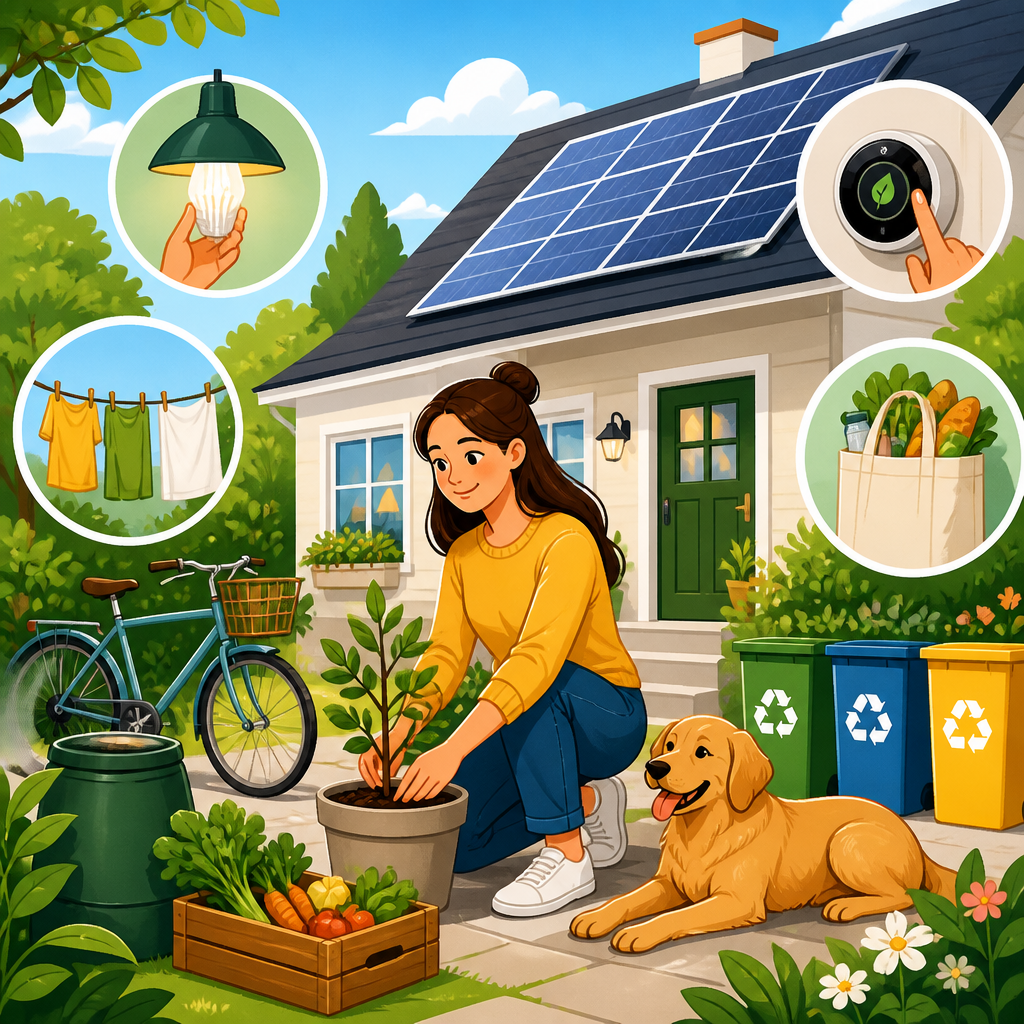
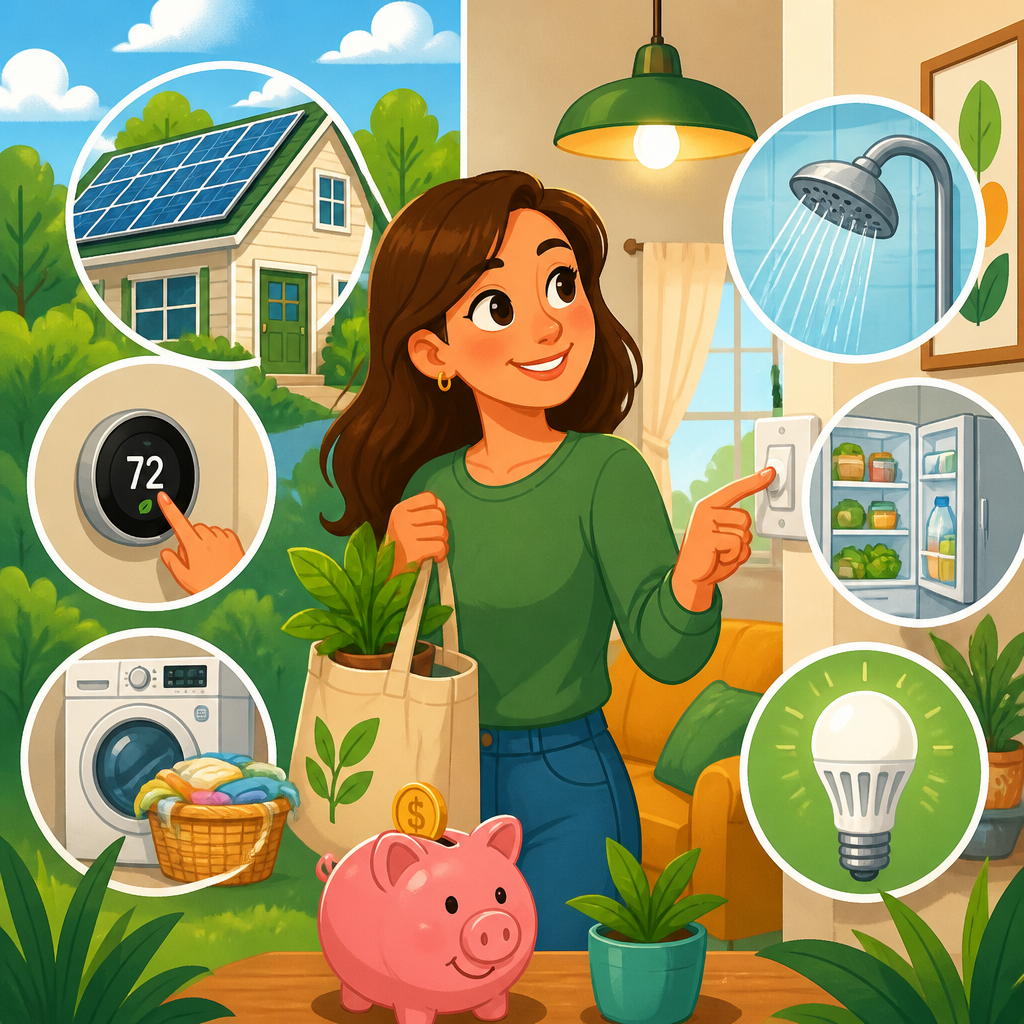
Energy-saving tips that actually make a difference start with a simple truth: the biggest reductions in household energy use come from a small set of decisions about heating, cooling, hot water, appliances, lighting, and daily habits. In sustainable living at home, energy saving means reducing the electricity, gas, or other fuel needed to keep a household comfortable and functional without sacrificing safety or quality of life. A sustainable home is not only one with solar panels or premium insulation; it is a home that uses resources deliberately, wastes less, and performs efficiently over time.
This matters because homes account for a large share of total energy demand, and household utility bills have become a major budget pressure. According to the U.S. Energy Information Administration, space heating, water heating, air conditioning, lighting, and refrigeration consistently rank among the largest residential energy loads. In practice, I have found that people often focus on small visible changes, such as switching off a lamp, while missing the systems that consume far more energy in the background. The real savings usually come from improving the building envelope, tuning HVAC equipment, controlling hot water use, and replacing outdated devices with efficient models.
As a hub for sustainable living at home, this guide covers the measures with the strongest impact, explains where they work best, and clarifies the tradeoffs. Some upgrades require investment, while others cost almost nothing. Some save energy immediately, while others pay back over several years through lower bills and better comfort. The goal is to help homeowners and renters choose actions that produce measurable results rather than relying on myths or generic advice.
Start with the biggest energy users in your home
If you want the fastest path to lower energy use, begin with the systems that run longest or use the most power. In most homes, that means heating and cooling first, followed by water heating, then major appliances, then lighting and electronics. This order matters. Replacing every bulb with LEDs is worthwhile, but it will not offset the energy wasted by leaky ductwork, poor attic insulation, or an aging electric resistance water heater. A strategic energy-saving plan ranks actions by annual consumption, operating hours, and climate.
The best first step is an energy assessment. A professional home energy audit often includes blower door testing, infrared imaging, duct leakage checks, and analysis of utility bills. These tools identify where conditioned air escapes, where insulation is missing, and whether equipment is oversized or inefficient. If a formal audit is not available, review twelve months of bills, note seasonal spikes, and inspect obvious trouble spots such as drafty windows, recessed lights under uninsulated attics, and unsealed attic hatches. A home cannot be made efficient by guesswork alone.
It also helps to understand load interaction. For example, sealing air leaks reduces winter heating demand and summer cooling demand at the same time. Installing exterior shading can reduce air-conditioning use, but in cold climates it may slightly reduce helpful winter solar gain. Sustainable living at home is not about isolated tricks; it is about understanding how the house behaves as a system.
Improve insulation and air sealing before upgrading equipment
One of the most effective energy-saving tips is to reduce heat transfer through the building envelope. Insulation slows heat flow, while air sealing stops uncontrolled drafts. Together, they usually deliver better comfort, lower bills, and more consistent indoor temperatures. In older homes, I routinely see major losses around rim joists, attic penetrations, plumbing and wiring gaps, chimney chases, recessed lighting, and pull-down attic stairs. These are not glamorous fixes, but they often outperform more expensive gadget purchases.
Attics are usually the highest-priority area because warm air rises in winter, and roof assemblies absorb heat in summer. Many energy programs recommend attic insulation levels around R-38 to R-60 in colder regions, depending on climate zone and local code guidance. Wall insulation matters too, but attic upgrades are often less invasive and have quicker payback. Air sealing should come before adding insulation; otherwise, insulation can hide leaks without stopping them. Materials commonly used include caulk for small gaps, weatherstripping for movable joints, and expanding foam for larger penetrations.
Windows are more complicated. Full window replacement can improve comfort and reduce infiltration, but the energy payback is often slower than people expect if existing frames are sound. In many cases, weatherstripping, air sealing, storm windows, or insulated cellular shades deliver a better return. The practical rule is clear: stop uncontrolled air movement first, then address insulation levels, then evaluate whether equipment needs to be replaced.
Make heating and cooling systems work efficiently
Heating and cooling systems can represent the largest household energy expense, so small efficiency gains compound quickly. Start with maintenance. Replace filters on schedule, keep supply and return vents unobstructed, clean outdoor condenser coils, and have combustion appliances inspected for safety and performance. I have seen homes lose efficiency simply because filters were clogged, forcing the blower to work harder and reducing airflow across the coil or heat exchanger.
Thermostat strategy matters, but smart thermostats are not magic. They save the most in homes with predictable schedules and forced-air systems, especially when setbacks are used consistently. In very efficient homes or homes with heat pumps in extreme climates, aggressive setbacks can produce less benefit than expected because recovery periods may be long. The key is programming realistic temperatures and avoiding unnecessary heating or cooling when the home is empty.
Equipment selection should match the house. Oversized air conditioners short-cycle, removing less humidity and wearing components faster. Proper sizing using Manual J load calculations is more reliable than replacing equipment with the same size as the old unit. Duct sealing is equally important. Leaky ducts in attics or crawlspaces can waste a significant share of conditioned air before it reaches occupied rooms.
| Upgrade or action | Why it saves energy | Where it works best | Common limitation |
|---|---|---|---|
| Air sealing and attic insulation | Reduces heat loss and gain across the envelope | Older homes with drafts or low insulation | Needs careful moisture and ventilation planning |
| Heat pump HVAC | Moves heat instead of generating it directly | Mixed, moderate, and many cold climates | Performance depends on sizing and installation quality |
| Duct sealing | Delivers more conditioned air to living spaces | Homes with ducts in attics, garages, or crawlspaces | Hard-to-access duct runs increase labor cost |
| Smart thermostat | Reduces unnecessary runtime through scheduling | Homes with regular occupancy patterns | Limited savings if setpoints are not managed well |
| Ceiling fans | Improves perceived comfort, allowing higher summer setpoints | Occupied rooms in warm seasons | Fans cool people, not empty rooms |
When replacement time comes, high-efficiency heat pumps often make the biggest difference. Modern cold-climate models from manufacturers such as Mitsubishi, Daikin, Fujitsu, and Carrier can deliver efficient heating well below freezing, though local performance varies by equipment design and installation. In many homes, a heat pump reduces both energy use and carbon emissions, particularly where the electric grid is getting cleaner.
Cut water-heating costs with better equipment and smarter use
Water heating is often the second- or third-largest energy load in a home, yet it is frequently overlooked. The most effective improvements are reducing hot water demand, insulating distribution, and upgrading the heater itself. Simple measures include installing low-flow showerheads, fixing leaking hot taps, lowering water heater temperature to a safe setting around 120 degrees Fahrenheit when appropriate, and insulating the first several feet of hot and cold pipes near the tank.
If your current water heater is nearing the end of its life, a heat pump water heater deserves serious consideration. It typically uses far less electricity than a standard electric resistance tank because it moves heat from surrounding air into the water. In basements, utility rooms, or garages with enough air volume, the savings can be substantial. The tradeoffs are real: these units cost more upfront, can cool the surrounding space, and may require condensate drainage and more installation planning. Even so, in many households they are among the strongest efficiency upgrades available.
Daily habits matter too. Washing clothes in cold water, running full laundry and dishwasher loads, and shortening shower times can cut both water and energy consumption. For families with recirculation pumps, demand-controlled systems are preferable to pumps that run continuously, because nonstop circulation wastes heat through the piping network.
Use efficient appliances, lighting, and plug-load controls
Appliance efficiency is more straightforward than envelope work, but it still pays to prioritize. Refrigerators, clothes dryers, dishwashers, dehumidifiers, and freezers can add significantly to annual electricity use, especially if they are old. ENERGY STAR certified models generally use less energy than baseline products, though actual savings depend on size and usage patterns. A compact efficient refrigerator may consume dramatically less electricity than an oversized older unit kept half empty in a garage.
Dryers deserve special attention. Conventional electric dryers are energy intensive because they create heat directly and exhaust conditioned indoor air. Heat pump dryers use less electricity and are gentler on fabrics, though cycle times can be longer. For dishwashers, the heated dry setting often adds unnecessary energy use; air drying or eco modes can reduce consumption without sacrificing cleaning performance when the machine is loaded properly.
LED lighting remains one of the easiest proven wins. LEDs use a fraction of the electricity of incandescent bulbs and last much longer, which also reduces replacement waste. The best practice is not just replacing bulbs one for one, but choosing the right brightness, color temperature, and controls for the room. Occupancy sensors work well in spaces such as closets, laundry rooms, and garages where lights are often left on accidentally.
Plug loads are smaller individually but persistent in aggregate. Televisions, gaming systems, cable boxes, printers, and chargers can draw standby power around the clock. Advanced power strips help by cutting power to peripheral devices when a main device turns off. For home offices, enable sleep settings aggressively on monitors and computers; this change alone can save meaningful electricity over a year.
Adopt daily habits that reinforce sustainable living at home
The strongest long-term energy savings come from pairing upgrades with repeatable habits. Close blinds or curtains during hot summer afternoons, open them for passive solar warmth on sunny winter days, and use ceiling fans only when people are in the room. In the kitchen, match pot size to burner size, use microwave ovens or toaster ovens for small meals, and keep refrigerator coils clean when the design allows access. In laundry areas, wash with cold water, use high-spin settings to remove more moisture before drying, and clean dryer lint filters every cycle for safety and airflow.
Monitoring changes behavior. Utility portals, smart plugs, whole-home energy monitors such as Sense or Emporia, and monthly bill reviews make waste visible. When households track usage after each change, they learn which actions matter. Start with one room or one system, measure results, then expand. That practical approach turns sustainable living at home from a vague intention into a manageable operating standard. Review your highest energy uses this month, choose one upgrade and one habit change, and build from there.
Frequently Asked Questions
What energy-saving changes make the biggest difference in a typical home?
The most effective energy-saving improvements usually come from focusing on the systems that use the most energy first. In most homes, that means heating and cooling, water heating, major appliances, and air leaks around doors, windows, ducts, and attic spaces. If you want noticeable savings, start by sealing drafts, improving insulation where needed, servicing your HVAC system, and using a programmable or smart thermostat to reduce unnecessary heating or cooling when no one is home. These steps often deliver more meaningful results than smaller actions alone because they reduce the overall demand placed on your home every day.
Hot water is another major opportunity. Lowering the water heater temperature to a safe, efficient setting, insulating hot water pipes, taking shorter showers, and washing clothes in cold water can reduce energy use without making daily life difficult. After that, look at appliances and lighting. Replacing old incandescent bulbs with LEDs, running full loads in the dishwasher and washing machine, and choosing efficient appliances when it is time to replace older models can all add up over time. The key point is that real energy savings usually come from a combination of smart upgrades and better habits, not one dramatic trick.
Do small daily habits really lower energy bills, or do home upgrades matter more?
Both matter, but they work in different ways. Home upgrades often create the largest long-term reductions because they improve the efficiency of the home itself. Better insulation, weatherstripping, efficient windows, modern heating and cooling equipment, and upgraded water heaters can cut waste day and night whether you are thinking about energy use or not. These improvements are especially important in homes with persistent drafts, high heating or cooling costs, or older systems that have to work harder than necessary.
Daily habits, however, still make a real difference because they influence how often and how intensely those systems run. Adjusting the thermostat by a few degrees, turning off lights in unused rooms, unplugging rarely used electronics, air-drying laundry when possible, and avoiding long hot showers all reduce consumption. Habits may seem small in isolation, but repeated consistently across weeks and months, they can noticeably lower utility bills. The most effective approach is to combine efficient home systems with practical behavior changes. Think of upgrades as reducing your baseline energy demand, while habits help prevent unnecessary waste on top of that.
What is the best thermostat setting for saving energy without making the house uncomfortable?
There is no single perfect temperature for every household, but the most energy-efficient strategy is to set your thermostat as low as is comfortable in winter and as high as is comfortable in summer. Even modest adjustments can help. In cooler months, lowering the temperature when you are asleep or away from home reduces the amount of work your heating system has to do. In warmer months, raising the temperature a few degrees when the house is empty can significantly reduce air conditioning use. A programmable or smart thermostat makes this much easier by automating the schedule so comfort returns when you need it.
Comfort depends on more than the thermostat number alone. Humidity, insulation quality, sunlight, air movement, and even clothing all affect how a room feels. Ceiling fans, for example, can make rooms feel cooler in summer by improving air circulation, allowing you to set the thermostat slightly higher without discomfort. In winter, sealing drafts and adding insulation can help rooms stay warmer at lower settings. If your home feels uncomfortable even with frequent thermostat changes, the issue may be poor insulation, leaky ducts, or an HVAC system that needs maintenance. In that case, fixing the underlying problem will usually save more energy than constant temperature adjustments alone.
Is it worth replacing appliances just to save energy?
Usually, it makes sense to replace an appliance for energy savings when the existing model is old, inefficient, unreliable, or close to the end of its useful life. Refrigerators, freezers, water heaters, clothes dryers, dishwashers, and HVAC equipment can use a substantial amount of energy, especially if they are older models. Newer high-efficiency appliances often use less electricity or fuel and may also use less water, which can create additional savings over time. If an appliance runs constantly, such as a refrigerator, even a moderate improvement in efficiency can have a measurable effect on annual utility costs.
That said, replacing a functioning appliance immediately is not always the best first move. In many homes, bigger savings come from low-cost actions such as sealing air leaks, changing HVAC filters regularly, using existing appliances more efficiently, and adjusting water-heating habits. If you are evaluating a replacement, compare the appliance’s age, repair history, expected lifespan, and annual operating cost. Look for efficient models with credible energy performance labels, and consider the total cost of ownership rather than just the purchase price. In short, replacement can absolutely be worth it, but it is most effective when done strategically rather than automatically.
How can I tell where my home is wasting the most energy?
A good place to start is with your utility bills. Look for seasonal spikes and patterns over several months. High winter bills may point to heating losses, poor insulation, or air leaks. High summer bills often suggest inefficient cooling, heat gain through windows, or an overworked air conditioner. You can also do a practical home walkthrough. Check for drafts around windows and doors, inspect attic insulation, look for exposed hot water pipes, examine ductwork for leaks, and pay attention to rooms that are consistently too hot or too cold. Those comfort issues often reveal exactly where energy is being wasted.
For a more complete picture, consider a professional home energy audit. An audit can identify hidden problems such as insufficient insulation, air leakage, duct loss, outdated equipment, and inefficient lighting or appliances. Some audits include tools like blower door testing or thermal imaging to pinpoint trouble spots that are hard to detect on your own. Once you know where the biggest losses are happening, you can prioritize improvements that offer the best return. That is what makes energy-saving efforts actually effective: not just doing more, but doing the right things in the right order based on how your specific home performs.