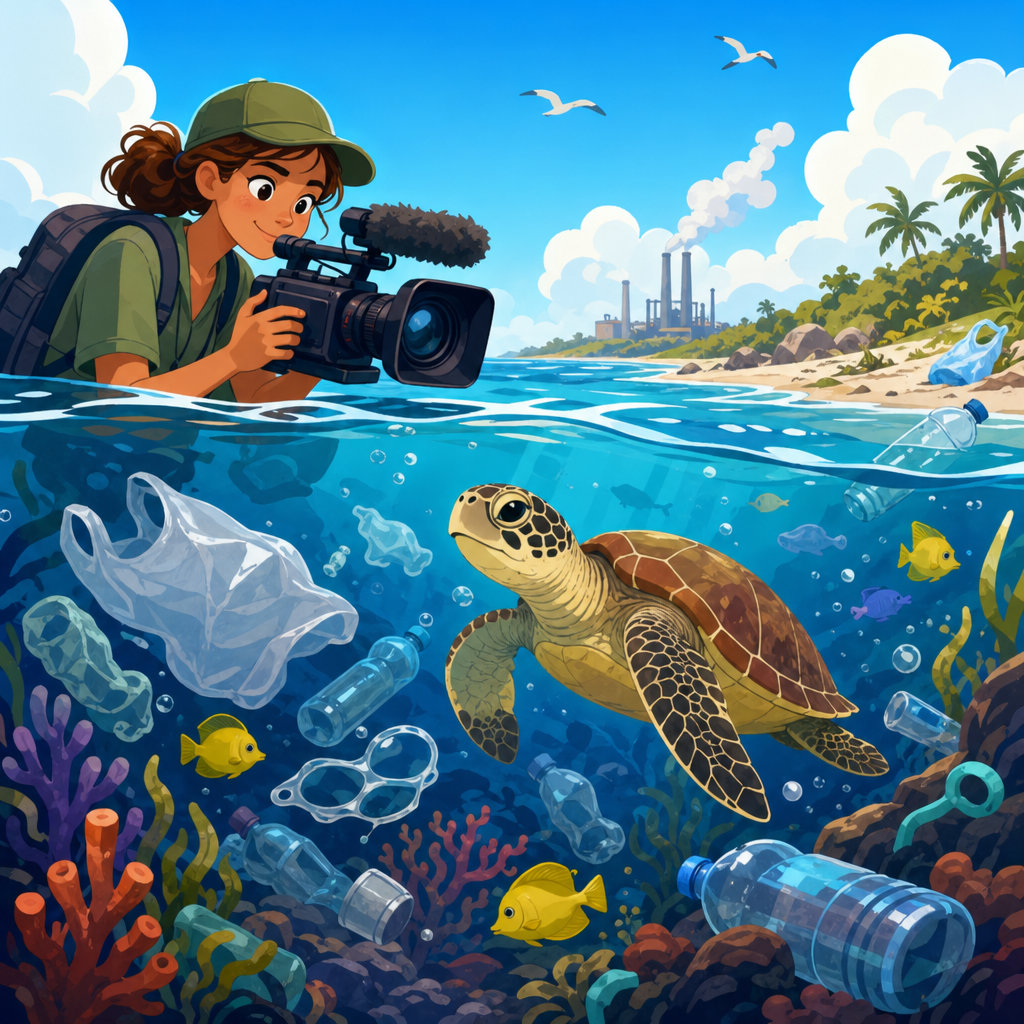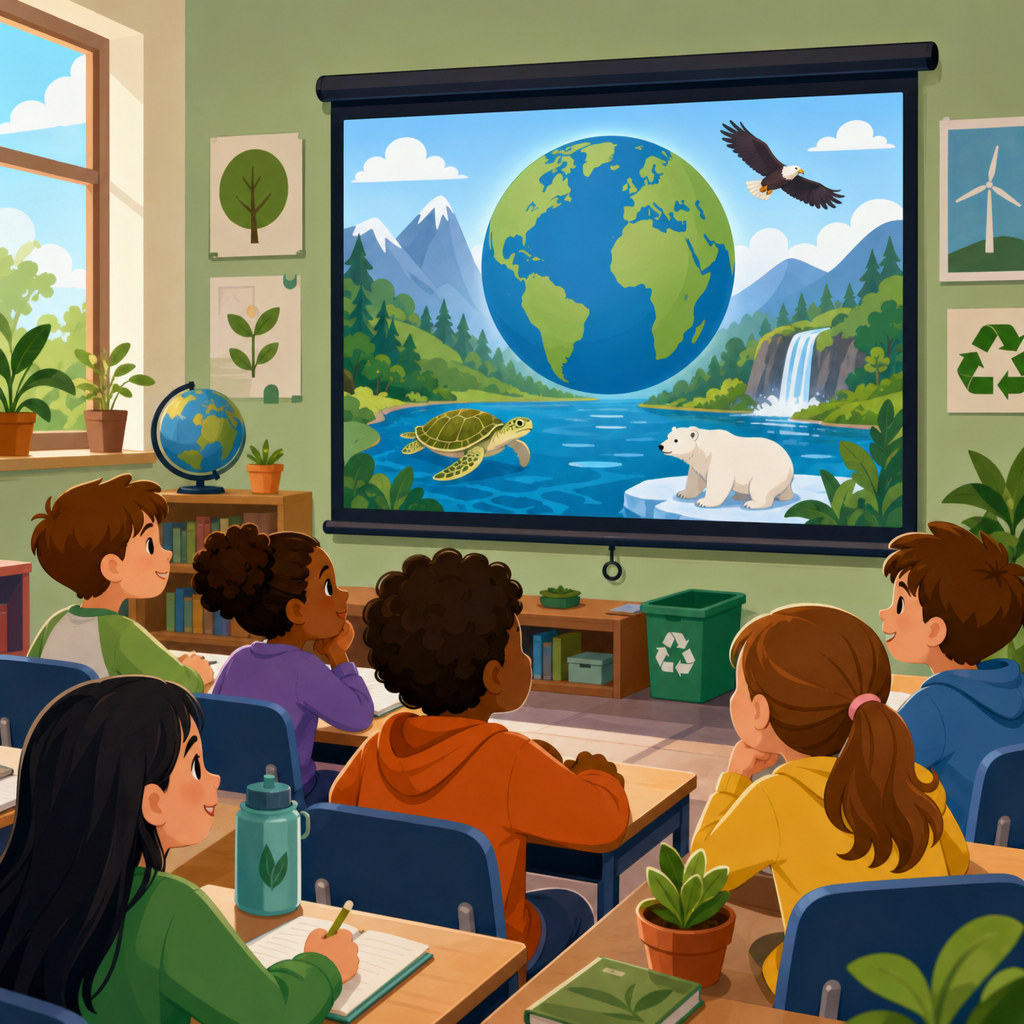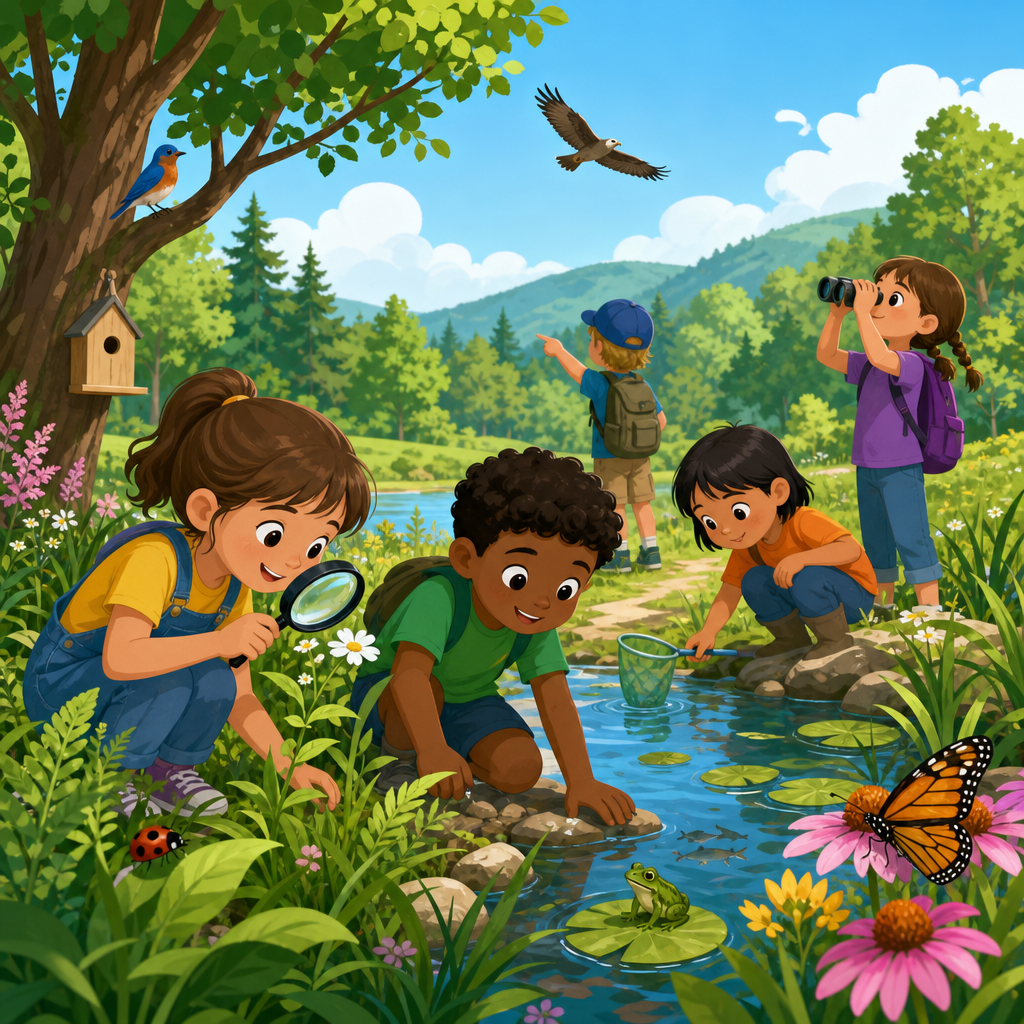

Free environmental courses have become one of the most practical ways for people to learn climate solutions for everyday life, because they translate a global problem into skills that can be used at home, at work, in schools, and in local communities. In this hub, I am focusing on courses that teach climate literacy, household sustainability, energy efficiency, food system choices, waste reduction, water stewardship, and community action without requiring tuition. “Climate solutions” means actions that cut greenhouse gas emissions, strengthen resilience to heat, floods, drought, and pollution, and improve public health or resource security at the same time. “Everyday life” means the decisions ordinary people make repeatedly: how they travel, what they eat, how they heat and cool a home, what they buy, how they dispose of materials, and how they participate in civic life. That is why free environmental courses matter. They lower the barrier to entry, they help people separate evidence-based actions from greenwashing, and they often provide the structure that casual reading cannot. After reviewing many course catalogs and using several of these platforms in workforce training and community education settings, I have found that the best courses do three things well: they explain the science in plain language, they connect individual choices to systems like energy and agriculture, and they leave learners with specific actions they can start immediately.
What free environmental courses cover and who should take them
Free environmental courses are not limited to academic climate science. The strongest options cover a spectrum from introductory climate change education to practical sustainability habits and policy awareness. A beginner might start with a climate literacy course from a university on Coursera or edX, move to a short module on home energy use from Energy Star or a utility program, and then take a circular economy or food systems course to understand consumption and waste. This layered approach works because climate action is interdisciplinary. For example, learning how electricity grids operate helps a homeowner evaluate whether weatherization, a heat pump, or time-of-use pricing will have the biggest impact. Learning the basics of methane emissions helps a family understand why reducing food waste can matter almost as much as recycling in some contexts.
These courses are useful for more than committed environmentalists. Teachers use them to build lesson plans. Parents use them to make household decisions. Employees take them to support sustainability committees. Small-business owners use them to reduce utility costs and meet customer expectations. Community volunteers use them to design tree-planting, composting, or resilience projects. I have seen even short, free environmental courses change behavior when the lessons are concrete. A renter who learns how to identify air leaks, compare LED bulb color temperatures, and manage thermostat setbacks can cut energy use without major capital upgrades. A school staff member who understands waste auditing can reduce cafeteria waste and lower hauling costs. A neighborhood organizer who takes a flood resilience course can improve emergency preparedness before the next storm season.
Best platforms for learning climate solutions at no cost
The most reliable free environmental courses usually come from four sources: universities, public agencies, nonprofits, and industry-backed educational programs with transparent standards. Coursera and edX regularly host climate change, sustainable development, and energy transition courses from institutions such as Yale, Columbia, the University of Michigan, and Delft University of Technology. Many allow free auditing, which gives access to lectures and readings even if certificates require payment. FutureLearn, OpenLearn from The Open University, and Swayam also provide solid entry points depending on region. These platforms are useful because they structure learning, define terms carefully, and often include peer discussion or case studies.
Public agencies are especially valuable for practical home and community actions. The U.S. Environmental Protection Agency offers resources on waste reduction, water, indoor air, and environmental justice. Energy Star provides guidance on appliances, heating and cooling, insulation, and product efficiency. The U.S. Department of Energy and the National Renewable Energy Laboratory publish consumer-friendly materials on electrification, solar, and building performance. Outside the United States, organizations such as the International Energy Agency, UN Climate Change, and national environment ministries offer free modules and reports that are useful for both beginners and professionals. Nonprofits like Project Drawdown, the Carbon Literacy Project, and WWF contribute action-oriented frameworks. The advantage of these sources is that they tie recommendations to recognized standards, current data, and implementation examples rather than lifestyle branding.
Core topics every climate solutions learner should study
If you want a complete education in climate solutions for everyday life, focus on seven core topics. First is climate science basics: greenhouse gases, radiative forcing, carbon dioxide, methane, nitrous oxide, and the relationship between emissions, warming, and extreme weather. Second is home energy: insulation, air sealing, efficient appliances, heating and cooling systems, water heating, and load management. Third is transportation: vehicle efficiency, public transit, biking, walking, telework, and the emissions implications of electric vehicles versus internal combustion engines. Fourth is food and agriculture: dietary patterns, food waste, regenerative practices, fertilizer use, and supply chains. Fifth is materials and waste: reuse, repair, recycling limitations, composting, and the circular economy. Sixth is water and resilience: drought, stormwater, flood preparedness, urban heat, and cooling strategies. Seventh is civic and workplace action: procurement, building standards, local policy, community energy, and adaptation planning.
These topics matter because climate solutions are interconnected. A course on food waste may appear narrower than a general climate course, but it teaches storage, meal planning, composting, and methane prevention, which are highly actionable. A course on household energy may seem technical, yet it often delivers direct bill savings and emissions cuts. In practice, learners should not chase every available course. They should choose the topics most relevant to their decisions. Homeowners benefit from building efficiency modules. Renters often gain more from low-cost energy and waste courses. Parents may prioritize food systems, health, and resilience. Professionals in offices may start with procurement, commuting, and operational efficiency. Matching the course to the decisions you control is what turns information into measurable results.
How to choose the right course for your goals
The best free environmental course is the one that answers a specific question you actually have. Do you want to lower energy bills, reduce household waste, build a school sustainability program, or understand climate policy well enough to vote and advocate effectively? Start there. I recommend evaluating courses using five criteria: source credibility, recency, practical application, level of difficulty, and geographic relevance. A high-quality course names its instructors or institution, cites current data, distinguishes global principles from local rules, and includes examples that can be applied outside the classroom. It should not rely on generic eco-tips detached from real constraints like housing type, income, landlord control, or climate zone.
Another useful filter is whether the course helps you prioritize actions. Not all “green” behaviors have the same impact. For most households, the biggest levers are often home heating and cooling, vehicle use, air travel frequency, diet shifts, and food waste reduction. Courses that explain this hierarchy save time and prevent discouragement. For example, replacing an old furnace or improving insulation can reduce far more emissions than obsessing over minor packaging choices, although packaging still matters for waste systems. Likewise, understanding utility rates and grid emissions can help a learner decide when electrification offers the strongest benefits. Good courses also acknowledge tradeoffs. Electric vehicles lower tailpipe emissions, but their benefits depend on driving patterns, vehicle size, electricity mix, and whether reducing car dependence is also possible. That balanced framing is a sign of serious instruction.
Examples of free environmental courses worth exploring
Several types of courses consistently stand out. Introductory climate change courses from Yale and similar institutions are strong for scientific grounding and public communication. Sustainable development courses from major universities help learners connect climate to equity, economics, and infrastructure. Project Drawdown’s publicly available resources are useful for understanding high-impact solutions such as refrigerant management, food waste reduction, plant-rich diets, and clean electricity. Energy Star and Department of Energy materials work well for practical home action because they explain appliance standards, insulation basics, HVAC maintenance, and benchmarking in simple terms. For food systems, courses and modules from universities, FAO resources, and public health schools often explain how diets, land use, and supply chains affect emissions and resilience. Circular economy content from the Ellen MacArthur Foundation and university partners is especially helpful for understanding why waste prevention beats recycling alone.
For learners interested in community impact, look for environmental justice, urban resilience, and climate adaptation courses. These explain why heat islands, flood risk, air pollution, and aging infrastructure affect neighborhoods differently. In city workshops I have supported, participants often arrive wanting to “help the planet” in broad terms and leave focused on tree canopy, cooling centers, home weatherization outreach, tenant protections, or safer walking routes to schools. That shift is important. Climate solutions become durable when they are tied to immediate community benefits such as lower utility burdens, cleaner air, and reduced health risk. A strong course makes that connection explicitly and gives examples from real cities, utilities, or school districts, not just theory.
Building a practical learning path from awareness to action
Most people do better with a sequence than with random course enrollment. A simple path looks like this:
| Stage | What to learn | Example outcome |
|---|---|---|
| 1. Foundations | Climate science, emissions sources, basic terminology | Understand which actions matter most |
| 2. Home systems | Energy use, appliances, insulation, water, waste | Create a household savings and emissions plan |
| 3. Consumption | Food, transportation, purchasing, repair, reuse | Change recurring habits with measurable impact |
| 4. Community | Resilience, public policy, environmental justice | Support local projects and informed advocacy |
| 5. Workplace | Procurement, reporting, commuting, operational efficiency | Influence organizational practices |
This progression works because it moves from understanding to control to influence. First you learn the system, then you improve the choices you personally make, then you shape the institutions around you. I often advise learners to complete one broad course, one home-focused course, and one community or workplace course within a two-month period. That is enough to build momentum without overload. Keep notes in a simple action log: what you learned, what applies to your life, estimated cost, expected savings, and what you can do this week. The educational value increases sharply when each lesson is linked to one decision, such as sealing drafty windows, planning lower-waste meals, joining a local resilience meeting, or benchmarking office energy use.
How free courses connect to deeper resources in this hub
As a hub for free environmental courses, this page should guide readers into narrower topics that deserve their own articles. Once learners complete a general course, they are usually ready for deeper guidance on free climate change courses, free sustainability courses, free recycling and waste reduction courses, free renewable energy courses, free environmental justice courses, and free conservation courses. Those subtopics matter because each has different standards, tools, and decision points. Renewable energy learning often requires understanding kilowatt-hours, net metering, grid integration, and financing. Waste reduction education needs clarity on contamination rates, compost systems, local material recovery rules, and product life extension. Environmental justice courses should explain cumulative burden, redlining history, siting decisions, and public participation processes.
This is where hub content becomes genuinely useful. Instead of treating “free environmental courses” as a single list, organize the learner journey. Show beginners where to start, then point them to targeted learning based on life stage and goals. A college student may need climate communication and advocacy resources. A homeowner may need electrification and efficiency guidance. A teacher may need age-appropriate climate literacy materials and project ideas. A job seeker may want carbon accounting, ESG basics, or sustainability operations training. If the hub connects these paths clearly, readers save time and search engines understand the topical relationships among the supporting pages. More importantly, learners feel guided rather than overwhelmed, which increases completion and follow-through.
Free environmental courses are valuable because they make climate solutions for everyday life understandable, affordable, and actionable. The best courses do more than raise awareness. They teach people how buildings use energy, why transportation choices have different emissions profiles, how food waste drives methane, where recycling helps and where it falls short, and why resilience and justice must be part of any serious climate response. They also help learners rank actions by impact instead of getting stuck in low-value habits or marketing claims. When you choose courses from credible universities, public agencies, and established nonprofits, you gain a stronger foundation for household decisions, community projects, and workplace improvements.
Use this hub as your starting point for free environmental courses, then go deeper into the subtopics that match your goals. Begin with one introductory climate course, add one practical course on home energy, food, or waste, and finish with one course on community resilience or policy. Take notes, apply one lesson each week, and measure what changes. Climate solutions become real when learning turns into repeated action. Start with a free course today, and build a personal education path that improves your daily life while reducing environmental impact.
Frequently Asked Questions
What do “climate solutions for everyday life” courses usually teach?
Courses focused on climate solutions for everyday life usually teach practical, low-cost actions that help people reduce environmental impact in ways that fit normal routines. Instead of only explaining climate change as a scientific or political issue, these courses translate climate literacy into day-to-day decisions. That often includes lessons on home energy use, efficient heating and cooling habits, electricity savings, water conservation, food choices, waste reduction, recycling systems, composting, and sustainable transportation. Many also cover how to evaluate common products, understand carbon footprints, and recognize which changes create the biggest results over time.
Another important part of these courses is that they show how individual action connects to larger systems. For example, a lesson on food may go beyond “eat less wastefully” and explain how local food systems, packaging, refrigeration, and agricultural methods affect emissions and resource use. A lesson on household sustainability may include appliance efficiency, insulation basics, and how renters can make meaningful changes even without owning a home. In strong courses, the goal is not guilt or perfection. The goal is to help learners identify realistic, repeatable climate-friendly habits that make sense for their household, budget, and community.
Are free environmental courses actually useful for beginners?
Yes, free environmental courses can be extremely useful for beginners, especially when they are designed to build confidence rather than overwhelm the learner. Many people want to live more sustainably but do not know where to start, and free courses can provide structure, credible information, and a clear path forward. Good beginner-friendly courses explain key terms such as emissions, energy efficiency, circular economy, food waste, biodiversity, and resilience in simple language. They also break complex climate topics into manageable sections, making it easier to connect global issues with practical everyday actions.
Free courses are also valuable because they remove the financial barrier to climate education. That means more students, parents, workers, community volunteers, and lifelong learners can participate without tuition. In many cases, these courses are offered by universities, nonprofit organizations, public institutions, libraries, or sustainability-focused education platforms, which can make them both accessible and trustworthy. While some free courses are introductory, that does not make them shallow. A strong free course can provide enough practical guidance for someone to improve household routines, lower utility waste, rethink food purchasing, reduce trash, and participate more effectively in local environmental efforts. For beginners, that foundation is often exactly what is needed.
How can these courses help me make changes at home without spending a lot of money?
One of the biggest strengths of climate solutions courses is that they often emphasize actions that save money or require little to no upfront investment. Many lessons focus on behavior and habit changes before expensive upgrades. For example, a course might teach how to reduce phantom energy use, wash clothes more efficiently, adjust thermostat settings seasonally, cut food waste through meal planning, reuse materials more effectively, or reduce water use with simple daily habits. These kinds of changes can lower waste and utility bills while building more sustainable routines.
Good courses also help learners distinguish between high-impact and low-impact actions. That matters because people often assume sustainable living always means buying new products, installing major systems, or making dramatic lifestyle changes. In reality, many effective solutions are about better decisions rather than more spending. A course may explain how to prioritize insulation and sealing drafts before considering larger energy purchases, how to use what you already own longer, how to shop with less packaging, or how to choose affordable plant-forward meals that reduce both cost and environmental impact. For renters, families, and people on tight budgets, this practical approach makes climate action more realistic and sustainable over the long term.
Which topics are most important if I want a course that leads to real everyday action?
If your goal is real-world action, the most useful topics are climate literacy, household sustainability, energy efficiency, food system choices, waste reduction, water stewardship, and community engagement. Climate literacy matters because it helps you understand why certain actions are more effective than others. Household sustainability turns that knowledge into routines related to energy, products, cleaning, maintenance, and consumption. Energy efficiency is especially important because home energy use is one of the clearest areas where people can reduce waste and expenses at the same time.
Food system education is another high-value topic because food choices affect emissions, land use, water use, and waste. Courses that address meal planning, food storage, sourcing, composting, and lower-impact diets often provide some of the most practical changes people can make immediately. Waste reduction and water stewardship are also essential because they teach learners how to prevent unnecessary resource use instead of only reacting after waste is created. Finally, community action is often overlooked but highly important. The best courses show that climate solutions are not limited to the home. They can also include workplace habits, school initiatives, neighborhood projects, local policy engagement, and shared efforts that multiply impact. A course that combines personal action with community awareness usually offers the strongest path to lasting change.
How do I choose a high-quality free course on climate solutions for everyday life?
Start by looking at who created the course and whether the content is practical, current, and designed for everyday use. Courses from universities, public agencies, nonprofit organizations, cooperative extension programs, and respected sustainability education platforms are often strong choices. Check whether the course description clearly lists topics such as energy, food, waste, water, and community action rather than staying vague. A high-quality course should explain not only what climate issues exist, but what learners can actually do in response. That practical focus is what separates useful climate education from general awareness content.
It also helps to review the course structure. Strong free courses often include short modules, case examples, worksheets, checklists, or action steps that help learners apply ideas immediately. Look for courses that avoid extreme all-or-nothing messaging and instead offer realistic strategies for different living situations, including renters, families, urban residents, rural households, and people with limited budgets. If possible, read reviews or summaries to see whether learners found the course actionable and clear. The best option is usually the one that gives you credible information, helps you prioritize the most effective changes, and leaves you with habits and decision-making skills you can keep using long after the course ends.