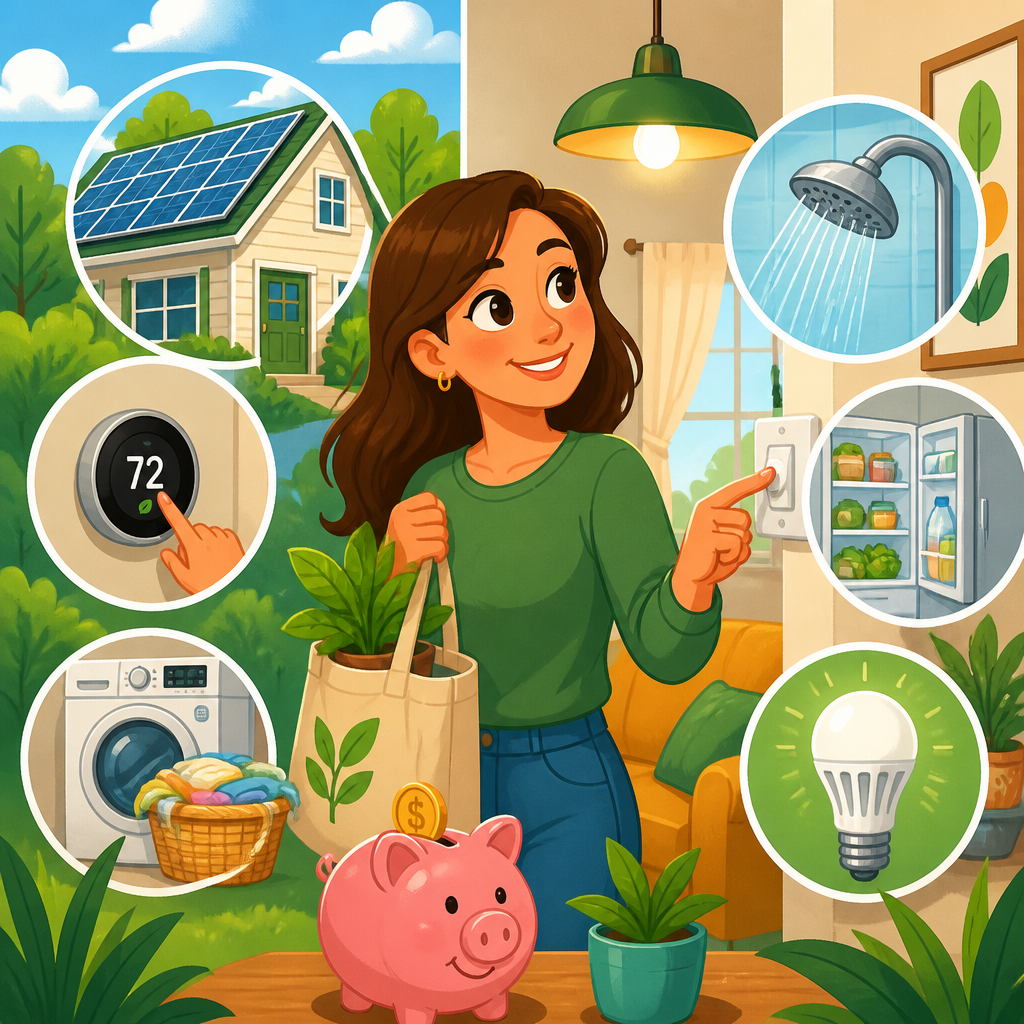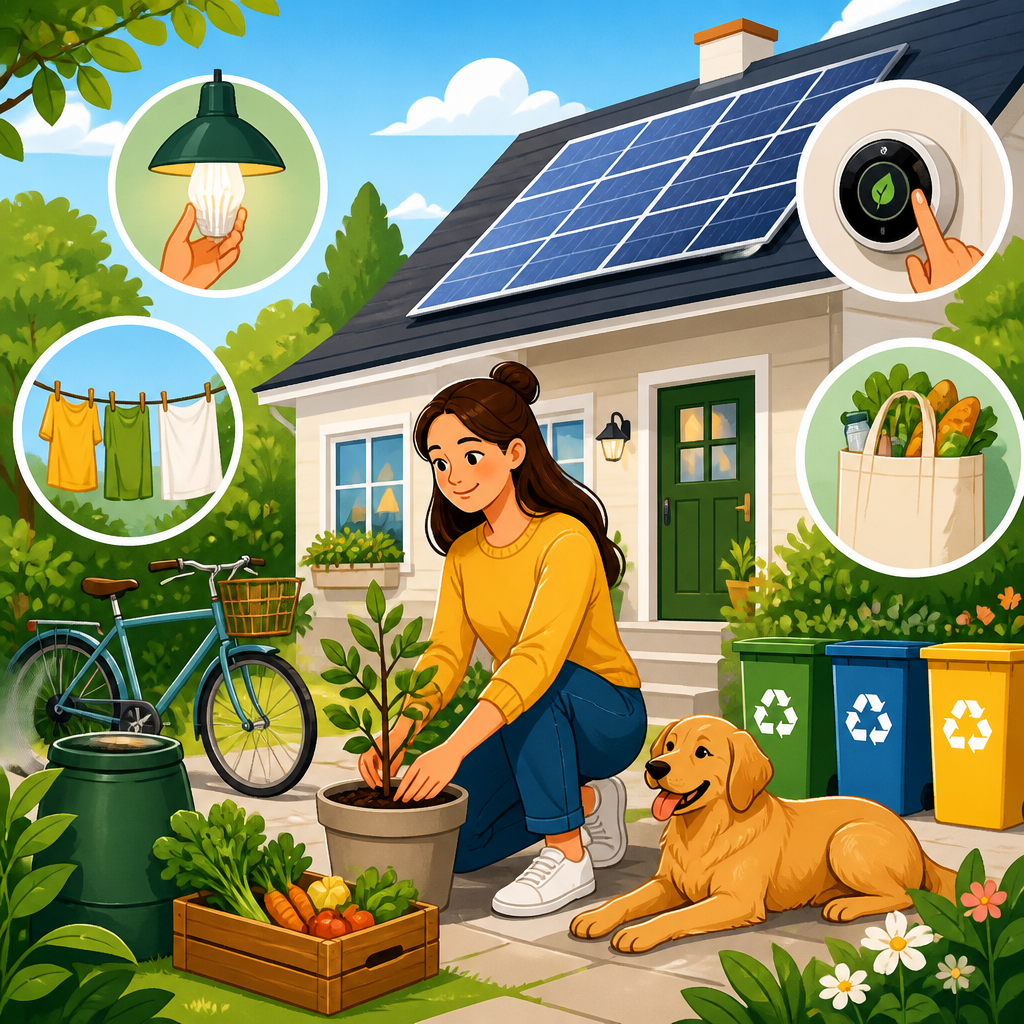

DIY sustainability projects for every room can turn a home into a practical, lower-waste, lower-energy space without requiring a full renovation. In this guide, sustainable living at home means making everyday choices that reduce resource use, extend the life of materials, cut pollution, and improve indoor comfort. A DIY project is simply a hands-on improvement you can complete yourself, often with basic tools, reused materials, and a clear plan. When these two ideas meet, the result is a home that works better, costs less to run, and creates less environmental impact over time.
I have worked with homeowners who wanted to live more sustainably but felt overwhelmed by conflicting advice. The most effective approach is not chasing perfection. It is room-by-room progress. A draft-proofed bedroom, a water-saving bathroom, or a kitchen compost system may seem small on its own, yet each change reduces waste streams and utility demand in measurable ways. The U.S. Environmental Protection Agency consistently identifies energy efficiency, water conservation, waste reduction, and safer material choices as core parts of residential sustainability. Those principles are useful because they apply in any home, whether you rent a studio apartment or own a multistory house.
This article is a hub for sustainable living at home, so it covers the projects that create the biggest everyday gains. You will see where to start, which materials matter, and how to choose projects based on effort, budget, and impact. The focus is practical: sealing air leaks, improving lighting, reducing single-use products, selecting low-VOC finishes, setting up repair systems, and reusing what you already own. Many projects pay back through lower utility bills. Others deliver value through healthier indoor air, fewer purchases, and better organization. Together they build a home that supports long-term sustainable habits rather than one-time enthusiasm.
For most households, the highest-impact home sustainability projects fall into four categories: energy, water, materials, and waste. Energy projects reduce heating, cooling, and electricity demand. Water projects curb unnecessary flow and improve reuse. Materials projects prioritize durable, repairable, recycled, or reclaimed products while avoiding finishes that emit harmful compounds. Waste projects prevent usable items, food scraps, and packaging from heading straight to landfill. Once you understand those categories, every room becomes easier to evaluate. You can walk through your home and ask direct questions: Where is energy escaping? What is used once and thrown away? Which products could be refilled, repaired, or repurposed? What can be measured and improved this month?
Start with a whole-home sustainability audit
The best DIY sustainability projects start with observation, not shopping. Before changing anything, complete a simple home audit. Check utility bills for seasonal patterns, inspect windows and doors for drafts, note which rooms rely on lamps during the day, and identify where waste accumulates. I recommend making a three-column list: high impact, low cost, and easy to do this weekend. Projects that land in all three columns should move first. In many homes, those include weatherstripping, LED bulb upgrades, faucet aerators, cleaning refrigerator coils, and building a visible sorting station for recycling and compost.
Useful audit tools are inexpensive and widely available. A plug-in energy monitor can show how much electricity a dehumidifier, gaming console, or older fridge actually uses. A simple incense stick or thermal camera attachment can reveal hidden air leaks around baseboards, attic hatches, and window trim. Moisture meters help identify damp zones before mold growth damages finishes. If you want a recognized framework, the ENERGY STAR approach to home upgrades and the U.S. Department of Energy guidance on air sealing and insulation provide dependable priorities. They emphasize that reducing unwanted air movement usually comes before buying larger equipment.
Once you have baseline information, assign each project a purpose. Some upgrades save money quickly, such as switching incandescent bulbs to LEDs, which use substantially less electricity and last far longer. Others, like adding door sweeps or insulating outlet gaskets on exterior walls, improve comfort first and savings second. This matters because sustainable living at home succeeds when projects solve real annoyances. Families stick with habits that make rooms quieter, cleaner, brighter, and easier to maintain. Sustainability is not only about consuming less; it is also about creating systems that continue working with minimal friction.
Sustainable living room projects that cut energy and waste
The living room often contains a surprising mix of hidden energy loads and fast-turnover consumer goods. Start with lighting and standby power. Replace remaining halogen or incandescent bulbs with warm-color LEDs appropriate for dimmers if your fixtures use them. Then connect televisions, speakers, game consoles, and streaming devices to advanced power strips that reduce vampire loads when equipment is idle. In homes I have assessed, entertainment clusters are often among the easiest places to trim unnecessary electricity use because multiple devices stay in standby mode around the clock.
Textiles and furniture are the next opportunity. Instead of replacing a worn sofa immediately, repair the frame, restuff cushions, or use washable slipcovers made from durable natural fibers or recycled textiles. Reupholstery has an environmental cost, but extending furniture life usually avoids the larger footprint of buying a new piece, transporting it, and discarding the old one. If you do need furniture, prioritize solid wood, mechanical fasteners over permanent adhesives, and modular designs with replaceable parts. Those features directly support repairability. Avoid particleboard products with strong chemical odors, which can signal higher emissions from adhesives and finishes.
Window treatments matter more than many people think. Thermal curtains, cellular shades, and well-fitted drapes reduce winter heat loss and summer solar gain, especially on older windows. Pair them with a seasonal routine: open coverings on sunny winter days, close them before hot afternoon sun in summer. Add a DIY draft snake at doors or leaky window sills for a low-cost comfort fix. If you want a decorative project with measurable value, build shelves or storage from reclaimed lumber. Reclaimed wood needs proper cleaning, denailing, and sealing, but it keeps usable material in circulation while reducing demand for newly processed products.
Kitchen projects for low-waste cooking and efficient resource use
The kitchen is usually the most important room for sustainable living at home because it drives food waste, packaging waste, water use, and appliance energy demand. Begin with waste prevention. Set up clearly labeled zones for recycling, compost, and refillable containers. A countertop crock or vented bin makes food scrap collection convenient, which is crucial if you want household participation. Composting works best when the system matches your space: backyard bins for homes with outdoor access, worm bins for some indoor setups, and municipal collection where available. The real win is keeping nutrient-rich organic material out of landfill and using it to support soil health.
Food storage is another high-value DIY project. Decant dry goods into reused glass jars, label leftovers with dates, and create an eat-first section in the refrigerator. Households waste less when food is visible and organized. Clean refrigerator coils and check door gaskets; both steps can improve efficiency and temperature stability. Install low-flow aerators on kitchen faucets if water pressure remains acceptable. For cleaning, switch from disposable paper-heavy routines to washable cloths, cellulose sponges, refill concentrates, and sturdy brushes with replaceable heads. These changes cut recurring purchases without sacrificing hygiene.
| Kitchen project | Typical cost | Main benefit | Best for |
|---|---|---|---|
| Countertop compost setup | Low | Reduces food waste sent to landfill | Families that cook often |
| Reuse-and-label pantry jars | Low | Prevents spoilage and packaging waste | Bulk shoppers |
| Faucet aerator upgrade | Low | Lowers water use during rinsing | Any kitchen sink |
| Refrigerator coil cleaning | Low | Improves appliance efficiency | Older refrigerators |
| DIY cleaning concentrate station | Low to medium | Cuts plastic bottle use | Homes using multiple cleaners |
Cooking efficiency also matters. Match pan size to burner size, use lids to shorten boil times, batch-cook staples, and maintain oven seals. Pressure cookers and induction-compatible cookware can lower energy demand, though the sustainability case depends on what you already own. Replacing working equipment too early can erase some environmental benefits. The better rule is to maintain existing appliances, use them efficiently, and upgrade at the end of service life to models with strong efficiency ratings and appropriately sized capacity.
Bathroom projects that save water and reduce disposable products
Bathrooms concentrate water use, chemical packaging, and laundry demand. The easiest DIY sustainability projects here are fixture upgrades and product swaps. Install WaterSense-labeled showerheads and faucet aerators, repair running toilets promptly, and test tanks for silent leaks with dye tablets or food coloring. A leaking toilet can waste significant amounts of water over time, and homeowners often miss it because the problem is intermittent. If your plumbing allows, insulating accessible hot water pipes can reduce heat loss and shorten the wait for warm water at the tap.
Disposable personal care products are another target. Replace single-use cotton rounds with washable pads, switch to refillable soap dispensers, and use durable razors where practical. If you store cleaning supplies in the bathroom, consolidate around fewer products with refill systems and verified ingredient disclosure. Ventilation deserves attention too. A bathroom fan that is dirty, noisy, or undersized may fail to remove humidity effectively, leading to mold, peeling paint, and early material failure. Clean the fan grille, verify exterior venting, and use a timer switch so moisture is removed consistently after showers.
Textiles can become a hidden source of waste when low-quality towels and bath mats wear out quickly. Choose durable fibers, mend loose hems, and repurpose retired towels as cleaning cloths before disposal. For renters, many of these bathroom projects are still possible because they are reversible. Aerators, showerheads, storage systems, and refill setups can usually move with you. That portability makes them ideal starter upgrades for sustainable living at home, especially if you want immediate savings without altering permanent fixtures.
Bedroom and laundry room upgrades for comfort, air quality, and lower utility bills
Bedrooms support rest, so sustainability projects here should improve thermal comfort, indoor air quality, and material safety. Start with air sealing around windows, adding blackout or thermal curtains if heat gain or drafts are a problem. Bedding made from durable natural fibers can last for years when cared for properly, and a simple mending kit extends the life of sheets and pillow covers. If you buy new paint or furniture for a bedroom refresh, choose low-VOC products and allow adequate ventilation during curing. That reduces indoor pollutant exposure where people spend long, continuous hours.
Mattresses and bed frames are worth evaluating carefully. Natural latex, FSC-certified wood, and models with replaceable layers can be better long-term choices than cheaply made products that sag early and are difficult to recycle. Still, the greenest option is often to extend the life of what you already own with a supportive topper, slat repair, or hardware tightening. In closets, create a repair basket for missing buttons, separated seams, and worn hems. Clothing lasts longer when small issues are fixed immediately instead of becoming reasons to replace the item.
In the laundry area, wash with cold water when fabrics allow, run full loads, and clean lint filters after every dryer cycle. If space permits, install a wall-mounted drying rack or indoor clothesline to reduce machine drying. Front-loading washers generally use less water than older top-load units, but again, replacement is best timed to the end of life unless a current machine is severely inefficient or unreliable. Check hoses regularly, switch to concentrated detergents in minimal packaging, and avoid overusing products, which wastes money and can leave residue on textiles and machines.
Home office, entryway, and utility spaces that reinforce sustainable habits
Smaller rooms often determine whether a sustainable home system actually sticks. In a home office, reduce paper demand with digital defaults, but keep a clear station for unavoidable documents, batteries, and electronics destined for proper recycling. Use smart power management on monitors and printers, and choose task lighting instead of overlighting the entire room. If you work from home, comfort improvements such as draft sealing and zoned heating can cut overall energy use because they let you condition occupied spaces more precisely rather than relying on the whole house.
The entryway is ideal for behavior-shaping projects. Add hooks, a bench, and storage for reusable shopping bags, refillable bottles, umbrellas, repair returns, and library books. When sustainable items are visible at the point of exit, people remember to use them. Place a small bin for batteries, corks, or other specialty recyclables that require separate drop-off. In utility spaces, label shutoff valves, service dates, air filters, and maintenance schedules. A cheap whiteboard can prevent missed filter changes, overfilled dehumidifier tanks, and neglected furnace tune-ups. Maintenance is sustainability because equipment that operates correctly lasts longer and wastes less energy.
If your home has a garage, shed, or spare corner, create a reuse and repair zone. Store scrap wood, jars, fasteners, leftover paint, and offcuts in a way that keeps them visible and categorized. The mistake most households make is saving materials without organizing them. Then they buy duplicates. A usable inventory turns leftovers into inputs for future projects: raised beds from reclaimed boards, drawer dividers from packaging, patch kits from old fabric, or plant markers from trim scraps. Sustainable living at home becomes far easier when the home itself supports circular use.
How to prioritize projects for the biggest long-term impact
Not every DIY upgrade deserves equal attention. Prioritize by combining impact, cost, frequency of use, and durability. Projects that reduce heating and cooling losses usually outperform trend-driven purchases. Water leak repairs beat decorative eco accessories. Reuse systems that the whole household will follow beat complicated solutions nobody remembers. The most resilient strategy is to stack improvements: seal drafts, then manage sunlight, then upgrade lighting, then refine appliance habits. That sequence lowers demand before considering new equipment.
Keep records as you go. Track utility bills, note product models, and photograph problem areas before and after each project. Measurements help you decide what is truly working. They also create a roadmap for future articles and deeper guides on composting, low-waste cleaning, efficient lighting, indoor air quality, insulation, green materials, and sustainable organization. Use this hub as your starting point, pick one room, and complete one project this week. Consistent small upgrades are how sustainable living at home becomes durable, affordable, and real.
Frequently Asked Questions
What are the best DIY sustainability projects to start with if I want to improve every room without a major renovation?
The best place to start is with projects that are affordable, low-risk, and easy to repeat throughout the home. For most households, that means focusing first on lighting, air sealing, storage, and material reuse. In living rooms and bedrooms, simple upgrades such as switching to LED bulbs, adding draft stoppers, using thermal curtains, and repurposing existing furniture can immediately lower energy use and extend the life of what you already own. In kitchens, DIY sustainability often begins with waste reduction systems like a labeled recycling station, a countertop compost setup, reusable cloth towels, and shelf organizers made from reclaimed wood or jars. In bathrooms, installing low-flow showerheads, reusing containers for bulk products, and improving ventilation can reduce both water use and mold risk.
For utility areas, laundry rooms, and entryways, some of the most effective projects are also some of the simplest. A drying rack, a shoe-and-coat drop zone that prevents dirt from spreading through the house, and storage for reusable shopping bags and refill containers all support lower-waste habits. Home offices can benefit from cable management using reused materials, printer paper sorting stations, and furniture refinishing instead of replacement. If you want the biggest return for the least effort, choose projects that solve a daily problem while reducing waste or energy use. That approach makes the change practical, visible, and easier to maintain over time. The goal is not perfection or a dramatic makeover. It is creating one functional improvement in each room that reduces resource use and makes the home more comfortable and efficient.
How can I make DIY sustainability projects affordable while still choosing eco-friendly materials?
Keeping costs down starts with rethinking what counts as a building material. Many of the most sustainable DIY projects rely less on buying new eco-branded products and more on using what is already available. Before purchasing anything, take inventory of items you already have, including leftover paint, scrap wood, glass jars, baskets, fabric, hardware, and old furniture. Reusing these materials avoids new manufacturing impacts and often saves the most money. You can also find affordable supplies through salvage yards, habitat-style reuse stores, neighborhood swap groups, and local online marketplaces. These sources are excellent for wood, doors, shelving, tile, containers, and fixtures that still have years of useful life left.
When you do need to buy new materials, focus on durability, low toxicity, and repairability rather than marketing language alone. For example, a long-lasting low-VOC paint, a solid wood shelf that can be refinished, or a refillable dispenser often provides better sustainability value than a cheaper disposable alternative. It is also smart to prioritize projects that reduce future utility or replacement costs, such as weatherstripping, insulation improvements, faucet aerators, and LED lighting. Those upgrades can pay for themselves over time. A helpful strategy is to divide projects into three categories: free reuse projects, low-cost efficiency upgrades, and long-term investments. That keeps spending realistic while still moving the home in a more sustainable direction. In practice, affordability and sustainability often work well together when you emphasize using less, buying better, and extending the life of materials already in circulation.
Which room-by-room DIY projects have the biggest impact on reducing waste, water use, and energy consumption?
The highest-impact projects are usually the ones tied to everyday habits and high-use systems. In the kitchen, waste reduction projects often deliver immediate results because that room generates packaging waste, food scraps, and frequent water use. A compost system, bulk-food storage setup, reusable produce bag station, and an organized pantry that reduces food spoilage can all make a meaningful difference. In the bathroom, water-saving upgrades are especially effective. Installing faucet aerators, a low-flow showerhead, and leak-check reminders near sinks and toilets can significantly cut water consumption. Creating dedicated storage for refillable soaps, reusable cotton rounds, and cloth cleaning rags also helps replace single-use items.
For bedrooms and living spaces, energy-saving projects tend to matter most. DIY weatherstripping around windows and doors, insulated curtains, door sweeps, and reflective radiator panels can improve comfort while reducing heating and cooling loss. Switching all bulbs to LEDs and setting up smart or clearly labeled lighting zones helps avoid wasted electricity. In laundry and utility rooms, a clothes-drying rack or line, wool dryer balls, and a simple sorting station for cold-water washing can reduce both energy and fabric wear. Entryways are often overlooked, but they are ideal for creating systems that support sustainability throughout the home, such as shoe storage to protect floors, hooks for reusable bags, and bins for returns, donations, and recyclables. The projects with the biggest impact are usually not the most visually dramatic. They are the ones that reduce repeated waste every single day.
How do I choose safe, durable, and low-impact materials for DIY projects in different parts of the home?
Start by matching materials to the demands of the room. Kitchens, bathrooms, and laundry areas need surfaces and finishes that can handle moisture, cleaning, and frequent use, while bedrooms and living areas may allow for a wider range of reused or decorative materials. Safety should come first, especially in homes with children, pets, allergies, or limited ventilation. Look for low-VOC or zero-VOC paints and sealants, formaldehyde-free or low-emission wood products when possible, and natural or washable textiles that do not trap excessive dust. If you are refinishing old furniture or reclaiming older building materials, verify that they do not contain hazards such as lead paint, water damage, or mold. A sustainable project should improve the home, not introduce new health concerns.
Durability matters because a project that fails quickly often creates more waste than a sturdier solution would have. Solid wood, metal hardware, ceramic containers, glass storage jars, and repairable fixtures are often smart choices because they can be cleaned, maintained, and reused over time. That said, the most sustainable option is not always the most expensive one. Sometimes it is simply the material you already have, used thoughtfully and in the right location. Try to choose finishes and components that can be disassembled, repaired, or repainted rather than discarded. It is also helpful to think beyond the project itself and consider maintenance. If a shelf, storage system, or water-saving device is easy to clean and simple to fix, it is more likely to stay in use. In sustainable DIY, low impact comes from the full life of the material, from sourcing and installation to daily use and eventual repair.
How can I make sure my DIY sustainability projects actually lead to long-term sustainable habits at home?
The most effective projects are the ones that make sustainable behavior easier, faster, and more automatic. That means designing each DIY improvement around a real routine instead of an idealized one. If your household forgets reusable bags, create a visible storage area by the door. If food waste is a problem, build a compost bin and organize the refrigerator so ingredients are easier to see and use. If lights are often left on, improve room lighting layout and label switches so the efficient option becomes the obvious one. A project succeeds long term when it removes friction from the habit you want to keep. Convenience is one of the strongest drivers of sustainability at home.
It also helps to track results in simple ways. You do not need complex software or a full home audit to see progress. Compare utility bills over time, note how often you take out trash or recycling, track how many disposable items you have replaced, and pay attention to comfort improvements such as fewer drafts or better organization. Involving the whole household can make a major difference as well. Label bins clearly, create shared systems that are easy to understand, and start with projects that provide visible benefits right away. Finally, think of sustainable DIY as an ongoing process rather than a one-time effort. Small room-by-room changes add up when they are maintained, adjusted, and built into daily life. The real success of a project is not just that it looks eco-friendly. It is that it keeps saving resources, reducing waste, and supporting better choices month after month.