
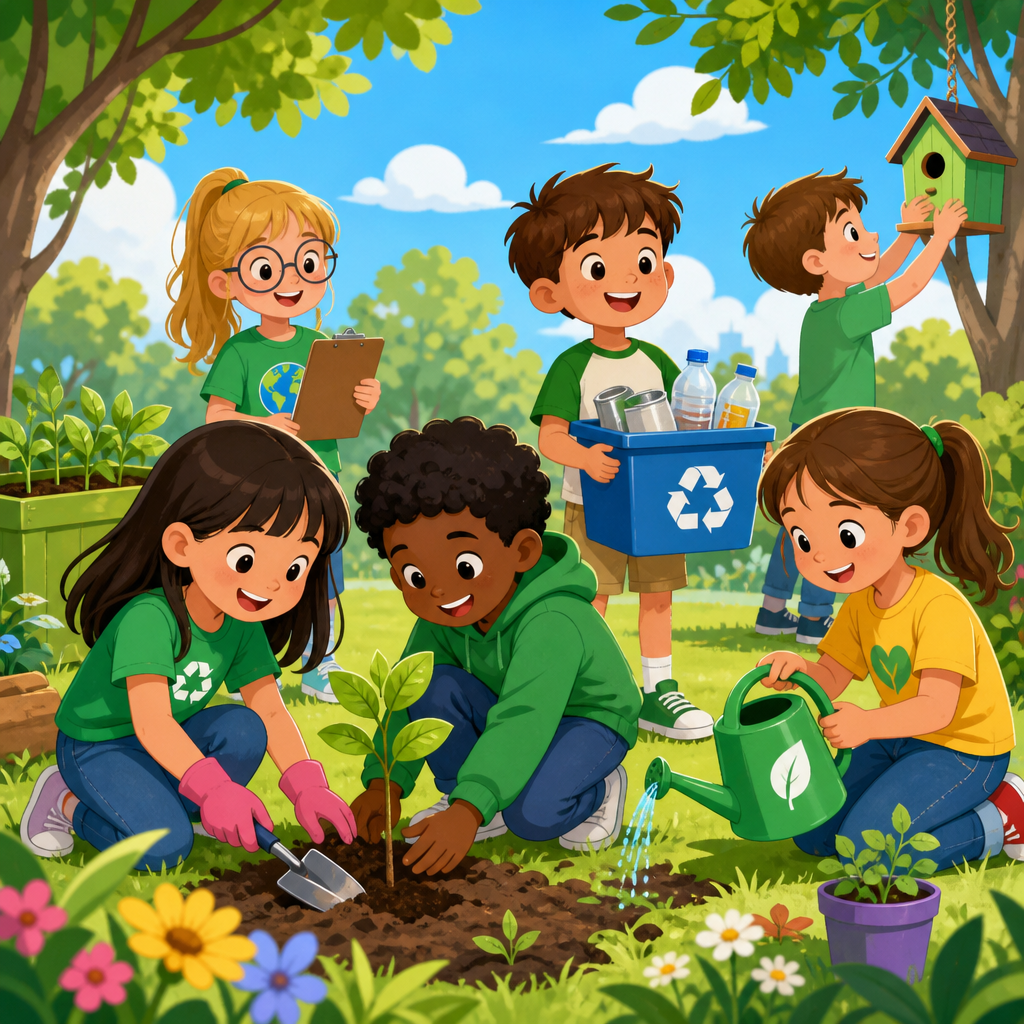
How to Engage Younger Students in Green Club Activities starts with a practical truth: children join clubs when the experience feels active, social, and meaningful. In schools, a green club is a student group focused on environmental learning and action, from recycling drives to habitat projects, energy saving campaigns, school gardens, and waste audits. When educators ask how to start a green club, they are really asking a broader question: how do you build a program that attracts students, keeps them involved, and turns good intentions into habits? I have helped schools launch sustainability clubs in elementary and middle grades, and the successful ones always combine structure with play. Younger students respond to visible results, short activity cycles, and roles they can understand immediately.
This topic matters because early environmental engagement shapes both behavior and school culture. Research from environmental education programs consistently shows that hands-on participation improves retention more than lecture-based instruction alone. A club can support science standards, strengthen student leadership, and connect families to school goals. It also gives administrators a manageable way to organize service learning. The challenge is that younger students have shorter attention spans, need more scaffolding, and often rely on teachers for logistics, motivation, and safety. A strong green club hub therefore needs to explain setup, activity design, leadership, communication, and measurement in one place. If you want to start a green club that younger students genuinely enjoy, you need simple systems, age-appropriate projects, and clear wins students can see, share, and celebrate.
Start with a simple club model and clear purpose
When schools search for how to start a green club, they often overcomplicate the launch. The best starting point is a narrow, easy-to-explain purpose: help our school reduce waste, care for outdoor spaces, and teach students how small actions improve the environment. For younger students, that message must be concrete. “Protect the planet” is too abstract for a seven-year-old; “save paper in our classroom” makes sense immediately. I recommend drafting a one-sentence club mission, choosing one staff advisor, and defining a meeting rhythm students can count on, such as twice a month for thirty to forty minutes.
Keep the first term focused on three pillars only: learn, do, and share. Learn means a short mini-lesson, story, demonstration, or observation. Do means one hands-on task during every meeting, such as sorting waste, planting seeds, or making signs for light switches. Share means students tell others what happened through announcements, a bulletin board, classroom visits, or family newsletters. This framework prevents meetings from becoming passive. It also helps teachers align the club with science, art, and citizenship outcomes without turning it into another formal class.
Before recruitment begins, handle the practical setup. Confirm school approval, supervision ratios, student pickup procedures, supply storage, and a modest starter budget. Many clubs can begin with recycled materials, borrowed garden tools, and free posters, but they still need adult organization. If your school has a facilities manager, custodian, PTA, science coordinator, or cafeteria lead, involve them early. In my experience, these partners become essential because younger students need visible projects linked to real school operations. A recycling lesson has more impact when the custodian explains where materials actually go.
Recruit younger students by making the club feel fun and immediate
Recruitment for elementary and lower middle grades should answer one question fast: what will students do there? Avoid abstract flyers full of mission language. Use concrete promises instead: plant flowers, make bird feeders, inspect lunch waste, help the garden, or earn eco badges. During assemblies or classroom visits, show an object students can touch, like compost, seedlings, reusable lunch gear, or litter collected from the playground. Younger students join when they can picture the activity.
Names and visuals matter. A title like Eco Team, Planet Patrol, Green Guardians, or Garden Detectives usually works better with younger children than Sustainability Council. Colorful badges, stickers, or simple role cards increase early excitement without requiring major spending. If space is limited, let students rotate through mini-teams such as Recycling Checkers, Water Watchers, Garden Helpers, and Wildlife Spotters. These labels give students identity, and identity drives participation.
Family communication is also part of recruitment. Parents and caregivers want to know whether the club is educational, safe, and worth the time. Send a short note explaining meeting times, adult supervision, and the benefits: responsibility, teamwork, outdoor learning, and practical science. If the club is positioned only as activism, some families may hesitate; if it is framed as constructive school improvement and environmental learning, participation usually broadens. I have seen sign-ups increase when schools include one photo of a hands-on activity and one sentence about how students will help their own campus.
Design age-appropriate activities that produce visible results
The most effective green club activities for younger students are short, sensory, and easy to finish. Long discussions about climate systems will lose most second graders. Sorting, counting, watering, building, observing, and decorating hold attention. A useful planning rule is this: every meeting should include movement, one decision students can make, and a visible result by the end. Visible results include a labeled bin station, newly planted bed, poster campaign, insect hotel, cleaned playground zone, or chart showing less cafeteria waste.
Choose projects that match student age and school capacity. Kindergarten through grade two usually do well with litter walks, seed planting, classroom light monitoring, nature art from fallen leaves, and simple reuse crafts. Grades three to five can handle waste audits with adult support, pollinator patches, compost observation, bird counts, and “switch it off” campaigns. Early middle school students can take on data collection, peer presentations, campus mapping, and event planning. The club should stretch students, but not set them up for frustration.
Sequence matters. Start with quick-win projects in the first month so students experience success. A campus cleanup, classroom recycling labels, or planting herbs in containers creates immediate momentum. Move next to maintenance projects such as watering schedules or battery collection. Only after routines are in place should you launch larger initiatives like a garden expansion or schoolwide waste reduction campaign. I have watched many clubs lose energy because adults started with a giant greenhouse dream before students had mastered simple responsibilities.
| Activity | Best Age Group | Skills Built | Visible Outcome |
|---|---|---|---|
| Playground litter audit | Grades 1-3 | Sorting, counting, teamwork | Chart of common waste items |
| Container gardening | Grades K-5 | Observation, care routines, patience | Edible herbs or flowers on campus |
| Lights-off classroom campaign | Grades 3-6 | Leadership, communication, accountability | Reminder signs and reduced energy waste |
| Cafeteria waste sort | Grades 4-8 | Data collection, analysis, public speaking | Recommendations for lunchroom changes |
Build meetings around routine, choice, and student ownership
Younger students thrive when meetings feel predictable. I recommend a repeating structure: five-minute welcome, ten-minute mini-lesson, fifteen to twenty minutes of action, and a five-minute reflection. That pattern reduces behavior issues because students know what comes next. It also keeps the advisor from talking too much. Reflection can be as simple as “What did we notice?” and “What should we do next time?” For students in primary grades, drawing or sticker voting often works better than verbal discussion alone.
Ownership is the difference between a club students attend and a club students care about. Even young children can choose between two projects, vote on poster slogans, name a worm bin, or track weekly progress on a wall chart. These choices create investment. Give every student a role, even if the role is small. Timekeeper, photo helper, watering checker, sign carrier, or cleanup captain all make participation feel real. If a few outspoken students dominate, rotate responsibilities so quieter children can contribute safely.
Student leadership should be taught, not assumed. A fourth grader can lead a reminder chant or explain a chart, but only after modeling and practice. Use sentence stems such as “Today our team found…” or “We are asking classes to…” These supports are not childish; they are effective scaffolds. Over time, younger students begin to speak with confidence because the task is clear. Clubs become stronger when leadership is spread across many small jobs rather than concentrated in one president role.
Connect green club projects to curriculum, staff, and the whole school
A green club lasts longer when it is woven into school life instead of operating as an isolated after-school activity. The easiest way to do this is to connect projects to curriculum. Gardens support plant life cycles, measurement, and journaling. Waste audits support graphing and classification. Bird counts link to habitats and observation skills. Water-saving campaigns connect to local resources and community infrastructure. Teachers are more likely to support the club when they can see a direct classroom benefit.
School operations provide another anchor. Partner with cafeteria staff on food waste observation. Work with facilities teams on recycling contamination. Ask librarians to feature nature books during Earth Month. Invite art teachers to help students create signs from reused materials. In one school I supported, the custodian became the club’s most valuable collaborator because he showed students why mixed recycling failed when trash was placed in the wrong bins. That one demonstration changed student behavior faster than weeks of reminders.
Make the club visible through schoolwide touchpoints. Bulletin boards, assemblies, morning announcements, and classroom challenges help younger students feel that their work matters. Visibility also supports future recruitment. If your site includes a page about Education & Resources, link this green club hub to related content on recycling lessons, school garden planning, environmental books, and family sustainability activities. That kind of structure helps teachers and parents move from the main idea to specific resources without confusion.
Measure impact in ways children can understand
Measurement is essential, but for younger students it must be tangible. Instead of abstract sustainability metrics, use counts they can see: bags of litter collected, number of classrooms with labels, plants surviving after four weeks, or days the compost stayed balanced. Visual trackers work especially well. Sticker charts, thermometer posters, bar graphs with icons, and before-and-after photos make progress concrete. If the club reduces mixed waste in a lunch area, show students the difference side by side.
Some schools use recognized frameworks such as Eco-Schools or Project Learning Tree to organize goals, and those can be useful if the advisor has time. However, a simple local scorecard is often better for younger members. Track no more than three indicators per term. Too many metrics dilute attention. One club I advised monitored only litter, plant health, and participation. Because students could explain those measures clearly, they stayed engaged and improved all three.
Be honest about limits. Not every campaign will succeed. A battery collection may stall if the drop-off point is confusing. A garden bed may fail during summer without a care plan. Younger students should learn that environmental work includes testing, adjusting, and trying again. That lesson is valuable in itself. Celebrate effort, but do not pretend every initiative worked perfectly. Credibility grows when adults acknowledge setbacks and involve students in solving them.
Keep momentum through celebration, family links, and a realistic growth plan
Retention improves when students can see progress and feel appreciated. Celebration does not need to be expensive. Use certificates, photo walls, garden tastings, assembly shout-outs, or a showcase where students explain projects to families. Younger students especially value recognition from teachers and peers. Public celebration also reinforces the norm that caring for the school environment is honorable and shared.
Family links extend the club beyond campus. Send home one simple action at a time: start a windowsill herb, pack a waste-free snack once a week, or observe birds in the neighborhood. Do not assign burdensome projects that depend on money or transport. Equity matters here. The best family activities are low-cost, optional, and easy to complete. When students bring back stories or photos, feature them briefly in meetings to strengthen the home-school connection.
Growth should be gradual. In the first year, aim for consistency, not scale. A successful new green club meets regularly, runs a few dependable projects, and builds a positive reputation. In year two, you can add student committees, community partnerships, or seasonal events such as Earth Day action stations or a native planting day. Starting small is not a lack of ambition; it is good program design. Younger students need repetition and routine before they can sustain bigger campaigns.
To start a green club that truly engages younger students, focus on concrete purpose, active meetings, visible results, and shared ownership. Recruit with examples students can imagine, choose projects matched to age and attention span, connect the club to real school operations, and measure progress in child-friendly ways. Most important, create a culture where environmental action feels joyful, practical, and achievable. That is how younger students become not just participants, but steady caretakers of their school community. If you are building your Education & Resources section, use this hub as the starting point, then map out related guides for projects, recruitment, funding, and curriculum links so families and educators can take the next step with confidence.
Frequently Asked Questions
How do you make green club activities appealing to younger students?
The most effective way to engage younger students is to design green club activities that feel hands-on, social, and easy to understand. Younger children are far more likely to participate when they can see, touch, build, sort, plant, observe, or create something rather than sit through long explanations. Activities such as planting seeds, decorating recycling bins, building simple bird feeders, doing schoolyard litter cleanups, or tracking how much paper the class saves can turn environmental concepts into experiences they can connect with immediately. At this age, curiosity drives participation, so the club should feel active and fun from the first meeting.
It also helps to keep projects short, visible, and rewarding. Younger students respond well to clear goals like “fill this compost bin,” “grow herbs for the cafeteria,” or “reduce classroom trash this month.” When they can see progress, they feel ownership. Group-based tasks are especially powerful because many younger students join clubs for the social side as much as the topic itself. Pairing children in teams, giving them simple roles, and celebrating small wins can make the club feel welcoming rather than intimidating. If the club experience feels like a place where students can move, work together, and make a real difference, participation usually grows naturally.
What types of green club projects work best for elementary and younger middle school students?
The best projects for younger students are concrete, age-appropriate, and tied to their everyday school environment. School gardens are one of the strongest options because they combine science, responsibility, teamwork, and visible results. Students can plant vegetables, flowers, or pollinator-friendly species and then observe how their care affects growth over time. Recycling drives, lunchroom waste sorting, water-saving reminders, classroom energy checks, and schoolyard habitat projects also work well because they connect environmental action to spaces children use every day. These projects are easier for younger students to understand than abstract global issues because they can immediately see the problem and help solve it.
Creative projects are equally valuable. Poster campaigns, nature journals, recycled art contests, simple biodiversity scavenger hunts, and making signs for gardens or compost areas can bring in students who enjoy art, storytelling, or design. The key is to match the project to students’ developmental level. Younger students need tasks with clear instructions and visible outcomes. A complicated sustainability plan may lose their attention, but a project like “help birds by planting native flowers” or “save energy by turning off unused lights” feels manageable and meaningful. A strong green club often mixes environmental action, creativity, and simple leadership opportunities so different kinds of students can find a way to contribute.
How often should a green club meet to keep younger students interested without overwhelming them?
For younger students, consistency matters more than frequency. In many schools, meeting once a week or every other week works well because it creates a routine without causing fatigue. Meetings should be long enough to accomplish something tangible but short enough to maintain energy and focus. If meetings are too infrequent, students may lose momentum and forget the purpose of ongoing projects. If they are too long or too packed with discussion, younger members may disengage. A predictable schedule with a clear structure tends to work best: a quick welcome, a short update, an active project, and a closing moment to celebrate progress or preview the next activity.
It is also important to build variety into the calendar. Younger students stay engaged when meetings include a mix of action, discovery, and celebration. One week might focus on planting, another on making awareness materials, another on a mini waste audit, and another on a nature walk around campus. Seasonal shifts can help keep the club fresh as well. Fall may be ideal for gardens and cleanups, winter for indoor eco-crafts or energy-saving campaigns, and spring for habitat restoration or pollinator projects. The goal is to create a rhythm students can rely on while ensuring each meeting offers something memorable and age-appropriate.
How can teachers encourage shy or less confident students to join and participate in a green club?
Shy or hesitant students often join when the green club is presented as a friendly, low-pressure space rather than a leadership-heavy or highly competitive group. One of the best strategies is to highlight the range of ways students can contribute. Not every child wants to speak in front of a group or lead a campaign, but many are happy to water plants, sort materials, draw signs, take photos, record observations, or help prepare supplies. When educators frame participation as flexible and welcoming, more students feel there is a place for them. Invitations from trusted teachers, classmates, or older student mentors can also make a major difference, especially for children who may not volunteer on their own.
During meetings, structure matters. Small-group tasks, partner activities, and clearly defined roles can reduce anxiety and give quieter students a comfortable entry point. Instead of asking for volunteers in a large group, a teacher might assign simple rotating jobs so every child can succeed in manageable ways. Positive reinforcement is especially important. Praising effort, responsibility, creativity, and teamwork helps students build confidence over time. It is also helpful to create early success experiences, such as quick projects that allow students to see that their actions matter. When children feel safe, included, and capable, they are much more likely to remain involved and gradually take on larger roles within the club.
What is the best way to connect green club activities to real learning and long-term student interest?
The strongest green clubs do more than run occasional activities; they help students understand why their actions matter. To build long-term interest, educators should connect projects to real-world environmental concepts in simple, age-appropriate language. For example, a recycling activity can lead to a discussion about waste reduction, a garden can introduce plant life cycles and pollinators, and an energy-saving campaign can explain how everyday choices affect resource use. Younger students stay engaged when learning is embedded in action. They are more likely to remember an environmental lesson when they have planted, measured, observed, or improved something themselves.
Long-term interest also grows when students see that their efforts produce visible change. Tracking the number of bottles recycled, the amount of food scraps composted, the growth of garden plants, or the increase in pollinators visiting a flower bed can turn the club into a meaningful, ongoing story. Sharing results through classroom announcements, bulletin boards, school assemblies, or family events gives students recognition and reinforces the value of their work. Over time, this helps move the club from being just another extracurricular option to being an important part of school culture. When younger students feel that they are learning useful things, helping their school, and making a difference in the world around them, they are much more likely to stay enthusiastic and involved.


