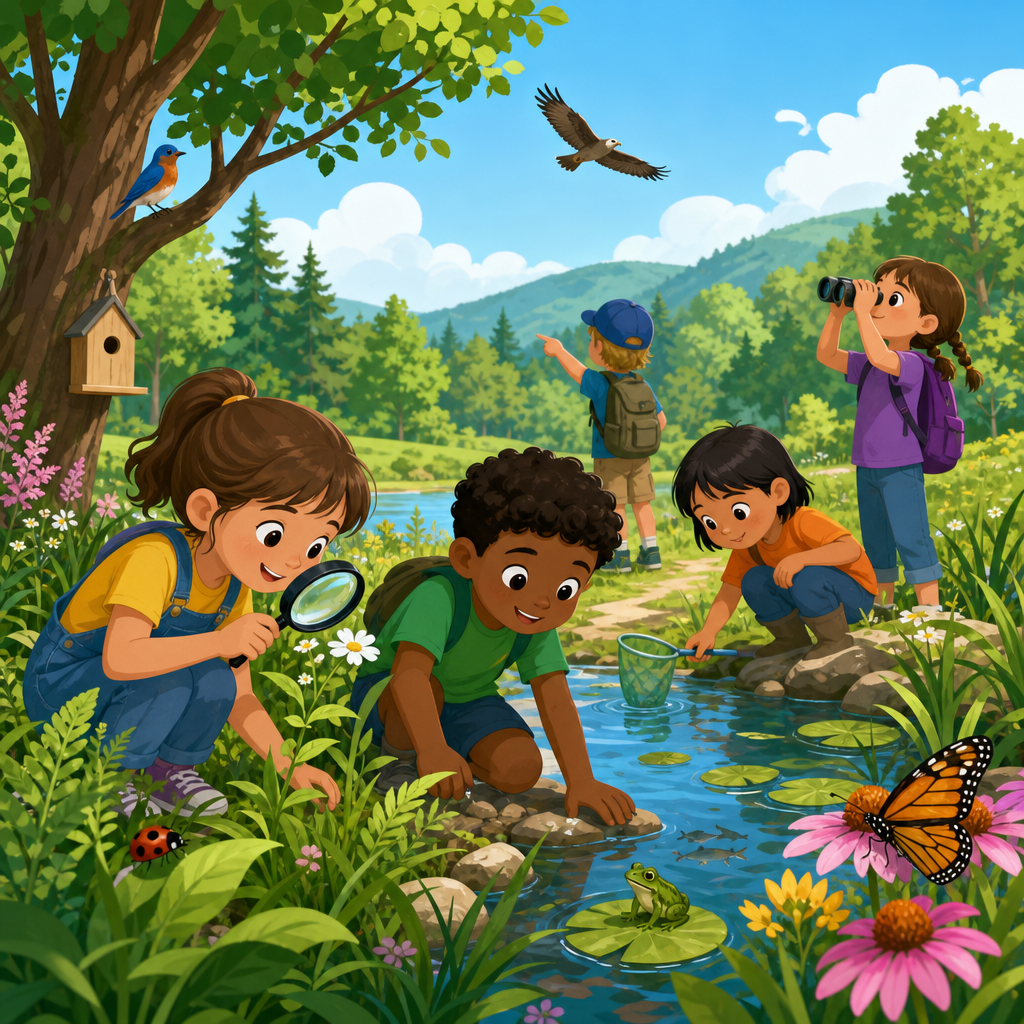
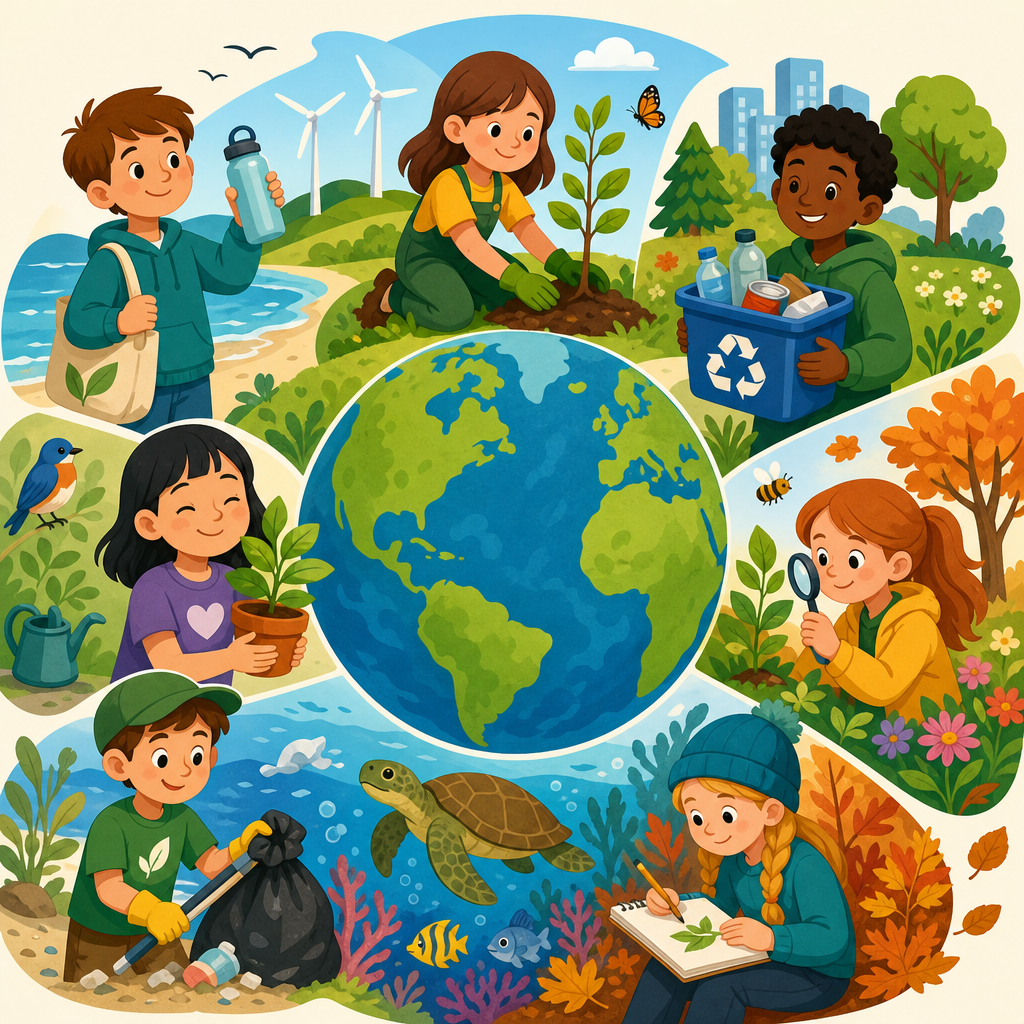
Ideas for monthly environmental themes and projects give schools, libraries, youth groups, and neighborhood organizations a practical way to turn good intentions into sustained action. I have helped plan yearlong green club calendars for elementary classrooms, high school service groups, and community education programs, and the biggest lesson is simple: people participate more consistently when sustainability feels organized, seasonal, and achievable. A monthly structure replaces vague goals like “be more eco-friendly” with clear topics, visible projects, and repeatable routines. For a hub page focused on how to start a green club, that structure matters because new clubs need momentum, not just mission statements.
A green club is an organized group that meets regularly to learn about environmental issues and complete projects that improve habits, spaces, or local systems. In schools, the club may sit under student activities, service learning, or science enrichment. In a library or community center, it may function as a volunteer program, workshop series, or civic engagement group. Environmental themes are broad topic categories such as waste reduction, biodiversity, water conservation, energy use, food systems, or climate action. Projects are the specific actions tied to those themes, from campus waste audits to pollinator gardens to repair workshops. When monthly environmental themes and projects are selected carefully, they create an easy entry point for recruiting members, assigning leadership roles, and showing results.
This matters because new clubs often fail for predictable reasons: meetings are irregular, activities are disconnected, leaders burn out, and members cannot explain the club’s purpose. A calendar solves much of that. It gives each month a focus, helps advisors secure permissions and materials early, and creates built-in communication for families and administrators. It also improves educational quality. Instead of treating sustainability as a single event around Earth Day, a monthly plan connects environmental literacy to science standards, civic responsibility, and everyday behavior. For readers looking for how to start a green club, the smartest first move is not buying supplies or making posters. It is building a year plan that balances awareness, action, and measurable outcomes.
How to Start a Green Club With a Monthly Theme Model
If you are starting from scratch, begin with a simple operating framework: purpose, people, schedule, projects, and proof of impact. In practice, I start by writing a one-sentence mission that is specific enough to guide decisions. “Reduce campus waste and build environmental leadership through monthly service projects” works better than “save the planet.” Next, recruit a small founding team. A reliable core of five to ten members is enough to launch successfully if roles are clear. Typical roles include chair or president, communications lead, project coordinator, data tracker, and outreach lead. In schools, identify an adult advisor early because room access, purchasing, transportation, and risk management usually depend on that person.
Then map the year before the first meeting. New organizers often ask whether they need all twelve months planned. The answer is yes at a high level and no at a detailed level. You need monthly themes outlined in advance so the club can market itself and align with seasonal opportunities, but individual activity details can be refined quarter by quarter. For example, a September waste theme can include a baseline trash audit, October can focus on energy conservation before winter demand rises, and April can feature a larger public event because Earth Month attracts attention. The monthly theme model makes it easier to connect meetings to outcomes. Every month should answer three questions directly: what will members learn, what will they do, and how will success be measured?
Set expectations that make the club sustainable. Monthly environmental themes and projects should fit available time and capacity. A strong pattern is one planning meeting, one hands-on project session, and one outreach action each month. Outreach might be a hallway display, morning announcement, newsletter item, or social post. Measure one or two key metrics per theme, such as pounds of waste diverted, number of native plants installed, or number of pledges collected for no-idling pickup zones. These metrics matter because administrators and funders support clubs that can show evidence. Tools like Google Forms, Sheets, Trello, and Canva are enough for most new clubs. If your organization uses project-based learning, service hours, or Eco-Schools style frameworks, a monthly theme calendar fits naturally.
Choosing Monthly Environmental Themes That Keep Members Engaged
The best monthly environmental themes and projects match local conditions, member age, and organizational constraints. A coastal school may emphasize stormwater and marine debris, while an urban campus may focus on air quality, transportation, and waste. Seasonal timing matters. Compost education works well when gardens are active, and energy themes often resonate during heating or cooling peaks when utility use is easier to discuss. A balanced annual sequence usually rotates among resource use, habitat, community health, and advocacy. This prevents the club from becoming too narrow and allows different students to find an entry point. I have found that retention improves when members know one month may be scientific, another creative, and another service-oriented.
Here is a practical year structure many clubs can adapt. September can center on waste and recycling with a baseline audit. October can focus on energy, including a classroom lights campaign and standby power education. November fits food systems, with cafeteria waste tracking and local food discussions. December works for mindful consumption, gift swaps, and repair. January can address water conservation and watershed awareness. February is good for air quality, no-idling education, and active transport. March aligns with biodiversity, seed starting, and habitat mapping. April naturally supports community cleanups, environmental art, and public events. May suits gardening and pollinator projects. Summer programs can shift to nature journaling, citizen science, and maintenance tasks. The key is not the exact order but the logic linking theme, season, and action.
| Month | Theme | Project Example | Metric to Track |
|---|---|---|---|
| September | Waste Reduction | Campus trash and recycling audit | Pounds by waste stream |
| October | Energy Conservation | Classroom shut-down campaign | Rooms participating |
| November | Food Systems | Cafeteria waste study | Food waste per lunch period |
| January | Water Stewardship | Leak check and bottle refill promotion | Refill station counts |
| March | Biodiversity | Native seed starting and habitat survey | Species observed or plants grown |
| April | Community Action | Earth Month cleanup or fair | Volunteers and bags collected |
When choosing themes, ask a direct question: can this topic produce a visible project within four weeks? If not, break it into smaller actions. “Climate change” is too broad for one month unless it is narrowed into something concrete like school energy data, transportation surveys, or climate storytelling. Likewise, recycling is often overused because it seems easy, but many clubs do not understand local recycling rules and accidentally spread misinformation. Always verify accepted materials with your municipal hauler or facilities team. Specificity builds trust. It is better to run a small but accurate plastic film education campaign than a broad recycling drive that contaminates existing systems.
Monthly Environmental Projects That Deliver Visible Results
Projects should be scoped so members can complete meaningful work without overwhelming volunteers or staff. A good project has a defined site, timeline, owner, and metric. For waste reduction, start with an audit. Sort a representative sample of trash using gloves, tarps, and labeled bins, then calculate what percentage could have been recycled, composted, or avoided. This gives the club baseline data and often reveals obvious fixes, such as confusing bin labels or a lack of compost options in one area. If your school or center is not ready for a full infrastructure change, begin with signage improvements and a single-location pilot. Small pilots are easier to approve and easier to evaluate.
Habitat and biodiversity projects work especially well for new clubs because results are visible and photogenic. Native planting around a school sign, courtyard, or fence line can create a strong identity project. The best practice is to choose regionally native species suited to sun, soil, and water conditions, not just “pollinator-friendly” plants from a garden center tag. Resources from state extension offices, Xerces Society plant lists, and local conservation districts are more reliable than generic internet lists. Add interpretation signs explaining host plants, pollinators, and bloom seasons. Members gain hands-on skills in site prep, mulching, maintenance scheduling, and observation. These are not minor details; long-term care determines whether a garden becomes an asset or a burden.
Energy and water projects can seem abstract, but they become powerful when tied to habits and facilities data. One club I supported used simple plug-load meters to show how monitors, chargers, and mini-fridges consumed electricity outside school hours. Another compared refill station counts before and after a reusable bottle campaign, then estimated avoided single-use containers. These projects work because they combine education with quantifiable impact. If utility data are available, graph monthly trends and discuss weather, occupancy, and behavior. If data are not available, use proxy measures like participation rates, room checks, or observation logs. The goal is not perfect science; it is credible, repeatable learning that leads to practical improvements.
Building Leadership, Partnerships, and Club Operations
How to start a green club successfully depends as much on operations as on passion. Meetings need an agenda, notes, and follow-through. I recommend a predictable structure: five minutes for updates, ten for learning, twenty for project work, ten for outreach planning, and five for commitments before the next meeting. That format respects members’ time and keeps projects moving. Shared documents are essential. Keep a live annual calendar, budget tracker, contact list, supply inventory, and project brief for each monthly theme. Project briefs should include objective, tasks, permissions, risks, budget, timeline, and success metric. This sounds formal, but it prevents confusion and makes leadership transitions smoother.
Partnerships multiply what a small club can do. Within a school, connect with custodial staff, facilities managers, cafeteria teams, science teachers, art teachers, and family associations. Custodians often know where contamination happens in waste systems. Garden managers know irrigation realities. Art teachers can turn a bulletin board into a powerful communication tool. Outside the organization, look for municipal sustainability offices, extension services, watershed groups, master gardeners, recycling coordinators, and local businesses willing to donate gloves, native plants, or printing. The most effective partnerships are specific. Instead of asking a city office to “support our club,” ask whether a staff member can speak during water month or lend litter grabbers for an April cleanup.
Funding should also be practical. New clubs rarely need large grants at first. Start with low-cost, high-visibility activities: audits, signage, surveys, seed starting, repair swaps, and cleanups. When you can show participation and results, apply for mini-grants from education foundations, parent groups, utility programs, or local environmental nonprofits. Budget for replacement supplies and maintenance, not just launch materials. A rain barrel, compost tumbler, or garden bed is only useful if someone owns upkeep. The clubs that last are not necessarily the most ambitious. They are the ones with realistic plans, distributed responsibility, and records that allow new students or volunteers to continue the work without reinventing everything.
Measuring Impact and Connecting the Hub to Future Learning
A hub article on monthly environmental themes and projects should help readers move from inspiration to implementation, and measurement is the bridge. Every green club needs a simple scorecard. Track participation, project outputs, and behavior change indicators. Participation includes meeting attendance, volunteer hours, and event turnout. Outputs include pounds collected, signs installed, plants established, or surveys completed. Behavior indicators might include increased use of refill stations, reduced contamination in recycling bins, or more classrooms following shut-down procedures. Keep before-and-after photos, member quotes, and short summaries because stories help explain data. A principal, grant reviewer, or family is more likely to support the club when evidence is both numerical and visible.
This page also functions as a hub for the broader “How to Start a Green Club” topic. Readers who are ready to go deeper should branch into focused resources on recruiting members, writing a mission statement, planning a first meeting, designing a school recycling program, creating a pollinator garden, running a waste audit, finding mini-grants, and evaluating environmental service projects. That internal structure matters because starting a club involves many smaller decisions. A hub should answer the main question completely while also signaling the next logical steps. In practice, monthly themes make that navigation easy. Each theme can link to a more detailed guide, and the club calendar becomes the organizing framework for the whole resource library.
Monthly environmental themes and projects give new green clubs a reliable path from interest to impact. They make planning easier, leadership clearer, and results easier to measure. Most important, they keep environmental action rooted in real places, real schedules, and real community needs. If you are learning how to start a green club, begin with a twelve-month outline, choose one manageable project per month, and track one meaningful metric for each. That simple system builds credibility fast. Start small, stay consistent, and let each month create the momentum for the next.
Frequently Asked Questions
What are monthly environmental themes, and why do they work so well for schools and community groups?
Monthly environmental themes are a simple planning framework that assigns one sustainability topic to each month, making environmental education and action easier to organize, teach, and sustain. Instead of trying to cover recycling, water conservation, climate awareness, gardening, waste reduction, biodiversity, energy use, and community service all at once, groups can focus on one area at a time. That structure helps participants understand the purpose behind each activity, see progress more clearly, and stay engaged without feeling overwhelmed.
This approach works especially well for schools, libraries, youth programs, and neighborhood organizations because it matches the way people naturally plan. Teachers think in units, program coordinators think in calendars, and volunteers respond better when expectations are clear and time-bound. A monthly theme creates a built-in rhythm: introduce the topic, explore it through hands-on learning, complete a project, reflect on results, and then move to the next focus area. That cycle keeps momentum going across the year.
It also makes sustainability feel more achievable. Many people want to participate in environmental projects, but broad goals like “be greener” or “help the planet” can feel vague. A monthly theme such as “waste-free lunches,” “pollinator gardens,” or “energy-saving habits” gives people a concrete starting point. When participants can connect one theme to practical actions in their daily lives, they are more likely to build habits that last beyond the month itself.
How do I choose environmental themes for each month of the year?
The strongest monthly environmental themes are seasonal, practical, and relevant to the people participating. Start by looking at what naturally fits your climate, school schedule, or community calendar. For example, spring is often ideal for gardening, pollinator awareness, tree planting, and litter cleanups. Summer works well for water conservation, outdoor habitat projects, and nature observation. Fall is a strong time for composting, food waste reduction, and harvest-related sustainability topics. Winter can focus on energy efficiency, climate education, indoor upcycling projects, and mindful consumption.
It also helps to connect themes to awareness events already recognized by schools and organizations. Earth Day, Arbor Day, World Water Day, Plastic Free July, and local clean-air or conservation campaigns can provide built-in visibility and support. These established observances make promotion easier because participants may already be familiar with them, and they can help your group tie local action to broader environmental conversations.
Another good strategy is to balance education with action. A successful annual calendar does not only teach concepts; it gives participants something meaningful to do. For example, a month focused on recycling can include a waste audit, signage improvements, and a collection challenge. A biodiversity month can include native plant lessons, bird counts, and habitat-building activities. Try to mix behavior-based themes, like reducing single-use plastics, with place-based themes, like improving a garden, trail, or campus landscape.
Finally, choose themes that match your group’s age, time, and resources. Elementary students may respond best to visible, hands-on topics like gardens, animals, and sorting waste. Older students and adult groups may be ready for deeper themes such as climate resilience, environmental justice, or sustainable transportation. The best theme calendar is not the most ambitious one; it is the one your group can carry out consistently and successfully.
What are some good examples of monthly environmental projects that keep people engaged?
The most effective monthly environmental projects are specific, visible, and easy for participants to understand. Projects that let people measure progress tend to be especially motivating. For a waste reduction month, a group might run a classroom or community waste audit, compare landfill and recycling habits, and then set a target for improvement. During a water conservation month, participants could track faucet use, promote shorter showers, install rain barrels where appropriate, or create educational displays about local watersheds.
Gardening and habitat projects are also excellent choices because they create tangible results. A spring theme might include starting seeds, planting native flowers, building pollinator stations, or creating a small community garden bed. In a biodiversity month, participants can identify local species, build bird feeders, install habitat signs, or contribute observations to citizen science platforms. These kinds of projects work well because they combine learning, teamwork, and a physical outcome people can revisit later.
Energy and consumption themes can also be highly engaging when framed as challenges. Groups can conduct an energy-saving week, compare classroom electricity habits, promote unplugging devices, or explore alternatives to disposable products. A sustainable food month could include composting lunch scraps, learning about local food systems, trying plant-forward recipes, or organizing a zero-waste snack event. The key is to turn abstract environmental ideas into actions that feel immediate and realistic.
To keep engagement strong all year, vary the format of your projects. Mix creative activities, data collection, service work, guest speakers, art displays, outdoor exploration, and team challenges. Repetition can reduce enthusiasm, but a changing format keeps participation fresh. If each month includes a clear goal, one memorable activity, and some way to celebrate progress, people are far more likely to stay involved from the first theme to the last.
How can I make monthly environmental themes realistic for busy staff, volunteers, and families?
The key to making monthly environmental themes realistic is to keep the structure simple and repeatable. Many programs lose momentum because they try to do too much too quickly. A better model is to create one theme per month with just a few core elements: a short introduction, one educational activity, one practical project, and one reflection or celebration. That formula is manageable for busy teachers, librarians, youth leaders, and volunteers because it provides consistency without requiring a major event every time.
It is also important to scale projects to your available time and capacity. A successful environmental calendar does not need expensive materials or constant planning meetings. In fact, some of the best projects are low-cost and easy to repeat, such as litter pickups, reuse drives, nature journaling, classroom energy checks, compost demonstrations, or poster campaigns. If families are involved, provide optional take-home actions that are simple and flexible, like reducing food waste for one week or tracking reusable water bottle use.
Shared responsibility makes a major difference. Rather than asking one staff member or coordinator to run the entire year, assign small roles to different people. One person can gather supplies, another can handle communication, and others can lead individual monthly activities based on their interests. Students, teen volunteers, or community members can also help present information, design signage, collect data, or document progress. When participants help lead, the program becomes more sustainable and more meaningful.
Finally, build your calendar with realism in mind. Expect some months to be lighter than others, especially around holidays, testing periods, or busy community seasons. It is perfectly acceptable to have a small awareness campaign one month and a bigger hands-on project the next. Consistency matters more than intensity. If people know the program is steady, organized, and doable, they are much more likely to keep showing up and participating.
How do I measure the success of a yearlong environmental theme calendar?
Success should be measured by more than attendance alone. A strong yearlong environmental program creates awareness, changes habits, and produces visible community impact over time. Start by identifying a few practical indicators connected to each monthly theme. For example, you might track the number of participants involved, bags of litter collected, pounds of recyclables diverted, garden beds planted, species observed, or energy-saving actions completed. These simple metrics help demonstrate progress in a way that feels concrete and motivating.
Behavior change is another important measure. If participants begin bringing reusable bottles, sorting materials correctly, reducing paper waste, or discussing sustainability more confidently, those are meaningful signs of success. Short surveys, reflection sheets, bulletin board responses, or group discussions can help capture what people learned and what habits they changed. In schools and youth programs, photos, journals, and project portfolios can also show how understanding developed across the year.
It is also worth looking at community visibility and long-term effects. Did your program improve a shared space, inspire new partnerships, increase family involvement, or make environmental topics more visible in your organization? Sometimes the biggest outcomes are cultural rather than numerical. A school that starts composting regularly, a library that adds seasonal sustainability programming, or a neighborhood group that creates recurring cleanups has moved from isolated events to lasting environmental practice.
The best evaluation process combines numbers, stories, and reflection. At the end of the year, review which themes generated the most enthusiasm, which projects were easiest to manage, and where participants had the strongest learning outcomes. That information will help you refine next year’s calendar so it becomes even more effective. In practice, a successful environmental theme program is one that people remember, repeat, and build on year after year.