Wastewater treatment protects public health, preserves aquatic ecosystems, and allows communities and industries to reuse water safely. In environmental chemistry, wastewater treatment refers to the controlled removal or transformation of contaminants in sewage, industrial effluent, and stormwater using physical, chemical, and biological processes. The core goal is straightforward: reduce solids, organic matter, nutrients, pathogens, metals, and toxic compounds to levels that meet discharge permits or reuse standards. In practice, the work is complex because wastewater composition changes hour by hour, and treatment systems must handle those shifts without losing performance.
Environmental chemistry sits at the center of this field because every treatment step depends on chemical behavior. pH determines metal solubility and disinfection efficiency. Oxidation-reduction reactions control ammonia conversion, sulfide formation, and advanced oxidation. Equilibrium chemistry affects phosphorus precipitation, alkalinity consumption, and carbon dioxide release. Surface chemistry influences coagulation, flocculation, adsorption, and membrane fouling. When I have evaluated treatment trains, the difference between stable compliance and repeated permit violations often came down to understanding these reactions rather than simply adding more equipment.
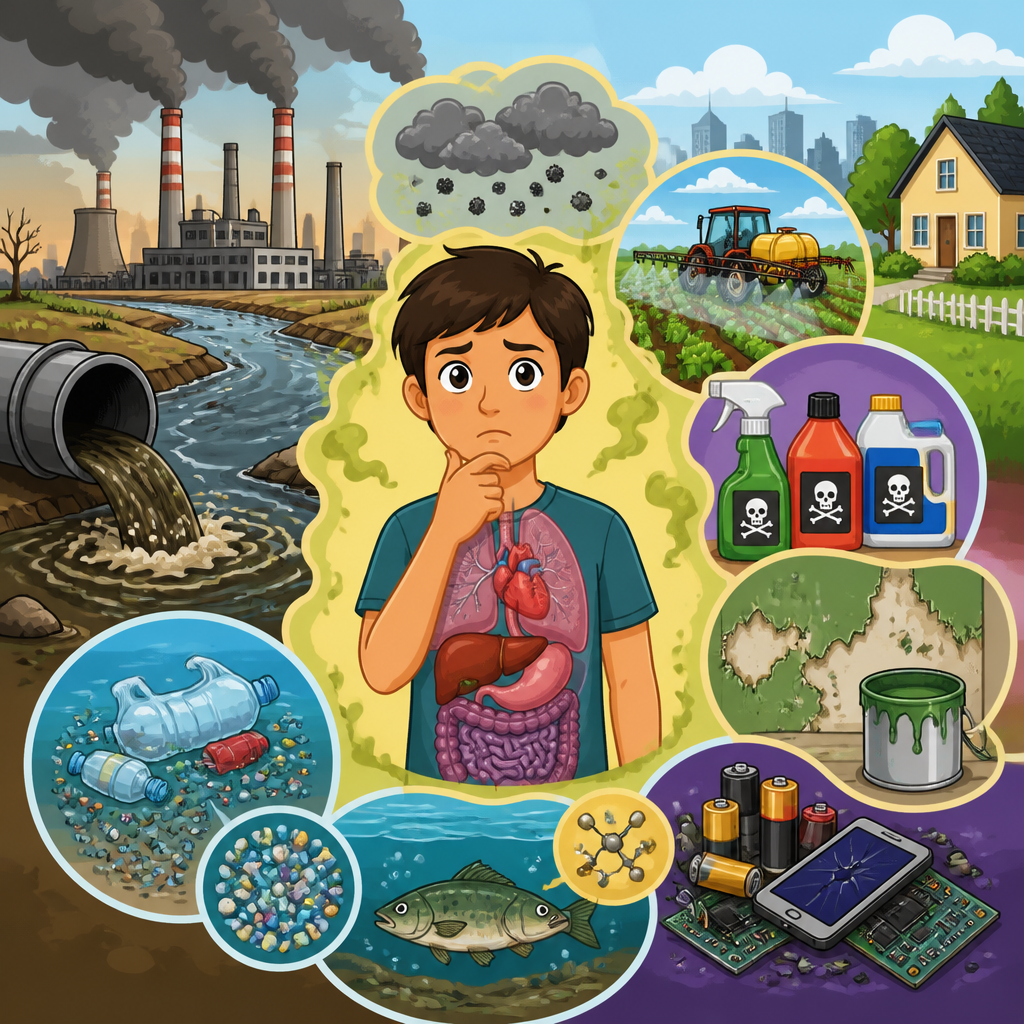
This subject matters because untreated or poorly treated wastewater causes measurable damage. High biochemical oxygen demand depletes dissolved oxygen and can trigger fish kills. Excess nitrogen and phosphorus drive eutrophication, harmful algal blooms, and dead zones. Pathogens spread gastrointestinal disease. Metals, solvents, pharmaceuticals, PFAS, and endocrine-active compounds can persist at low concentrations with long-term ecological consequences. Regulators therefore set limits for total suspended solids, BOD, chemical oxygen demand, ammonia, nitrate, phosphorus, fecal indicators, residual chlorine, and specific industrial pollutants. Treatment plants must meet those limits consistently, not just on average.
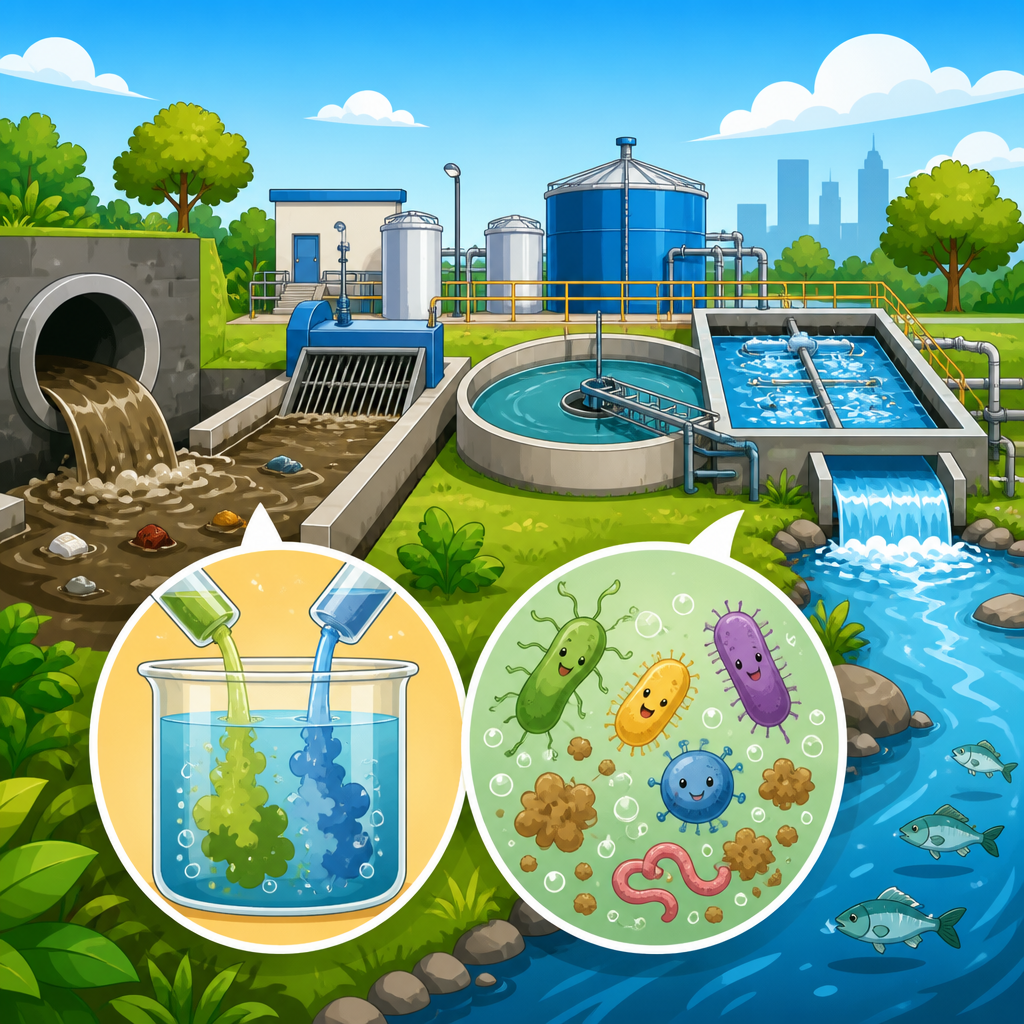
As a hub for environmental chemistry, this article explains how major wastewater treatment processes work, why operators select them, and where each process fits in a modern treatment train. It covers preliminary and primary removal, coagulation and precipitation, activated sludge and biofilm systems, nutrient removal, disinfection, sludge management, and emerging contaminant control. If you want a clear foundation for related topics such as water quality, aquatic toxicology, environmental monitoring, industrial wastewater, membrane treatment, and remediation chemistry, this is the page to start with.
How Wastewater Is Characterized Before Treatment
Effective treatment begins with characterization. Municipal wastewater usually contains suspended solids, biodegradable organics, nutrients, salts, oils, microorganisms, and trace household chemicals. Industrial wastewater may add acids, alkalis, surfactants, solvents, cyanide, phenols, dyes, metals, and high temperature or salinity. Engineers translate that mixture into measurable parameters. BOD estimates the oxygen microorganisms will consume while degrading biodegradable organic matter. COD measures the oxygen equivalent of chemically oxidizable material and is often higher than BOD because it captures compounds that microbes may not readily degrade. Total suspended solids quantify particles that settle or remain dispersed. Total Kjeldahl nitrogen, ammonia, nitrate, nitrite, and total phosphorus define nutrient loading. pH, alkalinity, conductivity, oxidation-reduction potential, and dissolved oxygen provide operating context.
Flow pattern matters as much as concentration. A plant receiving strong morning peaks, restaurant grease, infiltration during storms, and variable industrial discharges requires equalization or robust process control. Composite sampling reveals average load, while grab samples capture short toxicity events. In one industrial pretreatment review, we found compliance data looked acceptable on daily composites, yet short pH excursions from a batch cleaning line were disrupting downstream biological treatment. That kind of issue is common. Good chemistry data informs sizing, chemical dose, aeration demand, solids retention time, and sludge handling needs.
Chemical Processes in Wastewater Treatment
Chemical treatment is used to destabilize colloids, neutralize corrosive streams, precipitate dissolved contaminants, oxidize reduced compounds, and disinfect final effluent. Coagulation and flocculation are among the most common steps. Small suspended and colloidal particles often carry negative surface charge, which keeps them dispersed. Coagulants such as alum, ferric chloride, ferric sulfate, and polyaluminum chloride neutralize charge and form hydroxide precipitates that sweep particles from solution. Polymers then bridge those particles into larger flocs that settle faster. Jar testing is the standard method for selecting dose and pH range because overdosing can restabilize particles or create excess sludge.
Chemical precipitation is essential for phosphorus and metals removal. Orthophosphate reacts with aluminum, iron, or calcium to form insoluble solids that can be settled and wasted. Lime softening raises pH enough to precipitate calcium carbonate, magnesium hydroxide, and some metals. For metal-bearing wastewater, hydroxide precipitation is common, but sulfide precipitation may be preferred for lower solubility with cadmium, lead, or copper. The tradeoff is safety and odor control because sulfide chemistry can generate hydrogen sulfide under acidic conditions. Neutralization also matters. Acidic pickling wastewater, alkaline cleaning solutions, and landfill leachate often need pH adjustment with sulfuric acid, sodium hydroxide, lime, or carbon dioxide before downstream treatment works reliably.
Oxidation and reduction processes target specific contaminants. Chlorine, sodium hypochlorite, chlorine dioxide, ozone, permanganate, hydrogen peroxide, and Fenton chemistry are all used under defined conditions. Ferrous iron can be oxidized to ferric iron for better settling. Cyanide may be destroyed by alkaline chlorination. Sulfides can be oxidized to sulfate. Advanced oxidation processes generate hydroxyl radicals capable of attacking recalcitrant organics such as some solvents and pharmaceutical residues, though energy and reagent costs are significant. Chemical treatment is fast and controllable, but it rarely stands alone for municipal wastewater because operating costs and sludge generation rise quickly.
| Process | Main purpose | Typical chemicals or conditions | Key limitation |
|---|---|---|---|
| Coagulation and flocculation | Remove colloids, color, suspended solids | Alum, ferric salts, polymers, controlled mixing | Produces chemical sludge; dose is pH sensitive |
| Phosphorus precipitation | Reduce orthophosphate and total phosphorus | Ferric chloride, alum, lime | Increases solids production and chemical cost |
| Neutralization | Adjust pH for discharge or biology | Acid, caustic, lime, carbon dioxide | Poor control can cause scaling or toxicity |
| Oxidation | Destroy reduced compounds or refractory organics | Ozone, peroxide, chlorine, permanganate | Can be energy intensive and selective |
| Disinfection | Inactivate pathogens before discharge or reuse | Chlorine, UV, ozone | Byproducts or reduced efficacy in turbid water |
Biological Processes in Wastewater Treatment
Biological treatment uses microorganisms to convert dissolved and fine particulate pollutants into new biomass, carbon dioxide, water, and stable end products. The most important principle is that microbes need the right environment: adequate oxygen or a suitable electron acceptor, balanced nutrients, enough contact time, and protection from toxic shocks. Aerobic systems dominate municipal treatment because they reliably remove BOD and ammonia. In activated sludge, wastewater enters an aeration basin where suspended microbial flocs metabolize organics. The mixed liquor then flows to a secondary clarifier, solids settle, and a portion of that biomass returns as return activated sludge. Operators control sludge age, food-to-microorganism ratio, dissolved oxygen, and settleability to maintain performance.
Biofilm systems attach microorganisms to media instead of keeping them fully suspended. Trickling filters pass wastewater over rock or plastic media coated with biofilm. Rotating biological contactors alternately expose biofilm to wastewater and air. Moving bed biofilm reactors suspend protected plastic carriers in aeration tanks, combining biofilm stability with compact reactor design. I have seen moving bed systems perform especially well in plants needing nitrification within limited footprint because nitrifiers benefit from retained biomass and reduced washout risk. Sequencing batch reactors, oxidation ditches, and membrane bioreactors are other major biological configurations, each chosen for site constraints, effluent limits, and operator capacity.
Anaerobic treatment is valuable for high-strength industrial wastewater and sludge digestion. In the absence of oxygen, consortia of hydrolytic, acidogenic, acetogenic, and methanogenic microorganisms convert organics to biogas rich in methane and carbon dioxide. Upflow anaerobic sludge blanket reactors and anaerobic digesters can recover energy while reducing solids. However, anaerobic systems are more sensitive to pH drops, toxic compounds, temperature changes, and overloading. They also require careful alkalinity management because methanogens perform best near neutral pH. Biological treatment is efficient and scalable, but it depends on steady operation, process monitoring, and respect for microbial ecology.
Primary, Secondary, and Tertiary Treatment as a Process Train
Most municipal plants combine processes in stages. Preliminary treatment removes rags, grit, and debris using bar screens, comminutors, and grit chambers. This step protects pumps, valves, and clarifiers from abrasion and blockage. Primary treatment follows in sedimentation tanks, where heavier solids settle and floatable grease is skimmed. Primary clarification can remove a substantial fraction of suspended solids and BOD before any aeration energy is spent. Chemically assisted primary treatment may improve capture when high-rate treatment or phosphorus removal is required.
Secondary treatment is usually biological, supported by secondary clarification. Its job is to remove dissolved and fine particulate organic matter and, in many facilities, nitrify ammonia. Tertiary or advanced treatment polishes the effluent. Depending on permit requirements, this can include filtration, additional nutrient removal, activated carbon adsorption, membranes, ion exchange, advanced oxidation, and disinfection. Water reuse projects often add ultrafiltration and reverse osmosis, especially where reclaimed water will support indirect potable reuse or industrial process applications. Thinking in terms of a treatment train is useful because no single unit process solves every problem. Each step prepares water for the next one and reduces the burden downstream.
Nutrient Removal, Disinfection, and Sludge Management
Nutrient removal is one of the defining challenges in modern wastewater treatment. Ammonia is toxic to aquatic life and exerts oxygen demand, so many plants oxidize it biologically through nitrification. Ammonia-oxidizing organisms convert ammonia to nitrite, and nitrite-oxidizing organisms convert nitrite to nitrate. This process consumes oxygen and alkalinity, which is why low alkalinity influent can destabilize nitrification. To remove total nitrogen rather than just transform ammonia, denitrification follows under anoxic conditions. Heterotrophic bacteria use nitrate as an electron acceptor and convert it to nitrogen gas, which escapes harmlessly to the atmosphere. Biological phosphorus removal relies on phosphorus-accumulating organisms cycling through anaerobic and aerobic zones, while chemical polishing is often added to consistently meet low effluent phosphorus limits.
Disinfection is the last barrier before discharge or reuse. Chlorination is widely used because it provides a measurable residual, but it can form disinfection byproducts and may require dechlorination with sulfur dioxide or sodium bisulfite. Ultraviolet disinfection avoids residual chemicals and is highly effective when effluent turbidity is low and lamp systems are properly maintained. Ozone is powerful and improves color and odor, yet capital and power costs are higher. Selection depends on target organisms, contact time, effluent quality, and receiving water sensitivity.
Sludge management is inseparable from liquid treatment because every removal process creates residuals. Primary sludge, waste activated sludge, and chemical sludges must be thickened, stabilized, dewatered, and disposed of or beneficially reused. Anaerobic digestion reduces volatile solids and generates biogas. Dewatering equipment such as belt filter presses, centrifuges, and screw presses lowers hauling costs. Land application, composting, incineration, and landfill remain common end points, subject to contaminant limits and local regulation.
Emerging Contaminants, Monitoring, and Future Directions
Conventional treatment was designed mainly for solids, BOD, pathogens, and nutrients, not the full range of trace contaminants now detected by advanced analytical methods. PFAS, pharmaceuticals, personal care products, microplastics, quaternary ammonium compounds, and antibiotic resistance markers present new challenges because they may persist through standard biological systems. Adsorption onto powdered or granular activated carbon, ion exchange resins, high-pressure membranes, and advanced oxidation are among the leading control strategies, but none is universally best. PFAS, for example, are transferred effectively to carbon or resin media, yet destruction usually requires separate high-energy treatment or specialized thermal processes for spent media or concentrates.
Monitoring and automation are becoming central to treatment reliability. Online sensors for ammonia, nitrate, phosphate, dissolved oxygen, turbidity, mixed liquor suspended solids, oxidation-reduction potential, and UV254 allow tighter control of aeration, chemical feed, and recycle rates. Supervisory control and data acquisition systems help operators respond before compliance drifts. Regulatory frameworks such as the Clean Water Act in the United States and comparable discharge permitting systems elsewhere continue to push plants toward lower nutrient limits and stronger resilience planning. Climate change adds urgency because intense storms increase inflow variability, while drought raises the value of water reuse.
Wastewater treatment is one of the clearest examples of environmental chemistry serving society at scale. Chemical processes remove colloids, nutrients, metals, and pathogens with speed and precision. Biological processes convert dissolved pollution into stable forms using carefully managed microbial communities. The best plants integrate both approaches in a treatment train matched to influent chemistry, flow variation, discharge limits, and reuse goals. If you are building your understanding of environmental science, master this topic first, then explore connected subjects such as water quality analysis, industrial effluent control, membrane systems, and remediation to deepen your expertise.
Frequently Asked Questions
What is wastewater treatment, and why is it so important?
Wastewater treatment is the systematic process of removing, reducing, or transforming contaminants in used water before it is discharged into the environment or reused. That used water can come from homes, businesses, factories, farms, and stormwater runoff. In practical terms, treatment targets pollutants such as suspended solids, biodegradable organic matter, nutrients like nitrogen and phosphorus, disease-causing microorganisms, metals, oils, and synthetic chemicals. The purpose is not simply to “clean” water in a general sense, but to reduce contaminants to levels that protect human health, comply with discharge permits, and prevent harm to rivers, lakes, groundwater, and coastal ecosystems.
Its importance is hard to overstate. Untreated or poorly treated wastewater can deplete dissolved oxygen in receiving waters, trigger algal blooms, spread pathogens, contaminate drinking water sources, and damage aquatic habitats. It can also create odors, corrode infrastructure, and expose communities to toxic substances. Effective treatment helps municipalities manage sanitation responsibly, supports industrial operations, and makes water reuse possible for irrigation, cooling, cleaning, and in some cases advanced potable reuse. From an environmental chemistry perspective, wastewater treatment is essential because it applies controlled physical, chemical, and biological reactions to convert unstable or hazardous wastes into safer forms. In short, it is one of the most important public health and environmental protection systems in modern society.
What is the difference between chemical and biological wastewater treatment processes?
Chemical and biological wastewater treatment processes differ mainly in how they remove contaminants. Chemical treatment relies on added reagents and controlled reactions to destabilize particles, neutralize pH, oxidize pollutants, precipitate dissolved substances, or disinfect pathogens. Common examples include coagulation and flocculation for suspended solids removal, pH adjustment using acids or bases, phosphorus precipitation with aluminum or iron salts, oxidation with chlorine, ozone, or hydrogen peroxide, and metal removal through hydroxide or sulfide precipitation. These methods are especially useful when contaminants do not respond well to biological activity, when rapid treatment is needed, or when wastewater contains industrial compounds, toxic chemicals, or highly variable loads.
Biological treatment, by contrast, uses microorganisms such as bacteria, protozoa, and sometimes fungi to break down biodegradable organic matter and transform nutrients. In activated sludge systems, trickling filters, rotating biological contactors, lagoons, and membrane bioreactors, microbes consume dissolved and suspended organics as a food source. They also participate in nutrient conversion pathways, such as nitrification, where ammonia is oxidized to nitrate, and denitrification, where nitrate is reduced to nitrogen gas. Biological methods are highly effective for municipal sewage and many organic-rich industrial wastewaters because they can achieve substantial reductions in biochemical oxygen demand, chemical oxygen demand, and nutrients at a relatively reasonable operating cost.
In real-world treatment plants, these approaches are rarely used in isolation. Most facilities combine them. A plant may use biological treatment as the main step for removing organic matter, then chemical treatment to polish effluent, remove phosphorus, control odor, or disinfect final discharge. The best treatment strategy depends on wastewater composition, regulatory limits, flow variability, sludge handling needs, and whether the water is intended for discharge or reuse.
How do chemical treatment processes work in wastewater treatment?
Chemical treatment works by introducing specific reagents that cause targeted reactions with contaminants. One of the most common examples is coagulation and flocculation. In this process, chemicals such as alum, ferric chloride, or polymer coagulants are added to destabilize fine suspended particles and colloids that would otherwise remain dispersed in water. Once destabilized, these particles collide and bind together into larger aggregates called flocs, which can then be removed by sedimentation, flotation, or filtration. This step improves clarity and reduces the load on downstream treatment units.
Another major chemical function is pH control. Many treatment processes operate best within a narrow pH range, and industrial wastewaters in particular may be too acidic or too alkaline. Operators add chemicals such as lime, sodium hydroxide, sulfuric acid, or carbon dioxide to adjust pH so metals can precipitate properly, biological systems remain stable, and final effluent meets permit requirements. Chemical precipitation is also widely used to remove dissolved pollutants. For example, phosphorus can be converted into insoluble compounds using iron, aluminum, or calcium salts, while metals such as chromium, copper, lead, and zinc may be precipitated as hydroxides or sulfides and separated from the water as sludge.
Oxidation and disinfection are also central to chemical treatment. Oxidizing agents such as chlorine, ozone, hydrogen peroxide, or permanganate can break down odor-causing compounds, reduce color, destroy some toxic organics, and inactivate microorganisms. In advanced systems, combinations such as ozone with hydrogen peroxide generate highly reactive radicals that attack persistent contaminants. The key advantage of chemical treatment is control: operators can rapidly target specific pollutants and respond to changing wastewater characteristics. The tradeoff is that chemicals must be carefully selected, dosed, and monitored to avoid excessive cost, residual byproducts, corrosion issues, or unnecessary sludge production.
How do biological wastewater treatment systems remove organic matter and nutrients?
Biological treatment systems remove pollutants by creating conditions in which beneficial microorganisms can grow and metabolize contaminants. The most important target is biodegradable organic matter, often measured as biochemical oxygen demand or chemical oxygen demand. In systems such as activated sludge, wastewater is mixed with a concentrated microbial community under aerated conditions. The microorganisms consume dissolved and fine particulate organics as food, converting them into new biomass, carbon dioxide, water, and other stable end products. After aeration, the mixture flows to a clarifier, where the biomass settles out, allowing treated water to be separated from the biological solids. Some of the settled biomass is returned to maintain the microbial population, while the rest is removed as waste sludge.
Biological systems also play a crucial role in nutrient removal, particularly for nitrogen. Under aerobic conditions, specialized bacteria carry out nitrification, converting ammonia to nitrite and then nitrate. Because nitrate is still a pollutant in many receiving waters, plants often include anoxic zones where different bacteria perform denitrification, using nitrate as an oxygen source and converting it to nitrogen gas that escapes harmlessly to the atmosphere. This multi-stage control of oxygen conditions is a hallmark of modern nutrient management. Phosphorus can also be reduced biologically in enhanced biological phosphorus removal systems, where certain microorganisms take up phosphorus in excess of their metabolic needs and remove it from the system when waste sludge is withdrawn.
The effectiveness of biological treatment depends on stable operating conditions. Microbes need adequate oxygen, appropriate temperature, balanced nutrients, sufficient contact time, and protection from toxic shocks. Industrial discharges containing solvents, heavy metals, or extreme pH can inhibit biological activity if not pretreated. Even so, when properly designed and operated, biological treatment is one of the most efficient and economical ways to reduce organic pollution and nutrients. It is the backbone of most municipal wastewater treatment plants because it harnesses natural biochemical pathways in a controlled engineering setting.
What happens after treatment, and how is treated wastewater reused or discharged safely?
After the main treatment stages are complete, wastewater typically goes through final polishing and verification before discharge or reuse. This may include tertiary filtration, nutrient polishing, activated carbon adsorption, membrane separation, and disinfection with chlorine, ultraviolet light, or ozone. The exact sequence depends on the required effluent quality. If the water is being discharged to a river, lake, estuary, or ocean outfall, it must meet permit limits established to protect receiving waters and public health. These limits often regulate parameters such as total suspended solids, biochemical oxygen demand, ammonia, total nitrogen, total phosphorus, fecal indicator bacteria, residual chlorine, pH, and sometimes specific toxic pollutants such as metals or industrial organics.
If the treated water is intended for reuse, quality standards can be even more specific. Reclaimed water may be used for landscape irrigation, agricultural irrigation, industrial cooling, boiler feed after further treatment, toilet flushing, groundwater recharge, or advanced potable reuse. Higher-value applications require additional barriers such as ultrafiltration, reverse osmosis, and advanced oxidation to remove trace organics, salts, and pathogens with a very high degree of reliability. Reuse programs depend not only on treatment performance, but also on monitoring, storage, distribution controls, and public confidence in the safety of the process.
Another important part of “what happens after treatment” is solids management. Chemical and biological processes generate sludge that contains concentrated contaminants and biomass. That sludge must be thickened, stabilized, dewatered, and either disposed of or beneficially reused, depending on its composition and regulatory status. Many facilities use anaerobic digestion to reduce sludge volume and produce biogas, turning a waste stream into an energy resource. So, safe wastewater treatment does not end when the water looks clear. It includes final disinfection, compliance monitoring, responsible effluent release or reuse, and careful management of residual solids to ensure the entire process protects people and the environment.