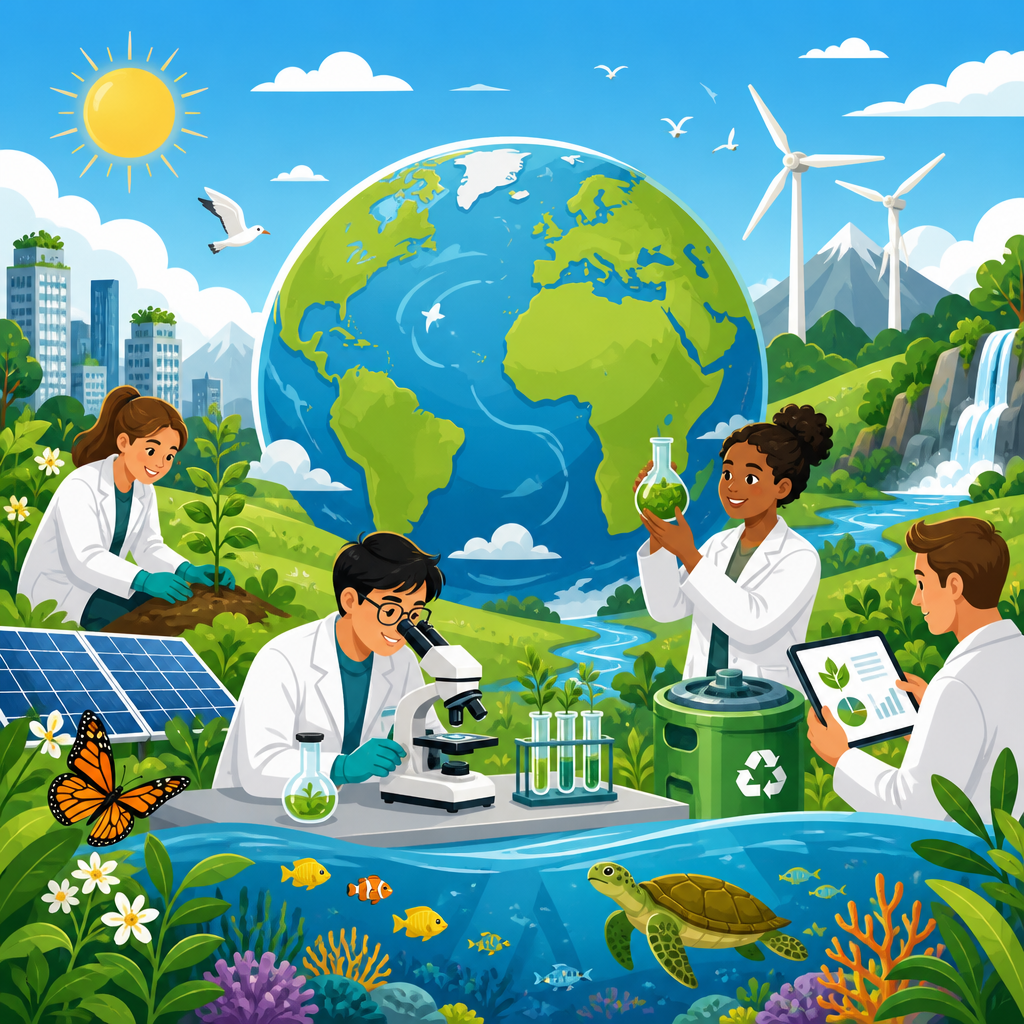
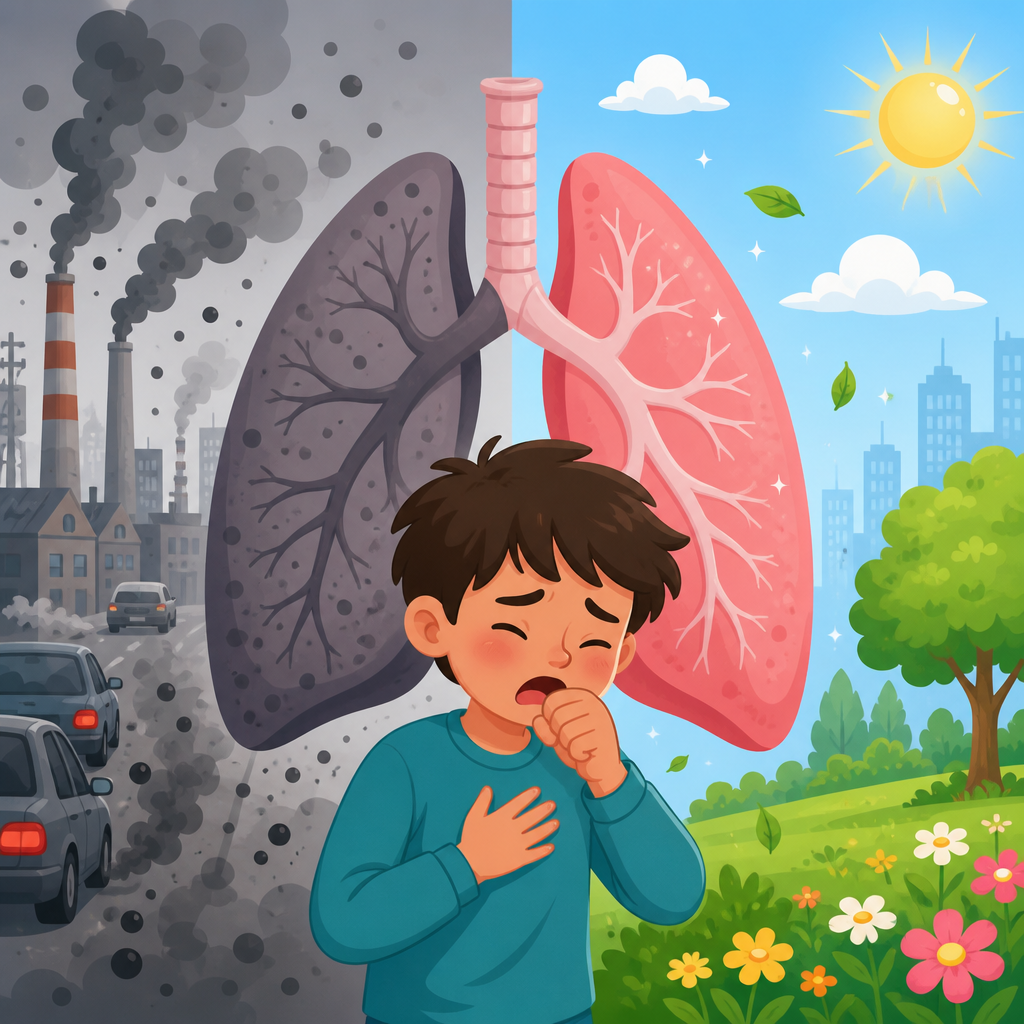
Ecosystem services are the life-support benefits people receive from nature, and understanding them is essential to understanding ecology and ecosystems. Forests filter water, wetlands reduce flooding, soils cycle nutrients, pollinators support crops, oceans store carbon, and green spaces improve mental health. These functions are not side effects of nature; they are the operating systems that make human societies possible. In environmental science, the term ecosystem services helps translate ecological processes into practical human terms without reducing nature to money alone. It connects biodiversity, climate, land use, agriculture, public health, and economics into one framework that explains why ecological integrity matters in daily life.
In practice, ecosystem services are usually grouped into four categories: provisioning, regulating, cultural, and supporting services. Provisioning services include food, freshwater, timber, fiber, and medicinal resources. Regulating services include climate regulation, water purification, erosion control, pollination, and disease moderation. Cultural services include recreation, spiritual value, education, and a sense of place. Supporting services, sometimes described as underlying ecological functions, include soil formation, nutrient cycling, and primary production. I have found that this classification helps students and policy teams move from abstract environmental concern to concrete questions: What service is being provided, what species or habitats support it, and what happens if that system is degraded?
This topic matters because modern economies often treat ecosystems as inexhaustible until a failure becomes visible. A city notices a watershed only after reservoir quality declines. Farmers notice pollinators when fruit set drops. Coastal communities notice wetlands after storm surges travel farther inland. The Millennium Ecosystem Assessment, a landmark global review, concluded that many ecosystem services were being degraded or used unsustainably. More recent assessments from the Intergovernmental Science-Policy Platform on Biodiversity and Ecosystem Services have reinforced the same message: biodiversity loss directly threatens human well-being. As a hub for ecology and ecosystems, this article explains the core ideas, the main service types, the role of biodiversity, major threats, and the practical tools used to conserve and restore natural systems.
What ecology and ecosystems mean in environmental science
Ecology is the study of relationships among organisms and their environment. An ecosystem is a community of living organisms interacting with nonliving components such as water, soil, air, nutrients, and climate. Those interactions determine energy flow and nutrient cycling, which in turn shape ecosystem services. A forest ecosystem does more than hold trees. It includes fungi that connect roots through mycorrhizal networks, insects that pollinate understory plants, microbes that decompose leaf litter, predators that regulate herbivores, and streams that transport sediments and dissolved nutrients. When these relationships stay intact, ecosystems tend to be more resilient, meaning they can absorb disturbance and still function.
Scale matters. A pond, a grassland, an estuary, and the entire biosphere can each be studied as ecosystems. Services also operate across scales. Bees pollinate within fields and landscapes, while forests influence regional rainfall patterns and oceans affect global climate. Ecologists analyze trophic levels, food webs, carrying capacity, succession, keystone species, disturbance regimes, and habitat connectivity because these concepts explain why ecosystems produce reliable benefits over time. For example, after wildfire, some forests regenerate naturally through succession, but repeated severe burns combined with drought can push the system toward shrubland, changing water yield, carbon storage, and habitat quality.
The four major categories of ecosystem services
The standard four-part framework remains useful because it captures both direct goods and hidden life-support processes. Provisioning services are easiest to recognize because they produce tangible materials. Fisheries provide protein for billions of people. Forests provide timber and fuelwood. Freshwater systems supply drinking water and irrigation. Wild species and genetic diversity also underpin crop breeding and pharmaceutical discovery. Regulating services are often undervalued because they operate quietly until damaged. Mangroves reduce wave energy, peatlands store carbon, predators can suppress pest populations, and wetlands remove excess nitrogen and phosphorus from runoff.
Cultural services are equally real even though they are harder to measure. National parks support tourism, outdoor learning, and identity. Urban trees reduce heat stress while making neighborhoods more livable. Indigenous communities often maintain profound place-based relationships with ecosystems that carry legal, ethical, and historical significance. Supporting services sit beneath all the others. Without photosynthesis, soil biota, decomposition, and nutrient cycling, provisioning and regulating services collapse. Some frameworks fold supporting functions into the other categories to avoid double counting, but the core lesson remains: ecosystem services depend on ecological processes, not just on the visible presence of plants and animals.
| Service category | What it includes | Plain-language example | Why it matters to people |
|---|---|---|---|
| Provisioning | Food, freshwater, timber, fiber, medicines | Marine fisheries supplying coastal diets | Supports nutrition, livelihoods, and industry |
| Regulating | Climate control, flood reduction, pollination, water filtration | Wetlands trapping sediments and slowing stormwater | Reduces disaster risk and treatment costs |
| Cultural | Recreation, education, spiritual and aesthetic value | Urban parks improving mental well-being | Strengthens health, community, and identity |
| Supporting | Soil formation, nutrient cycling, primary production | Soil microbes releasing nutrients for crops | Makes every other service possible |
Provisioning services: the materials nature supplies
Provisioning services are the products ecosystems deliver directly. Agriculture depends on fertile soil, reliable rainfall, wild pollinators, genetic diversity, and freshwater. Fisheries depend on nursery habitats such as mangroves, seagrass beds, coral reefs, and estuaries. Forest products range from construction timber to resins, fruits, mushrooms, and medicinal plants. Even advanced industrial systems remain biologically dependent. Roughly half of the world’s habitable land is used for agriculture, yet productivity ultimately rests on ecological foundations like nutrient cycling and soil structure. When topsoil erodes or aquifers are overdrawn, production becomes more expensive and less secure.
One of the clearest examples is crop pollination. Not all crops require animal pollinators, but many high-value fruits, nuts, and vegetables do. Bees, flies, butterflies, moths, beetles, and even some birds and bats contribute. In farming regions where hedgerows, wildflower margins, and nesting habitat remain, pollination is typically more stable. Where landscapes are simplified into large monocultures with heavy pesticide pressure, pollination can become fragile. I have seen growers add habitat strips not for public relations, but because better pollinator activity improved yield consistency. Provisioning services therefore include not only wild harvests, but also the ecological support that keeps managed production systems viable.
Regulating services: nature as infrastructure
Regulating services are often the most cost-effective form of infrastructure because ecosystems perform complex protective functions continuously. Forested watersheds improve water quality by intercepting rainfall, stabilizing soils, and reducing sediment delivery to reservoirs. Wetlands absorb and slow runoff, lowering downstream flood peaks. Coastal dunes, reefs, marshes, and mangroves reduce erosion and storm damage. Vegetation also moderates temperature through shade and evapotranspiration, which is why urban tree cover is increasingly treated as public-health infrastructure during heat waves.
Climate regulation is especially important. Oceans, forests, soils, and peatlands store enormous quantities of carbon. When these systems are conserved, they help limit atmospheric greenhouse gas concentrations. When they are drained, burned, or cleared, they become emissions sources. Disease regulation is another overlooked service. Biodiverse systems can influence host-pathogen dynamics, vector habitat, and water quality, although the relationships are complex and context dependent. Pest control offers a simpler illustration: birds, bats, predatory insects, and parasitoid wasps can suppress agricultural pests, reducing crop losses and, in some cases, pesticide dependence. These benefits rarely appear on utility bills, yet replacing them with engineered systems is usually expensive.
Cultural services: health, learning, and identity
Cultural ecosystem services link nature to quality of life. People use landscapes and seascapes for recreation, education, spiritual practice, artistic inspiration, and social connection. These benefits are measurable. Studies consistently associate access to green space with reduced stress, improved attention, better physical activity levels, and lower urban heat exposure. Schoolyard vegetation can support outdoor learning, and protected areas generate local income through tourism and guiding. Cultural value is also deeply tied to heritage. Rivers, forests, and coastlines often carry stories, practices, and identities that cannot be replaced once ecological change crosses a threshold.
These services are frequently underestimated because they do not move through conventional markets. Yet city planners increasingly map park access, tree canopy, and trail networks because they affect public health and neighborhood equity. Indigenous stewardship provides an essential perspective here. In many regions, long-managed cultural landscapes hold high biodiversity precisely because people maintained them through careful burning, harvesting, and seasonal use. Treating humans and nature as entirely separate can obscure this history. Good ecosystem management recognizes that cultural services are not optional extras. They are part of how societies remain healthy, educated, and connected to place.
Supporting services and the hidden processes beneath life
Supporting services are the foundational ecological processes that allow all other services to exist. Photosynthesis captures solar energy and builds biomass. Decomposition breaks down organic matter and returns nutrients to circulation. Nitrogen fixation by microbes makes essential nutrients biologically available. Soil formation creates the medium that stores water, anchors roots, and hosts microbial life. Primary production in phytoplankton supports marine food webs just as plant growth supports terrestrial ones. These processes are easy to ignore because they are diffuse and continuous, but when they weaken, every visible benefit begins to decline.
Soil offers a practical example. Healthy soil is not just dirt; it is a structured living system containing minerals, organic matter, fungi, bacteria, invertebrates, air, and water. Its aggregate stability affects infiltration, root growth, and erosion resistance. In degraded soils, rainfall runs off faster, nutrients leach away, and crop resilience drops. Restoration often starts by rebuilding supporting services through cover crops, reduced tillage, compost, rotational grazing, or rewetting drained peat soils. In other words, long-term environmental performance depends less on extracting maximum output in one season and more on maintaining the underlying ecological engine.
Biodiversity, resilience, and why ecosystem complexity matters
Biodiversity strengthens ecosystem services because diversity spreads risk and supports functional redundancy. If one pollinator species declines, others may partly compensate. If a disease affects one tree species, a mixed forest is less likely to fail completely than a uniform plantation. Diversity also increases the chance that some organisms will tolerate drought, heat, salinity, or disturbance. Ecologists distinguish genetic diversity, species diversity, and ecosystem diversity because each contributes to resilience in different ways. Keystone species, such as sea otters in kelp systems or beavers in freshwater landscapes, can have outsized effects on service delivery relative to their abundance.
Complexity does not mean every ecosystem is equally stable under every pressure. Coral reefs, for example, are extraordinarily productive and biodiverse, yet highly sensitive to warming and acidification. Grasslands may tolerate fire well but be vulnerable to fragmentation. The key point is that functioning ecosystems are networks, not collections of isolated species. Conservation strategies that protect only a single charismatic organism often fail if habitat quality, food webs, hydrology, or migration routes are ignored. Effective management looks at landscape connectivity, disturbance patterns, invasive species, and long-term monitoring because services persist only when ecological relationships persist.
Major threats to ecosystem services
The main drivers of ecosystem-service loss are land-use change, habitat fragmentation, pollution, overexploitation, invasive species, and climate change. Converting forests, wetlands, and grasslands to roads, mines, or intensive development removes habitat and alters hydrology. Fragmentation isolates populations and weakens ecological flows such as migration and seed dispersal. Nutrient pollution from fertilizers can trigger eutrophication, producing algal blooms, oxygen depletion, and fish kills. Overfishing reduces food supply and destabilizes marine food webs. Invasive species can outcompete natives, alter fire regimes, and disrupt ecosystem function. Climate change intensifies nearly every pressure by shifting temperature, rainfall, sea level, and disturbance patterns.
These drivers often interact. A drought-stressed forest fragmented by roads is more vulnerable to pests and severe fire. A coastal wetland squeezed between sea-level rise and urban development cannot migrate inland. A river already burdened by nutrient runoff becomes even more stressed during heat waves. Environmental science increasingly focuses on cumulative impacts because ecosystems rarely fail for one reason alone. The practical implication is clear: protecting services requires integrated management across watersheds, coastlines, farms, cities, and protected areas rather than isolated single-issue fixes.
How ecosystem services are measured, valued, and protected
Scientists and planners assess ecosystem services using field surveys, remote sensing, hydrologic models, biodiversity inventories, and social data. Tools such as InVEST, GIS-based land-cover analysis, and natural capital accounting help estimate services like carbon storage, sediment retention, habitat quality, and flood mitigation. Economic valuation can be useful, especially when comparing restoration costs with avoided damages or water-treatment expenses. New York City’s watershed protection strategy is a classic example: investing in upstream ecosystem protection was more cost-effective than building a massive filtration plant. Still, not every value should be reduced to dollars. Cultural significance, rights, and ecological thresholds also matter.
Protection works best when paired with governance. Common approaches include protected areas, conservation easements, Indigenous co-management, payments for ecosystem services, sustainable forestry certification, regenerative agriculture, urban greening, wetland restoration, and environmental flow standards for rivers. I have seen the strongest outcomes where monitoring is built into the plan from the start, because managers can adjust based on evidence rather than assumptions. For readers exploring ecology and ecosystems further, the next logical topics are food webs, biome patterns, succession, habitat fragmentation, restoration ecology, conservation biology, and climate adaptation. The central lesson is consistent: when ecosystems function well, human societies are safer, healthier, and more resilient.
Ecosystem services explain, in practical terms, why nature is critical to human life. They show that clean water, food security, climate stability, disaster protection, cultural identity, and public health are not separate from ecology; they are outputs of functioning ecosystems. The concept also clarifies an important truth for environmental science: biodiversity is not just scenic variety, but the living architecture behind resilience and productivity. When soils erode, pollinators decline, wetlands disappear, or oceans warm, society loses real benefits that are difficult and costly to replace.
As a hub for ecology and ecosystems, this article points to the major ideas every reader should understand: how ecosystems work, the four service categories, the role of biodiversity, the main threats, and the tools used to measure and protect natural systems. The benefit of learning this framework is simple. It helps people make better decisions, whether they are managing a farm, designing a city park, assessing climate risk, or studying environmental policy. Keep exploring the linked topics in ecology and ecosystems, and use this lens whenever you ask what nature does for people and what people must do to keep nature functioning.
Frequently Asked Questions
What are ecosystem services, and why do they matter so much to human life?
Ecosystem services are the essential benefits people receive from functioning natural systems. They include obvious resources such as clean water, food, timber, and medicinal materials, but they also include less visible processes that are just as important, such as pollination, climate regulation, soil formation, nutrient cycling, flood control, and air purification. In simple terms, ecosystem services are the ways nature keeps human life possible, productive, and healthy.
They matter because human societies do not operate separately from nature. Cities, farms, industries, and public health systems all depend on ecosystems doing countless jobs in the background. Forests help capture and store carbon, reducing the pace of climate change. Wetlands absorb stormwater and reduce flood risk. Healthy soils break down organic matter and recycle nutrients that crops need to grow. Oceans regulate global temperatures and support fisheries that feed billions of people. Even urban parks and green spaces provide services by cooling neighborhoods, filtering pollutants, and improving mental well-being.
The concept is especially important in environmental science because it helps translate ecological functions into terms people can recognize in daily life and policy decisions. Instead of seeing nature as scenery or a luxury, ecosystem services show that ecosystems are infrastructure. They are not optional extras. They are the life-support systems that support economies, protect communities, and sustain human survival over the long term.
What are the main types of ecosystem services?
Ecosystem services are commonly grouped into four major categories: provisioning, regulating, supporting, and cultural services. This framework helps explain the many different ways ecosystems contribute to human well-being.
Provisioning services are the direct products people obtain from nature. These include food such as fish, crops, fruits, and livestock feed; fresh water from watersheds and aquifers; wood and fiber for construction and clothing; and biological resources used in medicine. These are often the easiest services to recognize because they produce physical goods people use every day.
Regulating services are the natural processes that help stabilize environmental conditions. These include climate regulation through carbon storage, water purification by soils and wetlands, erosion control by plant roots, disease regulation, pollination of crops by insects and other animals, and flood reduction through floodplains and marshes. These services are incredibly valuable because they prevent harm, reduce costs, and make landscapes safer and more resilient.
Supporting services are the underlying ecological processes that make all other services possible. Examples include soil formation, photosynthesis, nutrient cycling, decomposition, and habitat provision for species. Although people may not notice these functions directly, they are foundational. Without healthy supporting processes, provisioning and regulating services eventually break down.
Cultural services are the non-material benefits people gain from ecosystems. These include recreation, tourism, spiritual meaning, education, aesthetic enjoyment, and mental health benefits. A forest can provide timber, regulate rainfall, support biodiversity, and also offer a place for reflection and connection. Together, these four categories show that ecosystem services are broad, interconnected, and deeply woven into both ecological systems and human life.
Can you give real-world examples of ecosystem services in action?
Yes, and some of the most powerful examples are the ones people rely on every day without realizing it. Forests are a classic case. They help filter water as it moves through soils and vegetation, which improves water quality for downstream communities. They also store carbon, moderate local temperatures, reduce erosion, and create habitat for wildlife. In many places, protecting forests is more cost-effective than building expensive engineered systems to replace the same functions.
Wetlands provide another strong example. Marshes, swamps, and floodplain wetlands can absorb and slow excess water during storms, which reduces flooding and storm damage. They also trap sediments and pollutants before those materials enter rivers, lakes, and coastal waters. Coastal wetlands such as mangroves can protect shorelines from storm surges and erosion, acting as natural barriers for human settlements.
Pollinators offer one of the clearest links between biodiversity and food systems. Bees, butterflies, birds, bats, and other pollinating species help many crops reproduce, including fruits, vegetables, nuts, and oilseed plants. Without pollination services, agricultural yields can decline, food prices can rise, and dietary diversity can suffer. This makes pollinator conservation not just an environmental issue, but also a food security issue.
Soils also deliver major ecosystem services that are often overlooked. Healthy soils cycle nutrients, store carbon, retain water, and support microorganisms that help plants grow. When soils are degraded through erosion, compaction, or pollution, farms become less productive and landscapes become more vulnerable to drought and runoff. Oceans provide similarly large-scale services by absorbing heat and carbon dioxide, supporting marine food webs, and producing oxygen through marine photosynthetic organisms. Even in cities, street trees, parks, and green roofs reduce heat, improve air quality, and support emotional and physical health. These examples show that ecosystem services operate from the smallest soil organisms to the largest planetary systems.
What happens when ecosystem services are damaged or lost?
When ecosystem services are degraded, the effects can spread quickly through human communities, economies, and public health systems. If forests are cleared, water quality often declines, soils erode more easily, and carbon storage is reduced. If wetlands are drained, communities may face more severe flooding and storm damage. If pollinator populations decline, crop production can become less stable. In each case, the loss of ecological function creates practical and often expensive consequences for people.
One major problem is that damaged ecosystem services are difficult and costly to replace with human-made infrastructure. A wetland can naturally absorb floodwater across a landscape, but building levees, pumps, and drainage systems to mimic that function is expensive and usually less flexible. Water treatment plants can filter polluted water, but intact watersheds often provide cleaner water more efficiently and at lower long-term cost. Natural systems also tend to perform multiple functions at once, while engineered systems usually address only one problem at a time.
The loss of ecosystem services can also increase inequality. Vulnerable communities often depend most directly on local ecosystems for water, food, fuel, income, and protection from hazards. When ecosystems fail, these communities may have the fewest resources to adapt. In the long term, degrading ecosystem services weakens resilience to climate change, food insecurity, disease risks, and economic shocks. This is why conservation and restoration are not just about protecting wildlife. They are also about protecting the systems that support safe water, reliable harvests, stable climates, and healthier societies.
How can people and governments protect ecosystem services?
Protecting ecosystem services starts with recognizing that healthy ecosystems are assets, not obstacles to development. Governments, businesses, and communities can make better decisions when they account for the real value of forests, wetlands, grasslands, rivers, reefs, and soils. This means including ecological health in land-use planning, agriculture, infrastructure design, water policy, and climate strategy rather than treating nature as an afterthought.
One effective approach is conservation of intact ecosystems. Protecting forests, watersheds, wetlands, coral reefs, and biodiversity-rich habitats helps preserve the natural processes that deliver clean water, carbon storage, pollination, and hazard protection. Restoration is equally important where damage has already occurred. Replanting native vegetation, rebuilding wetlands, improving soil health, reconnecting rivers to floodplains, and creating urban green spaces can recover ecosystem functions over time and improve community resilience.
Sustainable management also plays a major role. Farmers can support ecosystem services through practices such as crop rotation, reduced tillage, cover cropping, integrated pest management, and pollinator-friendly habitat. Cities can invest in trees, parks, permeable surfaces, and green infrastructure to reduce heat and runoff. Businesses can reduce pollution, protect water sources, and source materials in ways that do not degrade ecosystems faster than they can recover.
At the individual level, people can support ecosystem services by conserving water, reducing waste, planting native species, limiting chemical use, and backing policies that protect habitats and biodiversity. Education matters too. The more people understand that nature is performing essential life-support work every day, the more likely societies are to invest in protection and restoration. Ultimately, safeguarding ecosystem services means safeguarding the environmental foundation of human life itself.