
Citizen science is advancing environmental research by expanding data collection, improving geographic coverage, and connecting professional scientists with the people who directly observe environmental change. The term citizen science refers to organized research projects in which volunteers contribute observations, measurements, samples, images, or analysis using agreed methods. In environmental science, that contribution now spans bird counts, water quality testing, air pollution monitoring, marine debris tracking, invasive species mapping, wildfire reporting, and biodiversity surveys. I have worked with community monitoring programs where a small research team could never have reached enough sites alone, and the difference in sample density was immediate. Instead of a few isolated measurements, we gained seasonal records across neighborhoods, shorelines, and watersheds, which changed what conclusions we could defend.
This matters because environmental systems are large, dynamic, and expensive to monitor. Rivers rise and fall within hours, insects emerge for only short windows, and harmful algal blooms can spread before an agency team arrives. Traditional field campaigns remain essential, but they are often constrained by staffing, funding, and travel time. Citizen science helps close those gaps by generating repeated local observations at a scale that institutions rarely achieve on their own. It also strengthens research quality when projects use standardized protocols, training, calibration, and validation. Many respected programs, including eBird from the Cornell Lab of Ornithology, iNaturalist, Reef Life Survey, Globe Observer, and the Audubon Christmas Bird Count, have shown that volunteer-generated data can support peer-reviewed science, conservation planning, and policy decisions.
As a hub for environmental research and discoveries, this topic deserves a broad view. Citizen science is not a side activity or a public-relations add-on. It has become a serious research model for detecting ecological change, building long-term environmental datasets, and revealing patterns that would otherwise remain invisible. The most important question is not whether volunteers can help, but under what conditions their contributions produce reliable, useful science. Answering that question requires looking at methods, tools, quality control, strengths, limitations, and the discoveries that have emerged from large participatory datasets.
Why citizen science works in environmental research
Citizen science works because environmental research often depends on observations distributed across time and space. A professional field team might sample twenty lakes once each month. A coordinated volunteer network can sample two hundred lakes weekly, or report visible changes every day. That difference matters when researchers are trying to detect migration timing, pollution spikes, pathogen spread, flood impacts, coral bleaching, or species range shifts linked to climate change. Environmental patterns are frequently patchy and nonlinear, so more observations from more places improve both detection and interpretation.
Successful projects are designed around tasks volunteers can perform accurately with practical training. Those tasks include photographing organisms, recording bird songs, reading turbidity tubes, deploying low-cost particulate sensors, logging rainfall, classifying satellite images, or submitting geotagged app reports. In my experience, the best projects are explicit about the unit of observation, the timing, and the acceptable error range. A volunteer can reliably answer “Was this species present at this location on this date?” if the app provides an identification guide, confidence prompts, and metadata capture. Ambiguous tasks without protocol discipline produce weak datasets; well-scoped tasks can produce remarkably strong ones.
The digital infrastructure behind modern programs is another reason for success. Smartphones capture timestamps, GPS coordinates, photographs, and repeated observations with very little friction. Cloud platforms allow instant upload, expert review, and data sharing. Machine learning now assists with image recognition and anomaly detection, though it should support, not replace, expert validation. Open data platforms also make findings reusable. Researchers can combine volunteer observations with satellite remote sensing, GIS layers, weather records, and agency monitoring data to build richer models than any one source can provide.
Major contributions to research and discoveries
Citizen science has advanced research and discoveries in several core areas of environmental science. In biodiversity monitoring, eBird has transformed ornithology by compiling massive occurrence records that allow researchers to estimate migration timing, abundance, and distribution. Because submissions include effort variables such as duration, distance, and checklist completeness, analysts can correct for detection bias better than with casual sightings alone. Those data have helped identify shifting ranges associated with warming temperatures and habitat change.
In species discovery and invasive species detection, iNaturalist has become especially valuable. Observers upload photographs that are reviewed by the community and, when evidence is strong, can reach research-grade status. These records have documented rare plants, range extensions, and early appearances of invasive insects and aquatic organisms. Early detection is critical because eradication or containment is far more feasible at the beginning of an invasion than after a species spreads across a region.
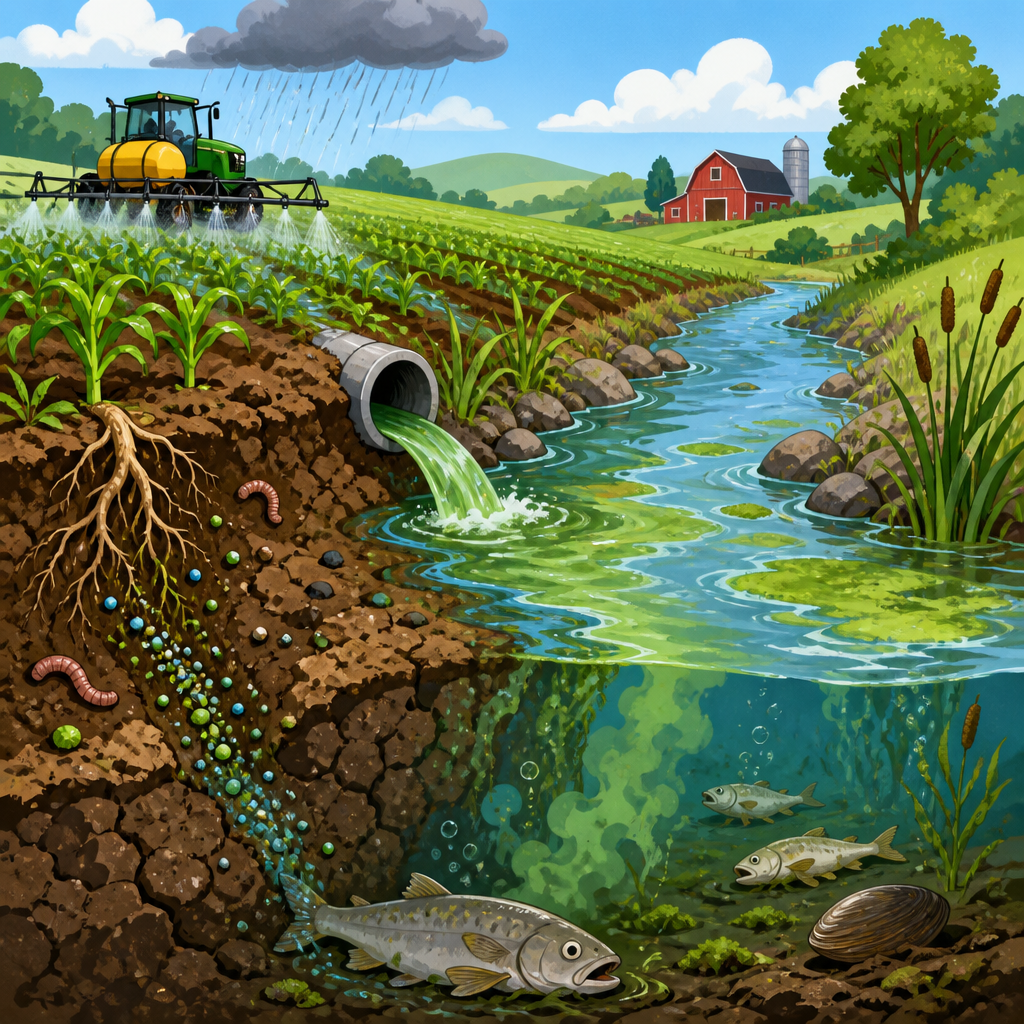
Water research is another strong example. Community groups monitor pH, dissolved oxygen, conductivity, nitrate, phosphate, temperature, turbidity, and macroinvertebrates in streams and lakes. While volunteer kits vary in precision, repeated measurements from many sites often reveal trends that prompt professional follow-up. I have seen local monitoring data flag a drainage problem before formal enforcement sampling began. The volunteer record did not replace laboratory confirmation, but it directed attention to the right tributary and narrowed the time window for investigation.
Air quality programs using low-cost sensors have also expanded environmental understanding. Devices that measure PM2.5 cannot fully replace reference-grade monitors regulated under agency standards, yet dense community networks reveal street-level variation that sparse official stations miss. Researchers have used these networks to examine wildfire smoke exposure, traffic corridors, and neighborhood disparities. The scientific value comes from pattern detection, hotspot identification, and temporal resolution, especially when sensors are collocated and corrected against higher-quality instruments.
| Research area | Typical volunteer contribution | Scientific value | Common validation method |
|---|---|---|---|
| Biodiversity | Species photos, checklists, audio recordings | Range maps, phenology, abundance trends | Expert review, photo evidence, effort modeling |
| Water quality | Field measurements, habitat scores, samples | Trend detection, site screening, watershed comparisons | Calibration, duplicate samples, lab confirmation |
| Air pollution | Low-cost sensor deployment | Hotspot mapping, smoke tracking, exposure patterns | Collocation, correction factors, QA screening |
| Marine and coastal | Debris counts, reef surveys, beach observations | Pollution baselines, species change, event response | Protocol training, image review, site audits |
Methods that make volunteer data reliable
Reliable citizen science depends on project design, not optimism. The first requirement is a clear protocol with defined variables, equipment specifications, and sampling intervals. If participants estimate cloud cover, the scale must be explained. If they identify frogs by call, the training library must distinguish similar species. If they measure turbidity, the same method and units must be used across sites. Standardization is the foundation that turns many individual observations into one interpretable dataset.
Training and calibration come next. Strong programs use onboarding modules, field guides, quizzes, calibration sessions, and periodic retraining. For environmental sensors, collocation is standard practice: a low-cost device is placed beside a reference instrument so analysts can estimate bias and drift. For species observations, mandatory photographs, audio clips, or specimen vouchers can support verification. For manual classifications, repeated scoring by multiple volunteers reduces individual error and allows consensus methods. These are ordinary scientific controls, adapted to a distributed workforce.
Data management is equally important. Good platforms capture metadata automatically, flag missing values, and record confidence levels. Analysts then apply filters for outliers, impossible coordinates, duplicate records, or observations outside known habitat and season. Some records are excluded; that is a sign of rigor, not failure. In the best programs, volunteers understand that quality assurance protects the integrity of the project and the usefulness of the data for publication, management, and public communication.
Where citizen science has limits
Citizen science is powerful, but it is not universal. Volunteer participation is often clustered near roads, cities, affluent communities, or popular natural areas, which creates spatial bias. Observation rates also rise on weekends, during good weather, and where charismatic species are common. Skill levels vary. Equipment quality varies. Some environmental variables, such as trace contaminants, isotopic composition, or genomic analysis, require laboratory infrastructure and chain-of-custody procedures beyond most public projects.
Interpretation therefore requires caution. Presence records are easier to collect than absence records. A report of a species at a site may be valid, but no report does not prove the species was absent. Opportunistic datasets can answer some questions well and others poorly. This is why modern environmental research uses statistical corrections, occupancy models, effort covariates, and structured sampling where possible. Researchers who understand the data-generating process can extract robust insights without pretending every record has equal confidence.
There are also ethical and governance issues. Sensitive species locations may need obscuring to prevent disturbance or poaching. Indigenous knowledge must not be extracted without permission, attribution, and benefit sharing. Community monitoring can expose pollution inequities, but data alone do not guarantee regulatory action. I have seen projects generate credible evidence yet struggle when agencies lacked enforcement capacity. Citizen science informs decisions; it does not automatically resolve political or institutional barriers.
The future of environmental research through public participation
The next phase of citizen science in environmental research will be defined by integration. Volunteer observations are increasingly combined with satellite imagery, drones, acoustic monitoring, environmental DNA, and machine learning. For example, a community report of a fish kill can trigger targeted sampling, while satellite data assess upstream land use and temperature anomalies. A photo of an unusual plant can be matched with herbarium records and climate projections to test whether a range shift is underway. These linked systems make each observation more informative.
Public participation is also changing who gets to shape research questions. Community-led air monitoring, urban heat mapping, and watershed surveillance often begin with local concerns, then generate findings relevant to formal science. That shift matters because residents notice recurring odors, flooded intersections, fish mortality, or dust events long before a regional report is published. When scientists build projects with communities rather than simply recruiting them, research becomes more responsive and the resulting discoveries are often more actionable.
For readers exploring environmental science, citizen science is the connective tissue across many research and discoveries topics. It supports biodiversity studies, climate adaptation, pollution tracking, ecosystem restoration, and environmental justice. The central lesson is simple: when projects are well designed, volunteers do not dilute science; they extend its reach. They help researchers collect broader evidence, detect change earlier, and test environmental questions at scales that matter in the real world. If you want to follow this field closely, start with the major platforms, read the methods behind the data, and look for local projects where your observations can strengthen environmental research.
Frequently Asked Questions
What is citizen science, and how does it support environmental research?
Citizen science is a research approach in which members of the public participate in organized scientific projects by collecting observations, taking measurements, submitting photos, gathering samples, or helping analyze data according to established methods. In environmental research, this model is especially valuable because environmental change happens across wide areas and over long periods of time. Professional scientists and agencies often cannot monitor every stream, wetland, forest, neighborhood, or coastline on their own. Citizen science helps close that gap by involving volunteers who can contribute information from places scientists might otherwise visit rarely or not at all.
This support becomes practical in many ways. Volunteers may record bird migrations, identify invasive species, test local water quality, monitor air pollution, document pollinator activity, track weather-related impacts, or report changes in plant flowering times. These observations create datasets that help researchers detect trends, compare regions, and identify emerging problems earlier than they could through limited professional field teams alone. When projects are well designed, with clear protocols, training, and quality checks, citizen science can generate scientifically useful information at a scale that would be difficult and expensive to achieve otherwise.
Just as important, citizen science strengthens the connection between research and public experience. People who live in a place often notice environmental shifts first, whether that means unusual algal blooms, declining bird populations, changes in seasonal timing, or increasing smoke and dust. By integrating those observations into formal studies, environmental science becomes more responsive, more geographically inclusive, and better informed by real-world conditions on the ground.
Why is citizen science so effective at expanding environmental data collection?
Citizen science is effective because it dramatically increases the number of people observing and documenting environmental conditions. Traditional environmental research is often limited by funding, staffing, travel time, and access to remote or widely distributed locations. A single research team may be highly trained, but it can only be in so many places at once. Citizen science multiplies observational capacity by enabling thousands of volunteers to contribute data simultaneously across large regions.
This expansion matters because environmental systems are complex and unevenly distributed. Air quality can vary from one neighborhood to the next. Water conditions can change from upstream to downstream. Wildlife movement, soil moisture, plant health, and temperature patterns may differ over short distances and across seasons. When many participants contribute repeated measurements from local sites, researchers gain a denser and more continuous picture of what is happening. That improves the ability to identify patterns, hotspots, seasonal cycles, and long-term changes.
Technology has made this even more powerful. Smartphone apps, low-cost sensors, online mapping tools, and digital image platforms allow volunteers to upload time-stamped and geolocated information quickly. Researchers can then combine those observations into large datasets suitable for analysis, modeling, and policy use. In many cases, citizen-generated data also helps target follow-up research, guiding professional scientists toward unusual results or areas of concern. The result is not simply more data, but often better environmental coverage, faster detection of change, and stronger evidence for decision-making.
How do scientists make sure citizen science data is reliable?
Data quality is one of the most common questions about citizen science, and it is a legitimate one. Environmental research depends on trustworthy information, so successful citizen science projects are typically built with quality assurance in mind from the start. Scientists improve reliability by creating clear protocols, standardizing how observations are made, training participants, and using tools that reduce ambiguity. For example, volunteers may be taught exactly when to sample water, how to calibrate a sensor, which species features to photograph, or how to classify observations using a guided checklist.
Many projects also use verification systems. Submitted records may be reviewed by experts, compared with known ranges or previous observations, flagged automatically for unusual values, or validated through photographs, audio recordings, and duplicate samples. Some programs ask multiple participants to document the same event or location, which allows researchers to compare results and assess consistency. In data-rich projects, statistical methods can also help identify outliers, correct for observer variation, and strengthen confidence in overall trends even when individual entries vary in precision.
It is also important to understand that not every citizen science project aims for the same type of data. Some projects are designed for broad trend detection, while others support highly specific measurements under tightly controlled procedures. The usefulness of the data depends on matching the project design to the research question. When that alignment is strong, citizen science can produce results that are highly valuable for ecological monitoring, conservation planning, environmental risk assessment, and long-term change analysis. In short, reliability does not happen by accident, but with good design and oversight, citizen science data can be robust and scientifically meaningful.
What kinds of environmental problems can citizen science help researchers study?
Citizen science can support research across a remarkably wide range of environmental issues because many environmental processes are observable, measurable, and geographically dispersed. One major area is biodiversity monitoring. Volunteers help track birds, insects, amphibians, mammals, and plants, giving scientists insight into migration patterns, population shifts, habitat use, invasive species spread, and changes linked to climate or land use. These datasets are especially useful because living organisms often respond early to environmental stress, making them important indicators of ecosystem health.
Another major application is water and air quality monitoring. Volunteers may test streams, lakes, estuaries, or drinking water sources for temperature, turbidity, pH, nutrients, or signs of contamination. Community-based air monitoring projects can document pollution levels near schools, roads, industrial sites, or wildfire-affected areas. This kind of localized data helps reveal exposure differences that may not appear in broader regulatory monitoring networks. Citizen science can also contribute to soil health studies, coastal erosion tracking, plastic pollution surveys, urban heat mapping, phenology observations such as flowering and leaf-out timing, and disaster-related documentation after floods, storms, or fires.
These contributions are valuable not only because they add volume, but because they often capture environmental variation where people actually live and work. That makes the findings more relevant to public health, local planning, conservation action, and environmental justice. In many cases, citizen science helps bridge the gap between large-scale scientific models and everyday environmental realities, providing a richer and more grounded understanding of how environmental change unfolds across communities and ecosystems.
How does citizen science benefit both researchers and the public?
For researchers, the benefits are substantial. Citizen science expands field coverage, increases the frequency of observations, lowers some data collection costs, and creates access to places and times that professional teams alone may not reach. It can accelerate research on seasonal changes, species distributions, pollution events, habitat conditions, and environmental anomalies. It also helps scientists build longer-term monitoring programs, which are essential for understanding environmental trends but often difficult to sustain through traditional funding and staffing alone. In many cases, citizen science also improves public relevance by directing attention to issues communities are already observing firsthand.
For the public, the benefits go beyond participation. Citizen science gives people a meaningful role in producing knowledge rather than simply receiving scientific conclusions after the fact. Participants often gain a better understanding of environmental processes, research methods, and local ecological conditions. That increased scientific literacy can lead to stronger community engagement, better-informed decision-making, and greater support for conservation and environmental protection. People may become more aware of local water conditions, wildlife patterns, air quality concerns, or climate impacts because they have personally helped document them.
There is also a trust-building dimension. When scientists and community members collaborate, research can become more transparent, more responsive, and more grounded in lived experience. This is particularly important in areas where residents are directly affected by pollution, habitat loss, or climate-related risks. Citizen science can help communities advocate for action using documented evidence while also helping researchers ask better questions and interpret findings with local context in mind. In that sense, citizen science is not just a data strategy. It is also a way of making environmental research more connected, participatory, and capable of addressing real-world challenges at the scale they occur.