Climate change affects ecosystem health by altering temperature, rainfall, ocean chemistry, disturbance patterns, and the timing of biological events, which in turn changes how species interact, where they live, and whether essential ecological processes continue to function. Ecosystem health refers to the capacity of forests, grasslands, wetlands, rivers, oceans, and urban green spaces to maintain biodiversity, productivity, resilience, and services such as clean water, fertile soil, pollination, carbon storage, and flood control. In practice, healthy ecosystems are not static. They change naturally, but they retain enough diversity, structure, and redundancy to recover from drought, fire, storms, pests, and disease. Climate change pushes many systems beyond that recovery range.
In fieldwork and restoration planning, I have seen the distinction clearly: an ecosystem can look green and still be stressed if stream temperatures are too high for fish, if pollinators emerge before flowers bloom, or if repeated wildfire prevents young trees from reaching maturity. That is why climate change and ecosystem health must be discussed together. The issue is not only species loss. It is the weakening of ecological relationships that support human societies and the economy. The Intergovernmental Panel on Climate Change has documented widespread impacts on terrestrial, freshwater, coastal, and marine systems, and those impacts are now measurable in migration shifts, coral bleaching, thawing permafrost, harmful algal blooms, and changing fire seasons.
For a hub article on ecology and ecosystems, the most useful starting point is a plain definition. Ecology is the study of relationships among organisms and their environment. An ecosystem includes living organisms, nonliving conditions, and the flows of energy and nutrients connecting them. Climate acts as a master variable because it influences water availability, growing season length, disturbance intensity, and habitat suitability. When climate changes quickly, species do not respond independently. Food webs, nutrient cycles, decomposition rates, reproduction timing, and competition patterns all shift together. Understanding how climate change affects ecosystem health means tracing those linked changes from microbes in soil to predators at the top of the food chain.
This matters because ecosystems regulate many of the conditions people depend on every day. Wetlands reduce flood peaks. Mangroves buffer storm surge. Peatlands and forests store vast quantities of carbon. Diverse agricultural landscapes support pollinators and natural pest control. When ecosystems degrade, communities lose both environmental stability and economic security. Insurance losses, fishery declines, crop risks, and public health pressures often begin with ecological disruption. A strong grasp of climate impacts on ecosystems helps students, planners, businesses, and policymakers make better decisions about conservation, restoration, land use, water management, and climate adaptation across the broader field of environmental science.
Temperature, Water, and the Basic Conditions That Keep Ecosystems Functioning
Rising temperatures are one of the clearest pathways through which climate change affects ecosystem health. Every species has tolerance limits for heat, cold, and moisture, and many ecological processes also operate within narrow ranges. Photosynthesis, respiration, decomposition, and nutrient mineralization all speed up or slow down with temperature. In alpine meadows, warming can lengthen the growing season, but if snowpack melts earlier and soils dry out by summer, plants may experience greater stress despite more frost-free days. In streams, modest temperature increases can lower dissolved oxygen and create conditions unsuitable for trout, salmon, and many aquatic insects.
Water availability is equally important. Climate change intensifies the hydrologic cycle, often producing longer dry periods punctuated by heavier rainfall. That pattern destabilizes ecosystems. Forests facing repeated drought become vulnerable to insect outbreaks and wildfire. Grasslands may shift in species composition toward heat-tolerant or invasive plants. Wetlands can lose hydroperiods needed for amphibian breeding. In cities, hotter conditions and more intense downpours overwhelm soils and drainage systems, reducing the ecological value of parks, ponds, and riparian buffers. The result is not a single universal response but a set of place-specific stressors that reduce resilience.
Ecologists often evaluate these changes through indicators such as primary productivity, species richness, phenology, soil moisture, canopy mortality, streamflow timing, and water temperature. Those indicators reveal how climate stress accumulates. For example, western North America has experienced earlier spring snowmelt and lower late-season streamflow, affecting salmon migration and riparian vegetation. In the Mediterranean, prolonged heat and water deficit increase tree mortality risk and alter fire regimes. In tropical regions, changing rainfall can disrupt seedling establishment and nutrient cycling even before obvious canopy loss appears. Ecosystem health declines when the physical template becomes less predictable than the organisms adapted to it.
Biodiversity Loss, Range Shifts, and Disrupted Species Interactions
One of the most important climate effects on ecosystem health is biodiversity change. As temperatures rise, many species shift poleward, upslope, deeper into oceans, or into cooler microhabitats. These movements are well documented in birds, butterflies, fish, plankton, and plants. However, not all species move at the same pace, and some cannot move at all because of habitat fragmentation, limited dispersal, or dependence on highly specific conditions. That mismatch breaks interactions that ecosystems rely on. Pollinators may emerge earlier than host plants flower. Predators may arrive after prey peaks. Seed dispersers may disappear from landscapes where tree regeneration depends on them.
Range shifts also create novel species assemblages. In practical management, this means conservation plans based solely on historical distributions are often outdated. A mountain forest can gain lower-elevation pests while losing cold-adapted birds. Coastal marshes can be squeezed between rising seas and developed shorelines. Freshwater systems can favor warm-water fish over cold-water specialists. Each change affects community structure. Once keystone species or ecosystem engineers decline, the impacts spread. Sea otters influence kelp forests through predator control of sea urchins. Beavers create wetland habitat and water storage. Reef-building corals generate three-dimensional structure used by countless marine organisms. Their losses are not isolated events.
Extinction risk rises when climate stress combines with land conversion, pollution, overharvest, and invasive species. This interaction is central to ecology and ecosystems. Climate change rarely acts alone. A fragmented landscape may have enough habitat under past climate conditions but too little connected area for migration under future warming. A lake already enriched with nutrients may be pushed into more frequent algal blooms by higher temperatures. A species weakened by drought may become more susceptible to disease. Protecting ecosystem health therefore requires preserving genetic diversity, habitat connectivity, and ecological heterogeneity rather than focusing on single stressors in isolation.
Oceans, Freshwater, and the Chemical Changes Reshaping Aquatic Ecosystems
Aquatic ecosystems are especially sensitive because climate change affects both physics and chemistry. The ocean absorbs most excess heat from global warming and a substantial share of carbon dioxide emissions. Warmer water expands, contributing to sea-level rise, and holds less dissolved oxygen. At the same time, absorbed carbon dioxide lowers pH, causing ocean acidification. This reduces carbonate availability needed by corals, oysters, mussels, and many plankton species to build shells or skeletons. I have worked with coastal monitoring data where these chemical shifts were not abstract projections but recurring measurements linked to shellfish stress and altered recruitment.
Coral reefs provide a vivid example of ecosystem health under climate pressure. Heat stress disrupts the symbiosis between corals and zooxanthellae, leading to bleaching. Repeated bleaching events reduce coral growth, reproduction, and structural complexity. That loss affects fish habitat, shoreline protection, and tourism economies. Kelp forests face different but related threats. Marine heatwaves can suppress nutrient upwelling, weaken kelp, and favor grazing outbreaks by sea urchins, especially where predator populations are already altered. Seagrass meadows, salt marshes, and mangroves also face stress from warming, sea-level rise, and storm intensity, yet they remain critical blue carbon systems worth protecting.
Freshwater ecosystems experience their own chain of impacts. Warmer lakes stratify more strongly, limiting oxygen mixing into deeper layers and creating dead zones. Higher runoff during extreme storms carries sediment, nutrients, pathogens, and pollutants into rivers and estuaries. Earlier snowmelt shifts peak flows away from summer periods when aquatic species and human users need water most. The table below summarizes major climate stressors and their ecological effects across aquatic systems.
| Climate stressor | Ecosystem type | Primary ecological effect | Example |
|---|---|---|---|
| Marine heatwaves | Coral reefs, kelp forests | Bleaching, reduced growth, habitat loss | Great Barrier Reef bleaching events |
| Ocean acidification | Coastal and open ocean food webs | Weaker shell formation, altered plankton communities | Pacific oyster hatchery failures |
| Low oxygen | Lakes, estuaries, coastal seas | Fish kills, compressed habitat, food web stress | Gulf of Mexico hypoxic zone |
| Altered streamflow | Rivers and floodplains | Disrupted migration, spawning, and nutrient exchange | Earlier snowmelt in western U.S. basins |
| Sea-level rise | Marshes, mangroves, estuaries | Habitat drowning or inland migration pressure | Coastal wetland loss on developed shorelines |
For freshwater and marine management, the lesson is direct: protecting water quality, restoring riparian vegetation, reducing nutrient loading, and conserving refuges can lower climate vulnerability even when global drivers remain severe. Aquatic ecosystem health depends on local stewardship and large-scale emissions reductions at the same time.
Disturbance Regimes: Fire, Storms, Pests, and Disease
Disturbance is a normal part of ecosystem dynamics, but climate change is altering disturbance regimes in ways that exceed historical patterns. Fire seasons are lengthening in many regions because of higher temperatures, lower fuel moisture, and earlier snowmelt. In some dry forests, more frequent severe fires prevent regeneration of the same tree species, pushing landscapes toward shrubland or grass-dominated states. That is a regime shift, not merely damage. In boreal forests, warming interacts with insects such as bark beetles by reducing winter mortality and increasing host stress, leading to large areas of tree death and changed carbon balance.
Storms and extreme rainfall also affect ecosystem health through erosion, blowdown, sediment pulses, saltwater intrusion, and infrastructure failure that fragments habitat. Coastal systems can recover from hurricanes if sediment supply, marsh migration space, and vegetation are intact, but repeated storms combined with sea-level rise reduce that capacity. Disease ecology is shifting as vectors and pathogens expand into new climate envelopes. Amphibian populations, already stressed by habitat loss, can be hit harder when warming changes water conditions and pathogen dynamics. In agriculture-adjacent landscapes, pest outbreaks become ecological issues because simplified habitats offer fewer natural controls and less recovery capacity.
The key point is that climate change changes not just average conditions but variability and extremes. Ecosystem health depends on recovery intervals. If fires, floods, bleaching events, or droughts occur too often, systems do not regain biomass, age structure, or species composition before the next shock arrives. Managers now use scenario planning, fuel treatments, prescribed fire, assisted migration trials, post-disturbance erosion control, and disease surveillance to reduce risk. These interventions are not substitutes for climate mitigation, but they are practical tools for maintaining ecological function during rapid change.
Protecting and Restoring Ecosystem Health in a Changing Climate
Effective responses begin with a simple principle: conserve what is still functioning well, restore what can recover, and redesign management around future conditions rather than past averages. In my experience, the strongest projects combine climate data with ecological field evidence. A wetland restoration succeeds when hydrology, plant communities, sediment dynamics, and migration space are planned together. A forest adaptation plan works better when managers identify drought refugia, protect old growth, diversify age classes, and reduce non-climate stressors such as road fragmentation. Monitoring is essential because ecosystem responses can be nonlinear and delayed.
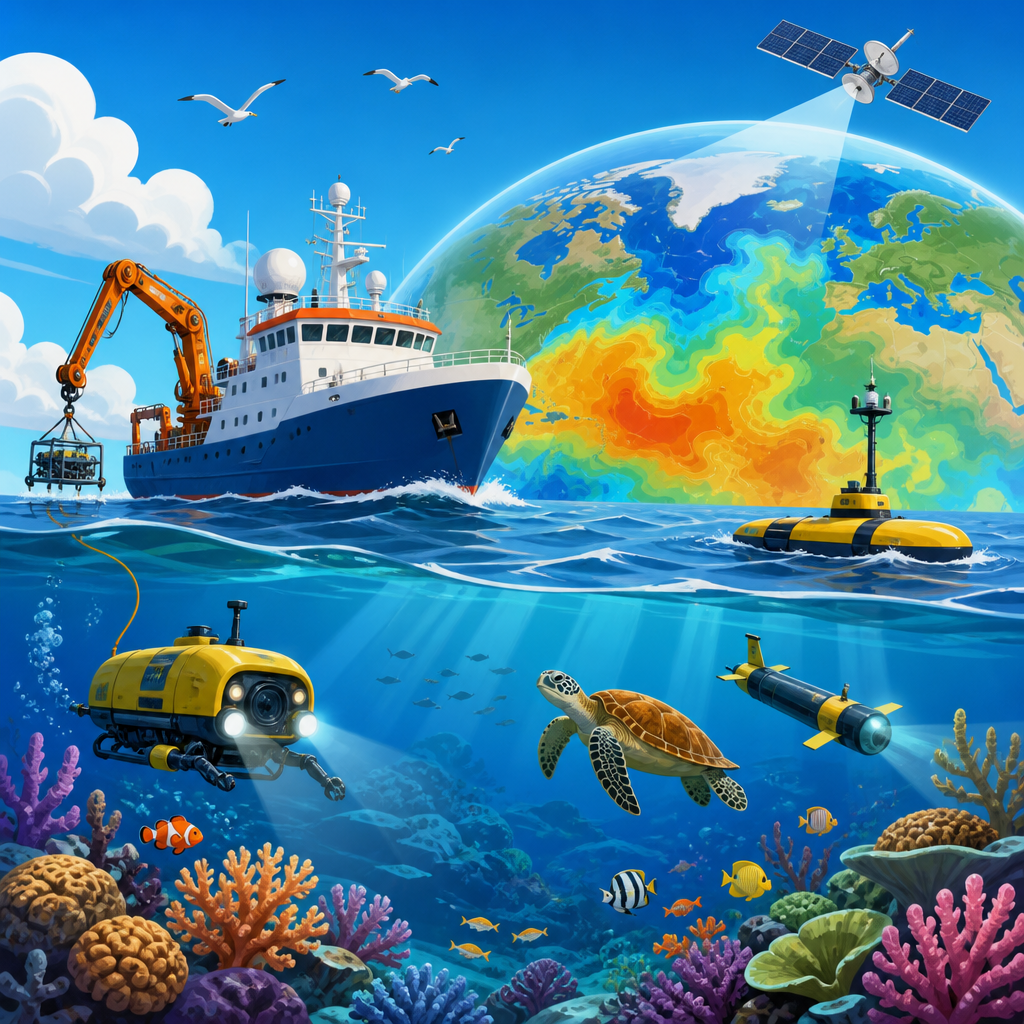
Several strategies consistently improve resilience across ecology and ecosystems. Protecting habitat connectivity allows species movement. Restoring floodplains and riparian zones cools water, stores floods, and supports biodiversity. Rebuilding oyster reefs, mangroves, and salt marshes reduces coastal erosion while enhancing nurseries for fish. Diversifying urban tree canopies lowers heat stress and supports pollinators. In agricultural landscapes, cover crops, hedgerows, reduced tillage, and soil organic matter improvement strengthen ecosystem services. Tools such as remote sensing, eDNA, LiDAR, species distribution models, and long-term ecological monitoring networks make these actions more precise and measurable.
Mitigation remains fundamental. No adaptation strategy can fully protect ecosystem health if warming continues unchecked. Reducing greenhouse gas emissions lowers the probability of crossing thresholds such as widespread coral reef loss, irreversible ice-linked habitat decline, or large biome shifts. For readers exploring environmental science, this is the central takeaway from the ecology and ecosystems hub: climate change is a systems problem, and ecosystems are both vulnerable and valuable. They are early warning indicators, life-support infrastructure, and practical climate solutions. Study your local watershed, support evidence-based conservation, and use this hub as a starting point for deeper work on biodiversity, restoration, water, soils, and habitat management.
Frequently Asked Questions
What does ecosystem health mean, and why is climate change such a serious threat to it?
Ecosystem health refers to an ecosystem’s ability to remain biologically diverse, productive, resilient, and functional over time. In practical terms, a healthy ecosystem can support plant and animal life, cycle nutrients, regulate water, store carbon, build soils, recover from disturbances, and provide benefits people depend on, including clean water, food production, pollination, flood protection, and recreation. Climate change threatens this balance because it alters the core environmental conditions that ecosystems are built around. Rising temperatures, shifting rainfall patterns, stronger droughts, more intense storms, and warming oceans can all push ecosystems beyond the conditions many species are adapted to tolerate.
The danger is not only that individual species may decline, but that the relationships among species can also break down. Predators may lose prey, pollinators may become active before flowers bloom, and water-dependent habitats may shrink or disappear. When these disruptions happen at the same time as other pressures such as land-use change, pollution, habitat fragmentation, and invasive species, ecosystems become less able to absorb shocks. That loss of resilience is a key warning sign of declining ecosystem health. In short, climate change is a serious threat because it affects the structure, timing, chemistry, and physical stability of ecosystems all at once, making it harder for them to continue functioning normally.
How does climate change change where plants and animals live?
Climate change affects species distributions by changing the environmental conditions that define suitable habitat. Most plants and animals are adapted to a certain range of temperatures, moisture levels, seasonal patterns, and food availability. As average temperatures rise, many species shift toward cooler areas, which often means moving to higher elevations, farther north or south, or deeper waters in marine systems. In some cases, species can adapt or relocate successfully. In many others, they cannot move fast enough, face physical barriers such as cities and roads, or depend on habitats that do not exist elsewhere.
These range shifts can create a cascade of ecological effects. New species may enter an area and compete with resident species for food, nesting sites, or sunlight. Some pests and disease carriers may expand into regions where they were once limited by cold temperatures. Meanwhile, species with small geographic ranges, isolated populations, or narrow habitat requirements are often especially vulnerable. Alpine species, coral reef organisms, amphibians in moisture-sensitive habitats, and cold-water fish are common examples. The result is that climate change does not simply move species around a map; it can reorganize entire ecological communities and alter food webs, nutrient cycles, and ecosystem productivity. Over time, this reshaping of where life can survive becomes a major driver of ecosystem stress and biodiversity loss.
Why are changes in rainfall, drought, floods, and wildfires so important for ecosystem health?
Water availability and disturbance patterns are fundamental to how ecosystems work. Changes in rainfall can affect plant growth, soil moisture, stream flow, wetland extent, groundwater recharge, and the breeding cycles of many species. Longer droughts can weaken forests, reduce river levels, dry out wetlands, and make plants more vulnerable to disease and insect outbreaks. At the same time, heavier downpours can increase erosion, wash pollutants and sediment into waterways, damage root systems, and cause flooding that reshapes habitat conditions very quickly. These shifts matter because ecosystems often depend on not just how much water arrives, but when and how predictably it arrives throughout the year.
Wildfire is another major factor. Fire is a natural part of some ecosystems, but climate change can make fire seasons longer, increase extreme heat, dry vegetation more thoroughly, and raise the likelihood of unusually large or severe fires. When disturbance becomes too frequent or too intense, ecosystems may struggle to recover. Forests may fail to regenerate, grasslands may be overtaken by invasive plants, and soils may lose their structure and fertility. Aquatic ecosystems can also be affected after fires through ash, sediment, and nutrient runoff. Healthy ecosystems typically have some capacity to bounce back from drought, flood, or fire, but climate change can push disturbances beyond historic patterns, reducing resilience and increasing the risk of long-term ecological change.
How does climate change affect oceans and aquatic ecosystems differently from land ecosystems?
Aquatic ecosystems face many of the same climate pressures as land ecosystems, but water environments are also affected by unique chemical and physical changes. In oceans, rising temperatures can trigger coral bleaching, shift fish populations, reduce oxygen levels, and disrupt marine food webs. At the same time, increased absorption of carbon dioxide by seawater causes ocean acidification, which lowers the availability of the carbonate ions many shell-forming organisms need. Corals, shellfish, and some plankton are especially vulnerable, and these organisms play critical roles in marine ecosystems. Because many ocean species are tightly linked through food chains, disruptions at one level can spread widely.
Freshwater ecosystems such as rivers, lakes, streams, and wetlands are also highly sensitive. Warmer water generally holds less oxygen, which can stress fish and aquatic invertebrates. Changes in snowmelt timing, rainfall intensity, and drought frequency can alter river flow and lake levels, affecting spawning habitats, migration routes, and water quality. Wetlands may dry out in some regions or become flooded in ways that change plant communities and nutrient cycling. Harmful algal blooms may become more common in warmer, nutrient-rich waters. Compared with terrestrial systems, aquatic ecosystems are often shaped more directly by water temperature, flow, chemistry, and dissolved oxygen, so even relatively modest climate shifts can have major biological consequences. These changes matter not only for wildlife, but also for drinking water, fisheries, coastal protection, and the many livelihoods tied to healthy water systems.
Can ecosystems recover from climate change, and what helps protect ecosystem health?
Many ecosystems can recover from disturbances to some extent, but recovery depends on how severe the climate impacts are, how quickly conditions are changing, and whether other human pressures are reduced. Ecosystems are generally more likely to remain healthy when they have high biodiversity, intact habitat connections, healthy soils, natural water flows, and a wide range of species performing similar ecological roles. That diversity creates resilience because if one species declines, another may help maintain key functions such as pollination, seed dispersal, decomposition, or prey regulation. However, if climate change becomes too intense or combines with deforestation, overfishing, pollution, and fragmentation, recovery becomes much harder.
Protecting ecosystem health requires both climate mitigation and practical adaptation measures. Reducing greenhouse gas emissions is essential because it lowers the long-term magnitude of climate disruption. At the same time, ecosystems can be supported through habitat restoration, wetland protection, reforestation, better fire and water management, removal of barriers that block species movement, and conservation planning that accounts for future climate conditions rather than past averages alone. In urban areas, expanding green spaces, restoring streams, and protecting tree cover can also strengthen ecological function. The most effective approach is usually one that treats ecosystems as living systems that need space, connectivity, and lower cumulative stress. While not every change can be prevented, strong conservation and climate action can significantly improve the chances that ecosystems continue to support biodiversity and the essential services people rely on.