Threatened and endangered species are often mentioned together, but they are not interchangeable terms, and understanding the distinction is essential to understanding modern conservation. In biodiversity and conservation biology, these labels signal different levels of extinction risk, guide legal protections, shape land-use decisions, and influence how governments, scientists, and communities prioritize limited funding. I have worked with conservation status reports, recovery planning documents, and habitat assessments, and one pattern is consistent: public confusion about these categories slows productive action. People hear that a species is “at risk,” yet they may not know whether that means a rapidly collapsing population, a species likely to decline soon, or a species facing global extinction in the near future.
At the broadest level, biodiversity refers to the variety of life, including genetic diversity within species, the number of different species, and the ecosystems they form. Conservation biology is the applied science focused on preventing extinction, maintaining ecological processes, and restoring degraded populations and habitats. A species is generally considered endangered when it faces a very high risk of extinction in all or a significant portion of its range. A threatened species faces a lower, but still serious, risk and is likely to become endangered in the foreseeable future if pressures continue. Those pressures usually include habitat loss, invasive species, overexploitation, pollution, disease, and climate change acting together rather than separately.
Why does this matter beyond terminology? Because the difference between threatened and endangered can determine whether a project requires stricter review, whether critical habitat is designated, how agencies write recovery goals, and how urgently a population needs intervention. These categories also affect agriculture, fisheries, forestry, energy development, urban planning, and tribal and local stewardship. In the United States, the Endangered Species Act uses these labels in a legal sense. Internationally, the International Union for Conservation of Nature uses a more detailed Red List framework, including Vulnerable, Endangered, and Critically Endangered. The systems overlap in purpose but not perfectly in method, which is why accurate explanation is necessary. This hub article explains the threatened versus endangered distinction and places it within the wider field of biodiversity and conservation biology.
How threatened and endangered are defined in law and science
The clearest starting point is definition. Under the U.S. Endangered Species Act, an endangered species is one “in danger of extinction throughout all or a significant portion of its range.” A threatened species is one “likely to become an endangered species within the foreseeable future.” Those phrases sound simple, but they require evidence-heavy interpretation. Agencies must evaluate current population size, population trend, reproductive success, habitat condition, geographic distribution, and identifiable threats. They also weigh whether threats are immediate, chronic, or emerging. In practice, endangered indicates a more severe and immediate risk than threatened.
In conservation science, risk categories are built from measurable criteria rather than intuition. Assessors examine abundance, rate of decline, area of occupancy, extent of occurrence, fragmentation, and probability of extinction. A species with a wide distribution but steep recent decline may be treated differently from one with a tiny range and stable numbers, because rarity and decline create different risk profiles. That is why conservation status cannot be assigned by a single data point. A population count alone may hide reproductive failure, genetic bottlenecks, or seasonal dependence on disappearing habitat.
The IUCN Red List adds useful global context. Its categories include Vulnerable, Endangered, and Critically Endangered, along with Near Threatened and others. Vulnerable often aligns conceptually with what many people informally call threatened, but legal systems do not map perfectly onto Red List categories. A species can be listed one way globally and another way nationally because of differing scales, laws, and evidence standards. For readers exploring biodiversity and conservation biology, that distinction matters: legal status determines enforceable protection, while scientific status helps compare extinction risk across countries and taxonomic groups.
What factors push species toward decline
Most species do not become threatened or endangered because of one isolated event. Decline usually results from multiple stressors that interact over time. Habitat loss remains the dominant driver worldwide. Forest clearing, wetland drainage, river damming, road building, intensive agriculture, and coastal development all reduce the space species need to feed, breed, migrate, and avoid predators. Fragmentation then divides surviving habitat into smaller patches, which lowers gene flow and makes populations more vulnerable to random shocks such as wildfire or disease.
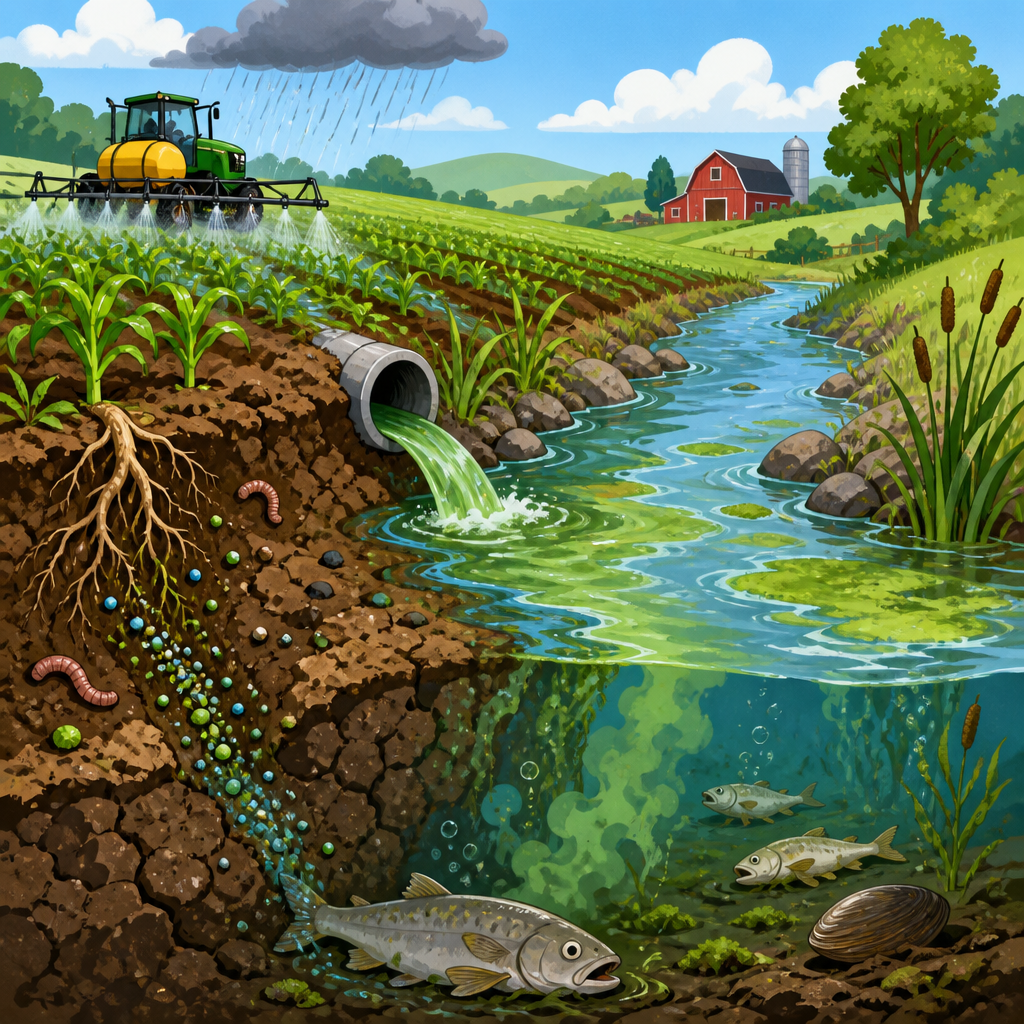
Overexploitation is another major force. Commercial fishing, illegal wildlife trade, unsustainable hunting, and excessive plant collection can remove individuals faster than populations can replace them. Invasive species frequently intensify the problem by introducing new predators, competitors, and pathogens. On islands, especially, introduced rats, cats, snakes, and insects have caused severe declines because native species evolved without those threats. Pollution adds a different layer of pressure. Pesticides can reduce insect prey, heavy metals can impair reproduction, plastics can injure marine life, and nutrient runoff can create low-oxygen zones that disrupt aquatic food webs.
Climate change increasingly amplifies every existing threat. Rising temperatures shift breeding cycles, alter migration timing, intensify drought, increase coral bleaching, and move suitable habitat uphill or poleward. Species that are already range-restricted, such as alpine specialists or isolated freshwater fishes, may have nowhere to go. Disease also matters more than many people realize. The chytrid fungus that devastated amphibians and white-nose syndrome in bats show how quickly pathogen spread can transform local declines into continent-scale conservation emergencies. In field assessments, the key question is rarely whether one threat exists. It is how several threats combine to push a species from stable to threatened, and from threatened to endangered.
Examples that show the difference clearly
Real-world examples make the distinction concrete. The Florida manatee was downlisted from endangered to threatened in the United States in 2017 after decades of protection, boat speed regulations, habitat measures, and rescue work improved its outlook, even though serious risks remain. That shift did not mean the species was safe; it meant extinction risk had been reduced enough that it was no longer considered in immediate danger relative to the legal standard. Threatened status still reflects a species needing active management and continued safeguards.
By contrast, the red wolf illustrates what endangered looks like when recovery is far more fragile. Native to the southeastern United States, the red wolf suffered habitat loss, persecution, and hybridization pressures. Despite captive breeding and reintroduction efforts, the wild population has remained extremely small. When a species persists in such low numbers, every mortality event matters, genetic diversity becomes harder to maintain, and recovery depends on sustained intervention. That is the practical difference: endangered often means the margin for error is extremely narrow.
Marine examples are equally instructive. Several sea turtle populations are classified differently depending on species and regional population segment. Conservation biologists do not assume all turtles face the same risk everywhere. Nesting success, bycatch levels, coastal development, and poaching vary by place. Salmon provide another good case. Some distinct population segments are listed while others are not, because conservation law frequently evaluates biologically meaningful units below the species level. That approach reflects a central principle in biodiversity and conservation biology: conservation is not only about names on a list, but about preserving the evolutionary and ecological diversity within species.
How listing decisions are made and what evidence counts
Listing a species as threatened or endangered is a formal process, not a casual judgment. In the United States, the U.S. Fish and Wildlife Service and National Marine Fisheries Service review the best available scientific and commercial data. They assess five statutory factors: habitat destruction or modification, overuse, disease or predation, inadequacy of existing regulatory mechanisms, and other natural or human-made factors. Petitioners, agency biologists, academic researchers, tribes, states, landowners, and nongovernmental organizations may all contribute data. Peer-reviewed studies matter, but so do long-term monitoring records, museum collections, telemetry data, and traditional ecological knowledge when properly documented and applied.
Good listing decisions depend on sound population science. Assessors look for baseline abundance, trend direction, generation length, recruitment, age structure, occupancy, and connectivity among subpopulations. They also evaluate uncertainty. Sparse data do not eliminate risk; in some cases, uncertainty itself argues for precaution, especially when a species has a tiny range or specialized habitat needs. I have seen this in status reviews where imperfect survey coverage initially hid the severity of decline. Once methods improved, what looked like a scattered but stable population turned out to be a few isolated remnants.
| Term | Core meaning | Typical conservation implication |
|---|---|---|
| Threatened | Likely to become endangered in the foreseeable future | Strong protections, proactive habitat management, prevention of further decline |
| Endangered | In danger of extinction throughout all or a significant portion of its range | Highest urgency, intensive recovery action, stricter project review and safeguards |
| Critical habitat | Areas essential to conservation and recovery | Federal actions in these areas receive added scrutiny |
| Recovery plan | Roadmap for reducing threats and rebuilding populations | Guides measurable actions, timelines, and partner responsibilities |
Science also matters after listing. Recovery criteria must be measurable, such as target population numbers, occupancy across multiple watersheds, reduced bycatch rates, or habitat acreage under management. Without quantitative benchmarks, species can stay listed for decades without clear progress tracking. Effective conservation biology relies on monitoring that tests whether interventions actually change extinction risk, not just whether activities were completed on paper.
What legal protection changes after a species is listed
Once a species is listed, the consequences are significant. For endangered animals in the United States, “take” is generally prohibited, including harming, killing, harassing, or significantly modifying habitat in ways that injure wildlife through essential behavior disruption. Federal agencies must consult to ensure their actions do not jeopardize listed species or destroy or adversely modify critical habitat. Threatened species also receive protection, though the exact scope can differ depending on species-specific rules. This flexibility allows agencies to tailor measures to biology and management needs, but it can also create public confusion.
Listing does not freeze all economic activity, contrary to a common misconception. It requires projects to avoid, minimize, or mitigate harm. Timber harvests may be redesigned around nesting seasons. Road projects may add wildlife crossings. Water operations may be adjusted to maintain flows for fish migration. Wind facilities may alter siting or curtail turbine operation during peak bat movement. These are practical examples of conservation biology informing policy and engineering rather than stopping development outright.
Critical habitat designation is another frequently misunderstood tool. It identifies areas essential to conservation, whether currently occupied or, in some cases, needed for recovery. It does not automatically block private land use absent a federal nexus, but it does matter when federal permits, funding, or actions are involved. Recovery plans then organize the path forward: threat reduction, habitat restoration, captive breeding where necessary, monitoring, and periodic status review. In successful cases, legal protection buys time while science and management rebuild resilience.
Why biodiversity conservation is broader than saving individual species
The threatened versus endangered distinction makes the most sense when viewed within the wider goals of biodiversity conservation. Species are not isolated units; they are part of food webs, nutrient cycles, pollination networks, and disturbance regimes. Losing a top predator, reef builder, seed disperser, or keystone herbivore can trigger cascading ecological change. Sea otter recovery, for example, can suppress sea urchins and help kelp forests rebound. Wolf presence can alter herbivore behavior and affect vegetation patterns. Native mussels filter water and stabilize river ecosystems. Conserving species protects ecological function, not just names on a checklist.
Genetic diversity is equally important. Small populations often suffer inbreeding depression, reduced adaptability, and greater vulnerability to disease or climate stress. That is why conservation plans increasingly emphasize connectivity through wildlife corridors, dam removal, fish passage, and landscape-scale planning. A species may appear numerically improved in one isolated refuge, yet remain biologically insecure if gene flow is absent. Modern conservation biology therefore measures success across demographics, habitat quality, distribution, and genetics.
This hub topic also includes prevention. Keeping common species common is far more efficient than waiting for crisis listing. State wildlife action plans, Key Biodiversity Areas, protected area networks, habitat conservation plans, and community-based stewardship all matter before legal thresholds are reached. The best conservation outcomes usually come from early action, long-term monitoring, and partnerships among agencies, researchers, landowners, Indigenous communities, and local organizations.
How readers can follow this biodiversity and conservation biology hub
If you are using this page as a hub for biodiversity and conservation biology, the central idea is simple: conservation status categories are tools for prioritizing action within a much larger system of ecological stewardship. From here, deeper topics naturally branch out, including habitat fragmentation, restoration ecology, invasive species management, population viability analysis, captive breeding, wildlife corridors, marine protected areas, endangered species law, climate adaptation, and community conservation. Each of those subjects helps explain why some species recover and others continue to slide toward extinction.
The key takeaway is that threatened means a species is on a dangerous path, while endangered means that path has become an immediate extinction crisis. The difference is not semantic. It affects legal protection, funding priority, management intensity, and the urgency of recovery measures. Biodiversity and conservation biology provide the framework for making those decisions using evidence rather than guesswork. If you want to understand environmental science in practical terms, start by following how species are assessed, how habitats are protected, and how recovery is measured over time.
Use this hub as your starting point for the broader conservation picture. Explore related articles on ecosystem services, extinction drivers, recovery planning, and habitat restoration, and pay attention to local species assessments in your own region. The more clearly you understand the difference between threatened and endangered species, the better prepared you are to evaluate conservation policy, support effective action, and recognize why protecting biodiversity is fundamental to resilient ecosystems and human well-being.
Frequently Asked Questions
What is the difference between a threatened species and an endangered species?
The core difference is the level of extinction risk. An endangered species is generally considered to be in immediate or very serious danger of extinction across all or a significant portion of its range. A threatened species faces a lower, but still serious, level of risk and is likely to become endangered in the foreseeable future if conditions do not improve. In other words, both categories signal concern, but endangered reflects a more urgent conservation status.
These terms matter because they are not just descriptive labels. They often trigger different legal protections, recovery requirements, and management responses. In conservation biology, status categories help agencies and scientists decide where to focus habitat protection, recovery planning, monitoring, and funding. When people use threatened and endangered as if they mean the same thing, they miss an important part of how conservation systems prioritize action.
It is also worth noting that the exact definitions can vary depending on the law or assessment framework being used. Under the U.S. Endangered Species Act, for example, endangered and threatened are formally defined legal categories. International systems, such as the IUCN Red List, use related but not identical categories like Vulnerable, Endangered, and Critically Endangered. So while the general idea is consistent, the precise meaning depends on the context.
Why do these categories matter so much in conservation and environmental law?
These categories shape real-world decisions. Once a species is formally recognized as threatened or endangered, that status can influence land use, permitting, development, forestry, agriculture, water management, and infrastructure projects. It can determine whether habitat must be protected, whether agencies must consult with wildlife experts before approving projects, and whether recovery plans are required. In practice, the label attached to a species can affect everything from road construction timelines to how rivers are managed.
They also help prioritize limited resources. Conservation funding is never unlimited, so agencies and organizations rely on status assessments to decide which species need emergency intervention, which populations need long-term monitoring, and which threats should be addressed first. A species listed as endangered may receive more immediate attention because the risk is more acute, while a threatened species may benefit from earlier intervention intended to prevent further decline.
Just as importantly, these categories create a common language for communication among scientists, policymakers, landowners, courts, and the public. Without clear distinctions, conservation decisions would be harder to justify and more difficult to coordinate. The difference between threatened and endangered is therefore not semantic; it is a practical tool for setting priorities and creating accountability.
How does a species become classified as threatened or endangered?
A species is typically classified through a formal review of the best available scientific and commercial information. Evaluators look at population size, population trends, geographic range, habitat condition, known threats, reproductive success, and the likelihood of continued decline. They may examine whether the species is losing habitat, being overused through hunting or trade, facing disease, suffering from invasive species, or being affected by pollution or climate change.
Under legal systems such as the U.S. Endangered Species Act, the listing process usually involves petitions, scientific assessments, public notice, opportunities for comment, and agency review. The decision is supposed to be based on science rather than politics, although in practice listing decisions often attract political and economic debate because of their potential effects on land use and regulation. Once listed, a species may also be reassessed over time to determine whether its status should change.
This process is important because conservation status is not meant to be arbitrary. A threatened designation often reflects evidence that a species is declining or vulnerable but not yet at the most severe level of risk. An endangered designation indicates that the evidence points to a much more immediate danger of extinction. In both cases, the goal of classification is to connect scientific assessment with management action before a species is lost.
Can a threatened species become endangered, or can an endangered species recover?
Yes on both counts. A threatened species can be uplisted to endangered if its population continues to decline, its habitat deteriorates further, or new threats emerge. This is one reason early conservation action matters so much. Protecting a species while it is still threatened can be more effective, less expensive, and more biologically realistic than waiting until it reaches the brink of extinction.
Likewise, an endangered species can improve and be downlisted to threatened, or in some cases removed from the list entirely if recovery goals are met. Recovery may happen because habitat is restored, direct killing is reduced, captive breeding supports wild populations, invasive species are controlled, or legal protections reduce harmful activities. Well-known recoveries have shown that listing can work, especially when it is paired with long-term monitoring, funding, and habitat conservation.
That said, recovery is usually slow. Population rebounds can take decades, particularly for long-lived species with low reproductive rates or for species whose habitats have been heavily fragmented. Changes in status are therefore significant milestones, but they do not always mean the species is fully secure. Conservation often remains necessary even after a species improves from endangered to threatened.
Are threatened and endangered species the same everywhere in the world?
No. A species’ conservation status can differ by country, region, or assessment system. One jurisdiction may classify a species as threatened because of local declines, while another may not list it at all if populations there are stable. Similarly, a species may be globally at risk but still have strong populations in certain areas, or it may be secure globally but declining sharply within a specific state or province.
This difference exists because conservation status depends on scale and criteria. National laws often focus on species within that country’s borders and on the legal consequences of listing. Global systems such as the IUCN Red List assess extinction risk across the species’ entire worldwide range. Regional agencies may also track distinct populations, subspecies, or evolutionarily significant units if those groups face unique threats. As a result, the same organism may carry different labels in different contexts.
For readers, the key takeaway is to always ask: threatened or endangered under which system? That question helps clarify whether the designation is a legal status, a scientific risk assessment, a regional determination, or a global evaluation. Understanding that context makes it much easier to interpret conservation reports, policy debates, and news coverage accurately.