
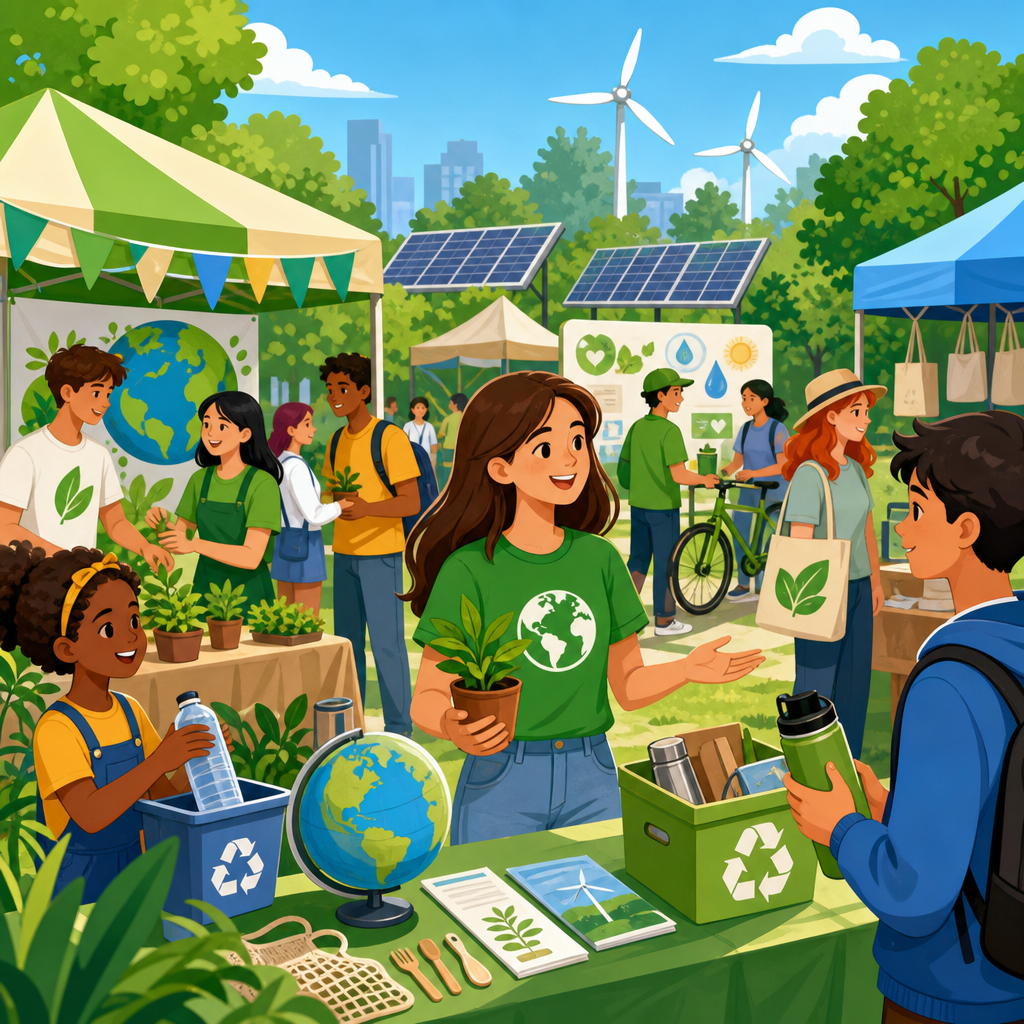
How to Start a Green Club begins with a simple idea: a small group of students, coworkers, neighbors, or volunteers decides that environmental action should be organized, visible, and consistent rather than occasional. A green club is a structured community dedicated to sustainability education, waste reduction, conservation projects, and advocacy. In practice, that can mean campus recycling drives, school garden planning, energy-saving campaigns, repair workshops, or an eco-fair that brings the wider public into the conversation. I have helped launch clubs in schools and community settings, and the pattern is always the same: enthusiasm is easy to find, but lasting impact comes from governance, planning, and measurable goals.
This topic matters because environmental concern often stalls at awareness. People know climate change, waste, and pollution are serious, yet many do not know what to do next. A green club closes that gap by turning concern into repeatable local action. It creates leadership roles, distributes responsibility, and gives members a place to test ideas on a manageable scale. For an education and resources hub, this page should function as the practical starting point. It explains how to build a club, how to recruit members, how to plan projects such as an eco-fair or awareness campaign, and how to measure whether the work is making a difference.
Before building a club, define a few key terms clearly. A mission statement explains why the club exists. Objectives translate that mission into specific outcomes, such as reducing cafeteria waste by 20 percent or hosting four environmental education events each year. Stakeholders are the people affected by or able to support the club, including students, teachers, administrators, parents, local businesses, nonprofit partners, and municipal departments. Metrics are the numbers used to track results, such as volunteer hours, event attendance, diversion rates, or petition signatures. These basics may sound administrative, but they are what separate a short-lived enthusiasm group from a credible sustainability organization.
Hosting an eco-fair or awareness campaign often becomes the public face of a green club, so it helps to understand the relationship between the two. The club is the ongoing engine; the event or campaign is one expression of its work. An eco-fair is usually a time-bound event featuring booths, demonstrations, speakers, and hands-on activities. An awareness campaign is broader and may run for weeks, using posters, social media, classroom presentations, contests, and behavior-change prompts. If your goal is to start a green club comprehensively, you should build the organization first, then use fairs and campaigns as strategic tools that attract members, educate audiences, and prove value to sponsors or school leadership.
Build the club on a clear mission, structure, and approval process
The first practical step in how to start a green club is to choose a scope that fits your setting. In a school, the club may focus on student leadership, campus operations, and environmental literacy. In a workplace, it may center on employee engagement, procurement, commuting, and waste audits. In a neighborhood or library, it may emphasize community education and public events. Start with a one-sentence mission that is broad enough to inspire and narrow enough to guide decisions. A strong example is: “Our club helps the school reduce waste, improve environmental awareness, and lead hands-on sustainability projects.” That mission gives you room to run an eco-fair, advocate for refill stations, or organize a garden without losing focus.
Once the mission is set, establish basic governance immediately. I recommend at minimum a president or coordinator, vice president, secretary, treasurer, and project leads. If the group is student-based, identify an adult advisor early, because permissions, room bookings, transportation, and risk management usually require one. Write simple bylaws covering membership, election timing, meeting frequency, and spending approvals. Many clubs skip this because it feels formal, then struggle when founding members graduate or move on. A documented structure protects continuity. It also makes the club easier for administrators and donors to trust, since they can see how decisions are made and who is accountable.
Approval processes differ by institution, but they typically require a charter, advisor, member list, and short activity plan. If you are in a school, ask for the student activities handbook, facilities use policy, and rules for fundraising. If you are in a municipality or nonprofit setting, review insurance, public event permits, and food handling guidelines before planning any fair. Early compliance saves time later. The most effective founding pitch is practical: explain the educational benefit, identify low-cost first projects, show how the club aligns with institutional goals, and present a realistic calendar for the first semester or quarter.
Recruit members and create roles people want to keep
Recruitment works best when it connects environmental issues to daily life. Instead of a vague “join us to save the planet” message, use concrete invitations: help cut lunchroom waste, start a pollinator garden, plan an eco-fair, or run a thrift swap. People join when they can picture themselves doing something specific with others. Launch with a short interest meeting and a visible call to action on posters, morning announcements, email newsletters, and social channels. Ask teachers, youth leaders, or department heads to recommend students or colleagues who are dependable, creative, or good at logistics. A club with a mix of personalities outperforms one made only of outspoken advocates.
Retention matters more than initial sign-ups, so design roles with different commitment levels. Some members can attend weekly and lead initiatives; others can help only on event days. Create teams for communications, partnerships, education, logistics, data collection, and creative design. This reduces burnout and gives newer members an entry point. In clubs I have managed, attendance improved when every meeting ended with assigned next steps and a named owner for each task. People return when they feel useful. They drift away when meetings are abstract discussions with no decisions.
A simple operating model helps. Open each meeting with updates, move quickly into project decisions, then close with deadlines. Use shared documents or tools such as Google Drive, Trello, Asana, or Microsoft Teams to track actions. Keep a contact sheet, volunteer roster, and annual calendar. If your club includes minors, follow privacy rules for sign-ups and photography. These habits may seem modest, but they create institutional memory. That memory is what turns one successful event into a durable program.
Choose high-impact projects, including an eco-fair or awareness campaign
Strong green clubs balance visible events with practical improvements. Quick-win projects include waste audits, litter cleanups, reusable bottle promotions, tree planting with local experts, clothing swaps, bike-to-school days, and classroom energy checks. Longer projects can include compost systems, native planting plans, cafeteria trayless campaigns, or sustainability pledge programs. To choose well, evaluate each idea by effort, cost, educational value, and measurable impact. A project should either change behavior, improve infrastructure, or build support for a larger change. Preferably, it does more than one.
An eco-fair is one of the best hub activities because it combines outreach, membership growth, and education in one event. A good eco-fair includes partner booths, simple demonstrations, interactive stations, and clear take-home actions. For example, a water station can compare refillable bottles with single-use plastics; a compost table can show accepted materials; a repair booth can teach sewing or bike maintenance; a local utility can explain home energy rebates. If the fair is school-based, add student science displays and clubs with adjacent interests, such as gardening, robotics, or health. The goal is not just attendance; it is behavior change supported by practical information.
An awareness campaign works when the message is narrow and repeated. “Reduce waste” is too broad. “Bring a reusable bottle for 30 days” or “Sort lunch waste correctly this month” gives people a clear behavior to try. Use a baseline first. Count disposable bottle sales or contamination in recycling bins before the campaign starts, then compare after. Without baseline data, you can claim enthusiasm but not impact. That distinction matters if you later request funding.
| Project type | Best use | Typical resources | Useful metrics |
|---|---|---|---|
| Eco-fair | Large outreach and member recruitment | Venue, partners, signage, volunteers | Attendance, sign-ups, survey responses |
| Awareness campaign | Behavior change on one issue | Graphics, messaging plan, baseline data | Participation rate, waste reduction, reach |
| Cleanup day | Visible service and community goodwill | Gloves, bags, disposal plan | Bags collected, volunteers, area covered |
| Swap or repair event | Waste prevention and practical education | Sorting tables, repair tools, intake rules | Items reused, attendees, pounds diverted |
Plan events with logistics, partnerships, and risk management in mind
If your club will host an eco-fair or campaign, detailed planning is essential. Start with outcomes, not decorations. Decide what success means: 200 attendees, 50 new members, three expert partners, or a documented reduction in disposable items over one month. Build backward from that outcome. Confirm the venue, date, accessibility features, electricity, weather backup, tables, waste stations, and volunteer shifts. For public-facing events, create a site map and a run-of-show document. Include setup times, emergency contacts, and a clear chain of command. These are professional habits that prevent confusion on the day.
Partnerships raise quality quickly. Local conservation nonprofits, extension offices, waste haulers, public health units, master gardeners, universities, and sustainable businesses often welcome invitations because fairs give them community access. Ask each partner to offer one useful takeaway rather than a generic brochure pile. A seed giveaway, home energy checklist, water testing demonstration, or repair tutorial is more memorable than passive branding. Be selective with sponsors. If a company’s environmental claims are vague or contradicted by its products, the club’s credibility can suffer. A smaller event with trusted partners is better than a larger one with mixed messages.
Risk management is often neglected in volunteer groups. Review permissions for minors, waivers where required, food safety rules, first aid access, and accessibility obligations under applicable policies. If your event includes electronics collection, batteries, or chemicals, confirm legal handling requirements. For outdoor projects such as planting days, plan hydration, shade, gloves, and tool supervision. Sustainability work should model care, not improvisation. Well-run events make people feel that the club is serious and worth joining.
Measure results, communicate wins, and keep the club active year-round
A green club earns long-term support by showing evidence. Track outputs and outcomes separately. Outputs are what you did: meetings held, volunteers recruited, booths hosted, flyers distributed. Outcomes are what changed: pounds of waste diverted, contamination reduced, native species planted, reusable bottle use increased, or member retention improved. Use simple methods. Weigh collected materials with a luggage scale, count attendees with a check-in sheet, run before-and-after surveys with Google Forms, and photograph waste stations consistently to document contamination trends. Even imperfect data is better than anecdote if it is collected honestly and explained clearly.
Communication should turn those results into a story people can repeat. Publish a short recap after every project with three elements: the problem, the action, and the result. Example: “Our lunch audit showed high contamination in recycling bins. The club created bin signage and peer monitors for two weeks. Contamination fell from 38 percent to 19 percent.” That is the kind of concise evidence administrators, funders, and future members remember. Build a simple annual report or slideshow and share it with your school office, community board, or supporters. This page, as a hub under education and resources, should eventually connect readers to deeper guides on fundraising, recycling programs, school gardens, and volunteer management.
Finally, plan for continuity. Document your event templates, partner contacts, budgets, and timelines. Mentor younger members before older leaders leave. Set one flagship annual activity, such as an eco-fair, and two to four smaller campaigns spaced through the year. Consistency builds reputation. When people know the green club delivers useful events and measurable improvements, recruitment gets easier, partnerships deepen, and the club can move from awareness to policy and infrastructure change. Start small, stay organized, and choose projects that teach as they improve daily life. If you are ready to begin, draft your mission, recruit your first team, and schedule one practical event that proves the club can make sustainability visible, local, and lasting.
Frequently Asked Questions
What is the first step in planning an eco-fair or environmental awareness campaign?
The first step is to define a clear purpose and outcome for the event. Before choosing a venue, inviting speakers, or creating flyers, decide what success should look like. For example, your eco-fair might aim to educate students about waste reduction, recruit new members for a green club, promote local sustainability organizations, or encourage participants to take specific actions such as composting, conserving water, or reducing single-use plastics. A focused goal helps shape every decision that follows, from the activities you include to the partners you invite.
Once the goal is set, form a planning team with defined roles. Even a small awareness campaign runs more smoothly when responsibilities are divided among outreach, logistics, communications, volunteer coordination, and vendor or exhibitor management. This is especially important for green clubs, school groups, workplace sustainability teams, or neighborhood volunteer networks that want environmental action to feel organized and consistent rather than occasional. A simple planning timeline with deadlines for permits, promotional materials, supply sourcing, and day-of setup can prevent last-minute problems and keep the event mission-driven.
It also helps to identify your audience early. An eco-fair for elementary school families will look very different from one designed for college students, office employees, or community residents. Knowing your audience allows you to choose relevant topics such as recycling, school gardens, energy-saving habits, repair workshops, local conservation projects, or climate advocacy. In short, a successful eco-fair starts with clarity: clear goals, clear roles, and a clear understanding of who you want to reach and what action you want them to take afterward.
How do you make an eco-fair both educational and engaging for attendees?
The most effective eco-fairs combine useful information with hands-on experiences. People are much more likely to remember a sustainability message when they can interact with it directly. Instead of relying only on posters or speeches, include practical stations such as recycling sorting challenges, compost demonstrations, native plant displays, upcycling crafts, energy-efficiency tips, or repair and reuse workshops. These activities help attendees see that sustainability is not just an abstract issue but something they can practice in everyday life.
Variety also matters. A strong awareness campaign usually includes multiple ways for people to participate, including expert talks, live demonstrations, interactive booths, short skill-building sessions, and opportunities to ask questions. You might invite local environmental nonprofits, school garden leaders, zero-waste businesses, renewable energy advocates, or municipal recycling representatives to host tables. If the event is connected to a green club, use the fair to showcase ongoing projects such as campus recycling drives, litter cleanups, water bottle refill campaigns, or conservation initiatives. This gives attendees real examples of local action rather than generic environmental messaging.
To keep energy high, make the experience welcoming and accessible. Use clear signage, simple calls to action, and activities for different age groups and knowledge levels. Consider adding pledge walls, passport cards that attendees stamp at each booth, raffle prizes for sustainable products, or group challenges that encourage exploration. Educational content should be practical, local, and solution-oriented. When attendees leave feeling informed, included, and capable of making a change, the eco-fair has done more than raise awareness; it has built momentum for ongoing environmental involvement.
What are the best ways to keep the event itself environmentally friendly?
Hosting an eco-fair sustainably means aligning the event operations with the values it promotes. Start by reducing waste at the source. Choose digital registration, online promotion, and QR-code resource lists whenever possible instead of printing large volumes of handouts. If printed materials are necessary, keep them minimal and use recycled paper and eco-conscious inks. Encourage exhibitors and partners to avoid giveaways that create waste, especially disposable plastics, low-quality promotional items, or unnecessary packaging.
Waste management should be planned carefully, not treated as an afterthought. Set up clearly labeled stations for recycling, compost, and landfill, and place volunteers nearby to help attendees sort items correctly. This simple step can dramatically improve diversion rates and turn waste sorting into an educational feature of the event. If food or drinks are served, work with vendors who offer compostable serviceware or encourage reusable cups, plates, and utensils. You can also ask participants to bring refillable water bottles and provide hydration stations instead of selling single-use bottled water.
Beyond waste, consider transportation, energy use, and sourcing. Choose a location that is walkable, bike-accessible, or near public transportation. Promote carpooling and low-emission travel options in your event communications. If decorations or setup materials are needed, borrow, reuse, or repurpose items instead of buying new ones for a single day. Use local vendors and community partners when possible to reduce transportation impacts and strengthen local sustainability networks. An environmentally responsible event does not need to be perfect, but it should be intentional. When attendees can see sustainable choices built into the experience, the event becomes a model of environmental leadership rather than just a discussion about it.
Who should you partner with for a successful eco-fair or awareness campaign?
Strong partnerships can turn a modest event into a credible, well-attended, and highly useful community effort. Start with organizations that already have expertise, audiences, or resources related to sustainability. Depending on your setting, that may include schools, universities, local government departments, environmental nonprofits, gardening groups, recycling services, conservation organizations, utility companies, farmers markets, repair collectives, or eco-conscious businesses. These partners can contribute speakers, demonstrations, educational materials, volunteers, and practical solutions that make the campaign more informative and action-oriented.
It is especially valuable to include partners who connect environmental issues to everyday life. For example, a municipal recycling office can explain what is actually accepted locally, a native plant group can offer region-specific landscaping advice, and an energy provider may share realistic home or workplace conservation strategies. If your event is tied to a green club, partnerships can also help expand club activities beyond one-time efforts by creating pathways for internships, volunteer opportunities, clean-up projects, community gardens, and long-term advocacy work. That kind of follow-through is often what transforms event interest into sustained engagement.
When choosing partners, look for alignment with your mission and audience. It is better to have a smaller number of thoughtful exhibitors and speakers than a crowded fair with mixed messages or superficial participation. Set clear expectations in advance about educational goals, sustainability standards, setup requirements, and attendee interaction. Ask partners to provide practical takeaways, not just promotional materials. The best eco-fair partnerships feel collaborative, local, and solution-focused, helping attendees discover both why environmental action matters and exactly where they can get involved next.
How can you measure whether an eco-fair or awareness campaign was successful?
Success should be measured with both numbers and real-world outcomes. Attendance is one useful metric, but it should not be the only one. Track how many people registered, how many actually participated, how long they stayed, and which booths, workshops, or presentations attracted the most interest. If your goal included behavior change or community engagement, measure those outcomes too. For example, count how many people signed a sustainability pledge, joined the green club, volunteered for a future project, subscribed to an email list, or requested more information about recycling, gardening, conservation, or energy-saving programs.
Feedback is equally important. Use short surveys, QR-code forms, comment boards, or follow-up emails to ask attendees what they learned, what inspired them, and what actions they plan to take. You can also gather input from volunteers, exhibitors, and partner organizations to identify what worked well and what should be improved next time. Questions might cover event flow, accessibility, audience engagement, quality of educational content, and whether the event felt organized and welcoming. These insights can help refine future eco-fairs and make recurring awareness campaigns more effective over time.
Finally, evaluate the event against its original mission. If the purpose was to make environmental action visible and consistent, look beyond the event day itself. Did it increase participation in your green club? Did it lead to new school or workplace sustainability projects? Did it strengthen partnerships, launch a recycling drive, inspire a repair workshop, or create momentum for a school garden or conservation initiative? The strongest eco-fairs are not isolated events; they are catalysts. A successful campaign leaves behind knowledge, relationships, and practical next steps that continue to support environmental action long after the tables are packed away.