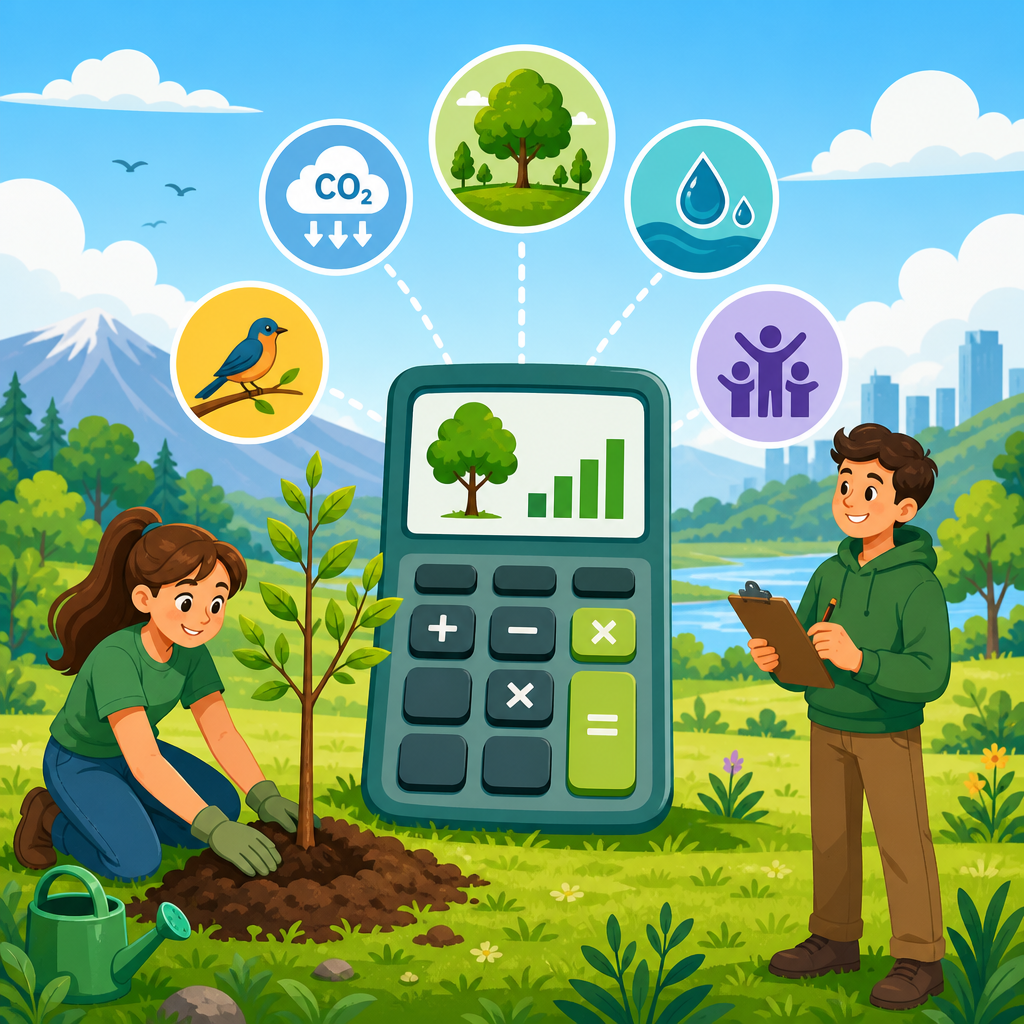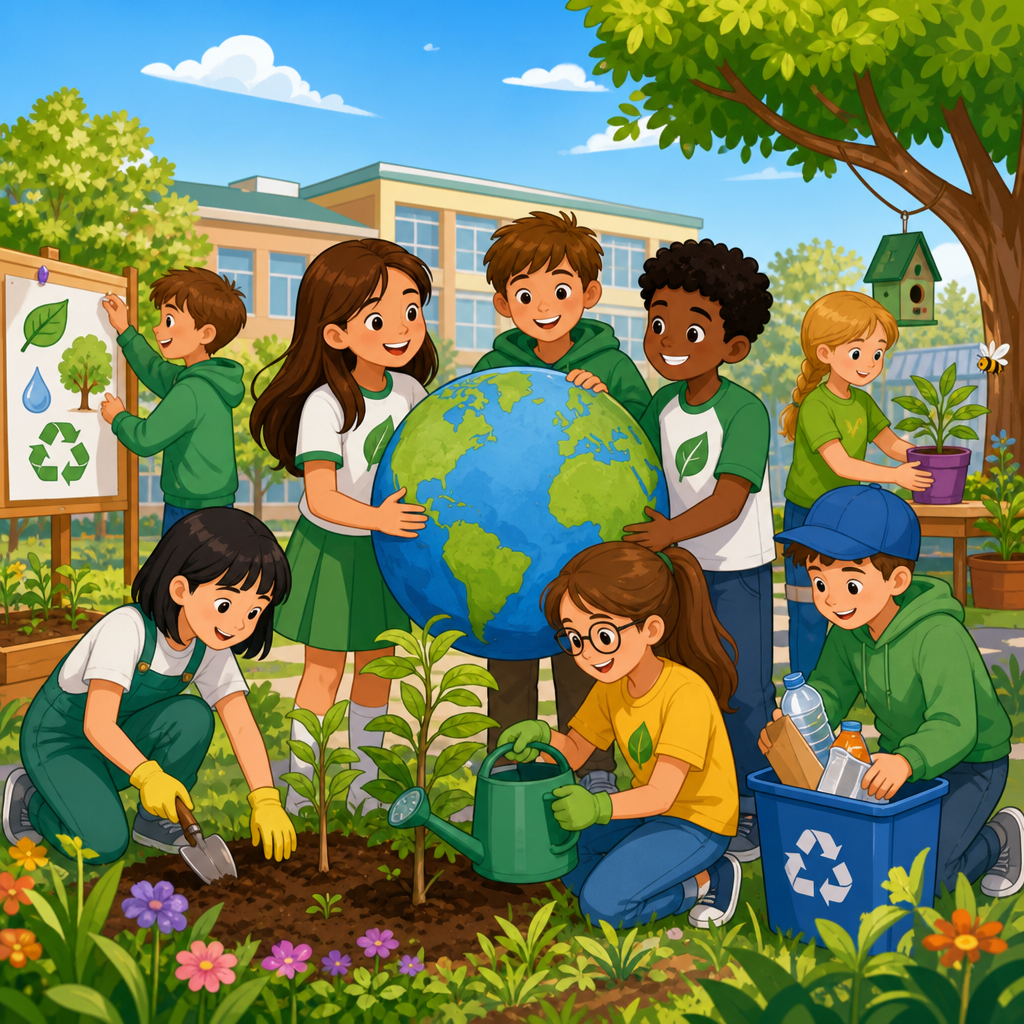
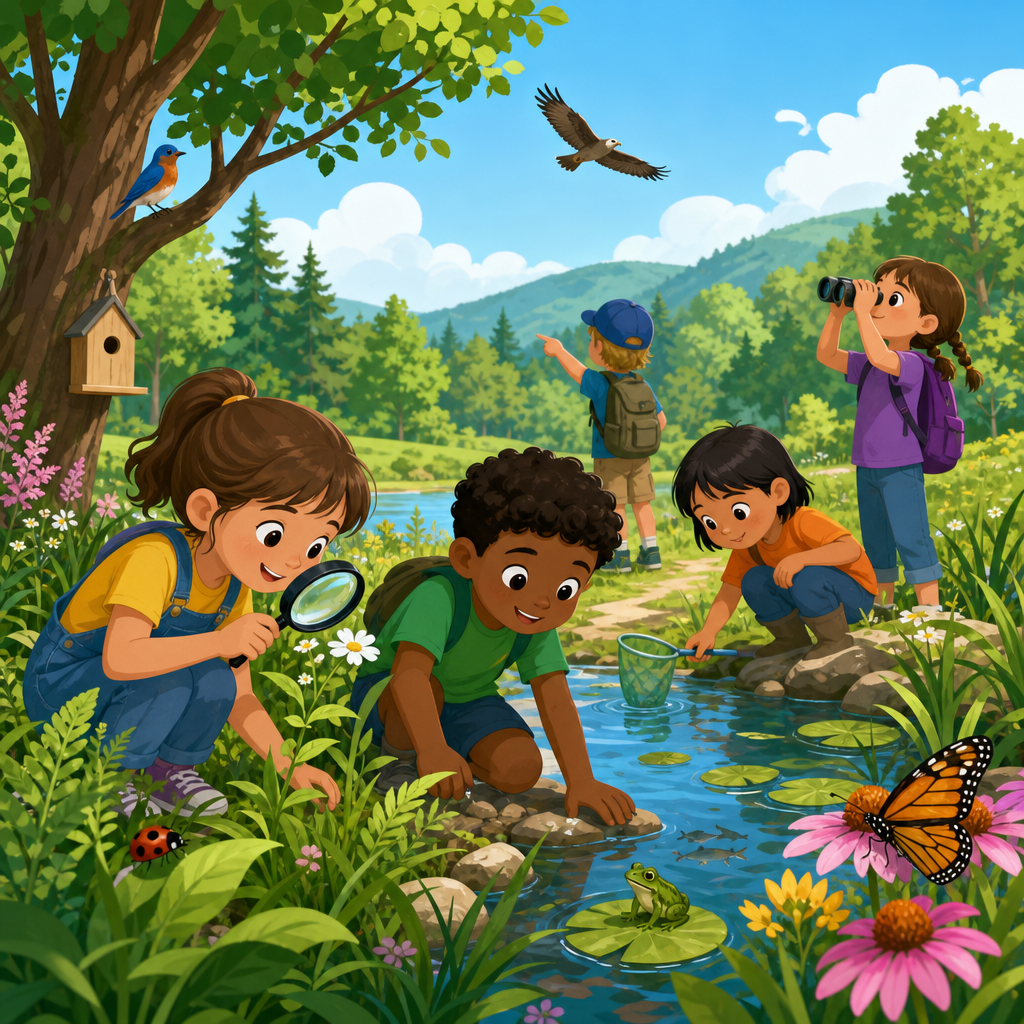
Kids and nature belong together, yet many children now spend more time with screens than with soil, trees, water, and weather. Outdoor play is more than recreation; it is a powerful pathway into environmental learning, the process of understanding how living things, natural systems, and human choices shape the world. In environmental science for kids, the goal is not to turn every child into a scientist. It is to help them notice patterns, ask questions, test ideas, and care about places they know firsthand. When children build forts, watch ants, compare leaves, or splash in puddles, they are practicing observation, classification, prediction, and cause-and-effect reasoning. Those are core scientific habits.
I have seen this repeatedly in school garden programs, park-based lessons, and family nature walks. Children who seem disengaged indoors often become focused outside because the environment gives them immediate, meaningful problems to solve. Why do worms appear after rain? Which plants attract bees? Why is one patch of soil dry and another muddy? These are not abstract prompts. They are direct invitations to learn ecology, weather, habitats, decomposition, pollination, and conservation in plain terms. Outdoor play also matters because environmental literacy increasingly affects daily life. Kids are growing up in a world shaped by climate change, biodiversity loss, water quality concerns, waste management, and urban development. They need age-appropriate knowledge, but they also need emotional connection. Without direct experience in nature, environmental topics can feel distant, fearful, or purely academic.
This hub article explains how outdoor play supports environmental science for kids across cognitive, physical, social, and ethical development. It also serves as a foundation for deeper learning in related topics such as ecosystems, recycling, weather, gardening, animal behavior, and sustainability. By understanding why play outdoors works so well, parents, teachers, homeschoolers, and community leaders can create better learning experiences. The strongest environmental education starts close to home: a yard, a sidewalk tree pit, a school garden, a vacant lot, a creek, or a neighborhood park. Children do not need wilderness to begin. They need time, permission, and guidance that turns curiosity into understanding.
Outdoor play builds the core skills behind environmental science
Environmental science for kids begins with direct sensory experience. Before children can understand food webs, watersheds, erosion, or seasonal cycles, they need repeated opportunities to observe real changes in real places. Outdoor play delivers that naturally. A child who returns to the same park notices that buds become leaves, flowers attract insects, puddles evaporate, and fallen logs host fungi and beetles. These observations create a mental framework for scientific concepts that are often difficult to grasp from worksheets alone.
In practice, outdoor play teaches the same foundational skills used in formal science instruction. Observation develops when children compare bird calls, count petals, or notice cloud shapes. Classification appears when they sort rocks by texture, group leaves by edge shape, or distinguish insects from spiders by leg count. Prediction emerges when they guess which objects will float, where shade will cool the ground, or when rain will make a trail slippery. Testing happens when they build a dam in a stream, alter a ramp for a toy car, or plant seeds in sun and shade. Because the feedback is immediate, learning sticks.
Research supports this pattern. Studies in environmental education and child development consistently find that hands-on, place-based learning improves engagement, recall, and critical thinking. Organizations such as the North American Association for Environmental Education emphasize that meaningful outdoor experiences help children connect knowledge with action. The benefit is not only academic. Children develop confidence as they learn they can investigate a problem, gather evidence, and revise an idea. That sense of competence is essential if later lessons on pollution, habitat loss, or climate resilience are going to feel manageable rather than overwhelming.
Nature play turns abstract environmental concepts into lived experience
Many environmental topics are too large or too complex for children if introduced only through global examples. Deforestation, carbon cycles, and biodiversity decline can sound remote. Outdoor play makes those ideas concrete by linking them to familiar experiences. A child does not start with “ecosystem services.” They start by noticing that a tree creates shade, holds a bird nest, drops seeds, and shelters insects. From there, adults can explain that one living thing supports many others. That is ecology made understandable.
Take decomposition. In a classroom, the concept may be described as the breakdown of organic matter by fungi, bacteria, and invertebrates. Outdoors, children can lift a damp leaf pile and see decomposers at work. They can compare fresh leaves with crumbly soil and understand that dead material returns nutrients to the ground. The same principle applies to pollination. Instead of memorizing a definition, children can watch bees move between flowers and learn how pollen transfer helps plants make seeds and fruit. Watching the process takes the lesson from memorized vocabulary to evidence-based understanding.
Weather is another strong example. Children learn more when they feel wind direction, compare sun and shade temperatures, or watch stormwater move downhill after rain. Concepts such as evaporation, runoff, and erosion become visible. Urban environments are full of teachable examples too. Heat rising from asphalt compared with grass introduces the urban heat island effect. Litter trapped near a storm drain starts a conversation about watersheds and ocean pollution. Outdoor play does not simplify environmental science by removing complexity. It sequences learning correctly, grounding big ideas in direct experience first.
Outdoor environments support emotional connection and long-term stewardship
Knowledge alone rarely creates environmental responsibility. Children protect what they know personally, enjoy regularly, and feel attached to emotionally. Outdoor play supports that bond because it gives nature positive meaning. A child who climbs the same oak tree, visits the same pond, or grows food in a school garden begins to see that place as part of life rather than as scenery. That attachment matters. Environmental psychologists and educators have long noted that early positive experiences outdoors are strongly associated with later conservation attitudes and behaviors.
In my experience, stewardship grows from familiarity. When children notice that a favorite butterfly patch has fewer flowers after mowing, or that a creek has more trash after a storm, concern becomes authentic. They are not repeating an adult message. They are responding to change in a place they value. This is why service activities connected to play are so effective. Picking up litter in a park, building a pollinator bed, or refilling a bird water station links care with action. Children learn that environmental problems are not only things to fear; they are things people can address together.
Outdoor play also reduces the emotional distance that can make environmental topics feel heavy. Young children especially need wonder before worry. They need to experience beauty, surprise, and competence before they can productively discuss habitat destruction or climate impacts. This does not mean avoiding difficult realities. It means pacing them developmentally. Start with local habitats, useful actions, and observable cycles. Then gradually connect those experiences to larger environmental systems. Children who feel grounded in a real relationship with nature are better prepared for complex conversations later.
What children learn outside at different ages
Environmental science for kids works best when activities match developmental stages. Preschoolers learn through sensory exploration, movement, and repetition. They benefit from collecting safe natural objects, splashing in water, watching insects, smelling herbs, and noticing simple changes such as wet versus dry or rough versus smooth. At this age, naming is powerful. Words like seed, root, cloud, nest, worm, and habitat help children organize what they see.
Elementary-aged children are ready for more structure. They can map a playground habitat, compare plant growth, track moon phases, keep a weather journal, and observe how animals use shelter. They begin to understand systems: plants need sunlight, water, nutrients, and pollinators; animals need food, water, shelter, and space. They can also grasp human impact through recycling audits, compost experiments, and schoolyard biodiversity counts.
Older children can handle more explicit scientific reasoning and more nuanced environmental questions. They can compare native and invasive species, test water quality with simple kits, measure temperature differences between surfaces, and discuss tradeoffs in land use. They are also ready to evaluate sources, question claims, and connect local observations to regional or global issues. The progression matters because it respects how children learn. Effective outdoor education does not rush abstract content before children have a strong base of firsthand experience.
| Age group | Best outdoor learning focus | Example activity | Environmental concept |
|---|---|---|---|
| Ages 3–5 | Sensory discovery and naming | Leaf, rock, and bug hunt | Living vs. nonliving things |
| Ages 6–8 | Patterns and simple systems | Garden pollinator observation | Plant life cycles and habitats |
| Ages 9–11 | Cause and effect | Compost comparison bin | Decomposition and nutrient cycles |
| Ages 12+ | Evidence and human impact | Schoolyard heat mapping | Microclimates and land use |
How families and educators can create strong outdoor learning experiences
The best outdoor environmental learning does not require expensive equipment or long field trips. It requires intentional routines. Start by choosing a nearby place children can visit regularly. Repeated visits are more valuable than one dramatic outing because they reveal change over time. A single tree, drainage ditch, or garden bed can become a long-term study site. Encourage children to ask questions first, then help them investigate. A notebook, magnifying glass, ruler, thermometer, and camera are enough for many activities.
Adults should balance freedom with light structure. Open-ended play invites discovery, but a few prompts deepen learning: What changed since last week? Which organisms are using this space? Where is water moving? What evidence do you see of animal activity? These questions promote observation without taking over the experience. For schools, integrating literacy and math makes outdoor time easier to sustain. Students can graph rainfall, write habitat descriptions, estimate plant height, or compare species counts. The environment becomes both subject matter and classroom.
Safety and access deserve serious attention. Outdoor learning should include sun protection, hydration, boundary setting, allergy awareness, and respectful wildlife practices. Equity matters too. Not every family has easy access to green space, and not every child feels immediately comfortable outdoors. Community gardens, schoolyards, street trees, pocket parks, and nature centers can close some of that gap. The key is consistency. Small, regular contact with nearby nature often has more educational value than occasional special events.
Common barriers and how to overcome them
The most common barrier is the belief that meaningful nature study requires pristine wilderness. It does not. Environmental science is visible almost everywhere. Weeds pushing through pavement show adaptation. Pigeons and squirrels illustrate urban wildlife behavior. Storm drains teach runoff. Moss on a wall shows moisture patterns. When adults learn to frame these observations, cities become living laboratories.
Another barrier is time. Families and teachers often feel pressured by schedules and academic demands. The solution is integration rather than addition. Ten minutes of cloud observation can support science and descriptive writing. A lunch-recess garden check can reinforce data collection. Walking the same route home can become a phenology study, tracking seasonal changes in plants and animals.
Weather is often treated as a problem, but moderate cold, wind, and light rain can expand learning when children are dressed appropriately. Different conditions reveal different processes. Rain shows drainage and absorption. Winter reveals tracks and dormancy. Heat prompts conversations about shade, water, and adaptation. The final barrier is adult confidence. Many caregivers worry they do not know enough science. They do not need all the answers. They need curiosity, careful observation, and a willingness to say, “Let’s find out.”
Why this topic matters now
Children today are inheriting environmental challenges that demand both knowledge and resilience. They will make decisions as voters, consumers, workers, neighbors, and parents in a world where water use, waste reduction, habitat protection, and climate adaptation are practical concerns, not niche interests. Outdoor play builds the groundwork for those future choices by making environmental systems visible early and often. It gives children scientific habits, emotional connection, and a sense of agency.
As a hub for environmental science for kids, this topic connects naturally to related lessons on ecosystems, weather, recycling, composting, gardening, renewable energy, wildlife, and conservation. The unifying principle is simple: children learn environmental responsibility best when they can see, touch, test, and care for the natural processes around them. Outdoor play is not separate from learning. It is one of the most effective ways to make environmental learning real.
The next step is straightforward. Choose one outdoor place your child or students can revisit this week, spend time there without rushing, and follow one genuine question together. That small habit can grow into deeper scientific understanding, stronger environmental values, and a lifelong relationship with nature.
Frequently Asked Questions
Why is outdoor play so important for environmental learning?
Outdoor play gives children direct, memorable experiences with the natural world, and that kind of firsthand contact is one of the strongest foundations for environmental learning. When kids dig in soil, watch ants carry food, notice how puddles dry after rain, or feel the difference between shade and sunlight, they are doing more than playing. They are building observation skills, asking questions, and learning how natural systems work in real life. These moments help children connect abstract ideas, such as habitats, weather, seasons, and ecosystems, to things they can actually see, touch, and explore.
It also helps children develop emotional connection and care. A child who has climbed trees, searched for worms, listened to birds, or collected leaves is more likely to value green spaces and understand that nature is not separate from everyday life. Environmental science for kids works best when it begins with curiosity, not lectures. Outdoor play encourages that curiosity naturally. Instead of simply memorizing facts, children start noticing patterns, making comparisons, and forming their own questions about how living things survive and interact. That makes learning more meaningful and far more likely to last.
How does outdoor play help children think like young scientists?
Outdoor play supports scientific thinking because nature is full of patterns, changes, and surprises that invite investigation. Children may notice that some plants grow in sunny spots while others do better in shade, that insects gather near certain flowers, or that mud behaves differently after a dry day than after a storm. These observations lead naturally to the core habits of science: looking closely, wondering why, making predictions, testing ideas, and revising what they think based on what they find. In this way, outdoor play turns ordinary moments into real opportunities for inquiry.
Just as importantly, outdoor exploration makes science feel active and accessible. Children do not need a laboratory to practice scientific thinking. They can compare leaves, sort rocks, track clouds, observe bird behavior, or measure rainfall with simple tools. These experiences teach that science is not just something found in textbooks; it is a way of noticing and understanding the world. Over time, this builds confidence. Kids begin to trust their own observations, use evidence to explain what they see, and understand that questions are an important part of learning. That mindset is at the heart of environmental learning and can support academic growth across many subjects.
What kinds of outdoor activities best support environmental science for kids?
The best outdoor activities are often simple, repeatable, and tied to the child’s local environment. Nature walks, gardening, digging in soil, collecting leaves, watching insects, observing birds, measuring shadows, and checking how a favorite tree changes across the seasons are all excellent examples. These activities help children learn about living things, weather, water, habitats, and cycles in ways that feel playful rather than forced. Even small-scale experiences, such as tending a container garden, exploring a park, or observing a sidewalk crack where plants grow, can support meaningful environmental learning.
Activities are especially effective when they encourage children to notice change over time and ask open-ended questions. For example, children can keep a weather journal, sketch what they see outdoors, compare different natural materials, or observe which pollinators visit certain flowers. They might build a bug habitat, compost food scraps, or help care for a small garden bed to learn about decomposition, plant needs, and the connection between human choices and the environment. The goal is not to create perfect lessons every time. It is to give children regular chances to interact with nature in active, curious ways so environmental concepts become familiar, relevant, and real.
Can children still learn about nature if they live in a city or do not have easy access to wild spaces?
Yes. Environmental learning does not require forests, mountains, or large backyards. Children can learn a great deal about nature in cities, suburbs, and other built environments because natural systems are present everywhere. Street trees, community gardens, vacant lots, schoolyards, ponds, birds on rooftops, insects near lights, weeds pushing through pavement, and weather patterns across a neighborhood all provide rich opportunities for observation and discovery. In many cases, urban environments can even help children see more clearly how human choices affect ecosystems, water flow, temperature, air quality, and wildlife habitats.
What matters most is helping children pay attention to the nature that already exists around them. A short walk can become a lesson in seasonal change, adaptation, or biodiversity. A balcony planter can teach plant growth and pollination. Watching where rainwater collects after a storm can lead to questions about drainage and watersheds. Families and educators do not need perfect natural settings to support environmental science for kids. They need consistency, curiosity, and a willingness to treat everyday outdoor spaces as places for learning. When children understand that nature is part of their own neighborhood, environmental learning becomes more personal and more empowering.
How can parents and teachers encourage outdoor play that builds environmental awareness?
Parents and teachers can start by making outdoor time regular, flexible, and child-led. Children learn best when they have opportunities to explore, notice, and ask questions without feeling rushed. Adults do not need to provide constant instruction. In fact, one of the most effective approaches is to offer time, simple tools, and gentle guidance. Magnifying glasses, buckets, notebooks, field guides, or even just a place to dig and observe can go a long way. Adults can support learning by asking questions such as, “What do you notice?” “Why do you think that happened?” or “What do you want to find out next?” These prompts encourage deeper thinking while keeping curiosity at the center.
It also helps to model respect for nature through everyday actions. Children pay attention to how adults talk about animals, plants, weather, and local places. Gardening, picking up litter, conserving water, composting, planting native flowers, or discussing why pollinators matter can all connect outdoor play to environmental responsibility. Over time, these experiences show children that caring for nature is not a distant idea; it is part of daily life. The combination of free outdoor exploration, thoughtful conversation, and visible stewardship helps children build knowledge, empathy, and a lasting sense of connection to the environment around them.