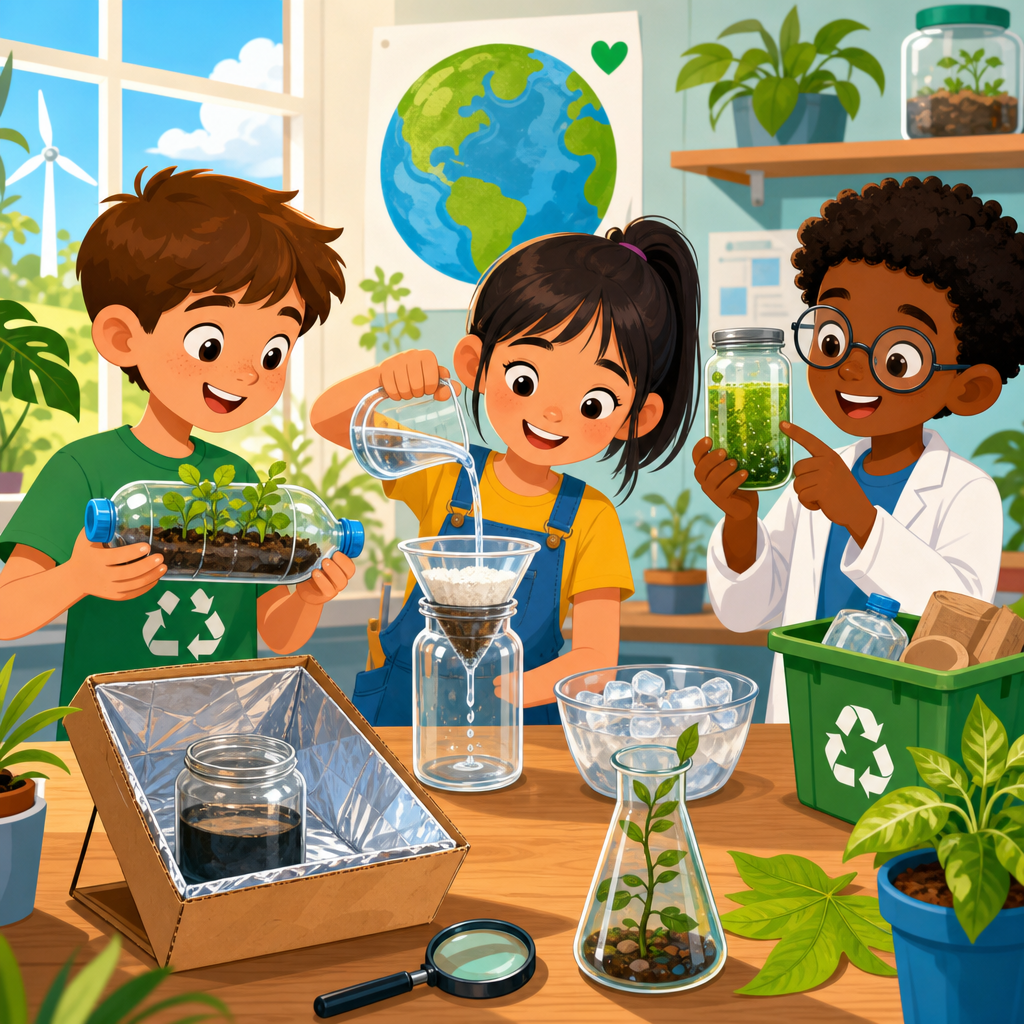
Kids are naturally curious about animals, and that curiosity makes endangered species one of the best ways to learn environmental science for kids. An endangered animal is a species at serious risk of disappearing forever, while a threatened species is likely to become endangered if conditions get worse. Extinction means a species no longer exists anywhere on Earth. Conservation is the work of protecting habitats, reducing harm, and helping wild populations recover. I have taught this topic in classrooms and nature programs, and the moment children realize that orangutans, sea turtles, red pandas, and rhinos depend on human choices, the subject becomes real. This guide explains what endangered animals are, why they matter, what puts them at risk, and how kids can help in practical, age-appropriate ways.
Learning about endangered animals matters because biodiversity keeps ecosystems stable. Biodiversity means the variety of living things in an area, including plants, animals, fungi, and microorganisms. Healthy ecosystems clean water, pollinate crops, build soil, store carbon, and regulate climate. When one species declines, the effects can spread through food webs. For example, if sea otters disappear, sea urchins can multiply and destroy kelp forests that shelter fish and absorb carbon dioxide. If bees and other pollinators decline, many fruits, vegetables, and wildflowers struggle to reproduce. Children do not need advanced biology to understand this. Every species has a role, and losing too many species weakens the systems that all life depends on, including people.
This article serves as a hub for environmental science for kids because endangered animals connect to many core topics: habitats, adaptation, food chains, climate, pollution, forests, oceans, and responsible consumption. It also introduces how scientists gather evidence. Researchers use camera traps, GPS collars, satellite images, DNA analysis, and population surveys to estimate how many animals remain and where they live. Conservation groups also rely on standards from organizations such as the International Union for Conservation of Nature, which maintains the well-known Red List categories. Understanding these basics helps kids ask stronger questions: What is harming the species? Where does it live? What does it eat? Who is working to protect it? Most importantly, what actions actually make a difference?
What makes an animal endangered?
An animal becomes endangered when its numbers drop so low that it faces a high risk of extinction. Scientists look at several factors, including population size, how fast the population is declining, how much habitat remains, and whether the remaining groups are isolated. A species with only a few hundred animals left in scattered pockets is more vulnerable than one with thousands spread across a wide range. Small populations also face genetic problems. If closely related animals breed repeatedly, harmful traits can become more common, and the species may have a harder time adapting to disease or environmental change.
Endangered status is not just about rarity. Some animals are naturally uncommon but stable. The danger comes when human-caused pressures push them downward faster than they can recover. Tigers, for example, need large territories and abundant prey. When forests are cut apart by roads and development, tiger populations become fragmented, and conflict with humans often increases. Sea turtles can lay many eggs, yet very few hatchlings survive even in healthy conditions. Add plastic pollution, fishing gear, beachfront lighting, and warming sands, and survival drops further. In practice, endangered species often face several threats at the same time, which is why conservation plans must be specific to each species and place.
Main reasons animals become endangered
The biggest driver is habitat loss. Forests are cleared for farms, roads, mines, and cities. Wetlands are drained. Rivers are dammed. Grasslands are converted into fields. When habitats shrink or break into smaller pieces, animals lose food, shelter, breeding sites, and migration routes. Orangutans in Borneo and Sumatra are a clear example. They depend on tropical forests, but logging, fires, and palm oil expansion have removed large areas of habitat. Even when some trees remain, isolated forest patches may be too small to support healthy populations over time.
Another major threat is overexploitation, which means taking too many animals from the wild through hunting, fishing, or trade. Elephants are killed for ivory, pangolins are trafficked for scales and meat, and many sharks are heavily targeted for fins. Some animals are also captured for the pet trade. Pollution adds another layer of harm. Pesticides can poison insects and birds. Oil spills coat feathers and fur. Plastic waste injures marine animals that swallow it or become tangled in it. Climate change intensifies these pressures by shifting temperatures, rainfall, sea level, and seasonal patterns faster than many species can adapt. Coral bleaching on reefs shows this clearly: warmer water can stress corals until they expel the algae they need to survive.
| Threat | How it harms animals | Example |
|---|---|---|
| Habitat loss | Removes food, shelter, and breeding space | Orangutans losing rainforest |
| Poaching and trade | Directly reduces populations | Rhinos hunted for horns |
| Pollution | Poisoning, entanglement, or habitat damage | Sea turtles swallowing plastic |
| Climate change | Alters temperature, water, and seasons | Polar bears losing sea ice |
| Invasive species | Compete with or prey on native wildlife | Island birds threatened by introduced rats |
Endangered animals kids should know
Some endangered animals are well known, but the details behind their stories are what make them powerful teaching examples. Amur leopards live in the Russian Far East and parts of China, and they are among the rarest big cats in the world. Their survival depends on protected forests, prey recovery, and anti-poaching enforcement. Javan rhinos are even rarer and survive in a single main population in Indonesia, which makes them highly vulnerable to disease outbreaks, storms, or habitat disruption. Mountain gorillas, found in central Africa, have shown that conservation can work. Through protected areas, veterinary care, community partnerships, and tourism rules, their numbers have increased, though they still remain endangered and require constant protection.
In the oceans, hawksbill sea turtles are threatened by illegal trade, fishing gear, and coral reef decline. Vaquitas, a small porpoise from the Gulf of California, are in critical danger because they become trapped in gillnets. On land, red wolves in the United States and African wild dogs in several African countries face habitat fragmentation and conflict with people. Not every important species is large or famous. Many frogs, freshwater mussels, and pollinating insects are declining fast, and these species often provide essential ecosystem services. When teaching environmental science for kids, I make sure children see both charismatic animals and overlooked species, because conservation is not just about saving the most photogenic wildlife.
How scientists protect species and track recovery
Conservation starts with evidence. Scientists count animals using direct observation, acoustic monitoring, footprint surveys, drones, camera traps, and mark-recapture methods. Marine biologists may tag turtles or sharks to track migration routes. Genetic sampling from hair, scat, or water can reveal whether a species is present even when it is hard to see. This environmental DNA, often called eDNA, has become a valuable tool for detecting rare aquatic species. Data collection matters because protection plans fail when they are based on guesses. If a species breeds in one valley, migrates through another, and winters somewhere else, conservation must cover all three places.
Protection methods vary. Governments can create national parks, marine protected areas, and wildlife corridors that connect fragmented habitats. Rangers and customs officers enforce laws against poaching and trafficking. Zoos and breeding centers sometimes run carefully managed captive breeding and reintroduction programs, as happened with the California condor and black-footed ferret. Habitat restoration is another core strategy. That can mean planting native trees, removing invasive predators from islands, rebuilding wetlands, or changing dam operations to help fish migration. Good conservation also includes local communities. When people have secure livelihoods and a stake in healthy ecosystems, protection is far more durable than rules imposed without cooperation.
What kids can do to help endangered animals
Kids can make a real difference when their actions are specific and consistent. Start at home by reducing waste. Use a reusable water bottle, lunch container, and shopping bag. Plastic reduction matters because lightweight trash often ends up in rivers and oceans, where animals mistake it for food. Save energy by turning off lights, unplugging chargers, and walking or biking short distances when safe. Energy use connects to wildlife through climate change, which affects habitats on land and in the sea. Food choices also matter. Wasting less food reduces pressure on land, water, and energy systems. Families can also look for responsibly sourced products, including paper or wood certified by trusted forestry standards and seafood recommended by science-based guides such as Seafood Watch.
Kids can also help through learning and advocacy. Join a school eco-club, organize a habitat cleanup, plant native flowers for pollinators, or build a small wildlife-friendly garden without pesticides. Native plants are important because local insects and birds evolved with them and often depend on them. Support conservation organizations through fundraisers, but choose groups that explain how donations are used. Writing letters, making posters, or giving class presentations can spread accurate information. One of the strongest habits is asking good questions before buying anything made from wildlife or from materials linked to deforestation. Thoughtful consumers influence markets, and markets influence habitat. Small actions, repeated by many people, create measurable change over time.
How to learn more about environmental science for kids
This hub is a starting point for deeper study across the whole Education and Resources section. After learning about endangered animals, kids can explore food webs, habitats, climate systems, recycling, water pollution, forests, oceans, and biodiversity. These topics fit together. A lesson on pollinators connects to plants and farming. A lesson on coral reefs connects to ocean temperature, acidity, and fish habitats. A lesson on wolves connects to predator-prey balance and ecosystem restoration. Building these links helps children understand that environmental science is not a list of isolated facts. It is the study of relationships in the natural world and how human decisions change those relationships.
Reliable sources matter. Encourage kids to use national park services, major museums, aquariums, universities, and conservation groups with published research and transparent methods. Many offer live cams, species profiles, downloadable lesson plans, and citizen science projects. Platforms such as iNaturalist and eBird allow families and classrooms to record wildlife observations that scientists can use. Documentaries can spark interest, but they should be paired with current information because species status can change. I also recommend looking for local examples. A threatened frog in a nearby wetland or a nesting sea turtle on a regional beach often teaches more effectively than a distant animal because children can see the habitat, the threats, and the solutions firsthand.
Endangered animals give kids a clear, memorable way to understand environmental science for kids because every species story includes habitat, adaptation, evidence, and human impact. The key lesson is simple: animals become endangered when the places they need are damaged, when too many are taken from the wild, or when pollution and climate change make survival harder. Scientists respond with research, protected areas, law enforcement, breeding programs, and habitat restoration. Communities, schools, and families support that work through informed choices and local action. Conservation is not wishful thinking. It is practical problem-solving based on biology, data, and cooperation.
The most useful takeaway for young readers is that helping wildlife does not require waiting until adulthood. Kids can reduce waste, protect pollinators with native plants, learn from trusted sources, share facts with friends, and support organizations doing proven work. Those actions may seem small, but conservation often succeeds because many small efforts add up across homes, classrooms, neighborhoods, and countries. If you want this hub to be valuable, use it as a launch point: pick one endangered animal, learn its habitat and threats, and choose one action to help this week. That is how curiosity becomes stewardship, and stewardship is how species endure for future generations.
Frequently Asked Questions
What does it mean when an animal is endangered?
An animal is called endangered when its population has dropped so much that it is at serious risk of disappearing forever. This means there are not enough of that species left in the wild to feel safe about its future. A closely related term is threatened, which describes a species that may become endangered if the problems it faces continue or get worse. If a species disappears completely and no individuals are left anywhere on Earth, that is called extinction. These words are important because they help scientists, teachers, and families understand how urgent the situation is. When kids learn the difference between endangered, threatened, and extinct, they are building a strong foundation in environmental science and understanding why protecting wildlife matters.
Why do animals become endangered?
Animals become endangered for several major reasons, and most of them are connected to changes in the environment caused by people. One of the biggest causes is habitat loss, which happens when forests are cut down, wetlands are drained, oceans are polluted, or grasslands are turned into roads, farms, and cities. Animals also struggle when they are hunted or captured too much, when pollution poisons their homes, or when climate change alters temperatures, rainfall, sea ice, or food supplies. Some species are harmed by invasive species, which are plants or animals introduced to an area where they do not belong and can upset the natural balance. When these pressures build up over time, animal populations become smaller and weaker, making it harder for them to survive and raise young. Learning these causes helps kids see that endangered species are not just random facts in a book—they are part of a bigger story about habitats, ecosystems, and how human choices affect the natural world.
What is conservation, and how does it help endangered animals?
Conservation is the work of protecting nature so plants, animals, and habitats can stay healthy and recover. For endangered animals, conservation can include creating wildlife reserves, protecting nesting areas, restoring forests and rivers, passing laws against poaching, reducing pollution, and helping scientists study animal populations. In some cases, conservation programs also breed rare animals in safe settings and carefully return them to the wild. The goal is not just to save one individual animal, but to support whole populations so they can survive on their own over time. Conservation also helps preserve biodiversity, which means the variety of living things in an ecosystem. Biodiversity is important because ecosystems work best when many different species are present and interacting in balance. For kids, conservation is a powerful idea because it shows that people can solve problems, repair damage, and make positive changes for wildlife.
How can kids help endangered animals in real life?
Kids can help endangered animals in many meaningful ways, even through small everyday actions. One of the best ways is to learn about animals and share accurate information with friends and family, because awareness often leads to better choices. Kids can also help by recycling, reducing plastic waste, saving water, and turning off lights and electronics when they are not needed, since these habits reduce pollution and save resources. Another great step is respecting wildlife by not disturbing nests, not feeding wild animals, and staying on trails when visiting parks or nature areas. Families can support zoos, aquariums, sanctuaries, and conservation groups that do real scientific and habitat protection work. Kids can even organize school projects, classroom posters, donation drives, or neighborhood cleanups to protect local habitats. These actions may seem simple, but when many people work together, they can make a real difference for endangered species and the places they live.
Why is it important for kids to learn about endangered animals?
Learning about endangered animals helps kids understand science in a real and memorable way. It connects biology, ecosystems, climate, geography, and human responsibility all in one topic. Kids are naturally curious about animals, so endangered species can be a powerful starting point for learning how living things depend on food, water, shelter, and balanced habitats. This topic also encourages empathy, critical thinking, and problem-solving, because kids begin to ask important questions such as what caused the problem, what might happen next, and how people can help. Just as importantly, learning about endangered animals gives children hope. Instead of only hearing about loss, they can also discover success stories where species recovered because people took action. That combination of knowledge and hope can inspire lifelong care for the environment and help kids grow into informed, responsible citizens who understand that protecting wildlife is part of protecting our shared planet.