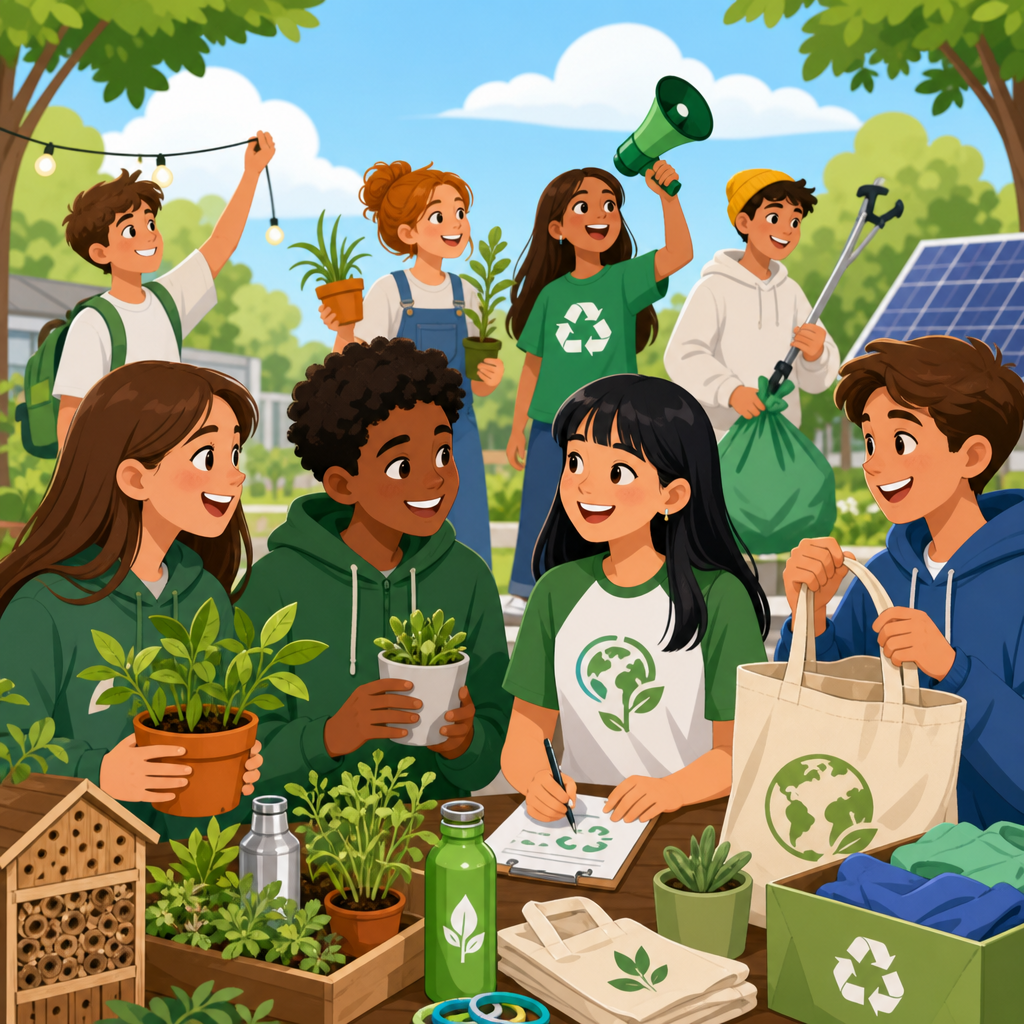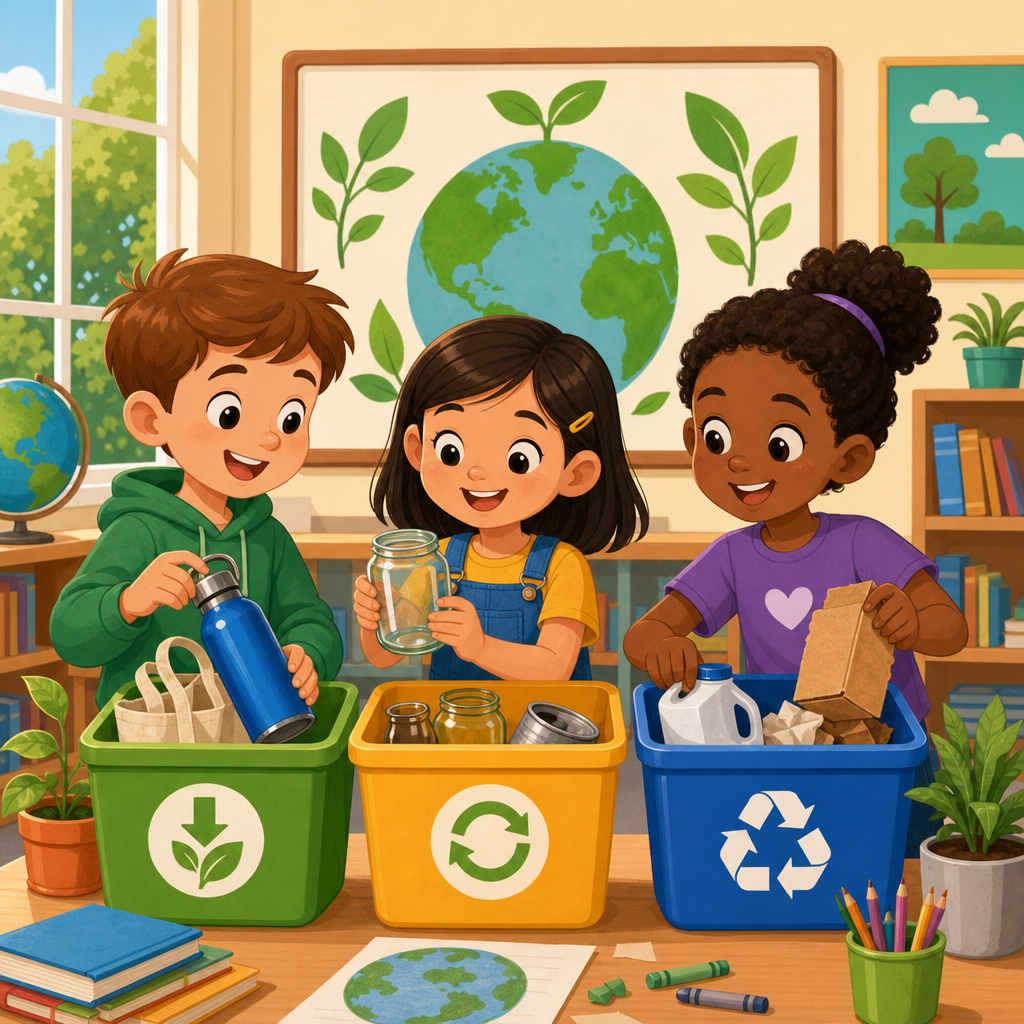
Teaching the 3 R’s in the classroom gives schools a practical entry point into environmental curriculum for schools, because reduce, reuse, and recycle turn an abstract global issue into daily habits students can observe, measure, and improve. In education, the 3 R’s are not just slogans. Reduce means preventing waste before it is created, reuse means extending the life of materials through repeated or alternative use, and recycle means processing discarded materials into new products when reduction and reuse are no longer possible. I have seen this sequence matter in real classrooms: when teachers start with recycling alone, students often think every item belongs in a bin and that consumption has no consequence. When teachers present the full hierarchy, students quickly understand that the best waste is the waste never produced.
This matters because schools are high-visibility communities with cafeterias, copy rooms, art supplies, sports events, transportation systems, and hundreds or thousands of daily purchasing decisions. According to the U.S. Environmental Protection Agency, schools generate large volumes of paper, food waste, plastics, cardboard, and packaging, much of which can be prevented or diverted through better systems. A strong environmental curriculum for schools connects those operational realities to science, health, civics, economics, and student leadership. It helps students understand resource extraction, energy use, landfill impacts, recycling contamination, and the social choices behind consumption. Done well, it also supports school improvement goals such as lower waste hauling costs, cleaner campuses, stronger project-based learning, and visible community partnerships. As a hub topic, this article explains how schools can teach the 3 R’s across grade levels, subjects, and campus routines while building lasting environmental literacy.
Why the 3 R’s belong at the center of environmental curriculum for schools
The 3 R’s belong at the center of environmental curriculum for schools because they offer a simple framework for systems thinking. Students can begin with a familiar object such as a plastic water bottle, a worksheet, or a lunch tray and trace its life cycle from raw materials to manufacturing, transport, use, and disposal. That inquiry naturally leads into standards-aligned lessons on ecosystems, fossil fuels, forestry, chemistry, municipal services, public policy, and consumer behavior. In elementary grades, teachers can focus on sorting, conservation, and classroom routines. In middle school, students can investigate material types, decomposition rates, and local waste streams. In high school, they can analyze procurement policies, audit data, compare life-cycle impacts, and debate environmental justice issues linked to landfills, incinerators, and recycling markets.
The hierarchy matters. Reduce comes first because source reduction avoids extraction, manufacturing, packaging, transport, and disposal. Reuse follows because durable items usually have lower impact over time than single-use equivalents, though teachers should explain cleaning, storage, and health considerations honestly. Recycle comes third because it can save materials and energy, but it still depends on collection systems, sorting infrastructure, end markets, and low contamination rates. In practice, many students arrive with the misconception that recycling is enough. They need direct instruction that a recyclable item thrown away is trash, a nonrecyclable item placed in the recycling bin is contamination, and a product that never had to be purchased is often the most sustainable option. That order gives students a decision model they can use at school and at home.
How to teach reduce, reuse, and recycle through school routines
The most effective instruction links lessons to routines students repeat every day. Classroom waste stations are a strong starting point. Instead of a single trash can, teachers can use clearly labeled stations for paper, bottles and cans where locally accepted, landfill waste, and in some schools compostables. Labels should include pictures of actual school items, because students sort better when signage reflects the things they hold in their hands. Cafeterias offer another rich setting. Students can measure unopened food, packaging, and liquid waste, then test interventions such as share tables, reusable trays, bulk condiment dispensers, and improved lunch period timing. These are not symbolic exercises. They teach observation, data collection, and behavior change.
School supply use also reveals the difference between the three actions. Reduce can include default double-sided printing, digital submission when appropriate, reusable whiteboard sleeves, and tighter purchasing controls on disposable decorations. Reuse can involve classroom libraries of binders, folders, fabric scraps, lab containers, and maker materials. Recycle can include office paper recovery, cardboard collection from deliveries, and bottle and can programs where local contracts allow. In my experience, students learn best when adults model the same expectations. If teachers ask children to sort correctly but the staff room overflows with single-use coffee pods, mixed materials, and unlabeled bins, the hidden curriculum undercuts the lesson. Consistency across classrooms, offices, and events is what turns awareness into culture.
Practical lesson design by grade band and subject area
Environmental curriculum for schools works best when it is woven into existing subjects rather than confined to an annual Earth Day activity. In early elementary classrooms, teachers can use read-alouds, picture sorts, and simple classroom jobs. Students can count how many paper towels they use after handwashing, compare that number before and after a reduction campaign, and create posters encouraging one towel when possible. In upper elementary, students can weigh weekly paper recycling, graph trends, and write persuasive letters to the principal requesting refill stations or a schoolwide reuse shelf. These activities build numeracy and explanatory writing while making environmental content concrete.
Middle school opens the door to deeper inquiry. Science classes can examine decomposition by comparing organic matter, paper, aluminum, and plastics under different conditions. Social studies can explore how cities fund waste collection, why landfill siting raises equity concerns, and how consumer culture shapes demand for disposable products. Math classes can calculate per-student waste generation and project annual savings from reusables. Art rooms can discuss the value and limits of “upcycling,” emphasizing design quality and function instead of producing clutter disguised as sustainability. High school courses can go further by analyzing life-cycle assessment, extended producer responsibility, circular economy principles, and green procurement standards. Students can review local hauler guidelines, interview facilities managers, and present realistic recommendations to district leaders rather than idealized wish lists.
Building a schoolwide waste reduction program that supports learning
A strong schoolwide program starts with a baseline audit. Students and staff should know what is being thrown away, where it comes from, and what can actually change. A basic audit usually samples classroom bins, cafeteria waste, office paper, and event trash, then categorizes material by type and weight. From there, schools can set clear goals such as reducing landfill waste by 20 percent, increasing paper capture, or cutting disposable lunch packaging. Roles matter. Administrators approve policy and purchasing changes, custodial teams advise on collection logistics, teachers connect operations to instruction, food service leaders address cafeteria systems, and student teams help with outreach and monitoring. Without that cross-functional structure, programs often fail because the educational message is disconnected from daily operations.
The table below shows how schools can align the 3 R’s with practical actions and learning outcomes.
| Focus | School Action | Classroom Connection | Expected Result |
|---|---|---|---|
| Reduce | Default double-sided printing and digital newsletters | Students track paper purchasing and usage trends | Lower paper consumption and cost |
| Reduce | Reusable cafeteria trays or durable serviceware | Math classes compare waste volume before and after change | Less landfill waste and fewer hauling pickups |
| Reuse | Supply exchange for binders, folders, and art materials | Students classify materials by condition and lifespan | Extended product use and lower purchasing needs |
| Reuse | Refillable water bottle stations | Science classes discuss plastics, hydration, and behavior | Fewer single-use bottles on campus |
| Recycle | Standardized bins with image-based signage | Students conduct contamination checks and report findings | Higher recycling quality and participation |
| Recycle | Cardboard and office paper collection contracts | Students study local recycling markets and end uses | Better diversion of accepted materials |
Programs become durable when schools keep instructions simple and measure progress visibly. A hallway poster showing monthly landfill reduction or contamination improvement gives students evidence that their actions matter. Celebrations should reward accurate habits, not just volume, because an overflowing recycling bin full of contamination is not a success. Districts that standardize bin colors and signage across schools usually see better results because students do not have to relearn the system in every room.
Common mistakes, equity considerations, and how to improve results
The most common mistake is teaching recycling as the primary solution. That leads students to overlook purchasing, packaging, and reuse systems. Another frequent error is accepting items the local program does not process. Wish-cycling, such as tossing plastic utensils, snack wrappers, or coffee cups into mixed recycling without confirmation, increases contamination and can raise costs. Schools should always align lessons and signage with municipal or hauler rules. A third mistake is designing programs without custodial staff input. If collection routes, bin liners, storage space, and contamination response are not realistic, even well-intentioned initiatives collapse quickly.
Equity also matters. Not every family can buy stainless steel lunch containers, reusable cutlery, or premium school supplies. Teachers should avoid framing sustainability as a shopping exercise. Better approaches include school-provided reuse systems, classroom supply libraries, refill stations, repair activities, and behavior changes that do not depend on household spending. Language access is essential too. Signage and family communications should reflect the languages used in the school community. Older facilities present another limitation. Some campuses lack space for sorting stations or compost collection, while others share waste contracts at the district level. Students should understand these constraints, because realistic environmental education teaches problem-solving within actual systems. The goal is not perfection. It is continual improvement grounded in accurate information, practical infrastructure, and shared responsibility.
Connecting the hub to broader environmental learning and community action
As a hub within Education and Resources, environmental curriculum for schools should connect the 3 R’s to broader topics students and educators can explore next. Waste education naturally links to composting, school gardens, climate literacy, water conservation, energy efficiency, sustainable transportation, and green purchasing. For example, a cafeteria waste study can lead to compost system planning, food recovery partnerships, or lessons on methane emissions from landfills. A paper reduction campaign can lead to forest stewardship and biodiversity discussions. A refill station initiative can connect to local watershed education and public health. These cross-links matter because students learn that environmental issues are interconnected, not isolated campaigns competing for attention.
Community partnerships strengthen this work. Local solid waste agencies can provide sorting guidance, landfill or materials recovery facility tours, and outreach materials. Nonprofits may support waste audits, repair events, or student leadership training. Businesses can donate durable supplies or sponsor refill infrastructure, though schools should vet partnerships carefully and avoid greenwashing. Families are essential partners as well. When students bring home a clear explanation of what reduce, reuse, and recycle mean in their district, household habits often shift. Schools that share audit results, student projects, and practical tips build trust and extend learning beyond campus. If you are developing or improving an environmental curriculum for schools, start with the 3 R’s, map them to daily routines, and build outward from there. A clear system, accurate instruction, and student ownership can turn waste reduction into one of the most visible and effective forms of environmental education.
Frequently Asked Questions
1. What do reduce, reuse, and recycle actually mean in a classroom setting?
In the classroom, the 3 R’s work best when they are taught as a clear order of priority rather than as three equal actions. Reduce means preventing waste before it happens. For students, that can look like using only the paper they need, choosing digital assignments when appropriate, bringing reusable water bottles, avoiding single-use supplies, and planning projects carefully so materials are not wasted. Reuse means extending the life of an item instead of throwing it away after one use. In schools, this could include turning scrap paper into note pages, reusing folders and binders, repurposing cardboard for art or STEM projects, and creating classroom supply stations where materials can be shared instead of constantly replaced. Recycle means collecting eligible materials so they can be processed into new products, but only after reducing and reusing options have been considered.
This distinction matters because students often learn “recycling” first, even though it is the last step in the waste hierarchy. Teaching the 3 R’s in order helps children understand that the most effective environmental action is to create less waste in the first place. That makes the lesson practical and measurable. Students can see how many sheets of paper they save, how many materials get used again, and how much less trash the classroom produces over time. By connecting each “R” to everyday routines, teachers turn sustainability from an abstract concept into a set of habits students can practice immediately and carry into life outside school.
2. Why is teaching the 3 R’s an effective way to introduce environmental education in schools?
Teaching the 3 R’s gives schools a practical entry point into environmental curriculum because it translates a very large global issue into actions students can observe, measure, and improve every day. Topics such as climate change, resource depletion, landfill use, and pollution can feel distant or overwhelming, especially for younger learners. The 3 R’s make those issues concrete. When students notice how much paper is discarded in a week, how many reusable items replace disposables, or how a recycling system changes classroom waste, they begin to understand how personal and community choices affect the environment.
It is also effective because the 3 R’s naturally support cross-curricular learning. In science, students can explore natural resources, decomposition, and material life cycles. In math, they can collect data on waste reduction, weigh recycling bins, create graphs, and compare weekly trends. In language arts, they can write reflections, persuasive essays, or public-awareness messages. In social studies, they can examine how communities manage waste and why local recycling rules differ. This makes the topic academically rich rather than an “extra” activity.
Just as importantly, the 3 R’s build student agency. Instead of feeling powerless about environmental problems, students experience that their choices matter. A well-run classroom system shows them that sustainability is not only about big policy decisions; it is also about daily responsibility, thoughtful consumption, and stewardship of shared spaces. That combination of relevance, visibility, and action is why the 3 R’s remain one of the strongest foundations for environmental education in schools.
3. How can teachers make lessons about reduce, reuse, and recycle engaging and age-appropriate?
The most effective approach is to connect the 3 R’s to routines and hands-on experiences students already understand. For younger students, teachers can start with simple sorting activities, picture books, classroom clean-up investigations, and visual examples of items that can be reduced, reused, or recycled. They may compare a disposable lunch with a reusable lunch, turn old containers into organizers, or create a “waste audit” by examining what the class throws away in a day. These concrete experiences help young learners grasp the difference between the three terms without relying on abstract explanation alone.
For upper elementary and middle grades, engagement grows when students become investigators and problem-solvers. Teachers can challenge them to measure classroom waste, design reuse systems for commonly discarded materials, or research what their local recycling program actually accepts. Students can analyze why contamination happens in recycling bins, evaluate which classroom habits create unnecessary waste, and propose improvements supported by evidence. This level of inquiry encourages critical thinking and helps students understand that environmental responsibility requires informed decisions, not just good intentions.
Across all age levels, student ownership is key. Assigning rotating roles such as recycling monitor, materials manager, or sustainability team member gives learners a meaningful part in the process. Project-based learning can also make the topic more memorable. Students might build from reused materials, create posters for the school community, or run a campaign to reduce single-use items. When lessons are interactive, local, and connected to visible outcomes, students are far more likely to retain the concepts and apply them consistently.
4. What are some practical ways schools and classrooms can reduce waste every day?
Daily waste reduction works best when schools focus on systems rather than one-time events. A strong starting point is paper use, since paper waste is common in classrooms and easy to track. Teachers can reduce unnecessary printing, use double-sided copies, shift some tasks to digital platforms, and set up clearly labeled scrap-paper trays for drafts and practice work. Supply management also makes a difference. Shared classroom materials, refillable markers or pens where possible, durable storage containers, and intentional purchasing can all reduce excess consumption. Even project planning matters; choosing assignments that use fewer disposable materials teaches students to think ahead about resource use.
Lunchrooms and common areas offer another major opportunity. Encouraging reusable water bottles, lunch containers, and utensils can significantly reduce daily trash. Schools can also review how snacks, event materials, and classroom celebrations are handled, since these often generate large amounts of single-use waste. In some settings, student-led awareness campaigns help reinforce these practices by explaining not just what to do, but why it matters. The goal is to make waste reduction a normal part of school culture rather than a special initiative that fades over time.
It is also important for schools to recognize that waste reduction begins with purchasing decisions. Buying durable items, selecting products with less packaging, and choosing materials that can be reused or recycled later all support the first “R.” This teaches a powerful lesson: environmental responsibility starts before something becomes trash. When students see that waste reduction is built into classroom routines, school operations, and decision-making, they learn that sustainability is most effective when it is proactive, consistent, and shared by the entire community.
5. How can schools teach recycling correctly without making it the only focus?
Schools should teach recycling as one important tool within a larger waste-reduction strategy, not as the automatic answer to every environmental problem. A common misconception is that placing an item in a recycling bin solves the issue. In reality, recycling depends on local rules, clean materials, correct sorting, and available processing systems. Teachers can help students understand that while recycling is valuable, it uses energy and infrastructure and is less effective than reducing waste or reusing materials whenever possible. This perspective prevents students from developing a false sense that any disposable item is acceptable as long as it is “recyclable.”
Accurate recycling instruction should include local context. Schools need to know what their municipality or waste hauler actually accepts, because recycling guidelines vary by location. Students should learn about contamination, including how food residue, mixed materials, and incorrectly sorted items can affect the whole recycling stream. Clear signage with real examples, regular reminders, and simple sorting systems make classroom recycling more successful. It is especially helpful to explain why some items that seem recyclable may not be accepted locally, since this builds critical thinking and reduces confusion.
To keep recycling in proper balance, teachers can frame classroom decisions with a simple question: “Can we avoid this waste first, or use it again before recycling it?” That keeps reduce and reuse at the center of the conversation. When students understand the full sequence, they become more thoughtful consumers, not just better sorters. That is the deeper educational goal: helping learners evaluate choices, use resources responsibly, and understand that effective environmental stewardship starts with prevention, continues with reuse, and turns to recycling when those first two options are no longer possible.