
Wetlands are among the most effective natural water treatment systems on Earth, quietly filtering pollutants, moderating floods, storing carbon, and sustaining biodiversity while linking soil processes to watershed health. In environmental science, the importance of wetlands in water filtration sits at the center of soil and water science because these landscapes show, in one place, how hydrology, microbiology, sediment transport, plant ecology, and land management interact. A wetland is any area where water saturates the soil long enough to shape the ecosystem, producing hydric soils, water-tolerant vegetation, and distinct biochemical conditions. That broad definition includes marshes, swamps, bogs, fens, floodplain wetlands, prairie potholes, mangroves, tidal flats, and many human-built treatment wetlands. Each type behaves differently, but all share one crucial trait: they slow water down and transform what that water carries.
I have worked with watershed assessments where a degraded wetland downstream of farms performed better than some engineered basins at trapping sediment after storms. That field experience matches decades of research. When runoff moves quickly over bare ground, it picks up soil particles, nitrogen, phosphorus, pesticides, heavy metals, pathogens, and organic debris. As that runoff enters a wetland, flow velocity drops, particles settle, roots and litter intercept contaminants, microbes begin breaking compounds apart, and chemically reactive soils bind or release nutrients depending on oxygen levels, pH, and mineral content. In practical terms, wetlands act as living filters and biogeochemical reactors.
This matters because water quality is inseparable from soil function, drinking water protection, irrigation reliability, fisheries, and public health. Municipal treatment plants can remove many contaminants, but prevention at the landscape scale is usually cheaper and more durable than correcting pollution after it reaches rivers or reservoirs. Understanding wetlands also helps explain broader soil and water science topics, including infiltration, erosion control, nutrient cycling, groundwater recharge, nonpoint source pollution, watershed planning, and ecological restoration. As a hub article, this guide explains how wetlands filter water, what soil mechanisms make that possible, which pollutants they remove well, where they fall short, and how conservation and restoration turn wetland science into measurable environmental results.
How Wetlands Filter Water Through Physical, Chemical, and Biological Processes
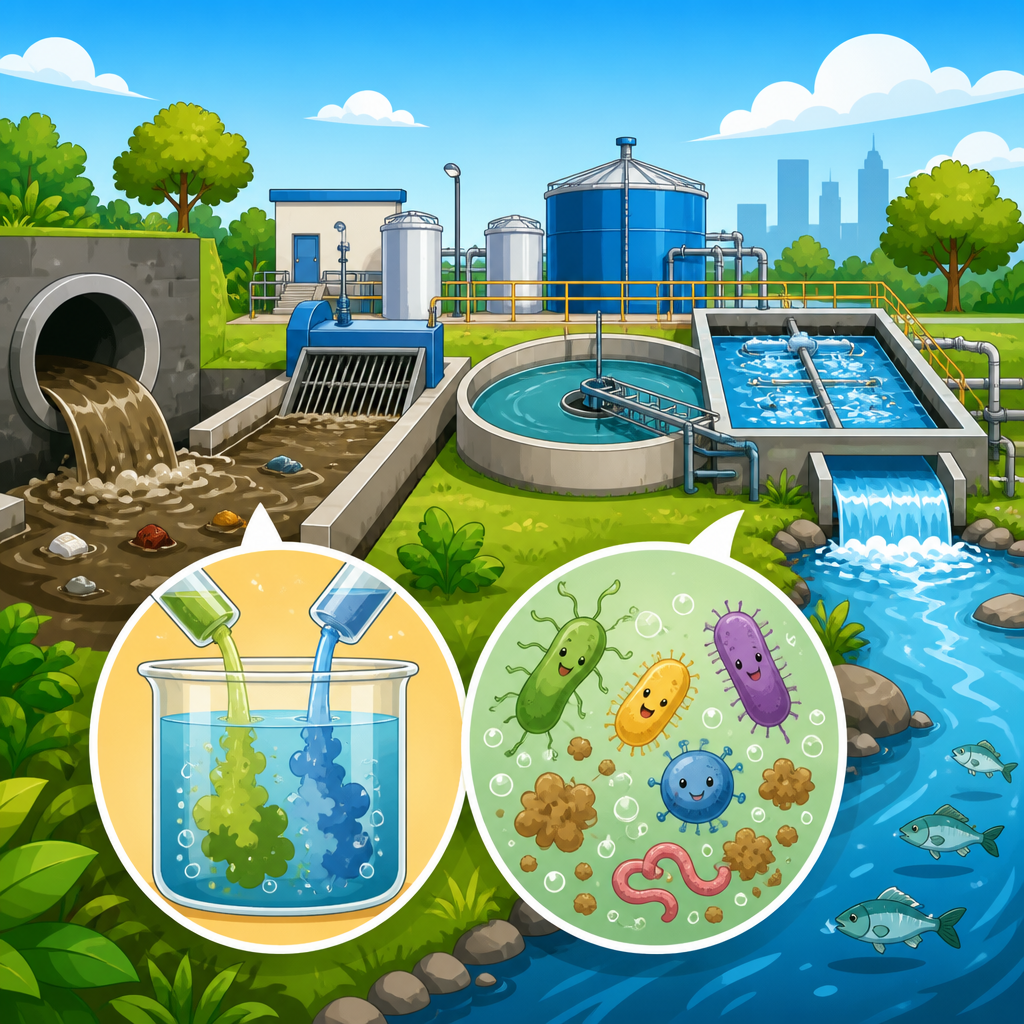
Wetland water filtration works through three linked pathways: physical retention, chemical transformation, and biological uptake. Physical retention begins the moment water spreads across a wetland surface. Because the land is flat, rough, and densely vegetated, water slows dramatically. That reduced velocity allows suspended sediment to settle out. Sediment carries attached phosphorus, trace metals, and hydrophobic organic compounds, so trapping particles often removes multiple pollutants at once. In floodplain wetlands connected to rivers, repeated inundation lays down fine silts and clays, gradually building fertile soils while preventing that material from accumulating farther downstream.
Chemical transformation occurs in wetland soils, which are often anaerobic because water fills pore spaces and limits oxygen diffusion. Under these reduced conditions, elements change form. Nitrate can be converted by denitrifying bacteria into nitrogen gas, permanently removing reactive nitrogen from the water column. Iron and manganese compounds may dissolve or precipitate depending on redox potential. Phosphorus can bind to aluminum, calcium, or iron minerals, although that storage is not always permanent if sediments are disturbed or if chemistry shifts. Organic matter also plays a major role by adsorbing contaminants and fueling microbial metabolism.
Biological uptake adds a third layer. Wetland plants such as cattails, sedges, bulrushes, reeds, cypress, and mangroves absorb nutrients during growth. Biofilms on submerged stems and soil particles degrade dissolved organic matter and some pesticides. Fungi and bacteria metabolize hydrocarbons and help immobilize metals. In treatment wetlands designed for wastewater polishing, managers use these processes intentionally, sizing cells for hydraulic residence time so water remains long enough for settling and microbial action. The best results come from diversity: shallow open water, emergent vegetation, saturated soil, and fluctuating water levels create multiple filtration zones instead of one simple pond.
The Soil Science Behind Wetland Performance
To understand why wetlands clean water so effectively, start with hydric soils. These soils form under prolonged saturation, which creates gray or bluish colors, mottling, organic accumulation, and reduced iron features that soil scientists use for field identification. Saturation changes the rules of soil chemistry. Oxygen disappears quickly, redox potential falls, decomposition slows, and microbes shift to alternative electron acceptors such as nitrate, manganese, iron, sulfate, and carbon dioxide. Those shifts determine whether a wetland removes nitrogen efficiently, stores phosphorus, or produces methane.
Texture matters too. Clay-rich wetland soils have high surface area and strong capacity to retain nutrients and some metals, while sandy soils transmit water faster and may provide less sorption. Organic soils, common in bogs and peatlands, store vast amounts of carbon and water but behave differently from mineral soils in nutrient retention. Cation exchange capacity, bulk density, pH, and mineralogy all influence filtration outcomes. In restored wetlands, I have seen projects fail to meet water quality targets because designers focused on water depth and ignored soil amendments, resulting in poor plant establishment and weak phosphorus retention.
Soil structure influences infiltration and residence time. Aggregated soils with root channels can slow and distribute water, but compaction from heavy equipment reduces pore connectivity and can short-circuit treatment performance. Salinity introduces another layer in coastal wetlands, where sulfate reduction and tidal flushing affect nutrient cycles and contaminant mobility. Because soils govern filtration capacity, monitoring should include not only water samples but also sediment accretion, organic matter trends, redox status, and nutrient saturation. Wetland management is never just about plants or standing water; it is fundamentally about soil processes operating at the interface between land and hydrology.
Which Pollutants Wetlands Remove Best
Wetlands are especially effective at removing sediment, nitrogen, and some pathogens, and they can reduce phosphorus, metals, and organic contaminants under the right conditions. Sediment removal is often the most immediate benefit. When stormwater enters a vegetated wetland, coarse particles settle first, followed by finer silts if residence time is sufficient. This improves water clarity and lowers the transport of attached pollutants. Agricultural watersheds benefit because eroded topsoil and manure particles are intercepted before reaching streams, lakes, or estuaries.
Nitrogen removal is where many wetlands excel. Nitrate from fertilizer, septic systems, or urban runoff can be transformed through denitrification, provided there is available organic carbon, low oxygen, and enough time for microbes to work. This is one reason riparian wetlands are so valuable along streams draining cropland. By contrast, phosphorus is more difficult. Wetlands often capture phosphorus through sedimentation and sorption, but long-term storage depends on soil chemistry. If sediments become saturated or anoxic conditions dissolve iron-bound phosphorus, some of that nutrient can be released back into the water. That does not make wetlands ineffective; it means phosphorus management requires realistic expectations and maintenance.
| Pollutant | Main Wetland Removal Mechanism | Typical Strength | Key Limitation |
|---|---|---|---|
| Suspended sediment | Settling and النبات interception | High | Short-circuit flow during large storms |
| Nitrate | Denitrification and plant uptake | High | Needs carbon, low oxygen, and residence time |
| Phosphorus | Sediment capture and sorption to soils | Moderate | Can be released if soils saturate chemically |
| Pathogens | Settling, UV exposure, predation, filtration | Moderate | Performance varies with temperature and loading |
| Metals | Adsorption, precipitation, sedimentation | Moderate | Remobilization possible if chemistry changes |
For pathogens and trace contaminants, performance varies more. Some wetlands reduce fecal bacteria through settling, sunlight exposure, predation by protozoa, and filtration through vegetation and soil. Metals such as lead, cadmium, and zinc may adsorb to sediments or precipitate as sulfides in reduced soils. Certain pesticides and hydrocarbons are degraded microbially, especially where vegetation supports active rhizosphere communities. However, no wetland removes every contaminant equally well. Highly soluble compounds, road salt, and emerging contaminants such as PFAS remain difficult challenges, so wetlands should be seen as powerful landscape infrastructure, not universal treatment devices.
Wetlands in Watershed Management, Agriculture, and Cities
Wetlands are most valuable when considered at watershed scale rather than as isolated habitat patches. In agricultural regions, restored depressional wetlands, riparian buffers, and two-stage ditches can intercept tile drainage and surface runoff before nutrients reach downstream waters. In the Mississippi River Basin, nutrient losses from farms contribute to hypoxia in the Gulf of Mexico, and wetland restoration is one recognized strategy for reducing nitrate loads. Research from the U.S. Department of Agriculture and university extension programs has repeatedly shown that strategically placed wetlands can cut nutrient export while also reducing peak flows.
Urban wetlands serve a related but distinct purpose. Cities generate stormwater pulses from roofs, streets, and parking lots, carrying oil residues, metals from brake and tire wear, pet waste, sediment from construction, and excess heat. Constructed stormwater wetlands are designed to detain that runoff, spread it through vegetation, and improve water quality before discharge. Successful systems include forebays for sediment capture, varied bathymetry, native plant communities, and maintenance access. Without maintenance, accumulated sediment reduces capacity and invasive species can dominate, undermining treatment performance.
Wetlands also interact with groundwater. Some recharge aquifers; others are discharge zones where groundwater reaches the surface. This distinction matters because it shapes contaminant pathways. A recharge wetland with permeable soils may reduce nitrate before water enters an aquifer, while a discharge wetland may reveal legacy pollution moving through subsurface flow paths from fields or septic systems. In practice, watershed managers combine wetland conservation with upland erosion control, cover crops, nutrient management plans, streambank stabilization, and green infrastructure. The central lesson is straightforward: wetlands work best as part of a connected soil and water strategy, not as a last-minute fix for chronic pollution.
Limits, Restoration Challenges, and What Effective Protection Looks Like
Although wetlands are remarkably effective, they are not indestructible and they are not interchangeable. Draining, ditching, channelization, peat extraction, invasive species, excessive nutrient loading, and upstream hydrologic alteration can all reduce filtration capacity. A wetland overloaded with sediment may fill in and convert to a different habitat. A system flooded with fertilizer runoff may shift toward algal dominance and lose some of its ability to process nutrients predictably. Climate change adds stress through sea-level rise, altered rainfall intensity, drought, and wildfire, all of which change hydroperiod and soil chemistry.
Restoration is therefore more complex than simply rewetting land. Effective wetland restoration starts with hydrology: where water comes from, how long it stays, how deep it gets, and how it exits. Next comes soil assessment, because stripped topsoil, compaction, and altered redox conditions can constrain recovery for years. Plant selection must match salinity, water regime, and regional ecology. Monitoring should track inflow and outflow water quality, vegetation cover, invasive pressure, sediment accumulation, and seasonal variation. Agencies often use hydrogeomorphic classification, soil indicators, and performance standards to judge success, and those tools matter because visual greenness alone can be misleading.
The strongest protection combines policy, science, and local stewardship. Landowners need incentives to conserve wetlands on working landscapes. Municipalities need stormwater ordinances that preserve natural retention areas instead of replacing them with narrow concrete channels. Regulators need accurate delineation methods and enforcement that recognizes cumulative watershed effects. For readers exploring soil and water science, wetlands provide the clearest example of why land and water cannot be managed separately. Protecting them protects rivers, reservoirs, fisheries, farms, and communities. The practical next step is to map the wetlands in your watershed, learn what pressures they face, and support conservation or restoration projects that keep these natural filters functioning for generations.
Frequently Asked Questions
Why are wetlands so important for water filtration?
Wetlands are important for water filtration because they function like highly efficient natural treatment systems. As water moves slowly through a wetland, suspended sediment begins to settle out, which immediately reduces turbidity and removes many pollutants that attach themselves to soil particles. At the same time, wetland plants, soils, and microbial communities work together to capture, transform, and break down contaminants. Excess nutrients such as nitrogen and phosphorus can be absorbed by vegetation, stored in organic soils, or converted by bacteria into less harmful forms. Many wetlands also trap heavy metals, pesticides, and organic pollutants before those substances can move downstream into rivers, lakes, estuaries, or groundwater supplies.
What makes wetlands especially valuable is that this filtration does not depend on a single mechanism. It is the result of several processes happening together: hydrology slows the water, soils bind contaminants, plant roots stabilize sediment and take up nutrients, and microbes drive essential chemical reactions. Because of this layered filtering effect, wetlands improve water quality while also supporting habitat, reducing erosion, and strengthening overall watershed health. In many landscapes, they serve as a critical buffer between human land use and sensitive aquatic ecosystems.
How do wetlands remove pollutants from water?
Wetlands remove pollutants through a combination of physical, chemical, and biological processes. Physically, they slow water movement, which allows sediment, debris, and particle-bound pollutants to settle out of the water column. This is one of the first and most visible filtration steps. When runoff from farms, roads, or developed areas enters a wetland, the reduced flow speed gives the system time to separate solids from water instead of allowing them to be carried quickly downstream.
Chemically, wetland soils are extremely active. Many pollutants, including phosphorus and certain metals, can adsorb onto soil particles or become bound within organic matter. Biological activity is equally important. Wetland plants absorb nutrients during growth, while microorganisms in saturated soils carry out reactions such as nitrification and denitrification, which can reduce nitrogen pollution. Other microbial communities help decompose organic contaminants and influence the fate of pathogens. Together, these processes mean wetlands do more than simply trap pollution; they often transform it into less mobile, less toxic, or less ecologically damaging forms.
Do all wetlands filter water in the same way?
No, not all wetlands filter water in exactly the same way, because wetland function depends heavily on water source, soil type, vegetation, climate, landscape position, and how long water stays in the system. Marshes, swamps, bogs, fens, floodplain wetlands, and coastal wetlands each have distinct hydrology and ecological characteristics, so their filtration strengths can differ. For example, a floodplain wetland that regularly receives river overflow may be especially effective at trapping sediment, while a nutrient-rich marsh may be particularly important for processing excess nitrogen and phosphorus from surface runoff.
Hydrologic timing also matters. A wetland that receives slow, shallow sheet flow from surrounding land may filter pollutants differently than one that experiences periodic flooding or tidal exchange. Vegetation type changes performance as well, since dense rooted plants can trap sediment, stabilize soils, and support large microbial populations around their root zones. Even two wetlands located close together may behave differently if one has been drained, compacted, or invaded by nonnative species. That is why wetland science focuses so much on site-specific conditions: the filtering role is universal, but the exact way each wetland provides that service varies across ecosystems.
How do wetlands help prevent flooding while improving water quality?
Wetlands help prevent flooding by storing and slowing water during storms, snowmelt, and seasonal high-flow events. Instead of allowing rainfall and runoff to move rapidly into streams and urban drainage systems, wetlands spread water across a broad area and hold it temporarily. This reduces peak flow, lowers downstream flood risk, and decreases the erosive force that can damage streambanks, infrastructure, and farmland. In practical terms, wetlands act like landscape sponges, absorbing water when it is abundant and releasing it more gradually over time.
This same flood-moderating capacity directly supports better water quality. When water is slowed down and retained longer, sediment has more time to settle, pollutants have more time to interact with soils and plants, and microbial communities have more time to process excess nutrients and contaminants. Fast-moving runoff tends to carry oil, fertilizers, manure, pesticides, and fine sediment straight into waterways. Wetlands interrupt that pathway. By buffering stormwater and reducing flow velocity, they improve both the quantity and quality of water moving through a watershed, making them essential to resilient land and water management strategies.
What happens when wetlands are drained, filled, or degraded?
When wetlands are drained, filled, fragmented, or otherwise degraded, watersheds lose one of their most effective natural defense systems. Water that once moved slowly through vegetated, biologically active soils is redirected through ditches, storm drains, channels, or compacted ground, often reaching rivers and lakes much faster and with a heavier pollutant load. This can lead to increased sedimentation, more nutrient pollution, algal blooms, degraded fish and wildlife habitat, and greater pressure on drinking water sources. Flooding risk often rises as well, because the landscape loses storage capacity that once helped absorb and spread out stormwater.
Degradation also weakens important ecological links. Healthy wetlands store carbon, support biodiversity, recharge groundwater in some settings, and provide nursery habitat for countless species. Once damaged, these systems may no longer support the microbial and plant communities that drive effective filtration. Restoration can recover many functions, but it is usually more difficult and costly than protecting intact wetlands in the first place. That is why conservation, careful land-use planning, and science-based wetland management are considered essential not only for wildlife protection, but also for long-term water quality, climate resilience, and public health.