
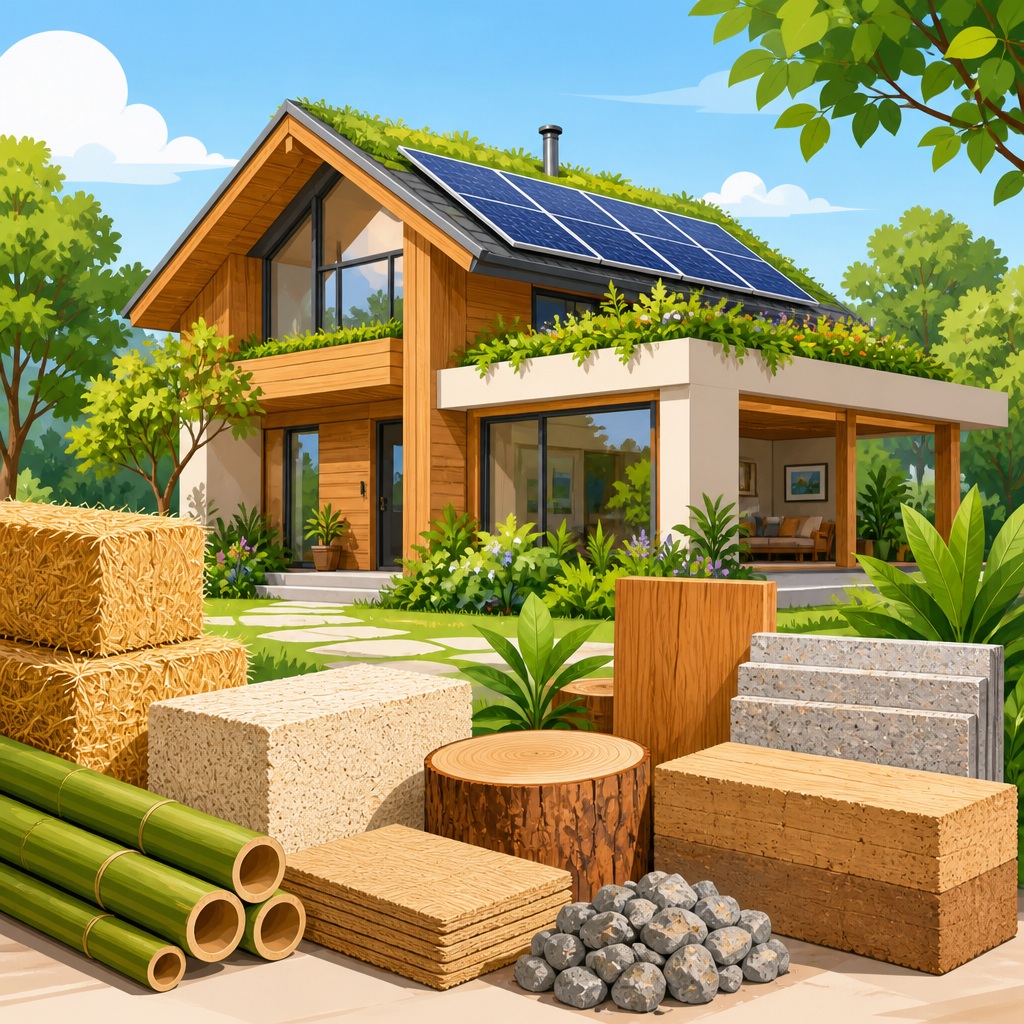
Sustainable building materials are the foundation of eco-friendly homes because they reduce embodied carbon, improve indoor air quality, conserve natural resources, and often lower operating costs over a building’s lifetime. In green building and architecture, the term sustainable material refers to a product sourced, manufactured, transported, installed, used, and eventually disposed of with less environmental harm than conventional alternatives. That assessment includes carbon emissions, toxicity, durability, maintenance, recyclability, and social impacts in the supply chain. I have worked on renovation and specification projects where material choices affected not just environmental performance but also moisture control, comfort, code compliance, and long-term maintenance budgets. The right product can support all of those goals at once, while the wrong one can create hidden problems that outlast the construction phase.
For homeowners, builders, and designers, this topic matters because material decisions shape both a home’s footprint and its daily livability. Buildings account for a large share of global energy-related emissions, and a meaningful portion comes from embodied carbon in concrete, steel, insulation, finishes, and transportation. Operational efficiency still matters, but high-performance envelopes can lose some of their climate advantage if they rely on carbon-intensive products. A truly eco-friendly home balances operational energy, embodied carbon, resilience, healthy interiors, and responsible sourcing. That is why green building and architecture increasingly rely on life cycle assessment, Environmental Product Declarations, Forest Stewardship Council certification, low-VOC standards, and passive design principles when selecting materials.
This hub article explains the top sustainable building materials for eco-friendly homes and shows how they fit into the larger practice of green building and architecture. It covers structural systems, insulation, finishes, and design strategies in practical terms, with examples of where each material performs well and where tradeoffs deserve attention. If you are planning a custom home, major remodel, or even room-by-room upgrade, understanding these materials helps you make informed decisions that support energy efficiency, durability, and healthier spaces.
How to Evaluate Sustainable Building Materials
The best sustainable building material is not always the one with the most marketing claims. In practice, I evaluate materials across five filters: embodied carbon, durability, health impact, local availability, and end-of-life options. Embodied carbon measures greenhouse gas emissions from extraction through manufacturing and installation. Durability determines whether the product will last long enough to justify its environmental cost. Health impact includes volatile organic compounds, formaldehyde, plasticizers, and other substances that affect indoor air quality. Local availability matters because heavy products transported long distances can erase some environmental gains. End-of-life options matter because reusable, recyclable, or biodegradable materials reduce landfill waste.
Recognized frameworks help make these comparisons more objective. Life cycle assessment quantifies impacts across a product’s lifespan. Environmental Product Declarations provide standardized disclosures, often based on ISO methodology, allowing side-by-side comparisons. Certifications such as FSC for wood, Cradle to Cradle for material health and circularity, GREENGUARD for low emissions, and Declare labels for ingredient transparency can all support better specification. None of these labels alone guarantees sustainability, but together they create a more reliable decision process than brand messaging or aesthetics alone.
Responsibly Sourced Wood and Engineered Timber
Wood remains one of the strongest options in green building and architecture when it is responsibly harvested and used appropriately. Trees store carbon as they grow, and sawn lumber generally has lower embodied carbon than steel or concrete. FSC-certified framing lumber, reclaimed timber, and engineered wood products such as cross-laminated timber and laminated veneer lumber can all support eco-friendly homes. In low-rise residential construction, advanced framing with optimized stud spacing can reduce material use while preserving structural performance. Reclaimed wood adds another sustainability advantage by extending the life of existing material and reducing demand for virgin resources.
Engineered timber deserves special attention because it allows efficient structural spans with predictable strength. I have seen engineered joists and laminated beams reduce site waste while improving design flexibility for open floor plans. Cross-laminated timber, though more common in multifamily and commercial projects, demonstrates how mass timber can substitute for more carbon-intensive systems. The key limitation is moisture management. Wood performs exceptionally well when detailing controls bulk water, vapor, and air leakage, but chronic wetting can lead to rot and mold. Sustainable design therefore depends on pairing wood structures with smart flashing, rainscreens, capillary breaks, and durable cladding systems.
Low-Carbon Concrete and Masonry Alternatives
Concrete is often criticized in sustainable construction because Portland cement production is highly carbon intensive. Even so, eco-friendly homes do not need to eliminate concrete entirely; they need to use it strategically and specify lower-carbon mixes where feasible. Supplementary cementitious materials such as fly ash, slag cement, calcined clay, and natural pozzolans can partially replace Portland cement and reduce embodied emissions. Newer approaches, including carbon mineralization and performance-based mix design, are improving the environmental profile of slabs, footings, and foundations without compromising structural requirements.
In residential work, I usually recommend minimizing unnecessary concrete volume before searching for miracle products. Slab optimization, frost-protected shallow foundations where codes allow, and insulated foundation design often deliver bigger gains than changing suppliers alone. Masonry units can also be improved through recycled aggregate content and regional sourcing. Alternatives like rammed earth, compressed earth block, and hemp-lime wall systems attract attention for lower embodied impact and thermal mass benefits, though they require climate-specific detailing and experienced installers. For many projects, the practical path is not zero concrete but less concrete, better mixes, and smarter structural design.
Natural and Recycled Insulation Materials
Insulation is central to eco-friendly homes because it directly affects heating and cooling demand, yet not all insulation products perform equally across environmental and health criteria. Cellulose, made largely from recycled paper and treated for fire and pest resistance, is one of the best all-around sustainable choices for attics and dense-packed wall assemblies. It has relatively low embodied carbon, fills cavities effectively, and works well in retrofit projects. Mineral wool, though more energy intensive to produce than cellulose, offers excellent fire resistance, moisture tolerance, acoustic control, and durability. Sheep’s wool, cork, and wood fiber insulation also provide lower-toxicity options with good hygrothermal performance in the right assemblies.
Rigid foam insulation presents a more complicated picture. It can deliver high R-values and simplify exterior continuous insulation, but blowing agents, petrochemical inputs, and end-of-life challenges can undermine sustainability claims. When rigid insulation is necessary, product selection matters; some foam types now use lower-global-warming-potential blowing agents. In several projects, I have favored mineral wool boards or wood fiber sheathing outside the structure because they improve thermal continuity while remaining vapor open. The right insulation choice depends on climate zone, wall design, budget, and installer capability. Sustainability here is about whole-assembly performance, not just R-value per inch.
Bamboo, Cork, and Rapidly Renewable Materials
Rapidly renewable materials can play an important role in green building and architecture, especially for flooring, cabinetry, wall finishes, and trim. Bamboo is technically a grass, not a hardwood, and some species reach maturity far faster than conventional timber. Properly manufactured bamboo flooring can be durable and visually appealing, making it a practical option for high-traffic interiors. Cork, harvested from the bark of cork oak trees without cutting the tree down, is another standout material. It is resilient underfoot, naturally antimicrobial, acoustically useful, and suitable for flooring, wall panels, and insulation products.
These materials still require careful vetting. Some bamboo products use adhesives with added formaldehyde, and imported materials can carry significant transportation impacts. Cork quality also varies by manufacturer and binder chemistry. I look for third-party emissions certifications, transparent sourcing, and realistic wear ratings rather than relying on the renewable label alone. When selected well, bamboo and cork can replace more resource-intensive finishes while adding comfort and distinct visual character to eco-friendly homes.
Reclaimed, Recycled, and Circular Materials
One of the most effective ways to reduce environmental impact is to reuse materials that already exist. Reclaimed brick, salvaged timber, recycled metal, recycled glass tile, and refurbished fixtures can all lower demand for virgin extraction while giving homes a distinctive identity. In renovation work, preserving existing structural elements, flooring, doors, and cabinetry often produces a larger sustainability benefit than full replacement with new green products. The greenest material is frequently the one you do not need to manufacture again.
Circular design goes beyond salvage aesthetics. It means choosing products that can be disassembled, repaired, and reused rather than glued permanently into place. Mechanical fasteners, modular dimensions, and standardized components make future renovation less wasteful. Recycled steel is a clear example; steel production is energy intensive, but the material is highly recyclable and valuable in closed-loop systems. Likewise, recycled-content countertops and tiles can divert waste streams from landfills. The challenge is consistency. Salvaged materials may require extra labor, code review, refinishing, or quantity matching. Successful circular building depends on planning procurement early rather than treating reclaimed content as an afterthought.
| Material | Best Uses | Main Sustainability Benefit | Primary Tradeoff |
|---|---|---|---|
| FSC-certified wood | Framing, cladding, interiors | Stores carbon, renewable resource | Needs strong moisture protection |
| Low-carbon concrete | Foundations, slabs | Reduced cement-related emissions | Availability varies by region |
| Cellulose insulation | Attics, wall retrofits | High recycled content, low embodied carbon | Quality depends on installation |
| Cork | Flooring, insulation, wall panels | Rapidly renewable, comfortable, low toxicity | Cost can exceed standard finishes |
| Reclaimed materials | Beams, brick, fixtures, flooring | Avoids new extraction and manufacturing | Supply and sizing can be inconsistent |
Healthy Interior Finishes and Low-Toxicity Choices
Eco-friendly homes are not truly sustainable if they compromise occupant health. Interior finishes such as paints, sealants, adhesives, cabinetry, flooring, and composite wood products can emit VOCs and other pollutants long after installation. Low-VOC or zero-VOC paints, no-added-urea-formaldehyde panels, natural linoleum, unfinished or hardwax-oiled wood, and tile with low-emission setting materials are all stronger choices. I have seen indoor air quality improve noticeably on projects where we prioritized low-emission products and protected materials from moisture during construction. Better ventilation helps, but source control matters most.
Durability is also part of health. Finishes that resist moisture, clean easily, and avoid trapping dust or mold support better indoor conditions over time. For kitchens and baths, that often means balancing natural materials with pragmatic detailing. A stone counter may last decades, but quarrying and transport carry impacts; a recycled-content surface may lower waste but require resin binders. There is rarely a perfect product. The goal is a durable, repairable, low-emission finish package aligned with actual use patterns.
Choosing Materials by Climate, Budget, and Building System
Green building and architecture work best when material selection responds to place. In cold climates, continuous insulation, airtight assemblies, high-performance windows, and moisture-safe wall designs usually matter more than any single eco product. In hot-humid regions, vapor permeability, solar control, mold resistance, and ventilation become higher priorities. In wildfire-prone areas, noncombustible roofing, ember-resistant vents, fiber cement or metal cladding, and tempered glazing may outweigh the benefits of some bio-based exterior materials. Sustainability includes resilience because a home that fails early must be repaired or rebuilt with additional environmental cost.
Budget deserves equal honesty. Sustainable materials can save money over time, but upfront costs vary widely. The most cost-effective upgrades are often airtightness, insulation, efficient windows in the right ratio, durable roofing, and low-toxicity finishes in frequently occupied rooms. Homeowners should ask for product data, maintenance expectations, warranty terms, and replacement cycles before comparing prices. If you are building or remodeling, use this sustainability hub as a starting point, then evaluate each material within your climate, design, and performance goals. Better homes come from better specifications, and better specifications start with informed questions.
The top sustainable building materials for eco-friendly homes are not a fixed shortlist but a disciplined set of choices guided by carbon impact, durability, health, and local suitability. Responsibly sourced wood, low-carbon concrete, recycled and natural insulation, cork, bamboo, and reclaimed materials all have legitimate roles in green building and architecture when they are specified carefully and installed correctly. The common thread is performance over hype. Materials should support efficient envelopes, healthy indoor air, resilient assemblies, and realistic maintenance plans.
As a hub for green building and architecture, this guide should help you connect product decisions to the bigger picture of sustainable design. An eco-friendly home is built layer by layer: structure, insulation, moisture control, finishes, and future adaptability all matter. Start with the biggest impacts, ask suppliers for transparent documentation, and work with designers or builders who understand building science as well as aesthetics. If you are planning your next project, use these material categories to create a smarter shortlist and turn sustainability into measurable results.
Frequently Asked Questions
What makes a building material truly sustainable for an eco-friendly home?
A building material is considered truly sustainable when it performs well across its full life cycle, not just at the point of purchase. In practice, that means looking at where the material comes from, how it is manufactured, how far it must travel, how long it will last, whether it releases harmful chemicals indoors, and what happens when it is removed or replaced. A sustainable material typically has lower embodied carbon than conventional options, uses fewer nonrenewable resources, generates less pollution during production, and supports healthier indoor air quality through low- or zero-toxic emissions.
It is also important to understand that sustainability is rarely defined by a single feature. For example, a rapidly renewable product may still have a large transportation footprint, while a recycled-content material may be durable and low carbon but difficult to reuse at the end of its service life. The best choices balance multiple priorities: energy efficiency, durability, low maintenance, responsible sourcing, moisture resistance, reparability, and end-of-life recyclability or biodegradability. Certifications such as FSC for wood, Cradle to Cradle, GREENGUARD, and Environmental Product Declarations can help homeowners and builders compare options more objectively.
In eco-friendly homes, the most sustainable materials are usually those that reduce long-term environmental impact while supporting occupant health and building resilience. That is why high-performance insulation, responsibly harvested timber, recycled steel, low-carbon concrete alternatives, bamboo, cork, reclaimed materials, and low-VOC finishes are often highlighted. A material does not need to be perfect to be sustainable, but it should clearly reduce environmental harm compared with standard alternatives over the life of the home.
Which sustainable building materials are most commonly recommended for green homes?
Several materials consistently stand out in residential green building because they combine environmental benefits with practical performance. Responsibly sourced wood is one of the most widely recommended options, especially when it is FSC-certified or reclaimed. Wood can store carbon throughout its life, requires less energy to manufacture than many structural materials, and works well for framing, flooring, wall finishes, and cabinetry. Reclaimed wood adds the additional benefit of extending the life of existing resources and reducing demand for virgin material extraction.
Bamboo is another popular option because it grows quickly and can be used for flooring, paneling, cabinetry, and some structural applications. Cork is valued for being renewable, comfortable underfoot, naturally resilient, and useful for flooring and acoustic insulation. Recycled steel is commonly recommended for framing and roofing because it is durable, fire-resistant, and highly recyclable, even though it can have a higher initial manufacturing footprint than some bio-based materials. In the right applications, its long life and recycled content make it a strong sustainable choice.
Insulation is especially important in eco-friendly homes, and sustainable options include cellulose made from recycled paper, sheep’s wool, cork, and certain mineral-based products with lower environmental impact. For masonry and walls, low-carbon concrete mixes, fly ash or slag-blended cement, rammed earth, hempcrete, and compressed earth blocks are often considered where climate, code, and design allow. Homeowners should also pay close attention to finishes and interior products such as low-VOC paints, formaldehyde-free cabinetry, recycled-content countertops, and natural fiber textiles. These choices may seem smaller than structural materials, but they have a major influence on indoor air quality and overall sustainability.
How do sustainable materials improve indoor air quality and occupant health?
One of the biggest advantages of sustainable building materials is that many of them are selected specifically to reduce exposure to harmful chemicals inside the home. Conventional products can release volatile organic compounds, formaldehyde, flame retardants, and other pollutants into indoor air for months or even years after installation. Because modern homes are often tightly sealed for energy efficiency, those pollutants can become concentrated indoors. Sustainable materials are often chosen to minimize this problem through low-emission manufacturing, natural composition, and fewer toxic additives.
Examples include low- or zero-VOC paints, stains, sealants, and adhesives; formaldehyde-free composite wood products; natural insulation materials such as cellulose or wool; and flooring options like solid wood, cork, bamboo, or polished concrete with non-toxic finishes. These materials can help reduce respiratory irritation, headaches, allergic reactions, and chemical sensitivities, while also creating a more comfortable and healthier living environment. Moisture performance matters as well. Materials that resist mold growth or allow assemblies to dry properly can reduce the risk of mildew and indoor biological contaminants, which are major health concerns in poorly designed homes.
Healthy material selection works best when paired with good ventilation, moisture management, and proper installation. Even an environmentally preferable product can underperform if it traps water, requires harsh chemical maintenance, or is installed with high-emission adhesives. For that reason, green building professionals often evaluate the whole assembly rather than a single product in isolation. A healthier home is usually the result of combining low-toxicity materials, durable construction methods, and smart mechanical design.
Are sustainable building materials more expensive than conventional options?
Sustainable building materials can cost more upfront in some cases, but that is only part of the financial picture. Certain eco-friendly products do carry premium pricing because they are specialized, certified, locally limited, or produced at smaller scale. However, many sustainable options are now competitive with conventional materials, especially as demand has grown. Materials such as cellulose insulation, recycled-content products, durable metal roofing, low-VOC paints, and responsibly sourced wood can often fit within standard residential budgets, depending on region and availability.
More importantly, the long-term value of sustainable materials is often better than their sticker price suggests. Durable, low-maintenance materials may last longer and reduce replacement frequency. High-performance insulation, air sealing products, efficient windows, and reflective or long-life roofing can lower heating and cooling costs for decades. Healthier interior materials may reduce the need for off-gassing periods, improve comfort, and support better indoor living conditions. When evaluating cost, homeowners should consider life-cycle cost rather than just installation cost, including maintenance, energy savings, repair risk, and disposal expenses.
There are also ways to keep costs under control without compromising sustainability goals. Prioritize materials that deliver the greatest impact, such as insulation, windows, air barriers, roofing, and major structural products. Use reclaimed or salvaged materials strategically where they add character and value without creating labor complications. Work with designers and contractors who understand green specifications so substitutions do not undermine performance. In many projects, the most cost-effective approach is not using the most exotic material, but choosing durable, low-carbon, low-toxicity products in the areas that matter most.
How can homeowners choose the best sustainable materials for their climate, budget, and project goals?
The best sustainable material is not the same for every home, because climate, local building codes, labor availability, durability requirements, and budget all influence what makes sense. A material that performs exceptionally well in a dry climate may struggle in a humid or flood-prone region. For example, moisture-sensitive assemblies require careful detailing in wet environments, while thermal mass materials may be particularly effective in climates with large temperature swings. That is why homeowners should start by defining priorities: lower embodied carbon, healthier indoor air, energy efficiency, local sourcing, resilience, minimal maintenance, or a combination of these goals.
From there, it helps to evaluate materials using a few practical criteria. First, look at environmental impact through recycled content, renewability, certifications, and embodied carbon data where available. Second, assess performance, including insulation value, strength, fire resistance, moisture behavior, pest resistance, and expected lifespan. Third, consider health factors such as VOC emissions, chemical treatments, and finish requirements. Finally, compare cost across the full life cycle rather than focusing only on initial purchase price. A slightly more expensive product may prove to be the better sustainable choice if it lasts longer, needs less maintenance, and lowers utility bills.
Homeowners usually get the best results by involving knowledgeable professionals early in the process. Architects, green builders, and energy consultants can recommend materials suited to local conditions and help avoid mismatched systems. It is also smart to ask suppliers for third-party certifications, technical data sheets, and installation guidance. In the end, the most effective eco-friendly homes are not built from isolated “green” products, but from carefully selected materials that work together to reduce environmental harm, improve comfort, and deliver lasting performance.