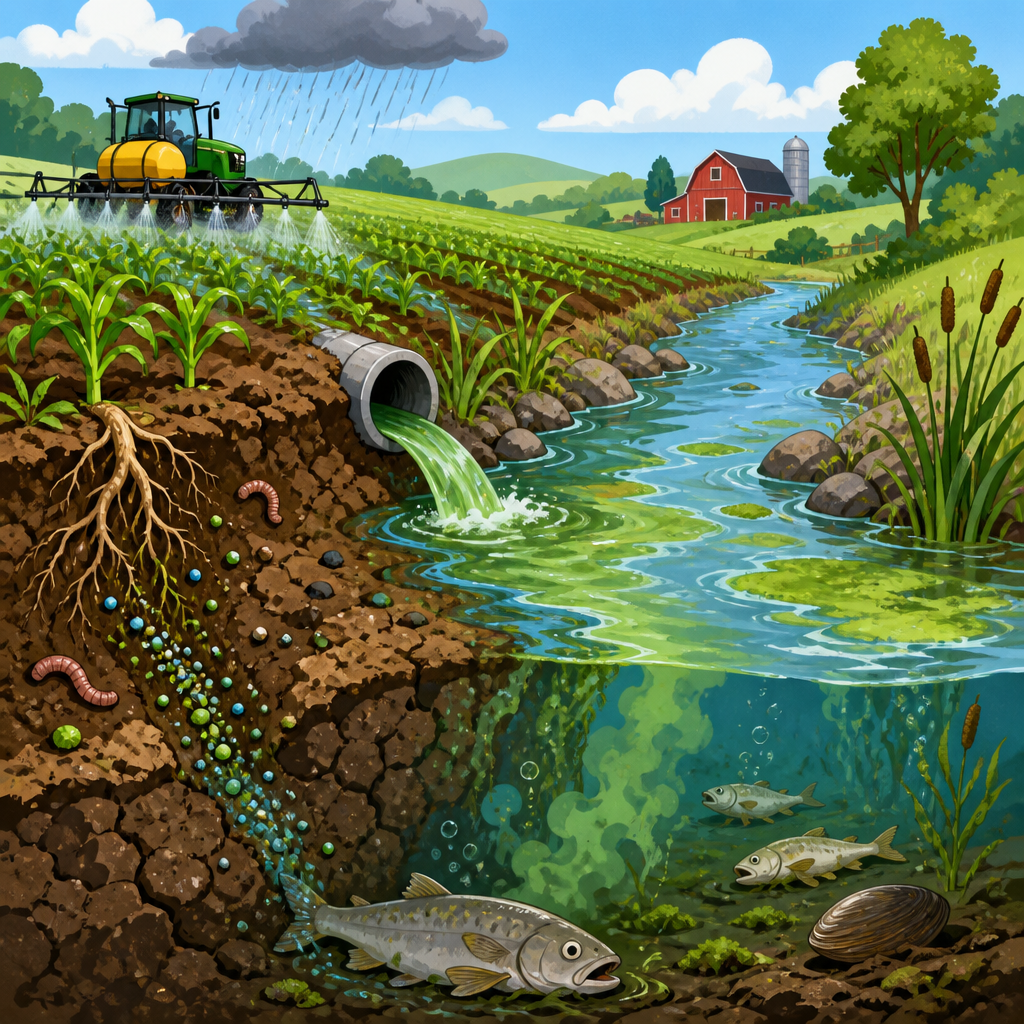

Environmental toxins and their effects on wildlife shape ecosystems in ways that are often subtle at first, then devastating once damage accumulates across food webs, breeding cycles, and habitats. Environmental toxicology is the study of how chemical, physical, and biological contaminants move through air, water, soil, and living organisms, and how those exposures alter survival, growth, reproduction, and behavior. In wildlife science, the term toxin is used broadly to include synthetic chemicals such as pesticides, industrial compounds, and plastics, as well as naturally occurring harmful substances that become dangerous because of concentration, timing, or route of exposure. I have worked with monitoring reports, spill response summaries, and field assessments where the same pattern appeared repeatedly: contamination rarely affects a single species in isolation. It spreads through prey, sediment, vegetation, and water chemistry, creating ecological consequences that can persist for decades.
This topic matters because wildlife serves as both a victim and an early warning system. When fish accumulate mercury, when frogs fail to metamorphose normally, or when raptors lay fragile eggs, those outcomes reveal stress in the broader environment that can later affect livestock, fisheries, and human communities. Environmental toxicology connects chemistry with ecology by asking practical questions: what is the contaminant, where did it come from, how does it move, which species are most exposed, and what biological endpoints show harm? The answers guide regulation, cleanup priorities, conservation planning, and public health decisions. As a hub article within environmental science, this guide covers major classes of environmental toxins, how exposure occurs, the mechanisms of harm, how scientists measure risk, and which strategies reduce damage most effectively.
What counts as an environmental toxin in wildlife science
An environmental toxin is any contaminant present at a level that causes adverse biological effects in wild organisms or ecological communities. The category includes heavy metals such as mercury, lead, cadmium, and arsenic; persistent organic pollutants including polychlorinated biphenyls, dioxins, and organochlorine pesticides; newer contaminants such as per- and polyfluoroalkyl substances, pharmaceutical residues, flame retardants, and tire wear chemicals; nutrient pollution that drives harmful algal blooms and oxygen depletion; petroleum hydrocarbons from spills and chronic runoff; and plastics ranging from macrodebris to microplastics and associated additives. Some agents are acutely toxic, causing rapid mortality. Others are chronic toxicants that impair reproduction, immunity, or endocrine function at low concentrations over long periods.
Persistence, mobility, and bioavailability determine real-world impact. A chemical that degrades quickly in sunlight may pose limited risk outdoors, while a fat-soluble compound that resists breakdown can remain in sediment and animal tissue for years. Bioavailability matters because total concentration alone does not predict harm; mercury locked in mineral form behaves differently from methylmercury, which is readily absorbed and strongly biomagnifies. Likewise, metals in acidic water are often more available to fish and invertebrates than the same metals in neutral, mineral-rich systems. Toxicologists also distinguish point sources, such as mine discharge pipes or factory outfalls, from nonpoint sources, including agricultural runoff, atmospheric deposition, and urban stormwater, because source type influences both exposure pattern and management response.
How wildlife is exposed across habitats and food webs
Wildlife encounters contaminants through ingestion, inhalation, skin contact, and maternal transfer. Aquatic species absorb dissolved pollutants directly across gills or body surfaces, while terrestrial animals often ingest toxins in food, dust, carrion, or drinking water. Predators face special risk because contaminants can biomagnify, meaning concentrations increase at higher trophic levels. That is why top consumers such as eagles, otters, tuna, and marine mammals often carry the greatest body burdens even when environmental concentrations appear modest. In wetlands and estuaries, sediment is especially important. Many hydrophobic compounds bind to fine particles, settle, and then reenter the food web through worms, mollusks, and bottom-feeding fish.
Exposure is rarely constant. Seasonal flooding can mobilize buried contaminants, wildfire can release metals and legacy chemicals stored in vegetation and soil, and drought can concentrate pollutants in shrinking water bodies. Migratory species add another layer of complexity because they can accumulate contamination in one region and show effects in another. I have seen monitoring programs misread local conditions because they sampled only water and ignored prey tissue, sediments, and timing. A river may meet routine water-quality targets yet still expose kingfishers or mink through contaminated fish. Effective assessment therefore follows the exposure pathway from source to environmental medium to diet to tissue concentration to biological response.
Major toxin groups and typical wildlife effects
Different contaminant classes produce different injury patterns, and recognizing those patterns helps investigators identify likely causes. Heavy metals commonly damage the nervous system, kidneys, and blood formation. Lead poisoning in waterfowl often results from ingestion of spent shot or fishing tackle; birds grind the metal in the gizzard, absorb it, and develop weakness, green droppings, and paralysis. Mercury, especially methylmercury, impairs neurological development, foraging, and reproduction in fish, loons, and predatory mammals. Cadmium accumulates in kidneys and can weaken bones. Persistent organic pollutants are known for long-term, low-dose effects. DDT and its metabolite DDE famously thinned eggshells in raptors, reducing hatching success until restrictions allowed populations such as bald eagles and peregrine falcons to rebound.
Newer contaminants are reshaping the field. PFAS, often called forever chemicals because carbon-fluorine bonds resist degradation, have been detected in seabirds, polar bears, freshwater fish, and wetlands near airports and industrial sites. They are associated with immune disruption, altered lipid metabolism, developmental effects, and reduced breeding performance. Pharmaceuticals from wastewater, including antidepressants, hormones, and anti-inflammatory drugs, can change fish behavior, disrupt endocrine signaling, or poison scavengers. A well-known example is diclofenac, a veterinary drug that caused catastrophic vulture declines in South Asia after birds fed on treated livestock carcasses and suffered renal failure. Plastics injure wildlife directly through entanglement and gut blockage, but additives and adsorbed chemicals add toxicological concern, especially for seabirds, turtles, and filter feeders.
| Toxin group | Common sources | Wildlife most affected | Typical effects |
|---|---|---|---|
| Mercury | Coal combustion, mining, atmospheric deposition | Fish, loons, otters, large predatory fish | Neurotoxicity, impaired reproduction, altered behavior |
| Lead | Ammunition, fishing tackle, legacy paint, mining | Waterfowl, raptors, scavengers | Anemia, paralysis, reduced feeding, death |
| Persistent organic pollutants | Legacy pesticides, industrial chemicals, contaminated sediment | Raptors, marine mammals, fish-eating birds | Eggshell thinning, endocrine disruption, immune effects |
| PFAS | Firefighting foam, manufacturing, landfill leachate | Fish, amphibians, birds, mammals near contaminated water | Developmental, metabolic, and immune effects |
| Nutrient pollution and algal toxins | Fertilizer runoff, sewage, manure | Fish, shellfish, seabirds, marine mammals | Hypoxia, liver and nerve damage, mass mortality |
Mechanisms of harm: from cells to populations
Toxic effects begin with mechanism. Some chemicals bind receptors and mimic hormones, which is why endocrine-disrupting compounds can feminize male fish, alter amphibian development, or shift breeding behavior without causing immediate death. Others generate oxidative stress, damage DNA, inhibit enzymes, or interfere with ion transport across membranes. Organophosphate and carbamate pesticides inhibit acetylcholinesterase, causing overstimulation of the nervous system. Cyanide blocks cellular respiration. Polycyclic aromatic hydrocarbons in oil can cause cardiac defects in fish embryos at surprisingly low exposure levels. Once scientists understand mechanism, they can choose appropriate biomarkers, such as enzyme activity, histopathology, hormone levels, or gene expression, to detect effects before population collapse becomes obvious.
The ecological scale matters as much as the molecular scale. A contaminant that slightly reduces predator vigilance may increase road mortality or reduce hunting success. A compound that delays frog metamorphosis can expose tadpoles to more predators and drying wetlands. Reduced hatchability, smaller broods, skewed sex ratios, and weakened immunity may appear minor in individual animals, yet over several breeding seasons they can drive population decline. Toxicologists therefore distinguish lethal effects from sublethal effects, and both are important. In field practice, sublethal toxicity is often more consequential because it is harder to see, easier to dismiss, and capable of reshaping community structure through gradual changes in recruitment and species interactions.
Wildlife groups at highest risk
Aquatic organisms usually face the earliest and most sustained exposure because water collects contaminants from entire watersheds. Fish, freshwater mussels, zooplankton, and benthic invertebrates are widely used as sentinel species for that reason. Amphibians are especially vulnerable because their permeable skin, aquatic larval stages, and reliance on both land and water expose them to multiple pathways at once. Declines linked to pesticides, acidification, and endocrine-active chemicals have made amphibians central to environmental toxicology research. Birds are highly informative as well. Waterfowl reveal lead problems, seabirds reflect marine plastic and oil exposure, and raptors indicate biomagnification of persistent chemicals.
Mammals at high trophic levels, including seals, dolphins, otters, and bears, often accumulate complex contaminant mixtures over long lifespans. Marine mammals are notable because they store fat-soluble pollutants in blubber, then mobilize those stores during fasting, migration, or lactation, potentially increasing internal exposure at sensitive times. Pollinators and soil organisms deserve equal attention even though they receive less public focus. Neonicotinoid pesticides can impair navigation and foraging in bees, while soil invertebrates encounter pesticides, metals, and microplastics that alter decomposition and nutrient cycling. Once those foundational species are affected, ecosystem function changes, not just the fate of one charismatic animal.
How scientists assess environmental toxicology in the field
Environmental toxicology relies on converging lines of evidence rather than a single test. Scientists combine chemical analysis, exposure assessment, laboratory toxicity tests, tissue residue studies, necropsy findings, and population monitoring. Standard methods include sampling water, sediment, soil, prey items, eggs, feathers, blood, liver, and fat tissue. Instruments such as gas chromatography-mass spectrometry and inductively coupled plasma mass spectrometry identify and quantify contaminants at trace levels. Biomonitoring programs often use mussels, fish, or bird eggs because they integrate exposure over time better than grab samples of water. Stable isotope analysis can also help link contaminant burden to trophic position and food source.
Risk assessment asks whether measured exposure exceeds effect thresholds established from toxicological studies. Agencies such as the US Environmental Protection Agency, Environment and Climate Change Canada, and the European Chemicals Agency use benchmark values, species sensitivity distributions, and weight-of-evidence frameworks to support decisions. Yet uncertainty is unavoidable. Wildlife is exposed to mixtures, not isolated chemicals, and mixture toxicity can be additive, synergistic, or antagonistic. Climate change complicates interpretation by altering temperature, oxygen, salinity, and metabolism, which can change uptake and toxicity. The best field assessments acknowledge those limits while still making clear judgments about probable cause, magnitude of harm, and urgency of intervention.
Prevention, regulation, and habitat recovery
The most effective way to protect wildlife from environmental toxins is source reduction. Once persistent contaminants enter sediment, groundwater, or food webs, cleanup becomes expensive and incomplete. Policy successes prove prevention works. Restrictions on DDT, bans on lead shot for waterfowl hunting in many jurisdictions, tighter industrial discharge permits under water-quality laws, and improved wastewater treatment have all reduced measurable harm. Spill prevention plans, safer chemical substitution, agricultural buffer strips, integrated pest management, stormwater controls, and proper hazardous waste disposal each remove part of the exposure pathway. For newer contaminants such as PFAS, upstream controls on product use and firefighting foam are far more practical than relying on downstream treatment alone.
Restoration requires patience because wildlife recovery lags behind environmental cleanup. Contaminated sediments may need dredging, capping, or monitored natural recovery. Wetland reconstruction can trap nutrients and improve water quality, but if source loads remain high, blooms and toxin production return. Successful programs pair remediation with long-term biological monitoring, not just chemistry targets. Managers need to know whether fish reproduction improves, bird eggshell thickness normalizes, amphibian recruitment returns, and scavenger mortality drops. If you are building expertise in environmental science, environmental toxicology is the discipline that reveals how chemistry becomes ecology. Follow the evidence from source to species, support pollution prevention, and use this hub as your starting point for deeper study of contaminants, pathways, methods, and wildlife protection strategies.
Frequently Asked Questions
What are environmental toxins, and how do they affect wildlife?
Environmental toxins are harmful substances that enter ecosystems through natural processes or, more commonly, through human activity. In wildlife science, the term includes a wide range of contaminants, such as pesticides, heavy metals, industrial chemicals, plastics, petroleum products, excess nutrients, and even some biological toxins. These substances can move through air, water, and soil before being absorbed, inhaled, ingested, or otherwise taken up by animals and plants. Once inside an organism, toxins may interfere with normal biological functions, including hormone signaling, immune response, nervous system activity, metabolism, growth, and reproduction.
The effects on wildlife can be immediate and obvious, such as fish kills after a chemical spill or birds dying from acute pesticide poisoning. Just as often, however, the damage is slower and more difficult to detect. Low-level exposure over time can reduce fertility, weaken eggshells, disrupt migration behavior, impair learning, alter predator avoidance, or make animals more vulnerable to disease. These changes may not cause dramatic mortality at first, but they can steadily reduce population health. Over time, toxins can reshape entire ecosystems by affecting which species survive, reproduce successfully, and remain resilient under additional stress from habitat loss or climate change.
How do toxins move through food webs and become more dangerous over time?
Many environmental toxins do not stay where they are first released. They can be transported by wind, rainfall, groundwater, rivers, sediments, and ocean currents, spreading far beyond their original source. Once in the environment, some contaminants are taken up by plants, plankton, insects, or small aquatic organisms. From there, they enter food webs. A small organism exposed to a toxin may be eaten by a larger one, which is then eaten by a predator, and so on. This is where the problem becomes especially serious for wildlife.
Two important concepts help explain this process: bioaccumulation and biomagnification. Bioaccumulation happens when an individual organism absorbs a toxin faster than it can break it down or eliminate it, causing the chemical to build up in tissues over time. Biomagnification occurs when toxin concentrations increase at higher levels of the food chain. Top predators such as eagles, otters, wolves, sharks, and large fish are particularly at risk because they consume many contaminated prey items over their lives. As a result, even trace amounts in water or soil can become dangerously concentrated in the bodies of predators.
This pattern matters because species at the top of food webs often play critical ecological roles. When they experience reproductive failure, neurological damage, or immune suppression, the effects can ripple outward. A toxin problem that begins with microscopic aquatic organisms can eventually influence bird nesting success, mammal survival, fishery stability, and even vegetation patterns. That is why environmental toxicology looks not only at individual species, but also at how contaminants move across entire ecosystems.
What are some common examples of environmental toxins that harm wildlife?
Some of the best-known environmental toxins include pesticides, heavy metals, persistent organic pollutants, oil-related compounds, and plastic-associated chemicals. Pesticides such as organophosphates, neonicotinoids, and rodenticides can kill non-target species or disrupt nervous systems and feeding behavior. Insecticides may reduce insect populations that birds, amphibians, and bats depend on for food, while rodenticides can poison predators and scavengers that consume contaminated prey. Herbicides and fungicides can also alter habitat quality and indirectly affect food availability.
Heavy metals such as mercury, lead, cadmium, and arsenic are another major concern. Mercury can be converted into methylmercury in aquatic systems, where it becomes highly toxic and readily enters food webs. It is especially damaging to fish, birds, and mammals because it affects the brain and nervous system. Lead exposure, often associated with ammunition, mining waste, or industrial residues, can cause severe neurological and digestive problems in scavenging birds and mammals. Even relatively small doses can reduce coordination, feeding ability, and survival.
Persistent organic pollutants, including PCBs and dioxins, are notable because they resist degradation and can remain in the environment for years or decades. These chemicals often accumulate in body fat and are linked to reproductive problems, developmental abnormalities, endocrine disruption, and immune dysfunction. Petroleum products from oil spills or chronic runoff can coat feathers and fur, reduce insulation, damage gills, and poison marine and coastal organisms. Plastics also present both physical and chemical risks: wildlife may become entangled in debris, mistake fragments for food, or be exposed to additives and pollutants carried on plastic surfaces. Together, these examples show that toxins can harm wildlife in multiple ways, from direct poisoning to long-term ecosystem instability.
Why are the effects of environmental toxins on wildlife sometimes hard to notice at first?
One reason toxin-related damage can be difficult to detect is that not all contamination causes immediate death. Sublethal effects are often more common and more ecologically important over the long term. An animal may survive exposure but lose the ability to reproduce normally, navigate effectively, defend territory, find food efficiently, or resist infection. These kinds of changes can be subtle in the field, especially in mobile or elusive species. A decline in nest success, hatchling survival, or juvenile growth may not be recognized until a population has already been stressed for multiple breeding seasons.
Another challenge is that wildlife are rarely exposed to a single toxin in isolation. In real ecosystems, animals often encounter mixtures of contaminants combined with habitat fragmentation, temperature shifts, drought, invasive species, and disease. These overlapping pressures can mask the original cause of decline or make toxins more damaging than expected. For example, a low dose of a pollutant might have limited impact under ideal conditions, but become far more harmful when animals are under nutritional stress or dealing with extreme weather. This complexity makes field investigation and long-term monitoring essential.
Timing also matters. Some toxins affect embryos, juveniles, or breeding adults more severely than other life stages. A population may appear stable because adults are still present, while hidden developmental damage is reducing future recruitment. By the time numbers visibly drop, contamination may have been accumulating for years. This delayed pattern is one reason environmental toxicology places strong emphasis on early warning signs, tissue testing, reproductive data, and ecosystem-level monitoring rather than relying only on obvious mortality events.
What can be done to reduce the impact of environmental toxins on wildlife?
Reducing harm begins with prevention. The most effective strategy is to limit the release of hazardous substances before they spread through ecosystems. That includes stronger regulation of industrial discharges, safer agricultural chemical use, improved waste management, better stormwater control, and careful monitoring of mining, manufacturing, and energy production. Replacing highly persistent or bioaccumulative chemicals with safer alternatives can significantly lower long-term ecological risk. Policies that restrict the most dangerous compounds have already shown that wildlife can recover when contamination is reduced.
Monitoring and scientific assessment are equally important. Researchers track toxins in water, sediments, soil, plants, prey species, and animal tissues to identify where contamination is occurring and which species are most vulnerable. This work helps managers respond early, prioritize cleanup, and understand whether restoration efforts are working. Wildlife rehabilitation, habitat restoration, wetland protection, and removal of contaminated sediments can all help reduce exposure. In some cases, targeted advisories or seasonal protections are needed to protect breeding areas and migration routes while cleanup is underway.
Public and industry behavior also play a major role. Proper disposal of chemicals, reduced plastic use, responsible pesticide application, support for non-toxic alternatives, and attention to pollution sources at the local level can all make a measurable difference. Conservation success often depends on combining policy, science, and community action. When toxins are addressed early and systematically, ecosystems have a much better chance of maintaining healthy food webs, stable reproduction, and resilient wildlife populations over time.