
Mercury pollution is one of the most persistent and damaging threats to aquatic ecosystems, and understanding how mercury pollution affects waterways and fish is central to environmental toxicology. Environmental toxicology examines how chemical, physical, and biological contaminants move through air, water, soil, wildlife, and human communities, then cause harm through exposure. In practice, that means tracing pollutants from their sources, measuring concentrations in sediments and tissues, identifying toxic mechanisms, and translating those findings into standards, cleanup strategies, and public health advice. Among all environmental contaminants, mercury demands special attention because it can travel long distances in the atmosphere, transform into more toxic forms in wetlands and sediments, accumulate in living tissue, and intensify at higher levels of the food web.
In field assessments, mercury is rarely just a chemistry problem. It is a watershed problem, a fisheries problem, and a risk communication problem. A power plant, artisanal gold mining site, landfill, chlor-alkali facility, or industrial discharge may release mercury in one place, yet the highest risks often appear somewhere else: in a flooded reservoir, a marsh, an estuary, or a predatory fish consumed by local anglers. That complexity is why this environmental toxicology hub matters. It connects core ideas such as toxicity, exposure pathways, bioavailability, bioaccumulation, biomagnification, ecological risk assessment, monitoring, regulation, remediation, and fish consumption advisories into one framework.
Mercury exists in several forms with different behaviors. Elemental mercury can volatilize and circulate globally. Inorganic mercury can bind to particles and settle into sediments. Methylmercury, produced mainly by microbes under low-oxygen conditions, is the form that most efficiently enters aquatic food webs and damages the nervous system of fish, wildlife, and people. When scientists discuss mercury pollution in waterways, they are usually most concerned about methylmercury because it is both highly toxic and biologically available. Understanding that distinction is essential: a water sample with modest total mercury may still support food web contamination if local conditions favor methylation.
This article serves as a broad guide to environmental toxicology through the lens of mercury. It explains where mercury comes from, how it moves through rivers, lakes, wetlands, and coastal systems, why fish are especially vulnerable, how scientists test and interpret contamination, what regulations and advisories mean, and which interventions actually reduce risk. If you want a practical foundation for the wider environmental science topic, mercury offers a clear case study in how pollutants interact with ecosystems over time, and why prevention is often far more effective than cleanup.
Mercury sources and how contamination reaches waterways
Mercury enters the environment from both natural and human sources, but human activity has greatly increased the amount cycling through modern ecosystems. Volcanic emissions and rock weathering contribute some background mercury, yet major anthropogenic sources include coal combustion, metal smelting, cement production, waste incineration, industrial releases, and artisanal and small-scale gold mining. Once emitted to the atmosphere, mercury can remain airborne long enough to travel across regions or continents before deposition in rain, snow, dust, or dry particles. That means remote lakes with no obvious local discharge can still show elevated mercury in fish.
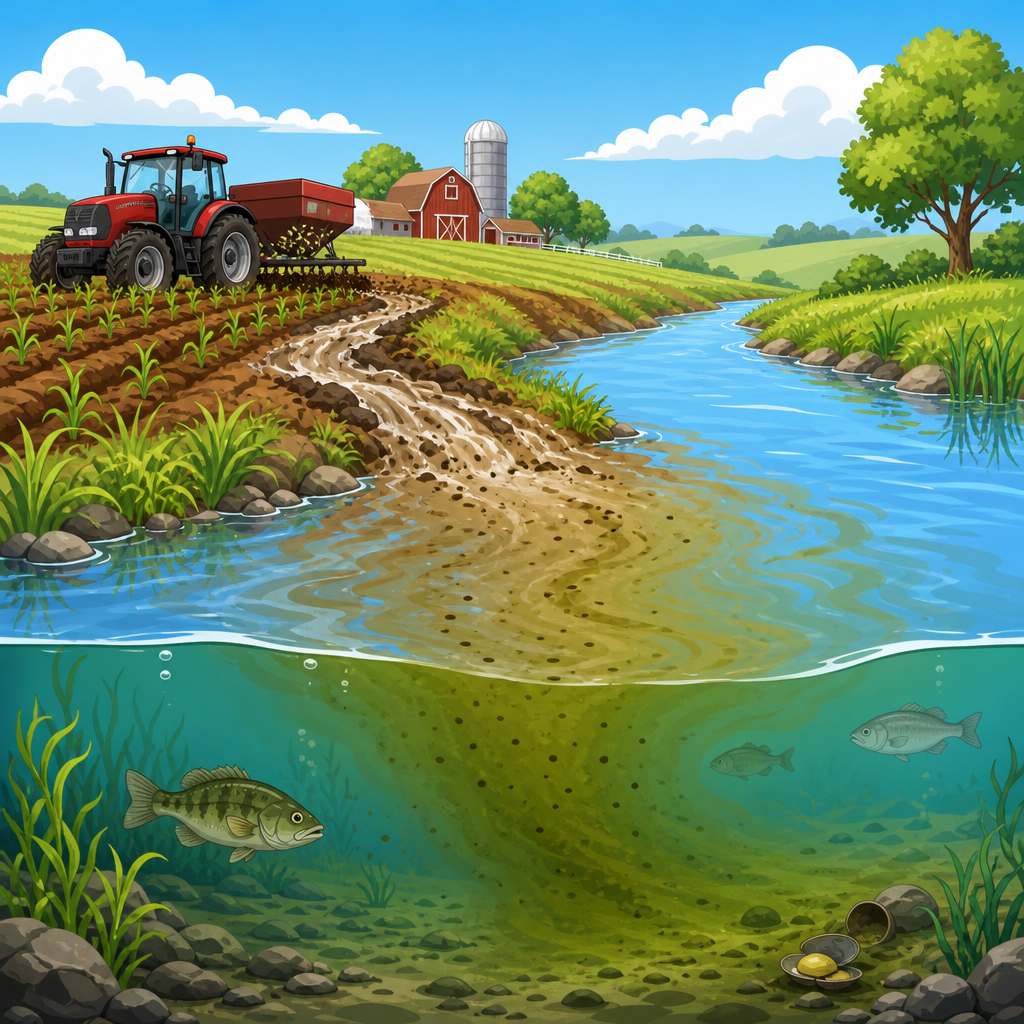
At the watershed scale, contamination pathways vary. Atmospheric deposition may land directly on lakes or on forest soils that later drain into streams. Legacy industrial sites may release mercury from contaminated sediments during storms, dredging, or shoreline disturbance. Municipal and industrial wastewater can contribute smaller but chronic inputs. Land use also matters. Logging, reservoir creation, wetland flooding, and wildfire can alter soil chemistry and hydrology in ways that mobilize stored mercury. I have seen two lakes in the same region produce very different fish tissue results simply because one had extensive wetlands and fluctuating water levels, conditions that favor methylation.
The basic rule in environmental toxicology is that source strength alone does not determine risk. Transport, chemical form, and local ecosystem conditions matter just as much. A river receiving particulate mercury may show contamination hotspots near depositional zones. A newly flooded reservoir may experience a spike in methylmercury generation as microbes decompose inundated organic matter. Coastal estuaries can receive mercury from upstream runoff, urban stormwater, and atmospheric deposition at the same time. These combined inputs complicate cleanup because removing one source does not automatically solve the food web problem.
Why methylmercury is the most dangerous form
Methylmercury is the critical link between mercury in the environment and mercury in fish. In anaerobic sediments, wetlands, and stratified waters, sulfate-reducing and iron-reducing microbes can convert inorganic mercury into methylmercury. This process depends on temperature, organic carbon, sulfur chemistry, redox conditions, and the availability of mercury in forms microbes can access. The result is a pollutant that crosses biological membranes efficiently and binds strongly to proteins, especially in muscle tissue.
That behavior explains why methylmercury poses a greater ecological and human health risk than many other metals. Unlike contaminants that remain mostly in liver or kidney, methylmercury distributes widely through tissue and persists long enough to move from plankton to invertebrates to forage fish to predators such as bass, walleye, pike, tuna, swordfish, and shark. It also crosses the blood-brain barrier and placenta, making prenatal exposure a major concern. The U.S. Environmental Protection Agency reference dose for methylmercury, 0.1 micrograms per kilogram of body weight per day, reflects evidence that even low-level chronic exposure can affect neurodevelopment.
Environmental toxicologists focus heavily on methylation and demethylation rates because they determine whether a waterbody acts as a contamination amplifier or not. Two streams can receive similar mercury deposition, yet one produces much more contaminated fish if its sediments, wetlands, and microbial community favor methylmercury formation. This is why monitoring programs increasingly pair total mercury data with methylmercury measurements, dissolved organic carbon, sulfate, and sediment characteristics rather than relying on a single number.
How mercury moves through aquatic food webs
Once methylmercury is present in water or sediment, it enters the base of the food web quickly. Phytoplankton and bacteria absorb it directly from surrounding water. Zooplankton then feed on those organisms, small fish feed on zooplankton, and larger predatory fish consume smaller fish. At each step, methylmercury is retained more efficiently than it is eliminated. This process is called bioaccumulation within an organism and biomagnification across trophic levels. It is the reason fish tissue concentrations can be millions of times higher than mercury concentrations in surrounding water.
Body size, age, habitat, and diet influence contamination. Long-lived predators usually carry the highest burdens because they have had more time to accumulate mercury and they eat prey already contaminated. Fish feeding in wetlands, backwaters, or deep stratified reservoirs may show different tissue concentrations than fish in fast-flowing, oxygen-rich channels. Seasonal changes matter too. Water level drawdowns, flooding, and temperature shifts can alter microbial activity and food web structure, changing mercury uptake patterns over time.
| Food web level | Typical organisms | Mercury pattern | Why it increases |
|---|---|---|---|
| Primary producers | Algae, bacteria | Low but measurable | Direct uptake from water |
| Primary consumers | Zooplankton, aquatic insects | Higher than water | Continuous feeding and retention |
| Forage fish | Minnows, shad, young perch | Moderate | Diet shifts toward contaminated prey |
| Top predators | Bass, pike, walleye, tuna | Highest | Biomagnification over years |
This pattern is one of the clearest demonstrations in environmental toxicology that dose is shaped by ecology, not only chemistry. A waterway can meet some dissolved-water criteria yet still produce fish unsafe for frequent consumption. That is why fish tissue monitoring is indispensable. Water data reveal current transport conditions; tissue data reveal integrated biological exposure over time.
Effects on fish, wildlife, and people
Mercury harms fish even before tissue concentrations reach levels that trigger human consumption advisories. Laboratory and field studies have linked methylmercury exposure in fish to altered behavior, reduced predator avoidance, impaired foraging, slower growth, reproductive disruption, and lower survival of eggs and larvae. In some species, contaminated adults guard nests less effectively or show reduced spawning success. These sublethal effects matter because population declines can emerge from small changes in behavior and reproduction repeated across many breeding seasons.
Fish-eating wildlife often face even greater risk. Loons, eagles, otters, mink, and other predators can accumulate mercury to levels associated with neurological and reproductive damage. In northern lakes, common loons have become a well-known sentinel species because blood and feather mercury concentrations often track contamination trends in fish. In estuaries, wading birds and marine mammals can also be affected, especially where food webs are long and productivity patterns favor biomagnification.
For people, the main exposure route is eating contaminated fish and shellfish. Methylmercury primarily targets the nervous system. Fetuses, infants, and young children are most vulnerable because the developing brain is especially sensitive. Adults with high chronic exposure may experience sensory, motor, or cardiovascular effects, but public health guidance usually emphasizes pregnancy and early childhood. Importantly, fish remains nutritionally valuable, providing protein and omega-3 fatty acids, so the goal is not to avoid fish entirely but to choose species lower in mercury and follow local advisories. Good toxicology communication balances hazard and benefit rather than relying on fear alone.
How scientists measure mercury contamination
Environmental toxicology depends on sound sampling design. Scientists measure mercury in air deposition, water, sediment, invertebrates, and fish tissue because each matrix answers a different question. Water samples can show dissolved and particulate fractions, but concentrations are often extremely low and variable. Sediment sampling identifies legacy contamination zones and likely methylation hotspots. Benthic invertebrates help connect sediments to food web transfer. Fish tissue sampling, often from fillets for public health and whole bodies for ecological studies, provides the clearest picture of long-term biological exposure.
Laboratories commonly analyze total mercury with cold vapor atomic absorption, atomic fluorescence, or inductively coupled plasma mass spectrometry, while methylmercury is measured through specialized extraction and chromatographic methods. Quality assurance is critical because contamination can occur during collection and analysis at very small concentrations. Clean hands/dirty hands protocols, field blanks, certified reference materials, duplicates, and method detection limits are not paperwork details; they determine whether results are credible enough to support advisories or costly remediation decisions.
Risk assessment then interprets those results. Scientists compare concentrations to water quality criteria, sediment benchmarks, tissue screening values, and dose-based health guidance. They also examine fish size, species, trophic position, and geography. A practical monitoring program does not sample one species once and stop. It tracks trends over years, especially after dam construction, wetland restoration, emissions controls, or sediment cleanup, because mercury responses are often delayed.
Regulation, remediation, and prevention strategies
Mercury control works best when it starts upstream, before contamination enters a waterbody. Emissions standards for coal-fired power plants, industrial controls, product phaseouts, hazardous waste management, and international agreements such as the Minamata Convention have reduced releases in many regions. Those actions matter because mercury is easier to prevent than to remove after it has entered sediments and food webs. Even so, recovery can be slow because legacy deposits continue cycling for decades.
Site remediation requires caution. Dredging can remove contaminated sediment, but it may resuspend mercury if poorly managed. Capping can isolate buried contamination, yet it does not address ongoing upstream inputs. Wetland and reservoir management can sometimes reduce methylation by limiting prolonged flooding or controlling water-level fluctuations, although results vary by site. Amendments such as activated carbon, selenium interactions, and sulfate management have been studied, but no universal fix exists. In my experience, the most successful projects combine source reduction, targeted sediment action, fish monitoring, and public communication rather than betting on a single technology.
For communities, fish consumption advisories are an essential risk management tool. Effective advisories identify species, sizes, meal frequencies, sensitive populations, and waterbody locations in plain language. They also need to be accessible at boat ramps, bait shops, health clinics, and licensing websites, not buried in technical PDFs. Environmental toxicology is not complete until data are translated into decisions people can actually use.
Mercury pollution shows why environmental toxicology is such an important part of environmental science: a contaminant released in one form and one location can transform, travel, and intensify until it affects entire aquatic food webs and the people who depend on them. The central lesson is straightforward. The greatest danger in waterways is usually not raw elemental mercury but methylmercury produced under the right biological and chemical conditions, then concentrated through bioaccumulation and biomagnification. That is why healthy-looking water can still yield contaminated fish, and why testing fish tissue is often more informative than relying on water samples alone.
As the hub for environmental toxicology, this topic connects source tracking, exposure science, toxic mechanisms, ecological effects, human health, monitoring, regulation, and remediation into one practical discipline. If you remember three points, make them these: mercury reaches waterways through atmospheric deposition and local releases; microbes can convert it into a far more dangerous form; and long-lived predatory fish usually carry the highest concentrations. Those facts explain most advisories, most monitoring programs, and most policy responses.
The main benefit of understanding mercury pollution is better decision-making. Researchers can design smarter sampling plans, regulators can target the most effective controls, and anglers and families can make safer fish choices without giving up the nutritional benefits of seafood. Use this article as your starting point for the wider environmental science subtopic, then dig deeper into linked areas such as bioaccumulation, sediment contamination, ecological risk assessment, and fish consumption guidance to build a stronger working knowledge of environmental toxicology.
Frequently Asked Questions
What is mercury pollution, and how does it get into waterways?
Mercury pollution refers to the release of mercury, a toxic metal, into the environment where it can circulate through air, water, and soil. In waterways, mercury often originates from industrial emissions, coal combustion, mining activities, waste incineration, and runoff from contaminated land. Once released into the atmosphere, mercury can travel long distances before settling into lakes, rivers, wetlands, and coastal waters through rain, snow, or dry deposition. It can also enter aquatic systems directly through wastewater discharges, eroded sediments, or legacy contamination from older industrial sites.
What makes mercury especially concerning in environmental toxicology is its persistence. It does not break down into harmless components the way some other pollutants do. Instead, it can remain in sediments and water for long periods, moving through ecosystems and changing chemical form along the way. In aquatic environments, microorganisms can convert inorganic mercury into methylmercury, a far more toxic form that is readily absorbed by living organisms. That transformation is one of the key reasons mercury pollution is so damaging to waterways and fish.
Why is methylmercury more dangerous than other forms of mercury in aquatic ecosystems?
Methylmercury is considered the most hazardous form of mercury in aquatic environments because it is highly bioavailable, meaning it is easily taken up by plants, plankton, invertebrates, fish, and other organisms. Once it enters tissues, it binds tightly to proteins and accumulates faster than many organisms can eliminate it. This makes methylmercury especially effective at moving through food webs, from small aquatic organisms to larger predator fish and ultimately to wildlife and people who consume them.
Its danger is also tied to its effects on the nervous system and development. In fish, methylmercury can impair behavior, feeding, growth, reproduction, and survival. In predators such as birds, mammals, and humans, exposure can interfere with brain and nervous system function, with developing embryos and young individuals being particularly vulnerable. From an environmental toxicology perspective, methylmercury is a major concern not just because it is toxic, but because aquatic conditions such as low oxygen zones, wetlands, and organic-rich sediments can encourage its formation, allowing contamination to intensify within the ecosystem even when direct mercury inputs appear modest.
How does mercury pollution affect fish health and aquatic food webs?
Mercury pollution affects fish on both an individual and ecosystem level. Individual fish can experience neurological stress, altered swimming behavior, reduced ability to avoid predators, impaired feeding, slower growth, and reproductive problems. Eggs and larvae are often even more sensitive than adults, so mercury exposure can reduce hatch success and weaken early development. These biological effects may not always cause dramatic die-offs, but they can gradually reduce population health and resilience over time.
At the food web level, mercury becomes even more significant because of bioaccumulation and biomagnification. Bioaccumulation happens when a fish absorbs mercury from water and food faster than it can excrete it. Biomagnification occurs when mercury concentrations rise at each step of the food chain. Small organisms absorb methylmercury, small fish eat many of those organisms, and larger predatory fish then consume many smaller fish. As a result, top predators such as bass, pike, tuna, swordfish, and walleye often contain the highest mercury levels. This pattern can disrupt predator-prey relationships, affect fish-eating birds and mammals, and create long-term ecological stress throughout the waterway.
Why do some fish have higher mercury levels than others?
Fish mercury levels vary widely based on species, age, size, diet, and habitat. Generally, larger and older fish have higher mercury concentrations because they have had more time to accumulate it. Predatory species also tend to contain more mercury than species lower on the food chain because they eat contaminated prey repeatedly over their lifetimes. A small forage fish may contain some methylmercury, but a larger predator that consumes hundreds or thousands of those fish will usually build up far greater concentrations in its tissues.
Environmental conditions matter as well. Lakes, reservoirs, wetlands, and slow-moving waters with organic-rich sediments can create favorable conditions for mercury methylation. Local land use, sediment chemistry, water acidity, temperature, and microbial activity all influence how much methylmercury is produced and how available it becomes to aquatic life. That is why two nearby water bodies can show very different fish contamination patterns. Environmental toxicologists study these variables closely by sampling water, sediments, and fish tissues to identify contamination hotspots and understand which species present the greatest ecological and human health risk.
How do scientists monitor mercury pollution in waterways, and what can be done to reduce it?
Scientists monitor mercury pollution by tracing it from source to exposure. This usually involves measuring mercury concentrations in air deposition, surface water, bottom sediments, aquatic invertebrates, and fish tissues. Environmental toxicologists also examine how mercury changes form in the environment, especially where inorganic mercury is being converted into methylmercury. Tissue testing in fish is one of the most important tools because it reveals how much contamination is actually entering the food web. In many cases, monitoring programs also compare species, sizes, and locations over time to determine whether conditions are improving or worsening.
Reducing mercury pollution requires both prevention and long-term management. The most effective strategy is to cut mercury releases at the source through cleaner industrial practices, emission controls, better waste handling, and stronger regulation of mercury-containing materials. In contaminated waterways, responses may include sediment management, habitat restoration, wetland planning, and continued fish consumption advisories to protect the public. Because mercury can remain in ecosystems for years or decades, solutions are rarely immediate. Still, consistent monitoring, source reduction, and science-based policy can significantly lower risk over time and help restore healthier aquatic ecosystems.